
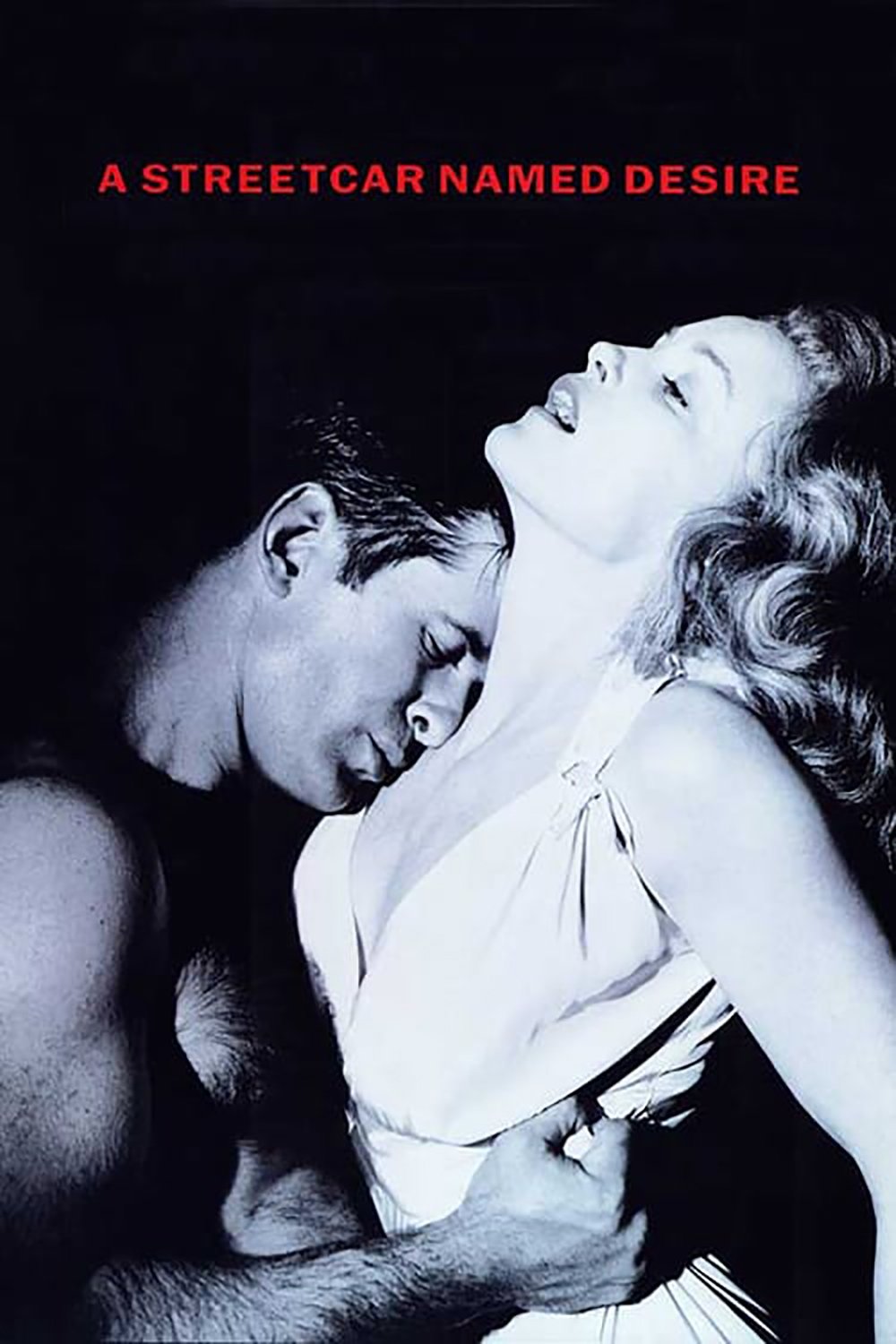
What the Film Is About
“A Streetcar Named Desire,” directed by Elia Kazan and adapted from Tennessee Williams’ celebrated play, is an emotionally intense examination of fragile identities colliding in a small New Orleans apartment. The film centers on Blanche DuBois, whose unexpected visit to her sister Stella’s home upends the tense balance of Stella’s marriage to the brutishly charismatic Stanley Kowalski. As Blanche’s genteel illusions clash with Stanley’s raw physicality and realism, the narrative exposes vulnerabilities and long-standing wounds, unraveling the facades people use to protect themselves from a harsh world.
At its core, the film is a psychological struggle between fantasy and reality, gentility and primal instinct, and individuals desperate to find their place in an unforgiving environment. It’s a deeply tragic journey through loss, desire, and the unraveling of dignity in a society experiencing rapid transformation.
Core Themes
One of the film’s central themes is the conflict between illusion and reality. Blanche’s carefully constructed persona, with its curated grace and nostalgic references to a lost era, is pitted against Stanley’s uncompromising honesty and tangible desires. This friction lays bare the human tendency to seek refuge in comforting fabrications when reality becomes too painful—a theme as relevant in the postwar era of the 1950s, with its shifting social order, as it is today, in an age of curated digital identities.
Power and vulnerability play another crucial role in the film. The shifting dynamics between Blanche, Stella, and Stanley reveal how individuals exert control through seduction, manipulation, physicality, or emotional dependency. The story probes the destructive consequences when someone’s need for dominance or validation collides with another’s sensitivity. Gender norms, class anxieties, mental health, and the consequences of trauma all intertwine in the film’s exploration of individual and social breakdown.
At a deeper level, the film interrogates the fading of old Southern gentility and the rise of a new, less romantic America. Blanche embodies nostalgia and the values of a bygone society, while Stanley is the forceful presence of the modern world—working class, ethnically diverse, and unapologetically direct. This social transformation is not just historical but deeply personal, playing out in intimate conflicts and personal tragedy.
Symbolism & Motifs
The film uses recurring images and symbols to enrich its psychological texture and social commentary. Perhaps most notable is the streetcar itself, a literal vehicle that Blanche rides to Stella’s home but also a metaphor for desire—unstoppable, indiscriminate, and sometimes destructive. Desire drives the characters’ choices, betrays their best intentions, and propels them toward inevitable ruin.
Light and shadows are constant motifs, reflecting Blanche’s fear of exposure and her effort to conceal both her physical age and emotional scars. She shuns bright light and surrounds herself with paper lanterns, desperate for the softening qualities of illusion, which ultimately cannot withstand Stanley’s relentless truth-seeking.
Music, especially the recurring appearance of the “Varsouviana” polka tune, acts as a haunting reminder of trauma and regret in Blanche’s life, surfacing whenever her grip on reality weakens. The cramped, decaying Kowalski apartment becomes a symbol of entrapment—a pressurized container for class struggle, thwarted desires, and personal disintegration.
Key Scenes
Key Scene 1
The initial meeting between Blanche and Stanley is a crucial moment that sets the stage for the film’s entire conflict. Blanche’s nervous poise and theatrical affectations are immediately met with Stanley’s blunt physicality and aggressive directness. This clash of worlds—one clinging to manners and memories, the other to survival and dominance—mirrors deeper societal shifts. The emotional charge of their first encounter encapsulates the play’s central question: can sensitivity and idealism persist in a world governed by harsh reality?
Key Scene 2
Blanche’s confession to Mitch about her past—a touching admission of loneliness, shame, and shattered dreams—provides a rare moment of vulnerability and connection. This scene delves into the psychological wounds that Blanche attempts to mask. It challenges the film’s core themes by briefly offering hope that compassion and understanding might heal trauma. However, the eventual rejection by Mitch, based on the social judgments and gender norms of the time, ultimately reaffirms the isolation faced by those who cannot conform to societal expectations.
Key Scene 3
In the film’s climax, when Blanche is finally forced out of Stella’s home and led away by strangers, reality triumphs over illusion once and for all. Yet, Blanche clings to her last fragment of dignity, uttering the iconic line: “I have always depended on the kindness of strangers.” This scene powerfully underscores the frailty of identity and the acute existential loneliness beneath social masks. It’s a devastating final statement about the consequences of being unable—or unwilling—to adapt to a changed world.
Common Interpretations
“A Streetcar Named Desire” is often interpreted as a critique of the American Dream and the myth of self-reinvention. Critics suggest that the film portrays reality as unavoidable and sometimes merciless, stripping away personal and cultural illusions. Blanche’s tragedy is commonly seen as the result of her inability to reconcile her inner ideals with the demands and realities of modern life.
Another prevalent reading views the film as a study of psychological and social violence—how individuals, relationships, and entire cultures inflict wounds, deliberately or otherwise. Stanley is sometimes seen not as a villain, but as a product of a society that rewards force and authenticity over sentiment and fantasy. For others, Blanche’s downfall is a meditation on the fate of the vulnerable in a society that prizes toughness over empathy.
There are also readings focused on gender and power. The film’s presentation of masculinity and femininity—how each is performed, policed, and punished—remains a subject of much analysis. Viewers continue to debate whether Stella’s final choice is an act of survival, complicity, or quiet resistance within a world with few easy answers for women.
Films with Similar Themes
- Who’s Afraid of Virginia Woolf? – Examines illusion versus reality within a volatile marriage, probing emotional brutality and fragile identity under social pressure.
- Cat on a Hot Tin Roof – Another Tennessee Williams adaptation, it explores mendacity, inheritance, and the collapse of old Southern values in modern America.
- Revolutionary Road – Deals with the destruction wrought by self-deception, marital conflict, and the cost of failing to live authentically in 1950s suburbia.
- The Glass Menagerie – Focuses on a family’s struggle between fantasy and reality, longing for escape, and the devastating effects of unfulfilled dreams.
Ultimately, “A Streetcar Named Desire” presents a haunting meditation on the fragility of the self, the destructive power of desire, and the societal forces that shape—and sometimes break—human lives. It warns of the consequences when truth is weaponized, when compassion is absent, and when old ideals can no longer shield us from change. As a product of its time and a timeless exploration of human nature, the film reminds us how crucial it is to recognize both the resilience and vulnerability that define us all.