
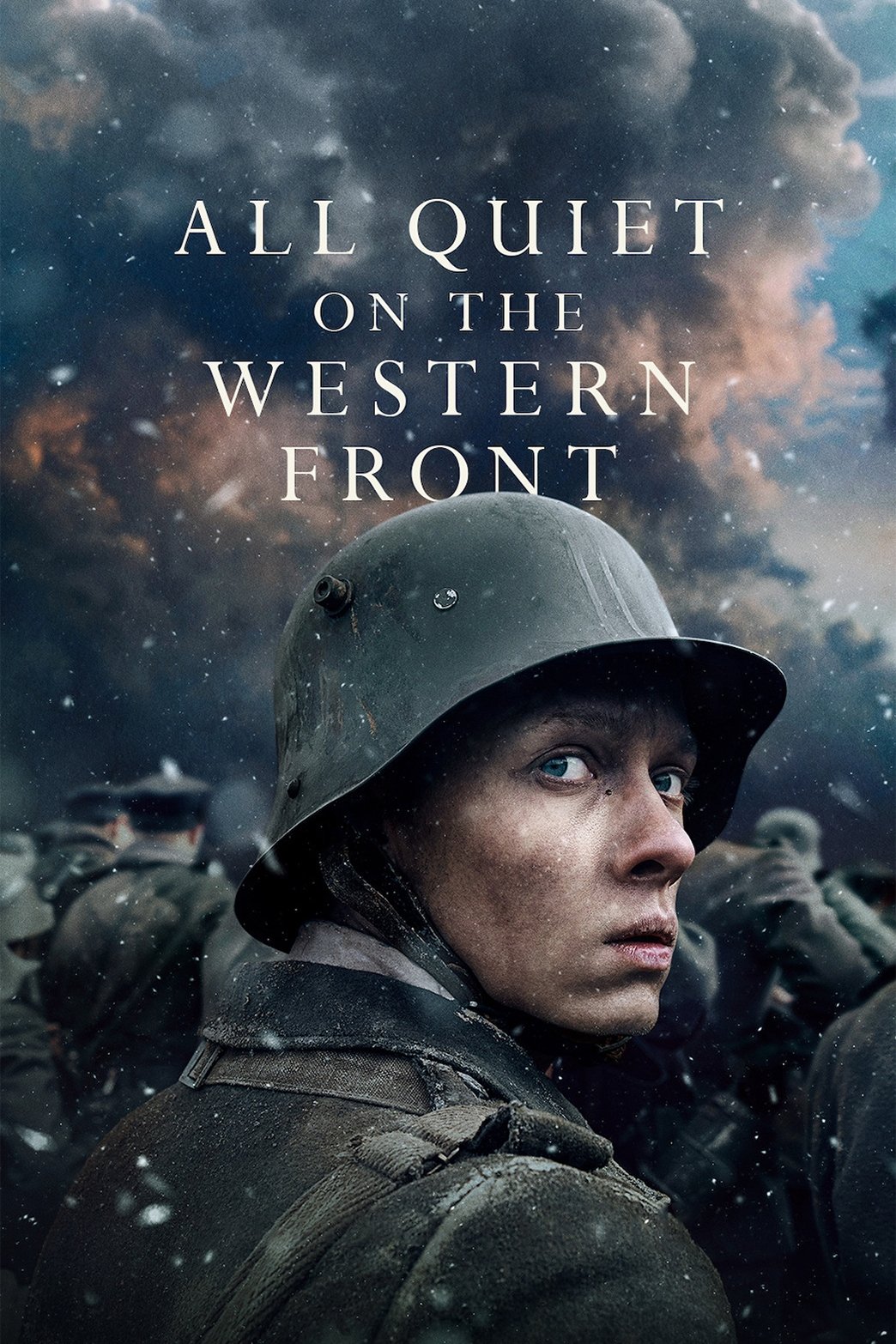
What the Film Is About
“All Quiet on the Western Front” (1979) is a harrowing meditation on the experience of young German soldiers during World War I. Rather than a conventional war epic, the film unfolds as a deeply personal, transformative journey—tracing the disintegration of innocence and the psychological toll exacted by relentless violence. At its core, the narrative chronicles how idealistic youth become disillusioned, navigating the chasm between patriotic propaganda and the grim reality of trench warfare.
The central conflict is not simply between nations, but between the persistent dreams of young men and the unyielding machinery of war that grinds them down. As camaraderie crumbles and ideals are shattered, the film compels viewers to witness the erosion of identity and human spirit amid chaos. The emotional journey is both universal and specific, capturing how war distorts one’s beliefs, relationships, and sense of self.
Core Themes
At its heart, the film is a contemplation of the destructiveness of war on both an intimate and collective level. The main themes include the futility of conflict, the betrayal of youth, and the profound alienation that results from violence. The idea that war is not glorious or redemptive, but rather dehumanizing and tragic, is woven through every aspect of the film.
“All Quiet on the Western Front” interrogates the rhetoric of nationalism and blind patriotism, revealing how young people are manipulated into fighting for abstract causes they barely understand. The loss of innocence is palpable, as characters discover that war’s true nature consists not of heroism but of survival, trauma, and the daily confrontation with mortality. The film also explores camaraderie born of shared suffering, contrasting it with the emotional isolation that war imposes.
Upon its release in 1979, the film resonated strongly with audiences still reeling from the Vietnam War, a time when public trust in government narratives and military ventures was deeply shaken. Today, its themes remain pertinent, reminding us of the peril inherent in glorifying violence and the psychological wounds that echo across generations.
Symbolism & Motifs
Visual and thematic motifs recur throughout the film, underscoring its antiwar message. The persistent image of mud and earth serves as both a literal and figurative burial ground for youthful dreams. The trenches, with their claustrophobic confines, symbolize entrapment and the breakdown of order, reinforcing the sense that these young men cannot escape the violence that surrounds them.
Recurring references to schoolbooks and classrooms act as ironic counterpoints to the battlefield. Early enthusiasm spurred by patriotic teachers contrasts sharply with the later, lived experience of chaos, questioning the role of authority in shaping perceptions of war. The motif of lost letters and interrupted communications highlights the disconnect between the front lines and those at home, emphasizing a sense of existential exile.
Another significant symbol is the butterfly, appearing as an emblem of fleeting beauty, innocence, and the longing for peace amidst brutality. Its delicate presence in the midst of carnage serves as both a reminder of what is being lost and a testament to the enduring human yearning for normalcy and hope, even in the bleakest circumstances.
Key Scenes
Key Scene 1
A foundational scene unfolds in the classroom where the protagonist and his peers are exhorted by their teacher to serve the Fatherland. This moment is crucial because it establishes the persuasive power of authority and collective fervor. The emotional undercurrent—the hope, pride, and naivete in the students’ faces—cements how societal pressures can drive individuals toward decisions with irreversible consequences. The contrast between this optimistic gathering and the hardships that follow is stark, setting up the main tension at the film’s core: the gulf between expectation and reality.
Key Scene 2
A particularly haunting scene involves a hand-to-hand encounter in a shell hole, where the protagonist is forced to kill an enemy soldier in close quarters. The intimacy and extended duration of the scene force viewers to grapple with the personal cost of warfare. The emotional breakdown that follows—marked by guilt, horror, and a desperate attempt to rationalize the act—challenges simplistic views of the enemy. Here, the film confronts the notion of “the other,” making it clear that all participants in war are fundamentally human, bound by suffering and fear.
Key Scene 3
Near the film’s end, the protagonist reaches out to touch a butterfly perched at the edge of the trench. This seemingly gentle gesture is met by fatal violence, making the moment both a turning point and a poignant epitaph to the film’s message. The butterfly—fragile yet persistent—captures the tragic irony of striving for beauty or innocence in a world that ruthlessly extinguishes it. This scene encapsulates the ultimate futility and waste of war, leaving viewers with an indelible sense of loss and yearning.
Common Interpretations
Most critics and viewers interpret “All Quiet on the Western Front” (1979) as a resolutely antiwar film. It is widely seen as an indictment of the romanticization of military conflict, serving as a cautionary tale about the costs of uncritical nationalism. The film’s focus on character psychology, rather than tactical maneuvering or battlefield heroics, is understood to critique the systems that perpetuate violence—not just the events of World War I, but all wars waged in the name of ideology.
A second, closely related interpretation centers on the idea of lost youth. The characters’ transformation—from eager volunteers to disillusioned survivors—is frequently cited as a lament for an entire generation sacrificed to the ambitions of others. Some scholars emphasize the existential aspect: how war obliterates certainty, meaning, and identity. Rather than providing easy answers, the film lets ambiguity linger, inviting audiences to reflect on complicity, responsibility, and the shared vulnerability of humanity.
While the dominant reading is staunchly pacifist, some commentators have also explored how the film interrogates masculinity and the societal pressures on men to conform to certain ideals of bravery and stoicism. This lens adds further depth to the film’s critique of cultural narratives that valorize conflict and obedience.
Films with Similar Themes
- Paths of Glory (1957) – Like “All Quiet on the Western Front,” this film interrogates military authority and the senseless destruction of war, highlighting the psychological and ethical dilemmas faced by soldiers.
- Gallipoli (1981) – Focuses on the transformation of young men caught up in patriotic fervor, only to confront the grim reality and futility of battle, with a strong emphasis on camaraderie and disillusionment.
- Come and See (1985) – Offers a psychologically intense and unflinching look at the horrors of war through the eyes of a teenage protagonist, exploring loss of innocence and the shattering impact of violence.
- Platoon (1986) – Examines the moral ambiguity and chaos of warfare, emphasizing how young soldiers are irrevocably changed by their experiences and forced to reckon with both external and internal conflicts.
Ultimately, “All Quiet on the Western Front” (1979) stands as a timeless meditation on the corrosive effects of war. It refuses to offer easy redemption or glorification, focusing instead on the tragic costs—personal, emotional, and societal—of embracing violence as a solution. The film’s narrative and symbolism urge viewers to question not only historical events, but the persistent cultural narratives that perpetuate cycles of conflict. Beneath its grim images lies a plea for empathy, reflection, and a deeper understanding of our shared vulnerability, reminding us that the true victims of war are the individuals whose innocence and humanity are lost amidst its devastation.