
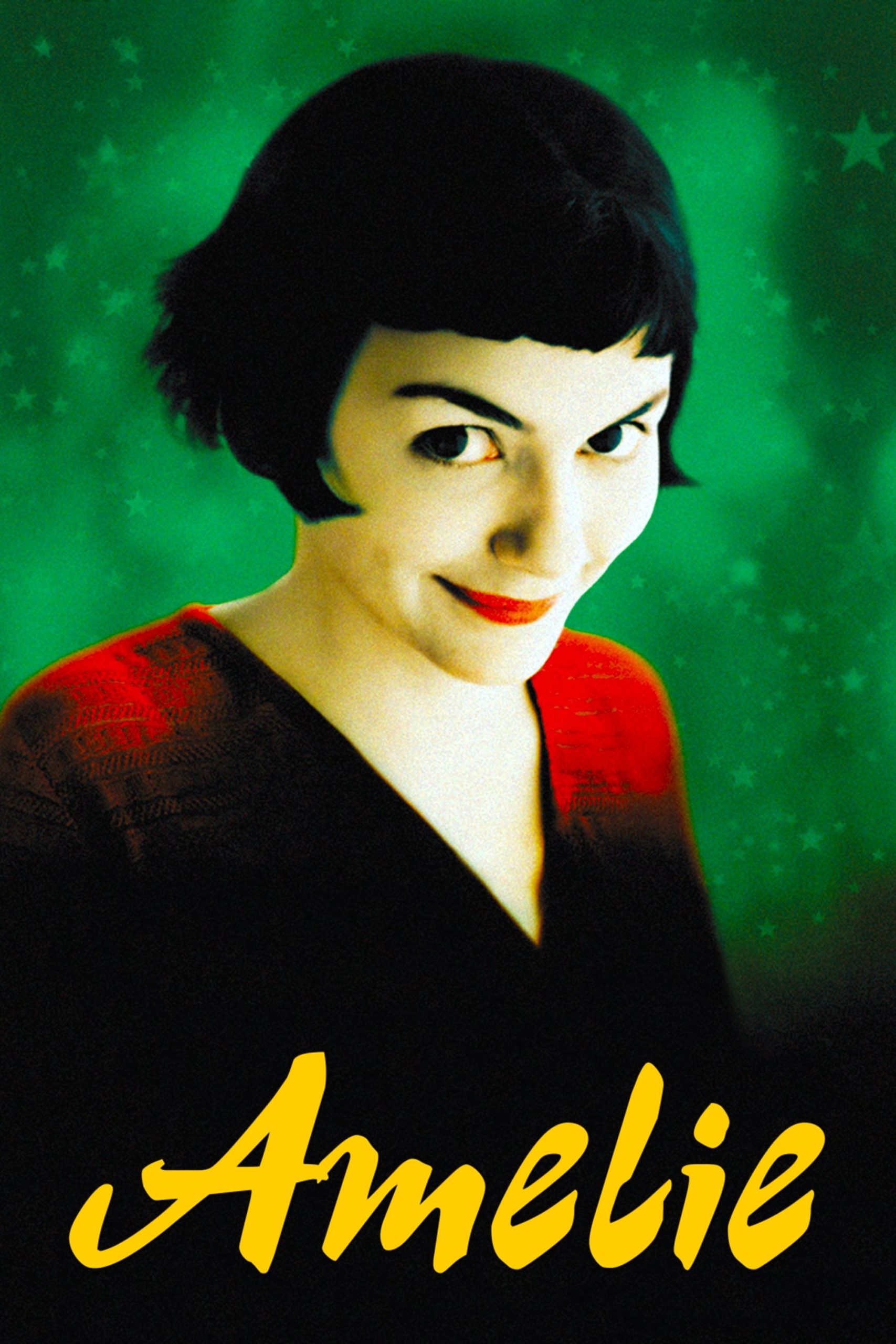
What the Film Is About
At its heart, Amélie is the lyrical journey of a shy, imaginative young woman navigating the streets of Paris as she quietly seeks connection and purpose. Rather than a tale of grand adventure or sweeping romance, the film immerses viewers in the delicate emotional world of Amélie Poulain—a dreamer whose subtle acts of kindness ripple through her community. The movie charts her evolution from an isolated observer of life into an active participant, illuminating her internal struggle to bridge the gap between imaginative inner life and real-world intimacy.
The central tension in Amélie is between isolation and connection—how fear, habit, and personal quirks prevent people from reaching out, and how small gestures can transform not only the giver but an entire community. The narrative unfolds as Amélie orchestrates secret interventions that spark joy and healing for strangers and neighbors, all while wrestling with her own yearning for love and belonging. The film draws viewers into a whimsical yet relatable emotional odyssey, showing how even the quietest individuals can affect and be affected by the world around them.
Core Themes
Amélie explores several intertwined themes, chief among them the transformative power of kindness, the nature of loneliness, and the courage it takes to truly connect with others. The film champions the idea that everyday acts of goodness—performed without expectation of recognition—can become a quiet form of rebellion against cynicism, monotony, and societal detachment. In Amélie’s case, her creative attempts to improve others’ lives signify both her growing empathy and her struggle to break free from self-imposed seclusion.
Another central theme is the interplay between fantasy and reality. The film invites viewers to see the world as Amélie does—colored by imagination, wonder, and attention to small delights. Yet, it insists that escapism alone is not enough; meaning and fulfillment require moving beyond fantasy into authentic connection. The movie meditates on the ways people choose safety over vulnerability, constructing routines and boundaries that keep both pain and possibility at bay. Set in a rapidly modernizing Paris at the turn of the millennium, Amélie addresses universal anxieties about alienation and the search for meaning—questions that remain strikingly relevant today as technology and urban life offer connection yet often foster distance.
Symbolism & Motifs
Amélie employs a poetic visual language, using recurring symbols and motifs to reinforce its deeper messages. One prominent motif is that of windows and barriers—visual representations of Amélie’s separation from the world. Throughout the film, glass, doorways, and peepholes suggest her hesitance to engage directly, highlighting the psychological obstacles to connection.
Objects left behind or rediscovered—such as the childhood box Amélie finds in her apartment—act as metaphors for memory, lost innocence, and the healing power of giving. The garden gnome, which embarks on a photographic journey around the world, symbolizes the desire to break out of mundane routines and experience a broader, richer existence.
The use of rich, saturated colors—especially greens and reds—also carries symbolic weight, evoking both vitality and longing. The film’s whimsical imagery, from fanciful animations to hyper-detailed shots of everyday objects, conveys Amélie’s alertness to life’s hidden marvels. This motif underlines the film’s message: magic is to be found in the ordinary, for those willing to pay attention.
Key Scenes
Key Scene 1
One crucial scene for understanding the film’s message finds Amélie returning a long-lost tin box filled with childhood keepsakes to a now-grown man. The emotional impact is palpable—not merely for the man, who is confronted with his past and reminded of hope, but for Amélie herself, who witnesses the seismic effect of a small, compassionate gesture. This moment crystallizes the film’s belief in the potency of reaching out and the ripple effect that simple kindness can create. It’s less about grand transformation and more about the subtle but profound shifts in perspective and heart.
Key Scene 2
A striking scene that develops the film’s core themes is the recurring motif of Amélie observing life from a distance—watching couples, families, and strangers from afar. In one instance, she stands apart at a carnival, peering at the world through telescopic devices. The viewer is placed in her shoes, feeling both enchanted and melancholic, reflecting the simultaneous beauty and pain of being a perpetual outsider. The sequence elaborates on the film’s exploration of loneliness, and the self-imposed boundaries that must be overcome in the search for authentic connection.
Key Scene 3
The film’s emotional climax is a tender, silent meeting between Amélie and her romantic interest, Nino, in her apartment. Here, vulnerability and fear give way to intimacy as both characters quietly acknowledge their mutual longing. The simplicity of their interaction underscores the film’s assertion that genuine connection—however awkward or tentative—is worth risking heartbreak and exposure. This turning point affirms the idea that transformation comes not from fantasy or spectacle, but through quiet acts of courage and openness.
Common Interpretations
Critics and audiences often interpret Amélie as both a modern fairy tale and a bittersweet meditation on the challenges of human connection in an increasingly impersonal world. Some focus on its celebration of kindness and the individual’s power to infuse life with meaning through attention to others. Others read the film as a commentary on the dangers of excessive idealism—how living through fantasy can trap someone as easily as apathy or conventionality.
A common thread running through most interpretations is the duality of solitude and solidarity. While the film’s protagonist is often seen as a champion of introverts—and of those living on the margins—it also gently critiques the costs of self-isolation. Some viewers find the film quietly political, viewing Amélie’s quiet resistance to the dullness or cruelty around her as a small-scale form of activism. Others see the film as an ode to the ordinary, reminding us that meaning can be found not in headline-grabbing acts, but in the attentive cultivation of everyday life.
Films with Similar Themes
- Lost in Translation – Like Amélie, this film explores loneliness and human connection within a foreign or isolating environment, emphasizing the importance of fleeting yet transformative encounters.
- The Secret Life of Walter Mitty – This movie similarly delves into the life of a daydreamer who must bridge the gap between fantasy and meaningful real-world action.
- Her – Both films spotlight characters who struggle with alienation in modern society and ultimately seek authentic emotional connections to break through their loneliness.
- Harold and Maude – Much like Amélie, this film finds hope and humor in the unlikely friendship between outsiders, exploring the redemptive power of individuality and kindness.
Ultimately, Amélie communicates a hopeful message about human nature and society. It contends that empathy, imagination, and courage are antidotes to alienation and inertia. The film’s Paris—filled with oddballs, secret wishes, and lingering wounds—acts as a stand-in for any community, suggesting that transformation begins not with sweeping social change but through a quiet attention to the needs and stories of others. In doing so, Amélie offers a timeless reminder that happiness is not a solitary pursuit, but something constructed (and discovered) in relation with the world—one small interaction at a time.
After learning the historical background, you may also want to explore how this film was received and remembered.