
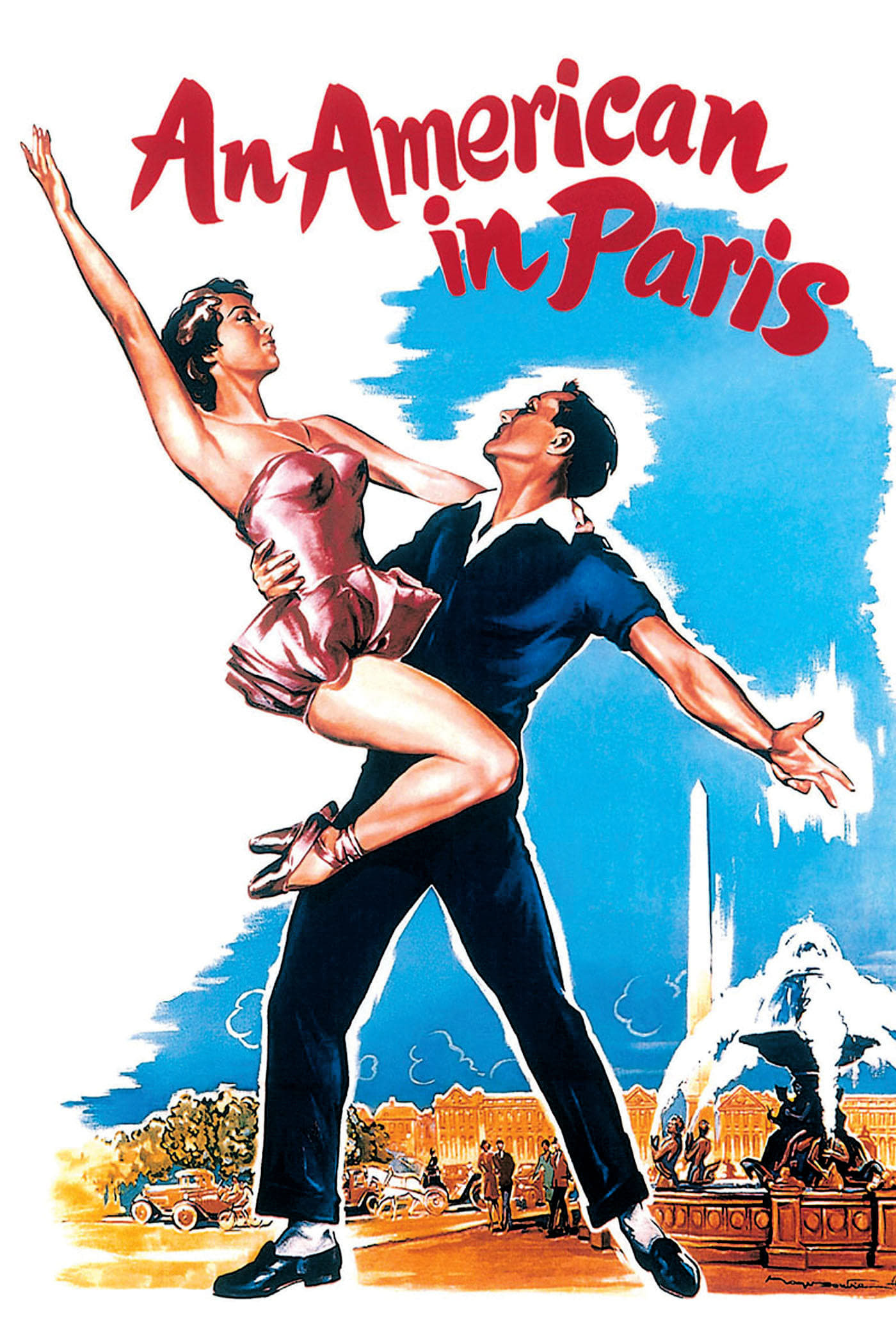
What the Film Is About
“An American in Paris” is, at its heart, a lyrical meditation on longing, artistic ambition, and the transformative possibilities of love. The film follows Jerry Mulligan, an American expatriate painter adrift in postwar Paris, as he becomes entwined in a romantic and creative awakening. The central arc doesn’t simply concern whether Jerry will win the affection of the elusive Lise; rather, it explores the emotional terrain of risk, vulnerability, and the quest for fulfillment—both personal and artistic.
Set against a richly stylized Paris, the narrative unfolds within a world where reality blurs into dreamlike fantasy, underscoring the emotional journey of characters yearning for connection. Love becomes both muse and challenge, drawing the protagonists beyond the security of routine and into a dizzying dance between hope and heartbreak. The film’s emotional movement—heralded by music, color, and dance—mirrors the unpredictable, often bittersweet rhythms of life for young artists in an uncertain world.
Core Themes
One of the primary themes underpinning “An American in Paris” is the interplay between art and life. The film interrogates how creativity shapes identity and vision, suggesting that art is not merely a profession but a way of perceiving and engaging with the world. Jerry’s struggle to produce meaningful work while navigating his romantic desires embodies this tension. The film’s lush dance sequences and painterly visuals reinforce the idea that life itself can be an act of artistic creation.
Love as transformation emerges as another key motif. Beyond the surface-level romance, the story delves into the ways love disrupts and inspires, pushing characters to confront their fears and limitations. The backdrop of postwar Paris lends gravity to these themes: the scars of conflict shadow the pursuit of hope and joy, making the characters’ yearning all the more poignant. In 1951, audiences—many of whom had lived through recent upheavals—would have recognized this tension between rebuilding and dreaming anew. Today, the film’s universal longing for connection, identity, and purpose continues to resonate.
The theme of escapism also pulses through the film’s fabric. Paris is rendered not as a literal city but as a poetic ideal—a refuge from hardship and a canvas for the imagination. This dream logic critiques, but also celebrates, the power of fantasy: art and love offer solace and exhilaration, yet demand sacrifice and honesty if they are to be genuine. In this regard, “An American in Paris” stands as a meditation on the complex dance between enchantment and reality.
Symbolism & Motifs
Throughout the film, the recurring motif of color is explicitly tied to emotional states and transformations. Vivid hues are not just visual flourishes; they symbolize the emergence of hope, passion, and a will to dream after loss. Jerry’s paintings change in tone as his internal landscape evolves, representing the way our art is shaped by our experiences and feelings.
Dance in the film is more than performance—it is a language of longing, joy, and revelation. The climactic ballet, in particular, functions as an extended visual metaphor for the inner tumult of desire and creative breakthrough. Here, movement expresses truths that words cannot, showing the ineffable connection between love and artistic vision.
Another recurring symbol is the city of Paris itself. Rather than a realistic setting, Paris is presented as an emblem of hope, rebirth, and idealized romance. Its streets and bridges become stages for transformation, simultaneously embodying nostalgia for what was lost and hope for a new future. By situating the story in a Paris rebuilt after war, the film uses its locations to echo broader societal aspirations toward healing and regeneration.
Key Scenes
Key Scene 1
One of the most crucial episodes involves Jerry’s solitary walk along the Seine, where the city lights reflect on the water’s surface. In this moment, Jerry grapples with the uncertainty of his future—both as an artist and as a lover. The sequence transcends literal action to convey isolation, yearning, and the insecurities that haunt anyone who dares to pursue their dreams. With minimal dialogue, the scene’s power lies in atmospheric visuals and expressive body language. It crystallizes the film’s meditation on the loneliness inherent in creation and the risk entailed in opening oneself to love.
Key Scene 2
A pivotal ensemble scene unfolds at a lively Parisian nightclub, where all major characters’ paths converge amongst music and dance. Here, superficial festivity conceals deeper emotional crosscurrents—jealousy, longing, temptation, and compromise. The choreography of this encounter metaphorically stages the intricate negotiations between obligation and desire. As relationships intersect and choices become clearer, the film foregrounds its central question: Can personal happiness be pursued without betraying others or oneself? The scene lays bare the spectrum of motives—romantic, financial, artistic—that drive each character, underlining the complexity of human connection.
Key Scene 3
The climactic ballet sequence is the film’s boldest statement, crystallizing all its themes into a single, impressionistic experience. Lasting nearly twenty minutes, the extended dance shifts through styles and color palettes reminiscent of French modernist paintings. This dreamlike interlude abandons linear narrative, plunging the audience into Jerry’s psyche. Here, art and life coalesce; Jerry’s longing for Lise, his artistic aspirations, and the memory of a fractured world merge in a swirling vision. The ballet acts as a metaphorical resurrection, expressing hope, fear, and the redemptive power of love without a single spoken word. The emotional crescendo achieved in this wordless passage serves as the film’s final statement on the capacity of art to encompass, and possibly heal, the fullness of human experience.
Common Interpretations
“An American in Paris” has widely been seen as a celebration of artistic ambition and the healing potential of love, filtered through the lens of postwar optimism. Critics often interpret the film as an allegory for the search for identity and purpose amid uncertainty—a message that resonated with audiences emerging from the devastation of World War II. The Technicolor exuberance and the integration of Gershwin’s music have been viewed as a deliberate antidote to recent years of bleakness, proposing that beauty and connection can emerge from ruin.
Some readings focus on the film’s self-conscious romanticism, seeing its idealized Paris and stylized narrative not as escapist fantasy, but as a commentary on the necessity of dreams. Instead of fleeing reality, the film uses fantasy to confront the messiness of life and the pain of compromise, suggesting that true creativity and love require courage, vulnerability, and self-understanding. Others interpret the film as a critique of the American outsider—highlighting both the exhilarating possibilities and the cultural misunderstandings intrinsic to living abroad.
There is also recognition of the film’s subtle engagement with class and postwar reconstruction: Jerry’s precarious economic circumstances, as well as those of supporting characters, hint at real-world struggles beneath the film’s colorful veneer. Ultimately, the prevailing interpretation underscores the film as both a love letter to art and an affirmation of hope in difficult times.
Films with Similar Themes
- La La Land – Like “An American in Paris,” this film explores the interplay between ambition and romance, highlighting how artistic dreams can both inspire and complicate personal relationships.
- The Red Shoes – This classic ballet film delves into the sacrifices demanded by creativity, examining the tension between personal fulfillment and devotion to one’s art.
- Moulin Rouge! – Baz Luhrmann’s musical similarly blends fantasy and reality within a mythic Paris, using exuberant visual style to reflect the emotional volatility of its artist protagonists.
- Gigi – Another MGM musical that uses Paris as a catalyst for discussions about love, societal expectations, and the bittersweet nature of growing up and making choices.
In the final analysis, “An American in Paris” stands as an evocative meditation on the intertwining of hope, art, and love in the face of uncertainty. The film conveys that to fully live or create, one must embrace both beauty and loss, comfort and risk. Its enduring legacy lies in its portrayal of a world reborn not just through brick and mortar, but through imagination, resilience, and the courage to dream anew. Even today, it remains a poignant reminder of how both art and the human heart seek meaning after turmoil.
After learning the historical background, you may also want to explore how this film was received and remembered.