
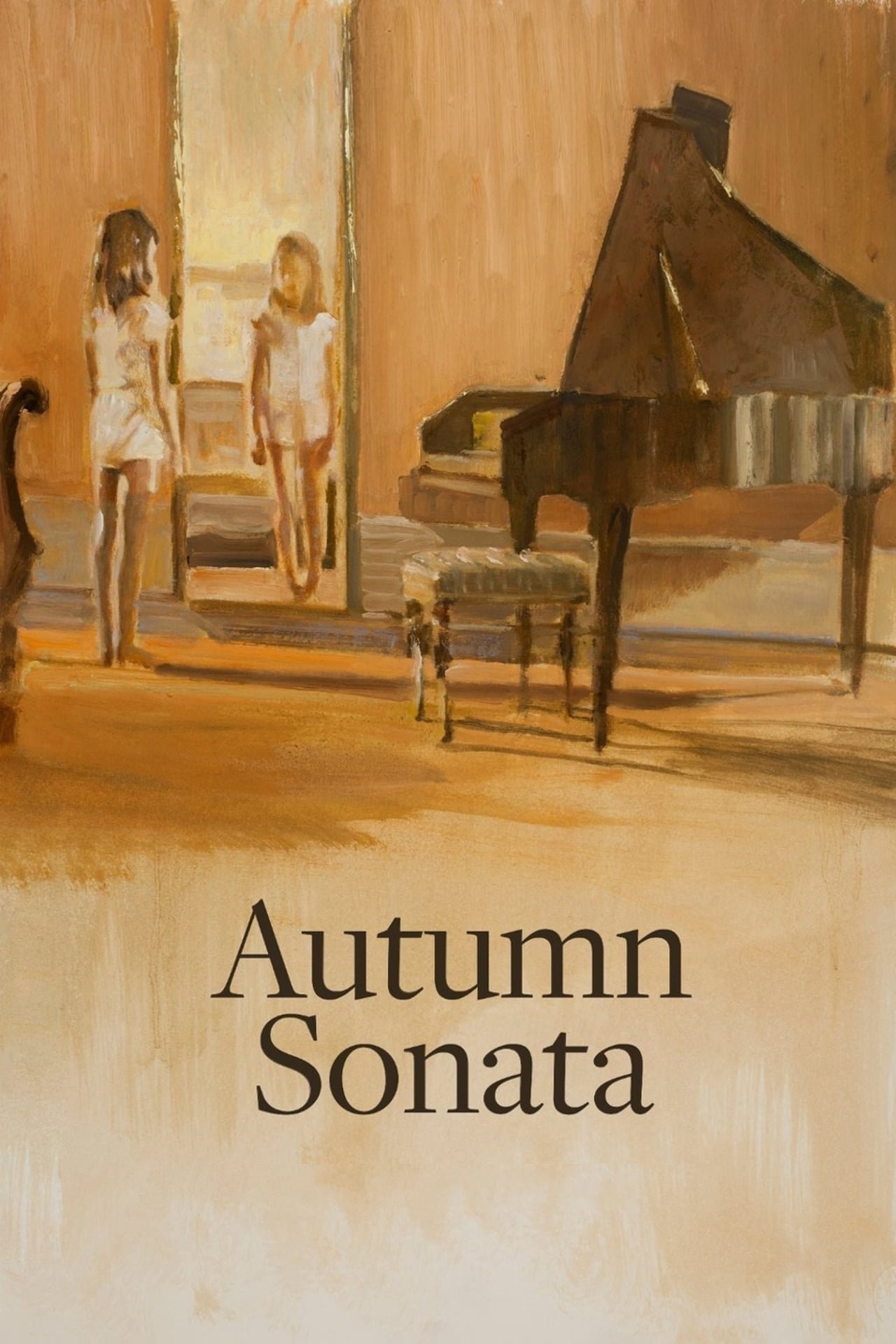
What the Film Is About
The first time I watched Autumn Sonata, I was struck by a sense of emotional claustrophobia. The film, directed by Ingmar Bergman and starring Ingrid Bergman and Liv Ullmann, unfolds almost entirely within the walls of a quiet home. But the real setting, as I felt it, is the interior landscape of a strained mother-daughter relationship. Rather than a narrative driven by external events, the story feels like an exorcism of long-buried feelings—resentment, yearning, regret—brought painfully into daylight.
What resonated most for me was how the film refuses to provide easy catharsis. Instead, it forces both women—and, by extension, me as a viewer—to confront uncomfortable truths about family and identity. The emotional journey is cyclical; moments of tenderness and empathy flicker, only to be swallowed again by miscommunication and pain. Autumn Sonata is ultimately less about what happens, and more about what cannot be undone between people who have shared a lifetime of unspoken expectations.
Core Themes
Whenever I return to this film, I find myself reflecting on the profound loneliness that can exist within family bonds. At its heart, I see Autumn Sonata wrestling with the themes of emotional inheritance and the burden of unmet needs—for acceptance, for validation, for love. Through the mother Eva and her famous pianist mother Charlotte, the film explores not just parental neglect but the way love, when poorly expressed, can become a source of lifelong ache.
For me, the theme of reconciliation—both desired and denied—is central. The mother and daughter both yearn for understanding and intimacy, yet are paralyzed by pride, shame, and a history of mutual wounding. Watching this dynamic, I was reminded of how common, and how achingly human, such patterns are. No matter how accomplished or gifted we become, or how old our parents are, the quest for their approval shapes us in ways that can be subtle but enduring.
I also perceive a broader commentary on the nature of artistry and motherhood. Charlotte’s devotion to music comes at the cost of emotional presence, touching on the societal expectation that women must choose between personal fulfillment and selfless caregiving. When the film was released in 1978, these questions about women’s roles felt especially urgent, and they still have an uneasy relevance today, as society continues to debate the meaning of “having it all.” For me, the tragic inability to reconcile creative ambition with familial responsibility is one of the film’s most poignant messages.
Underlying it all is the idea of time—both as destroyer and as the fragile chance for renewal. I always notice how Bergman makes peace and forgiveness seem possible, but only if one is brutally honest, both with oneself and with others. That honesty, the film seems to say, is rare and difficult, and often comes too late.
Symbolism & Motifs
In my experience, Autumn Sonata expresses its deepest meaning through carefully chosen symbols and motifs. The piano is perhaps the clearest and most layered: it’s Charlotte’s sanctuary, her instrument of greatness, but it also becomes a symbol of distance. When the characters play, they try to find communion, yet ultimately remain islands. For me, the piano embodies both connection and division—a bridge that never quite closes the gap.
I’m always struck by how autumn itself functions on a symbolic level. The season, with its dying leaves and soft light, mirrors the characters’ emotional state: maturity tinged with decay, beauty cast in a plaintive, elegiac hue. The autumnal imagery in Bergman’s film is never just decorative. Instead, it presses on the characters, reminding them—and me as an observer—of mortality, of lost opportunities, of the bittersweet nature of aging and memory. The title is a promise and a warning all at once.
The use of close-ups, a classic Bergman device, adds to the claustrophobia I first sensed. Faces fill the frame so completely that every twitch, every tear, feels monumental. These visual choices aren’t just for intensity; they symbolize the way the characters are forced to see one another, stripped of pretense. In this way, I think the film confronts the unbearable intimacy of familial confrontation: nowhere to hide, nothing left to soften the edges of hurt.
Echoes of religious imagery—subtle, but powerful—also leave their imprint on my reading. Charlotte’s detachment at times feels almost monastic, and Eva’s confessions echo prayers for absolution. Yet, unlike a traditional confessional, forgiveness is uncertain, grace is elusive. The film hints at spiritual longing without delivering salvation, reinforcing its tragic vision of human effort and frailty.
Key Scenes
Key Scene 1
One of the most indelible moments for me is when Eva and Charlotte sit side by side at the piano. They play Chopin together—first mother, then daughter—each interpreting the same piece in radically different ways. The scene is a wordless conversation about longing and rivalry, about inheritance not just of talent but of insecurity. In Eva’s tentative notes and Charlotte’s calculated flourishes, I hear years of unspoken comparison and aspiration. This is where the film’s central conflict comes alive: art as both gift and weapon. For me, this sequence distills the film’s message about how love and harm can emerge from the same source.
Key Scene 2
Another crucial turning point occurs during the late-night confrontation between mother and daughter. In a raw and relentless outpouring, Eva lists her remembered pains—her mother’s absenteeism, her own lifelong ache to be noticed. Charlotte, caught between defensiveness and remorse, finds herself unable to erase the past. This is not a scene of melodramatic breakdown, but of two people forced into honesty. When I watch this, I’m stirred by how the film portrays confession not as a quick release, but as the beginning of a new struggle: after the truth, what next? In the stark lamplight, I feel the possibility of reconciliation, always undermined by habit and fear.
Key Scene 3
The film’s emotional climax, for me, lands quietly rather than explosively. As morning breaks, and Charlotte prepares to leave, what passes for resolution is maddeningly ambiguous. Eva attempts a letter, seeking forgiveness and offering it in turn. Charlotte, reading it from afar, is left suspended in uncertainty. I see this not as failure, but as a hard-won honesty—the recognition that some wounds will never fully heal, and that peace, if it is to be found, is fragile and provisional. The ambiguity of this final exchange encapsulates, to my mind, everything that is mature and real about the film. It understands that forgiveness is not an endpoint, but a process, forever unfinished.
Common Interpretations
As I’ve discussed this film over the years—with fellow critics and with ordinary viewers—I’ve realized that its meaning is never fixed. Many see it as a searing meditation on the inevitability of parental failure: that to be a parent, and to be a child, is to inevitably hurt and disappoint each other, despite our best intentions. Others focus on the theme of artistic sacrifice, reading Charlotte as a stand-in for every creator torn between public acclaim and private commitment. In that reading, the film becomes a kind of cautionary tale about the costs of ambition.
I’ve also heard, and sometimes felt myself, that Autumn Sonata is fundamentally about loneliness—the kind that can exist even (or especially) within family. Eva and Charlotte are never more alone than when they are in each other’s presence. For some viewers, this is a bleak vision, but I find it bracingly honest. We often talk about family as a natural source of comfort; Bergman reminds me that it can also be the site of our deepest isolation.
There’s a more hopeful interpretation, too, which I find compelling. In exposing their grievances, the characters at least make a start toward understanding. The film doesn’t promise resolution, but it honors the courage required simply to speak aloud what hurts us. I think of this as the film’s gift: it validates the longing for connection, even if fulfillment is never assured.
Films with Similar Themes
- Cries and Whispers (1972) – I’ve always connected this earlier Bergman work for its unsparing look at familial pain among sisters. Both films examine suffering within the intimacy of a home, using silence and confession to probe what binds and divides us.
- Terms of Endearment (1983) – While lighter in tone, this American film explores similar territory: the push and pull of mother-daughter relationships, the tension between judgment and understanding, and the enduring ache of unresolved love.
- The Piano (1993) – Jane Campion’s film offers a subtle echo of Autumn Sonata through its use of music as a metaphor for emotional expression, as well as its attention to the divided female self—torn between duty, passion, and speechlessness.
- Pieces of a Woman (2020) – In this more recent work, I see a contemporary update of Bergman’s questions: how grief refracts through generations, how mothers and daughters struggle to articulate pain and forgiveness in the wake of trauma.
For me, Autumn Sonata ultimately communicates that the heart of the human struggle lies not in heroic achievement, but in the mundane, never-complete work of understanding those closest to us. It is an unflinching look at the limits of love and the persistence of longing, set against the irrevocable passage of time. Coming out of the tumultuous social changes of the 1970s, with new conversations about women’s roles and the complexities of the private self, I see the film as both a record of its era and a timeless mirror for any age.
To explore how this film has been judged over time, consider these additional viewpoints.