
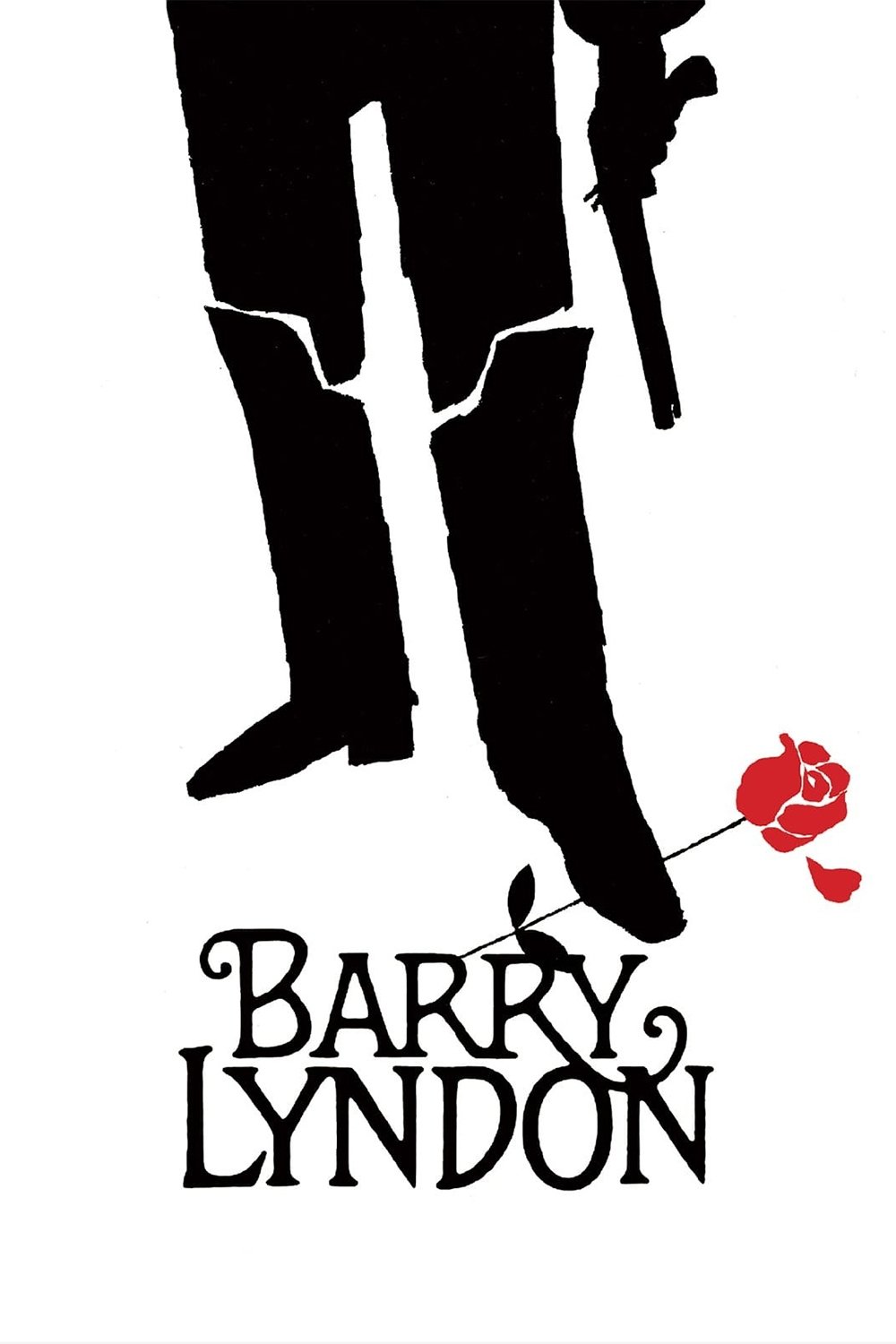
What the Film Is About
Whenever I return to “Barry Lyndon,” I’m overwhelmed by its haunting portrait of an outsider chasing after a version of life that always hovers just beyond his grasp. For me, this film isn’t just about an ambitious social climber in 18th-century Europe; it’s about longing — that ache for status, love, and a sense of belonging that seems to define Redmond Barry’s rise and inevitable fall. I see it as a meticulously orchestrated meditation on pride, loss, and the fragile charade of appearances. Every languorous shot and stately tableau isn’t simply beautiful aesthetic; each one feels like a window into the aching loneliness beneath the opulence.
At its emotional core, I’ve always felt that the film traces the journey from innocence and youthful romance to cynicism and disillusionment. Barry’s transformation — from vulnerable young man to hardened climber and finally to a hollow shell of his former self — resonates for me as an allegory of ambition devouring the very humanity it promises to exalt. Watching this story unfold, I’m left with the lingering sense that the real conflict is never just class or fortune, but the quiet devastation wrought by yearning for what can never truly be possessed.
Core Themes
What captivates me most about “Barry Lyndon” is its deep interrogation of fate versus free will. I find myself asking, with each rewatch, whether Barry is a true architect of his destiny or merely a pawn in a world rigged against the likes of him. There’s a relentless tension in the film between the individual’s desperate attempts to shape his own fate and the indifferent, often cruel hand of history and circumstance. Kubrick’s icy detachment only heightens my sense that lives, however grand in ambition, may actually be governed by forces beyond control or comprehension.
Another theme I keep returning to is the corrosive nature of social aspiration. I see Barry’s journey as a cautionary fable about the emptiness at the heart of a society obsessed with status and display. The more Barry schemes, manipulates, and betrays, the less he seems connected to anything real — a tragedy that feels incredibly modern despite its period setting. Even love, in this film, becomes another form of currency, something to be leveraged rather than celebrated. In capturing this cold transactional universe, Kubrick reads society’s hierarchies not merely as historical fact but as a persistent, timeless malaise — a system that devours outsiders even as it seduces them.
I’m always struck by the film’s meditation on time and impermanence. Every tableau, lit like a painting that will soon fade, reminds me that all human endeavor—ambitious or mundane—ultimately dissolves in the face of mortality. Released in the mid-1970s, a time when old certainties and social orders were unraveling, “Barry Lyndon” felt like a dirge for any age’s illusions of permanence. Watching now, I sense how relevant its themes remain, as modern audiences confront their own anxieties about identity, mobility, and the cost of chasing status in societies ever more defined by spectacle and surface.
Symbolism & Motifs
I’m endlessly fascinated by the recurring motifs that saturate “Barry Lyndon.” The predominant visual device, to my mind, is that of the painting brought to life. Nearly every shot is composed as a living portrait, evoking not just the opulence of 18th-century aristocracy but also the static, suffocating rules of that society. The characters, posed artfully behind candlelight or framed within rooms of cruel symmetry, strike me as frozen — not just by the painter’s brush or Kubrick’s lens, but by the script of fate itself. These “tableaux vivants” aren’t mere flourishes; they drive home the idea that everyone in this world is trapped by the roles they’re expected to play.
Another motif that stands out for me is the pervasive use of narration. The voiceover isn’t simply exposition; to my ear, it’s the voice of fatalism, coolly recounting what has happened and what will inexorably come to pass. This constant return to destiny — to inevitability, almost like a Greek tragedy’s chorus — makes me feel that Barry is doomed long before he is ruined. The recurring duels, with their ritualistic violence and formality, crystallize this sense for me: they are both a symbol of personal rivalry and a grim reminder that violence and downfall are built into the rules of the game for anyone who dares to reach above their station.
I also find the motif of mirrors and doubling quite profound in this film. Whether it’s literal mirrors reflecting Barry’s vanity or figurative “mirrors” in the form of parallel lives (his son, his rivals), Kubrick gently mocks the illusion that social mobility can truly change the essence of a person. For me, every repetition, every echo of character and circumstance, points to the futility of Barry’s quest to rewrite his story: he just keeps seeing new versions of his earlier self, as if history is fated to repeat no matter how furiously one struggles otherwise.
Key Scenes
Key Scene 1
For me, the duel between Barry and Captain Quin early in the film is a crucial prism for understanding the film’s worldview. On the surface, it marks Barry’s break from home and the society in which he was raised. But emotionally, it feels less like an act of heroism and more like an initiation into the arbitrary codes of masculinity and honor that dominate his world. This is the first moment I register Barry’s fate as being bound to a system larger than himself — a system where violence is ritualized, choice is illusory, and individuality is subsumed into history’s relentless churn. The way Kubrick stages the duel, with chilly detachment and almost comical formality, renders the violence both absurd and inevitable.
Key Scene 2
The courtship and marriage of Lady Lyndon is, for me, the film’s emotional and thematic axis. What might have been depicted as the triumph of love is drained of all romantic sentiment, replaced by a mechanical series of glances, negotiations, and silent exchanges. This scene always strikes me as an exquisite metaphor for how social climbing hollows out personal relationships. The camera lingers not on intimacy, but on formality—the gloved hands, the orchestrated rituals, the voyeuristic eyes of society bearing silent witness. I can’t watch it without feeling the immense cost of forging connections purely for advantage: love itself is a sacrifice to the greater god of status. This is where I most clearly feel the film’s challenge to notions of authenticity, inviting me to question how often love — or any feeling — is genuinely expressed rather than performed for the benefit of others.
Key Scene 3
The final duel between Barry and Lord Bullingdon encapsulates, for me, the futility and tragic repetition that haunt the entire film. At this point, everything Barry has worked for has crumbled, and the cycle of violence comes full circle. Kubrick’s handling of the scene—with its aching slowness, muted fear, and ritualistic cruelty—feels like a requiem for not just Barry, but the very idea that anyone can outplay fate or escape the consequences of ambition. The outcome, brutal yet oddly bloodless in its inevitability, brings me back to the notion that every attempt to transcend our circumstances comes at a cost. Watching Barry’s physical and symbolic dismemberment, I’m left with a deep sense of loss — not just for the character, but for all those who chase illusions at the expense of real connection.
Common Interpretations
In conversations with critics, fellow viewers, and in the writing that surrounds “Barry Lyndon,” I’m always struck by how many read the film as a cold depiction of fate and the emptiness of social climbing. Many, like me, see Kubrick’s approach as intentionally antiseptic, driving home the point that the trappings of civility and wealth mask a profound moral bankruptcy. There is a prevailing interpretation that the film is a dark satire — a critique of a society so obsessed with rules and appearances that it cannot see the suffering behind the masks.
Others I know interpret the film as a lament for the individual crushed by history. They emphasize the narration and stately pacing as reminders that, no matter our actions, we are all subject to forces indifferent to our desires. For photographers and artists I’ve discussed the film with, “Barry Lyndon” is often lauded for its painterly aesthetic, and many see that as an allegory for the gulf between life and art — how efforts to immortalize ourselves ultimately fail to stave off decay.
Yet, there are subtle divergences among critics. Some detect a glimmer of empathy for Barry — a reluctant, tragic hero whom Kubrick regards with wary compassion, even as he judges him. Others still focus on the gender dynamics, seeing Lady Lyndon’s voicelessness and Barry’s commodification of love as a critique not only of class structures but also of the patriarchal order. What unifies these readings, in my experience, is a deep unease about the cost of ambition and the unknowable weight of time, themes that “Barry Lyndon” renders with a rare, chilling clarity.
Films with Similar Themes
- The Leopard (1963) – I find Visconti’s classic kindred to “Barry Lyndon” in its elegiac meditation on social change and the beautiful but doomed rituals of a fading aristocracy.
- A Clockwork Orange (1971) – I see Kubrick observing the relationship between fate, violence, and society’s attempts to condition the individual; both films share a fascination with the futility of rebellion within rigid systems.
- The Age of Innocence (1993) – Scorsese’s adaptation explores the ways in which passion and individuality are constrained by the invisible machinery of upper-class codes, much like Barry’s world of appearances and empty ceremony.
- The Remains of the Day (1993) – This film, for me, resonates by examining how loyalty to tradition and the pursuit of dignity can lead to profound personal loss within hierarchical, emotionally sterile environments.
Reflecting on “Barry Lyndon,” I’m repeatedly moved by its eloquent indictment of social ambition and the illusions of self-invention. The film seems to say that, for all our striving, we remain at the mercy of forces larger than ourselves: history, class, and the inexorable passage of time. It’s a film that reminds me just how much we are shaped — and sometimes deformed — by the world we inherit and the masks we wear. In the end, what lingers for me is not just the tragedy of one man’s rise and fall, but a timeless warning about mistaking the glitter of success for genuine fulfillment.
After learning the historical background, you may also want to explore how this film was received and remembered.