
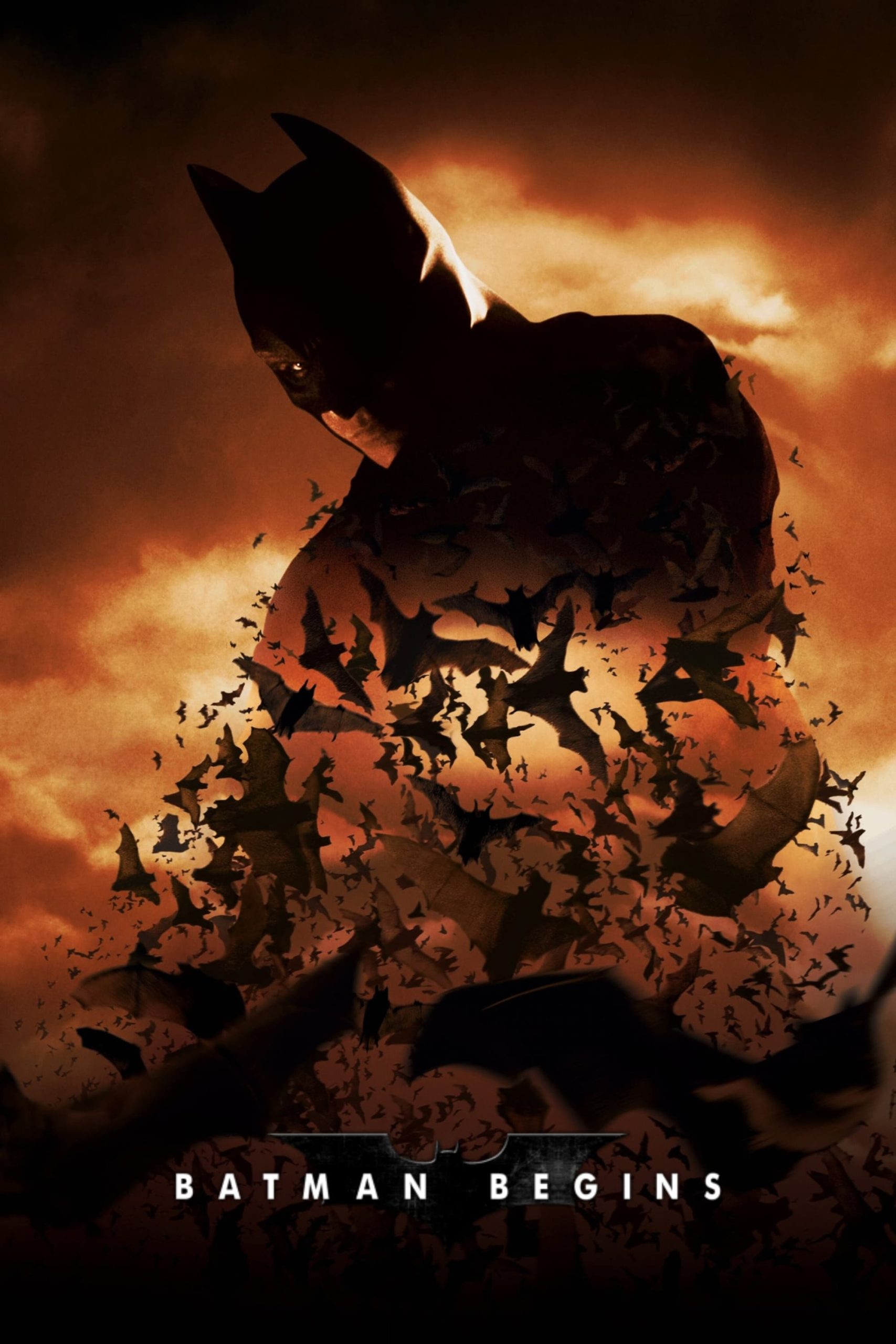
What the Film Is About
The first time I watched “Batman Begins,” I was struck by how it refused to treat heroism as something simple or inevitable. Unlike so many superhero films content to dazzle with costumes and gadgets, I felt this movie burrowed into the emotional turbulence and existential anxiety behind Bruce Wayne’s transformation. For me, it’s a film about fear, guilt, and the forging of identity when everything familiar has been shattered. The central journey isn’t about Batman saving Gotham, but about a damaged person facing the void inside him and deciding what shape his future—and his moral code—will take.
What I found most compelling is the relentless tension between chaos and order, both in Bruce’s psyche and on Gotham’s streets. The emotional core, as I experienced it, is Bruce Wayne’s struggle to reconcile his anger at a corrupt world with the hope that one person can still make a difference. This is less the story of a caped crusader, and more the story of a soul grasping for meaning in the aftermath of trauma and loss.
Core Themes
When I reflect on “Batman Begins,” the themes that rise into view for me are fear, the burden of legacy, the nature of justice, and the possibility for transformation—both personal and societal. What makes these themes resonate so powerfully, especially in the early 2000s, is how they mirror a broader cultural anxiety after a time of global uncertainty and increased skepticism toward traditional symbols of power.
As I see it, the film relentlessly interrogates the question: What do we become when we let fear rule us? Fear is both Bruce’s enemy and his teacher. I was genuinely moved by how his internalization of fear—of crime, failure, the death of his parents—becomes the crucible that purifies him. The film doesn’t present fear as something to be crushed or eradicated; instead, I felt it encourages a different relationship with fear, one where vulnerability is acknowledged and then channeled into purpose.
Justice, for me, is the film’s most provocative obsession. Bruce Wayne stands at a crossroads between revenge and something far more nuanced—a self-imposed mission to transform his grief into social good, even if he cannot fix his own brokenness. Is justice punitive, or is it corrective? This question echoes throughout the film, and I find the refusal to give a simple answer is one of its greatest strengths.
Identity and metamorphosis are equally vital. I think “Batman Begins” explores how the masks we wear can be both prisons and pathways to freedom. Bruce’s journey is a meditation on what it takes to reinvent oneself in the ashes of tragedy. At the same time, the film asks whether true change can ever extend beyond the personal to remake a corrupt society. In 2005, as in every era, these questions struck me as pressing: Can flawed individuals—and failing institutions—redeem themselves? “Batman Begins” takes pains to show that the pursuit matters, even if perfection remains out of reach.
Symbolism & Motifs
Every time I watch “Batman Begins,” I’m pulled toward its dense web of symbols and motifs, which continually deepen the film’s core explorations. Bats, for example, are an obvious but multifaceted symbol—I see them not just as Bruce’s phobia, but as an embodiment of the darkness he must accept within himself in order to be whole. He doesn’t choose a symbol to project fear onto others until he learns to accept and internalize it first. Bats are both terror and transformation—a duality that shapes every significant choice Bruce makes.
The motif of masks plays a crucial role. I interpret the many faces Bruce wears—not just the cowl, but the mask of a careless billionaire—as an exploration of duality in all of us. These masks both hide and reveal; they are mechanisms of survival and self-expression. When Bruce is forced to jettison one mask for another, I’m reminded how much identity itself is an ongoing performance, and how the act of masking can sometimes become more genuine than what is underneath.
Water and decay flow through the film as ever-present reminders of Gotham’s rot. The constant rain and the oppressive gloom suggest to me a world drowning in corruption and neglect. The decaying architecture—Wayne Manor in ruins, the derelict Narrows—make the stakes alive and visceral. It’s an environment perfectly calibrated to nurture despair, and yet, these very elements forge the grit required for renewal.
I also find the recurring use of the phrase “Why do we fall?” especially poignant. It becomes a mantra that reframes failure not as an end, but as an essential step toward responsibility and resilience. This motif stretches far beyond Bruce’s personal story; for me, it signals a larger truth about the necessity of learning from defeat, a lesson that applies as much to societies as to individuals.
Key Scenes
Key Scene 1
There’s a moment early on when Bruce, disguised and emotionally raw, confronts the mobster Carmine Falcone in a dimly lit bar. I always think of this as a turning point—not for any explosion or twist, but for what it reveals about Bruce’s state of mind. Standing exposed and stripped of all privilege, Bruce is face-to-face with the embodiment of Gotham’s vice. The humiliation and impotence he feels are palpable; I experience this as the low point that strips away any illusions he has about easy answers. This confrontation, steeped in fear and disappointment, crystallizes the film’s assertion that it is only by confronting powerlessness head-on that any real strength can be born. To me, this is where Bruce realizes he cannot fight darkness with brute force or inherited wealth; he must craft himself into something profoundly different.
Key Scene 2
Midway through the film, Bruce emerges from the Batcave as Batman for the first time, confronting both criminals and police with a new, uncompromising identity. The scene is staged less as a triumph than a rite of passage; there’s frustration, improvisation, and raw uncertainty. What I find so meaningful here is the way the film undercuts the myth of instant heroism. Instead, it asks: What does ‘living your legend’ actually require? Watching Bruce navigate this unveiling—terrified but resolute—I sense the film reminding us that meaningful change demands more than grand gestures; it requires sacrifice, relentless discipline, and the courage to stand alone. This sequence, in my eyes, is not about spectacle as much as the internal transformation required for any real confrontation with evil, within and outside the self.
Key Scene 3
Near the film’s conclusion, Bruce chooses to let Wayne Manor burn—a deliberate act of letting go that I interpret as laden with symbolism. Destroying the ancestral home is a rejection of the past’s suffocating grip and a statement of intent to build something new out of ruin. I’m always moved by the emotional cost of this choice; it’s not just a tactical necessity but a psychological rebirth. In that blaze, I see a metaphor for all acts of renewal that demand destruction of the old self—or broken social structures—before anything hopeful can be constructed. This scene resonates as the film’s final thesis: we cannot return to innocence, but by accepting loss and embracing responsibility, we can create the conditions for possibility.
Common Interpretations
When I discuss this film with others or read critics’ reviews, I notice a few interpretations rise above the rest. Many agree that “Batman Begins” is a meditation on trauma and the long, twisting process of healing. Both critics and audiences often see Bruce’s journey through anger, guilt, and self-discovery as a powerful metaphor for overcoming loss and mounting injustice in a hostile world.
Another widely shared perspective is that the film serves as a modern parable about vigilantism and the limits of both law and individual heroics. Some critics focus on how the story reflects anxieties about post-9/11 security and the temptation to rationalize violence in the name of a greater good—while also recognizing that the film itself complicates any simplistic reading of justice. I have met viewers who argue the film justifies extralegal action, but I find it far more ambiguous, consistently pressing its hero to temper vengeance with compassion.
There’s also rich debate around the duality of Bruce Wayne and Batman. Does the mask liberate the man, or imprison him further? Some feel the film warns against living behind armor, emotional or otherwise, and I am deeply sympathetic to this view. For others, the mask is the only honest self Bruce has. Both readings, I think, are valid, and that ambiguity is what has helped “Batman Begins” endure—allowing viewers to find their own anxieties within its frames.
The film’s legacy is not just as superhero fare, but as a mythic exploration of how people confront the abyss and choose, day after day, to rise. In that sense, it’s less about saving Gotham and more about refusing to let one’s wounds define the rest of their life.
Films with Similar Themes
- Spider-Man (2002) – I see a direct connection in the way both films focus on the aftermath of trauma and the ethical struggles of their protagonists. Like Batman, Peter Parker is motivated by guilt and loss, wrestling constantly with what it means to use power responsibly for the greater good.
- V for Vendetta (2005) – This film, released the same year, interrogates the line between justice and vengeance, and challenges viewers to consider how far one should go to confront corruption and authoritarianism. Both works grapple with masks as both shields and symbols of deeper truths.
- The Dark Knight (2008) – The sequel to “Batman Begins” dives even deeper into chaos, moral ambiguity, and the brooding psychological aftermath of vigilantism. Watching these back-to-back, I notice how the first film’s questions only deepen and darken in the face of new, more terrifying antagonists.
- Unbreakable (2000) – For me, this film offers a similarly sober take on the superhero origin, centering the narrative less on spectacle and more on the quiet, painful realization of purpose in a broken world. It, too, poses hard questions about identity, destiny, and the cost of embracing one’s gifts.
Ultimately, what I carry away from “Batman Begins” is its honest reckoning with brokenness—individual and societal. For all its stylized gloom and mythic overtones, I feel it’s deeply humane in its belief that pain can be transformed into resolve rather than surrender. The film captures a world teetering between hope and disintegration, and insists that rising from the ashes is a decision made not just once, but every day. Watching it, I’m reminded that real heroism doesn’t lie in superhuman feats, but in the relentless, stubborn act of trying to make suffering matter—for oneself and for the world that remains possible, if not redeemed.
To explore how this film has been judged over time, consider these additional viewpoints.