
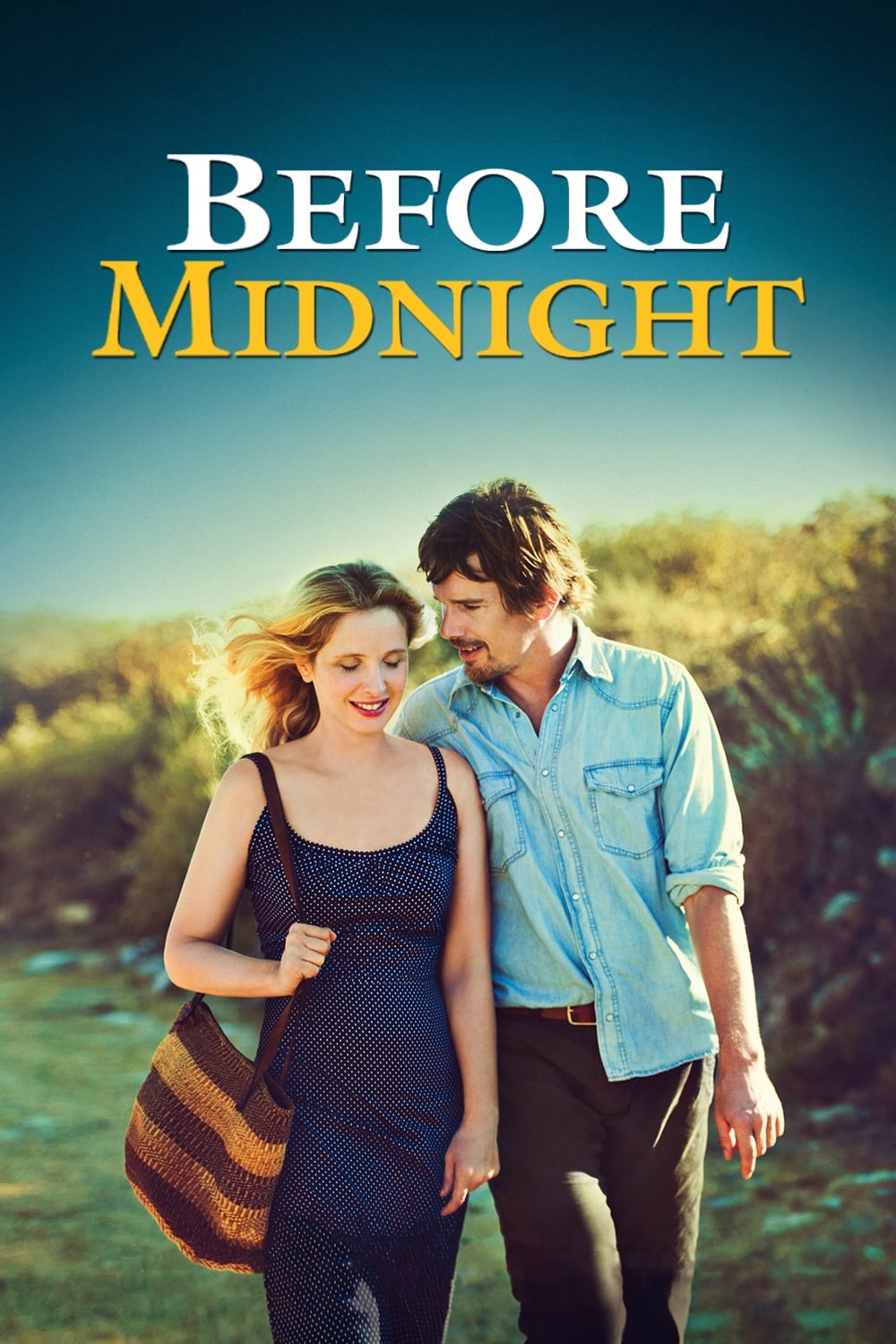
What the Film Is About
When I think back on my first experience watching Before Midnight, I remember being struck less by its plot than by the utterly disarming honesty with which it handles the lived reality of long-term love. Unlike most romantic films that trace the origin story of passion, this film asks me to consider what remains after years together—when the heat of romance matures into something both more complicated and, at times, more threatening. The emotional journey isn’t about new love, but the fierce, even desperate search for connection within familiarity. What unfolds is the intimate battle between expectation and disappointment, desire and resentment, hope and compromise—all filtered through the verbal sparring of two people who know each other intimately and sometimes painfully well.
Rather than a tidy narrative arc with catharsis at its conclusion, I found the film’s direction circling around the churning, unresolved questions of commitment. It’s anchored in conversation, revealing how the very act of talking—negotiating, accusing, reminiscing, joking—becomes the last tenuous thread tying Jesse and Celine together as they navigate the shifting landscape of midlife partnership. The central conflict is not external drama but whether their shared history and unvarnished honesty are enough to sustain love in the real world of aging, parenthood, regret, and compromise.
Core Themes
What resonates most sharply with me about Before Midnight is its devotion to the unsettling truths behind lasting love. The central idea, as I perceive it, revolves around the navigation of intimacy over time. The film doesn’t simply explore romantic love, but the persistence of love after illusions are shattered. What does affection look like when it is tired, quick-tempered, vulnerable, and at times, brutal in its honesty?
Much of the emotional weight, for me, lies in its examination of identity—how we lose and find ourselves within a relationship. Jesse and Celine are not the same dreamers they once were; instead, the film presents their evolving selves juggling personal desires with the demands of partnership and parenting. There’s an underlying tension between loyalty to each other and the pull of individual longing, a motif that echoes the broader existential anxiety of growing older. I see the film actively pushing against the myth of “happily ever after,” insisting that love is an ever-renegotiated contract, prone to fracture but also capable of being reimagined.
The film’s release in 2013 felt especially timely to me, as many around me were reckoning with the gap between romantic ideals and lived experience. Even now, its themes remain urgent as relationships are reshaped by shifting expectations about identity, gender, and fulfillment. Before Midnight endures because it understands—without sentimentality—that love, in its truest sense, is a daily act of will, self-reflection, and forgiveness.
Symbolism & Motifs
I’m always fascinated by how Before Midnight uses recurring motifs to reinforce its core questions. For one, the Greek landscape is more than a picturesque setting; it feels to me like a living metaphor for the remnants of the couples’ romantic optimism. The ruins and sun-drenched vistas, beautiful and weathered by time, mirror the way Jesse and Celine’s relationship has been shaped and eroded by years of shared experience. The ancient surroundings seem quietly to whisper about endurance and decay, their enduring beauty laced with ghosts of what once was.
Time itself is an ever-present motif—clocks, references to the children growing older, and subtle dialogue cues that remind me of the passage of years. I interpret this as a visual and thematic thread: the idea that moments—both joyful and painful—are fleeting, and yet have cumulative power. The motif of walking and talking, carried over from the previous films, retains its place, but it takes on a heavier resonance here. It suggests that while movement is possible, forward motion is always shadowed by the past being dragged along.
I’m also struck by the motifs of doors, corridors, and thresholds that appear throughout the film. They aren’t just physical, but symbolic invitations to cross into new emotional territory or shut oneself away. The hotel room, in particular, becomes a kind of battlefield, a liminal space where the future of the relationship is decided. Each threshold crossed—both literally and emotionally—requires a kind of courage that the film quietly honors.
Key Scenes
Key Scene 1
For me, the dinner scene with friends and acquaintances stands out as a crucial turning point. Here, amid the warmth of shared food and rumination on love, fidelity, and the passage of time, I see Jesse and Celine’s relationship placed in sharper relief by its juxtaposition with others. The conversation opens up generational perspectives on romance, revealing just how unique and yet universal their struggles are. I find it to be an emotional foreshadowing of the honesty to follow; it’s a rare space where the characters (and by extension, myself) are invited to examine deeply held beliefs about lasting partnership, vulnerable in the presence of others. For me, this scene establishes the film’s willingness to explore not just individual perspectives, but the collective anxieties that shape intimacy in contemporary life.
Key Scene 2
The walk to the hotel, laden with playful banter and underlying tension, gradually morphs into a raw dissection of unhealed wounds and unmet expectations. What strikes me is how the veneer of humor and flirtation peels away, giving way to deeper conflict. This isn’t merely a lovers’ spat, but an unraveling of the stories they’ve told themselves—and each other—about what their lives should have been. I find this scene both exhilarating and excruciating because it doesn’t allow either character, or me as a viewer, to retreat into easy nostalgia. The ideas of regret, aging, compromise, and resentment emerge with increasing force. The dynamic interplay of affection and bitterness, honesty and defensiveness, exposes the complexity of loving another person over time. In my view, the emotional escalation here pushes the film’s central themes to their breaking point.
Key Scene 3
The aftermath of the hotel confrontation, set outdoors as dusk deepens, serves as the film’s emotional and philosophical coda for me. Watching Jesse attempt to broker a fragile peace with Celine, uncertain whether love can truly survive the wounds revealed, I feel the full existential weight of the story. The scene’s power lies in its refusal to provide closure—it asks if reconciliation, however imperfect, is possible after such vulnerability has been exposed. For me, this is the film’s definitive statement: love, with all its bruises and failures, continues only when both partners choose—again and again—to reach out across the divide. The open-ended nature compels me to reflect on the labor of forgiveness, the patience and humility needed to truly know and be known by another, and the radical act it takes to keep showing up for someone, even after illusions are lost.
Common Interpretations
Over time, I’ve encountered a variety of perspectives on what Before Midnight is “really about.” Many critics, and I count myself among them, see it as a sober meditation on marriage and the aftermath of romance. Unlike the fairy tale notion of finding one’s soulmate, it treats mature love as a volatile mix of compromise, honesty, and daily recommitment. For some, the film is almost unsparing in its realism, and I’ve heard interpretations that describe it as even cynical—a love story stripped bare of fantasy where self-interest and resignation may outweigh idealism.
Others, though, find a quiet optimism beneath the turbulence. I’ve had conversations with people who see the film as an affirmation of enduring love, precisely because it doesn’t flinch from conflict. To them, the choice to stay—despite disappointment, anger, and the fear of mediocrity—is a hopeful one. In my own viewing, I find myself toggling between these interpretations. The beauty of the film, as I see it, is in refusing easy answers; it embodies the truth that love itself is always subject to interpretation, shaped by one’s own fears and aspirations. I’ve also noticed that the film provokes different reactions depending on life stage; younger viewers often see their own anxieties about the future reflected, while older audiences may feel the sting of recognition and regret.
Films with Similar Themes
- Scenes from a Marriage (1973) – I’m reminded of Bergman’s searing portrait of a couple’s evolving relationship, which similarly dissects marriage’s private agonies and persistent yearning for connection over decades.
- Blue Valentine (2010) – The film’s intimate, raw portrayal of love’s disintegration echoes the honesty I admire in Before Midnight, examining the incremental shifts that can erode even the deepest passion.
- Marriage Story (2019) – I see a profound resonance in how both films navigate the trenches of partnership, spotlighting the collision of love, resentment, and individual growth as relationships confront change.
- Two for the Road (1967) – Stanley Donen’s film charts the arc of a marriage across years, mirroring the motif of journeys, shifting perspectives, and the bittersweet interplay of memory and hope.
What I ultimately take away from Before Midnight is a rare honesty about the evolution of love. It’s a film that refuses tidy resolutions or sentimental endings, and in doing so, becomes a profound reflection on what it means to persevere. The anxieties, debates, and fleeting moments of tenderness between Jesse and Celine offer not just a portrait of one couple, but a mirror for my own uncertainties about partnership, forgiveness, and the ceaseless search for meaning in human connection. Released at a time when modern relationships face shifting expectations and pressures, its impact lingers precisely because it asks me, as a viewer, to sit with the ambiguity and bravery of loving another person for the long haul—flaws, wounds, and all.
After learning the historical background, you may also want to explore how this film was received and remembered.