
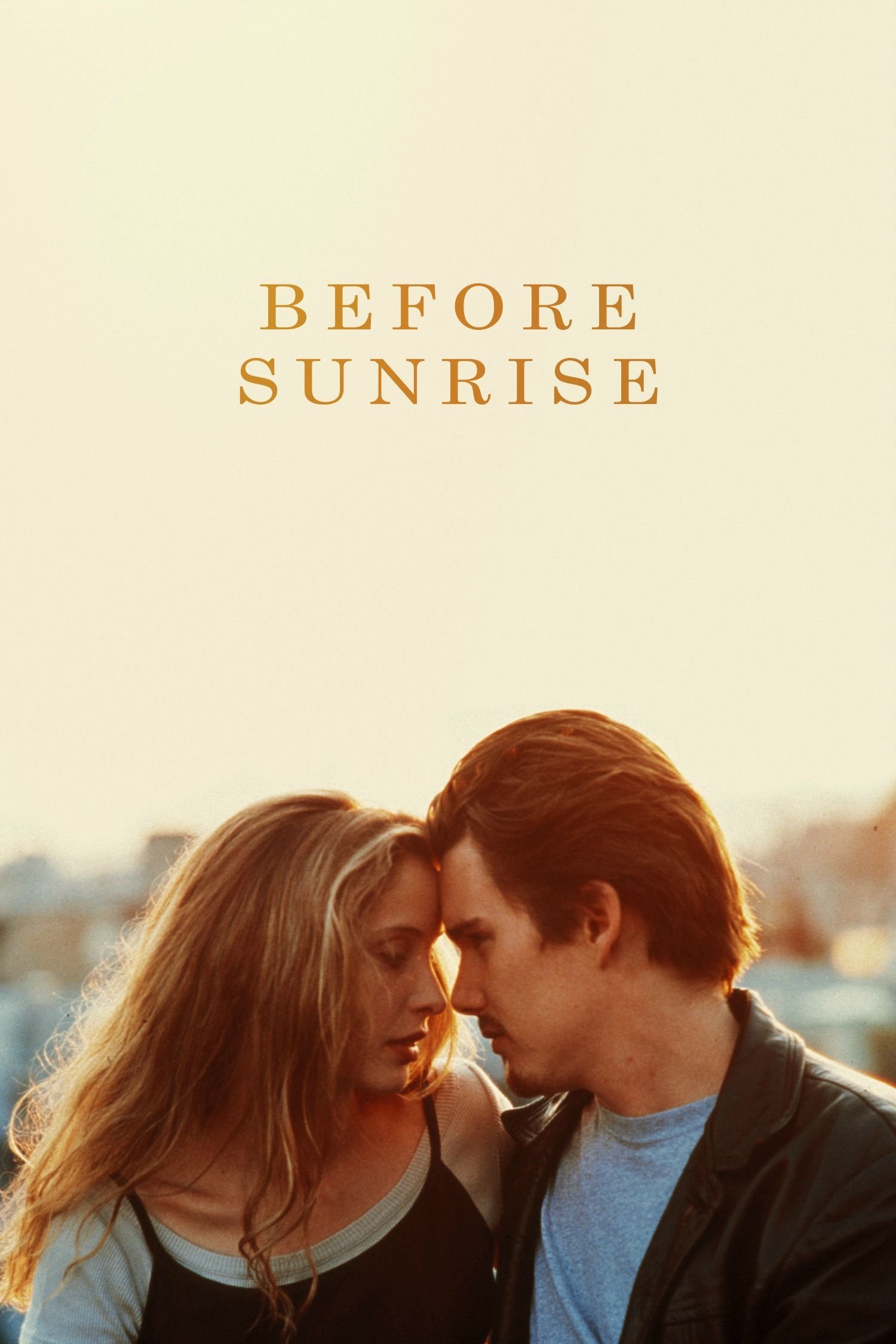
What the Film Is About
I remember the first time I watched “Before Sunrise,” and how oddly restless I felt after it ended. The film didn’t simply follow two strangers wandering through Vienna; it felt like an ode to those rare nights when the universe grants a pause from the routines of life and allows serendipity to take charge. For me, the heart of the film lies in its elastic, unhurried rhythm—two people, Jesse and Céline, immerse themselves in conversation, testing the boundaries of vulnerability and possibility. Their brief encounter, suspended between arrival and departure, quietly underscores a universal tension: the hunger for connection versus the demands and uncertainty of time.
What I found most striking was the emotional balancing act the characters perform. Both yearn for intimacy but fear its consequences, each hedging ever so slightly with irony, humor, and self-doubt. The entire story pulses with the sense that something precious and fragile is unfolding—something that’s meant to be temporary, precisely because of its intensity. It’s less about a traditional conflict and more about the emotional gamble of opening up to a stranger, risking not just rejection, but also the knowledge that even the most meaningful encounter might be fleeting, never to be recaptured.
Core Themes
The longer I reflect on “Before Sunrise,” the more I see it as a meditation on impermanence and the possibilities hidden within ordinary moments. For me, the film’s central theme is the transformative power of genuine human connection. It doesn’t just romanticize love; instead, it interrogates how two disparate lives might momentarily align, allowing for revelation, healing, and growth—if only for a handful of hours. The narrative asks whether a singular encounter, stripped of guarantees, can leave a permanent mark.
I also read the film as a challenge to cynicism. Released in the mid-1990s, during an era of mounting skepticism and postmodern doubt, “Before Sunrise” dared to suggest that communication—deep, searching conversation—was both radical and sustaining. The film’s ethos seems at odds with modern technology and disconnection. It captures a pre-digital longing for authentic communion, offering viewers a glimpse of what it means to genuinely listen, to risk being seen, and to construct meaning collaboratively, word by word. Even today, when algorithms manage so much of our social experience, I think the urgency of these themes hasn’t faded. If anything, the intensity of Jesse and Céline’s connection feels sharper, more essential, in the current climate of short attention spans.
Another undercurrent that keeps drawing me back is the film’s exploration of existential uncertainty. The characters talk around the idea that life’s meaning is elusive, their stories revealing a quiet dread of regret, missed chances, and the limitations of language. They wonder aloud about fate and randomness, exposing a vulnerability that, for me, transcends romance and bleeds into questions of identity and philosophy. The enduring relevance of these preoccupations lies in the film’s refusal to offer closure. It mirrors the uncertainty and hope that define so many young adulthood experiences, but also resonates with viewers who have felt, at any age, the thrill and terror of a wide-open night.
Symbolism & Motifs
When I look closely, “Before Sunrise” is a tapestry woven from recurring symbols and gentle visual motifs that shimmer just below the surface. The city of Vienna itself becomes more than a backdrop; it operates almost as a third character, embodying the film’s sense of strangeness and potential. To me, the city’s winding streets, ancient architecture, and public spaces reflect both Jesse and Céline’s unfamiliarity with each other and their receptiveness to surprise. Walking—with all its unpredictable turns and pauses—serves as an ongoing metaphor for discovery and vulnerability.
One motif I find especially poignant is time, represented by clocks, train schedules, and the mounting pressure of sunrise. There is always an undercurrent of transience, losing time as they gain intimacy. These symbols enforce the bittersweet tension between the characters’ desire to fully inhabit the present and their awareness that each new moment brings them closer to parting. The approaching dawn is not just a physical marker; to me, it brings an existential weight, inviting the audience to consider their own choices about how to spend—and savor—limited time.
I’m also captivated by the motif of listening and being listened to. The scenes are saturated with attentive silence, where the absence of words is as charged as the dialogue itself. In my interpretation, these moments amplify the risks and rewards of real communication: the possibility of misunderstanding, the fleeting clarity of perfect understanding. Even the minor characters—a poet, a fortune teller, a bartender—function as mirrors, briefly reflecting the couple’s hopes and anxieties. Their presence reinforces the film’s suggestion that every passing encounter, no matter how small, contains a fragment of meaning.
Key Scenes
Key Scene 1
The listening booth scene in the record store stands out vividly in my mind. Jesse and Céline slip a record onto the turntable and settle into the booth—suddenly their playful banter gives way to a fragile, electric silence. I see this moment as central to the film’s meaning: rather than words, it’s their shared gaze and the tension in their body language that expresses everything they’re afraid to say. For me, this is where the boundaries between stranger and companion blur. It’s a wordless acknowledgment that sometimes connection isn’t achieved through dialogue, but through shared vulnerability, where physical proximity forces each character to confront the risk of being truly seen. This encounter crystallizes the idea that meaning isn’t just constructed verbally, but also felt in gestures and silences.
Key Scene 2
I often return to the palm reader scene for its symbolic resonance. The fortune teller offers Céline a hopeful reading, and Jesse—skeptical, rational—almost scoffs. Yet I detect a deeper nervousness beneath his dismissive veneer: the fear of being taken in by hope, of surrendering to the unknown. This scene feels pivotal because it surfaces their opposing attitudes toward fate and agency. Céline welcomes the ambiguity and magic; Jesse clings to skepticism as armor against disappointment. This encounter, for me, throws their differences into sharper relief, while also exposing the hunger for reassurance that both characters carry. It reminds me that faith—in destiny or in others—can be both a comfort and a risk. Their reactions to the fortune teller echo the film’s central question: Is connection a matter of chance, or is it chosen?
Key Scene 3
The film’s ending in the early morning, as Jesse and Céline walk back to the train station, is the moment that lingers most for me. Their promise to meet again, left suspended without exchange of contact information, is both maddening and achingly perfect. The emotional punch derives not from what is said, but from what is left unsaid—the weight of uncertainty, possibility, and melancholy that now hangs over their future. I interpret this as the film’s philosophical signature: a refusal to offer neat resolution, an insistence that meaning arises as much from absence as from presence. Their farewell isn’t closure, but an invitation—for themselves and for us—to face the world with tenderness, courage, and a willingness to embrace the unknown.
Common Interpretations
Over the years, I’ve encountered a spectrum of interpretations regarding “Before Sunrise.” Many critics celebrate it as an anti-romance romance, a story that honors the unpredictability and awkwardness of real intimacy while subverting familiar tropes of soulmates and happily-ever-afters. The film’s minimal plot, lack of dramatic conflict, and emphasis on conversation are often seen as deliberate choices meant to foreground the beauty of transient connection. I see this reading reflected in the careful way director Richard Linklater demystifies romance, showing love not as destiny but as a deliberate act of attention and openness.
Others focus on the film’s philosophical ambitions. I’ve read arguments that place “Before Sunrise” within the tradition of existential cinema, suggesting it’s more about how we search for meaning in a world filled with uncertainty than about romantic love per se. This camp points to the characters’ musings on death, memory, and regret—moments where the film veers into metaphysical territory. I tend to agree that the story operates as a kind of didactic experience: watching Jesse and Céline is like watching ourselves struggle with the impermanence of joy and the limits of knowing another person.
Some viewers stress how cultural context shapes their interpretation: the mid-’90s were a moment when skepticism toward grand narratives and the search for authenticity were both in vogue. The film’s pace and structure—a single night, no dramatic climax—mirror the uncertainties and possibilities of a postmodern era. From my perspective, the film remains relevant precisely because it refuses easy answers and resists commodified notions of what love should look like.
Among audiences, I often hear longing for closure: Did Jesse and Céline ever reunite? Were the risks they took justified? But I’ve always felt that the lack of resolution is the point. The ambiguity reflects the real-world stakes of vulnerability and connection. By refusing to clarify their fate, the film implicates us in its final gamble. We are left to wonder, to hope, to revisit our own memories of fleeting connection—all of which keeps the film alive every time I watch it.
Films with Similar Themes
- Lost in Translation – I’m drawn to this film’s exploration of brief, transformative encounters between strangers adrift in a foreign city. Like “Before Sunrise,” it uses liminal spaces and understated dialogue to spotlight how fleeting relationships can generate profound emotional impact.
- Her – Spike Jonze’s story grapples with intimacy in a digital age and explores how genuine connection can be found, and lost, in unexpected ways. I see clear echoes of “Before Sunrise” in its longing, its vulnerability, and its refusal to offer easy solutions to loneliness.
- In the Mood for Love – Wong Kar-wai’s meditation on missed opportunities and the pain of restrained desire resonates deeply with me. The film’s focus on small gestures, memory, and unsaid words channels the same aching impermanence I find in “Before Sunrise.”
- Once – This musical drama about two musicians sharing a brief connection in Dublin reminds me of Jesse and Céline’s journey. Both films suggest that some relationships exist only to transform us, their value undiminished by their brevity.
When I think about what “Before Sunrise” ultimately says about human nature and the era in which it was made, I keep coming back to its invitation to cherish uncertainty. The film resists the urge to pin down meaning or to offer tidy explanations for why we seek out others. Instead, it insists that meaning emerges not just from grand gestures or lifelong commitments, but from the willingness to remain open—to let a real conversation, or even an ordinary night, become transformative. For me, “Before Sunrise” stands as an enduring reminder that the richest parts of life are not always planned or permanent, but discovered in the most unlikely places, if only we are prepared to listen.
To explore how this film has been judged over time, consider these additional viewpoints.