
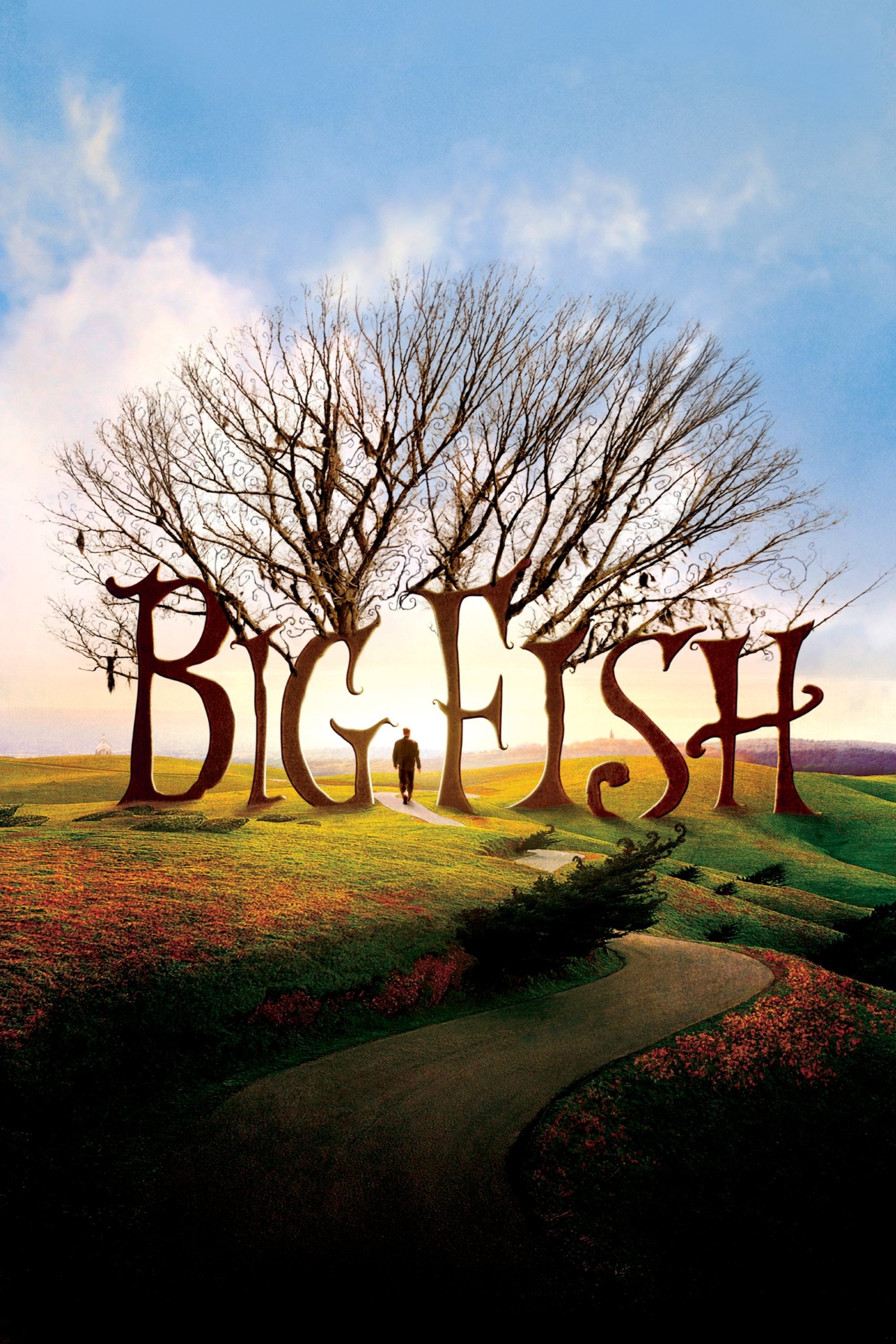
What the Film Is About
When I first experienced “Big Fish,” I found myself swept into a visceral journey of wonder and longing—far more than a fantastical adventure or straightforward family drama. The heart of the film, for me, is its dance between fact and fiction, between the stories we tell and the realities we live with. Beneath its enchanting veneer, I encountered a meditation on the bittersweet relationship between a son desperate to understand his father and a father who defines himself through grand, perhaps impossible, tales.
Rather than simply recounting events, “Big Fish” invites me to grapple with the nature of memory, identity, and reconciliation. The emotional journey unfolds as a quest for truth: not just factual truth, but the elusive, emotional truths that shape our connections. I felt deeply the film’s pull between skepticism and faith—between the skeptical son, seeking fact, and the dying father, holding fiercely to myth. What emerges is less about who was right and more about what we gain or lose when we try to pin down the truth about those we love.
Core Themes
As I reflected on “Big Fish,” it became clear that the film is an extended meditation on the tension between myth and reality. The more I dwelled on its story, the more I recognized how storytelling, in this film, isn’t just entertainment—it’s a crucial mechanism for coping, connecting, and making sense of a messy, finite human life. The movie delves into the power of stories, inviting me to question: do the facts ultimately matter, or is it the emotional wisdom, the intention behind the tales, that carries meaning?
Central to my interpretation is the theme of reconciliation and understanding across generations. Watching Will strive to uncover the “truth” about his father, I saw a reflection of a wider cultural anxiety—our impulse to demystify the previous generation, to nail down our origins with certainty. At the same time, I was reminded of how mythmaking and embellishment are often tools for emotional survival, a way to transform the mundane or frightening into something magnificent or bearable. For me, the film’s insistence that there is dignity and purpose in exaggeration is both poignant and subversive.
Another core theme I see is mortality and the yearning for immortality—not in the literal sense, but through legacy and memory. Edward Bloom’s tall tales are, ultimately, efforts to transcend the limitations of a single, ordinary existence. In telling his own legend, he becomes larger than life, securing—at least in my eyes, and in his son’s—the kind of immortality reserved for heroes and parables. Released in 2003, as society grappled with an era marked by skepticism, familial shifts, and the confusing blur between fact and fiction in the media, these themes felt uncannily resonant. They continue to matter, perhaps even more, in our current age of blurred realities and personal mythmaking through social media.
Symbolism & Motifs
Watching “Big Fish,” I was constantly struck by how skillfully visual and narrative motifs intertwine to reinforce its underlying philosophies. Water, as one striking example, flows through the narrative as a stand-in for change, transformation, and the unconscious. Whenever water appeared—a flooded town, a river of release, the image of the titular big fish itself—I felt a subtle reminder of life’s constant movement, our inability to grasp and contain experience. For me, water in this film was both literal and metaphorical: it signified both birth and death, cleansing and erasure, beginnings and farewells.
The recurring motif of the fantastical creature—the giant, the witch, the werewolf—challenged my instinct to dismiss fantasy as mere whimsy. Instead, I found these figures emblematic of the obstacles, fears, and mysteries that compose a lived life. Each so-called tall tale emerged as its own metaphor, offering insight into Edward’s approach to hardship or loss. Rather than a literal account, I saw each creature as the embodiment of an internal dilemma or a lesson Edward wished to impart—even when his son couldn’t see it amidst the dazzling spectacle.
The daffodils are an image that lingered with me long after the credits rolled. Their bright defiance—hundreds of flowers filling a yard—felt like the ultimate symbol of love as performance, as myth made material. I read the daffodils as both a literal gesture and an emblem of devotion’s capacity to elevate the everyday. Through these motifs, “Big Fish” coaxed me into acknowledging that symbols, in stories and in life, carry the weight of what we need to believe.
Key Scenes
Key Scene 1
For me, the pivotal scene involving the circus ringmaster’s revelation stands at the emotional core of the film’s meaning. It’s here, under the big top and in the shadow of secrets, that the boundaries between truth and legend blur fully. When Edward confronts the ringmaster’s true nature, I was reminded of how every storyteller—no matter how convincing—hides their fears and frailties behind a performance. This scene isn’t about exposing a fraud; it’s about recognizing that everyone, even our parents, wears masks to both hide and reveal. The interplay of spectacle and confession captured the uneasy peace between mythologizing and vulnerability. I see this moment as a gentle nudge: the most outlandish stories often grow from slivers of aching, unvarnished truth.
Key Scene 2
Edward’s vivid retelling of his courtship—culminating in the famous daffodil proposal—anchored my understanding of the film’s exploration of love and devotion. The audacity and theatricality of planting thousands of daffodils for Sandra, while surreal, rang deeply true for me in its emotional intent. This scene demonstrates how, for Edward, love simply can’t exist without a good story—that love itself is an act of mythmaking. For Will, it’s a moment that both infuriates and ultimately educates; he wants the plain facts, but finds himself confronted instead with beauty, mystery, and a vision of feeling elevated into legend. I found myself thinking about the many ways we try to proclaim our affections, and how, in the end, grand narratives are sometimes truer than prosaic facts.
Key Scene 3
The film’s emotional climax—Will helping his father imagine his own death as a triumphant river escape—left the largest imprint on my understanding of “Big Fish.” Here, at the threshold between life and myth, the roles invert: the son completes the father’s story, not with skepticism or frustration, but with creative empathy. It’s a final, transformative act that upends their dynamic; Will chooses to accept—indeed, co-create—his father’s mythology. For me, this synthesis is the film’s ultimate message. Acceptance isn’t passive; it’s an act of love and understanding. The turning point is not about resolving what is “true” but about honoring the ways meaning is constructed between generations. In this scene, I recognized that narrative is a bridge, not a wall, between individual perspectives.
Common Interpretations
In discussing “Big Fish” with other viewers and reading critical perspectives, I’ve noticed recurring interpretations that often echo my own thoughts, though never in quite the same register. A dominant reading frames the film as a paean to imagination—a celebration of the transformative, healing power of stories in family life. Many see Edward Bloom’s tales not as evasions but as a form of legacy, a gift meant to shelter loved ones from the disappointments of everyday reality. This interpretation often interprets the son’s skepticism as youthful rigidity, softened over time by exposure to wonder and empathy.
Others, though, take a more ambivalent view: they suggest the film is, at heart, about the casualties of mythmaking. In this camp, Edward’s fanciful tales function as barriers, preventing true intimacy with his son. The stories are beautiful, yes, but also isolating at times, denying the next generation access to genuine connection. I sometimes feel this tension, especially during Will’s most frustrated moments—there’s a real ache to the idea that spectacle can sometimes serve as a shield, keeping others at arm’s length.
Still another perspective focuses on the film’s treatment of legacy. For these viewers, the meaning of “Big Fish” lies in the paradox that our lives—however grandly or simply lived—can only be known through the retellings of those who survive us. Our memories and myths merge, and in the end, the truth is refracted through the prism of collective need. This reading resonates deeply with me; it’s not simply about making peace with parents, but also about accepting that all human understanding is a collaboration—a tapestry woven from love, absence, and the stories we choose to preserve.
Films with Similar Themes
- The Fall (2006) – I find “The Fall” thematically kindred: it, too, uses fantastical storytelling as a means to process trauma, connect across divides, and shape subjective realities.
- Big Fish & Begonia (2016) – This Chinese animated film mirrors “Big Fish” in its interplay between folklore and the personal search for meaning, using mythic journeys to illuminate family and identity.
- Secondhand Lions (2003) – I see a shared fascination with elderly storytellers, the blurred boundaries between truth and fable, and the way legends can both inspire and mystify younger generations.
- Life of Pi (2012) – Ang Lee’s adaptation also probes the ambiguity and power of storytelling, posing hard questions about belief, reality, and the necessity—sometimes—of embracing a version of the truth that feels more meaningful than the facts alone.
Ultimately, what I carry away from “Big Fish” is a renewed awareness of the fragile, profound forces at play in the stories we inherit, invent, and pass on. For me, the film insists that human connection is less dependent on what is “objectively” true and more on the truths we are willing to share, accept, and revise together. In the tapestry of post-9/11 anxieties, growing cultural skepticism, and a resurgence of nostalgia in early 2000s America, “Big Fish” emerged as both a tribute and a challenge: asking me to consider when it’s better to insist on facts, and when it’s more loving, and more human, to choose the poetry of myth. It’s a call not just to remember, but to reimagine—to swim with the fish, and to see ourselves, and our loved ones, in the shifting reflections of their stories.
After learning the historical background, you may also want to explore how this film was received and remembered.