
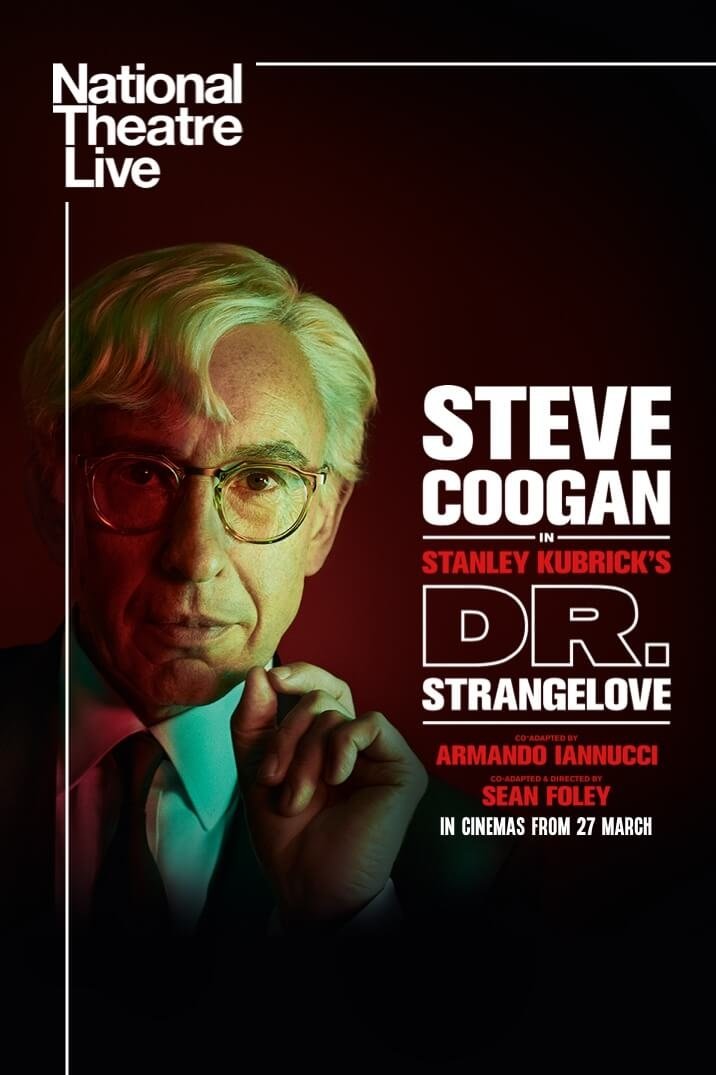
What the Film Is About
When I first watched “Dr. Strangelove,” I felt an uncanny blend of grim amusement and creeping anxiety. The film swirls through a Cold War landscape where unbridled paranoia collides with bureaucratic absurdity. What struck me most isn’t just the surreal escalation of its central conflict—a rogue general’s actions triggering potential nuclear apocalypse—but the way the characters desperately cling to routines and doctrines even as the world teeters on the edge of annihilation. The film, to me, is an exploration of how institutions and individuals react when faced with the unimaginable, and how the absurdity of their reactions reflects a deeper absurdity within the systems themselves.
Navigating “Dr. Strangelove” feels like being swept into a black comedy where every laugh lands with the uncomfortable knowledge that the joke is on us. Emotionally, I found the journey deeply unsettling, not because there’s any obvious monstrous villain, but because each player is hopelessly trapped by bureaucracy, ideology, and their own egos. The narrative direction keeps tightening the noose, heightening my sense that humanity—despite all its cleverness and safeguards—is always just one blunder away from disaster. The real conflict isn’t merely nation versus nation, but reason against folly, and collective survival against individual delusion.
Core Themes
On my journey through “Dr. Strangelove,” what kept echoing in my mind was the film’s relentless interrogation of power and madness. Power in this world isn’t just about position or weapons; it’s the terrifying weight of men’s egos, allegiances, and fears. That’s why I see the film as a wild, satirical mirror held up to the existential dread of the atomic age—a moment when the fate of millions could be decided by the whims and errors of a few. The film’s dark humor exposes how childish posturing and impersonal systems become inseparable, even as the stakes escalate to utter devastation.
I’ve always been haunted by how the movie navigates morality under pressure. Characters find themselves sliding from bureaucratic caution to desperate justification of the unthinkable. Their actions are often shrouded in the language of duty and survival, yet it’s painfully clear to me that boundaries of right and wrong become blurred or meaningless when existential fear takes over. This nuanced take on morality—so relevant during the Cold War—feels equally urgent today, when ideologies and technologies still threaten collective catastrophe.
Another core idea in “Dr. Strangelove” is the illusion of control. The military protocols designed to maintain peace only serve, ironically, to hasten chaos. Watching this play out, I often reflect on how systems meant to contain threats can become threats in themselves, especially when they’re too rigid or too reliant on fallible leaders. This theme strikes a chord for any era: even in moments of confidence and progress, our finest intentions may harbor the seeds of disaster.
For me, what gives the film enduring bite is its satire of masculinity and authority. Every key player seems to hide behind uniforms, titles, or bravado, but their decisions are guided by anxiety and posturing far more than rational debate. Men sit at the table, summon impressive jargon, and plan the logistics of annihilation—yet the absurdity is always foregrounded. The world on the screen is one where intellect and expertise can be sabotaged by irrationality, personal vendettas, or sexual insecurity. These themes rung loudly in the 1960s, but remain eerily relevant in a world still shaped by ego-driven conflicts.
Symbolism & Motifs
The film is a masterclass, in my view, in using symbols and motifs to reinforce its critique. The most obvious symbol—that of the nuclear bomb itself—becomes a dark parody of ultimate power, both seductive and uncontrollable. I find the bomb’s presence throughout the film isn’t just technological, but psychological; it shadows every conversation and becomes an icon of humankind’s delusions of control.
Machines and technology—radios, computers, bombers—recur as motifs that initially promise order but rapidly tip into chaos. To me, these are never mere set dressing. They reflect how, as our tools become more advanced, our margin for error narrows to nothing. The absurd complexity of the war room, contrasted with the primitive motives and prejudices of its occupants, reminds me how human flaws are embedded in even the most rational-seeming systems.
I’ve been especially transfixed by the recurring imagery of men isolated in their machines—pilots in cockpits, generals barking orders to disembodied voices—suggesting emotional and ethical detachment from the consequences of their choices. This isolation, physical and moral, is intensified by the darkly comedic motif of the War Room itself: a place built for dialogue, yet filled with mutual suspicion and miscommunication. For me, the room’s circular table and harsh lighting evoke a surreal theater of power, where posturing matters more than problem-solving.
Finally, the motif of bodily fluids, invoked both literally and metaphorically, encapsulates the film’s fixation on paranoia and sexual anxiety. Whether it’s General Ripper’s obsession with “precious bodily fluids” or the sexual undertones coursing beneath the surface hostility, these motifs point to deeper anxieties about masculinity, potency, and vulnerability—a rich undercurrent I found both hilarious and disturbing.
Key Scenes
Key Scene 1
The sequence that has always stayed with me is General Ripper’s monologue about his obsession with fluoridation and “purity of essence.” This scene isn’t just about one man’s madness; it distills the danger when delusion and authority intertwine. As I listen to Ripper, I hear an echo of every leader throughout history who dressed up personal fears as patriotic crusades. It’s a chilling illustration of how systems designed for collective safety can become avenues for disaster, once unchecked paranoia is given unchecked power. Emotionally, the scene left me unsettled—not because Ripper is so bizarre, but because everyone around him is ultimately powerless to stop him. In that moment, the film’s black comedy becomes a tragic meditation on the outsized influence of singular, unstable actors.
Key Scene 2
The frantic debate in the War Room, especially the absurd confrontation between President Muffley and the Soviet Ambassador, drives home the film’s central themes with a satirical edge. What always comes through to me is how spectacle, pride, and petty suspicion overwhelm the practical purpose of dialogue. As these men attempt to avert catastrophe, posturing and distrust take precedence over collaboration. The infamous line, “Gentlemen, you can’t fight in here! This is the War Room!”, always strikes me as a perfect encapsulation of the movie’s worldview. Here, the theater of diplomacy collapses into farce, showing that our most serious settings are just as prone to absurdity as the world outside. The scene challenges me to reflect on whether our institutions—no matter their seriousness—are fundamentally equipped to meet the threats they face, especially when ego gets in the way.
Key Scene 3
The film’s final montage, with iconic footage of mushroom clouds set to the haunting strains of “We’ll Meet Again,” presents, to my eyes, the ultimate dark punchline. After all the elaborate plans and desperate negotiations, the end is nearly serene, even beautiful—until its horror registers. This ending, which spirals from absurdity into apocalypse, lands for me as a devastating statement on the thin membrane separating civilization from chaos. In those closing moments, the film’s meaning crystallizes: despite our ambitions, gadgets, and grand pronouncements, destruction can still arrive with tragic swiftness and utter finality. The emotional power of this scene comes from its bitter irony—the idea that human folly, dressed up in rational clothing, can end the world all the same.
Common Interpretations
From what I’ve engaged with over years of reading criticism and debate, most see “Dr. Strangelove” as a savage satire of Cold War brinkmanship. To many critics, the film is a lampooning of military and political arrogance, exposing the senselessness of nuclear deterrence through wild exaggeration and darkly comic logic. I tend to agree, but I also sense an undercurrent of personal tragedy: the realization that, under stress, even the most rational-seeming people may revert to aggression and delusion.
Some interpretations zero in on the film’s sexual and psychological comedy—emphasizing how nearly every action, from the bomb’s design to the character’s language, is laced with phallic, masculine anxiety. This lens deepens my appreciation for the film’s critique of power: it’s not just geopolitics at stake, but egos, bodies, and a desperate attempt to assert control.
Others—especially those who lived through the atomic age—have seen Strangelove as a warning, a grim prediction rather than a caricature. Fans of Stanley Kubrick often underline the existential reading: humankind invents tools it cannot master, and the only logical endgame is self-destruction. For me, the richness of the film is its ability to entertain all of these readings at once. Few films hold up such a cracked mirror to the ambitions and neuroses of society.
Films with Similar Themes
- Fail Safe (1964) – I’m always struck by how “Fail Safe,” released the same year, mirrors Strangelove’s subject matter but plays it straight: a horrific accident threatens all-out nuclear war, without a touch of humor. Both films force me to grapple with the limits of human control, but where Strangelove laughs nervously, “Fail Safe” chills in deadly earnest.
- Wargames (1983) – Watching “Wargames,” I’m reminded of Strangelove’s warnings about automation and system errors. Here, a teenager nearly triggers Armageddon through a computer game—again, the supposed infallibility of machines gives way to existential threat, reminding me of our continued vulnerability to our own technologies.
- Network (1976) – I connect Network not through nuclear anxieties, but through its scathing satire of institutional madness. Like Strangelove, it pits the logic of systems (in this case, television) against messy human passion and insanity, laying bare how easily the machinery of society can become the machinery of self-destruction.
- Catch-22 (1970) – Whenever I watch Catch-22, I sense the same looping absurdity and existential cynicism that define Kubrick’s film. Both adapt black comedy to military settings, using humor to critique the inhumanity of rigid rules and the insanity of war.
Ultimately, the thing that resonates most for me after countless viewings is that “Dr. Strangelove” demands I look inwards—at the alluring confidence of systems, at masculine bluster disguised as leadership, at the gnawing fear that the things we create to protect us might become the engines of our undoing. The laughter it evokes is inseparable from dread; its satire slices through assurance and calls out the persistent fragility of order. When I step away from the film, I feel like I’ve been handed a warning, packaged as comedy but delivered with deadly seriousness—that the real horror isn’t that these characters are foolish, but that they’re recognizably human.
After learning the historical background, you may also want to explore how this film was received and remembered.