
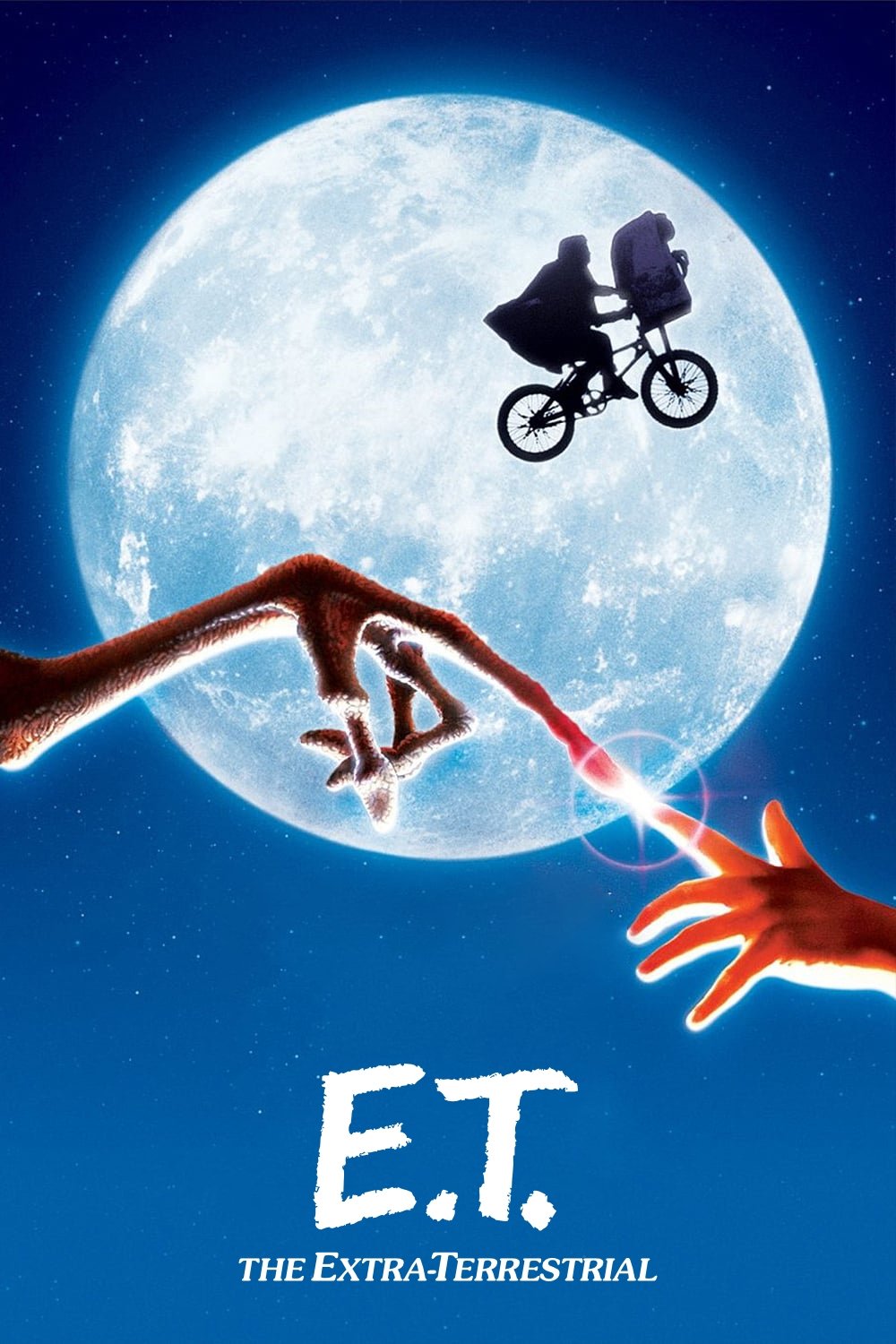
What the Film Is About
I’ve always felt that E.T. the Extra-Terrestrial is less about outer space and more about the mysterious terrain of being young and feeling alone. At its core, the film orbits around a child’s aching loneliness and his desperate hope for understanding—reaching for something or someone to make sense of a world that often seems bewildering and strange. The heartbeat of the narrative is the emotional bond between Elliott, an isolated boy, and E.T., a lost creature from another planet. This extraordinary friendship becomes a refuge, a lifeline, and ultimately a profound catalyst for transformation in both of their lives.
As I watch the film, I never see just a science fiction adventure. What strikes me is the raw vulnerability of each character—human and alien alike—as they search for connection and acceptance. The tension comes not from external threats alone, but from the collisions between innocent curiosity and the suspicion or fear of the adult world. The entire story, in my eyes, is a journey toward empathy, belonging, and the rediscovery of wonder in the face of loss and uncertainty.
Core Themes
For me, the film’s central themes settle into a few resonant chords: empathy, alienation, childhood innocence, and the costs of growing up. Whenever I revisit it, I’m struck by how deftly it weaves these ideas through both its gentle moments and its terrors. The film invites me to remember what it was like to be a child—how vivid, confusing, and emotionally charged everything felt before cynicism set in. Elliott’s yearning for someone to understand him reflects a universal human need, one that transcends the specifics of suburban life or even this world.
Empathy is everywhere in this film, radiating from Elliott’s tearful eyes to E.T.’s tentative, glowing finger. The two characters become psychically linked, literally feeling each other’s pain and joy. For me, this is more than a clever narrative device; it’s a manifesto for compassion, suggesting that to truly know another being is to open oneself up to their experience. It’s a plea, really, for a world where difference doesn’t invite suspicion but connection.
There’s also a palpable sense of alienation—on both sides of the encounter. E.T. is marooned, bewildered by human customs, afraid and isolated. Elliott, meanwhile, feels estranged within his own home, adrift after his parents’ separation. The convergence of these two lonely souls seems to argue that alienation is a fundamental condition of existence but also something that can be bridged, if we’re brave enough to reach across boundaries.
In the early 1980s, when the film was released, American culture was wrestling with rapid technological change, divorce rates were rising, and the Cold War stoked fears of the ‘other.’ Watching today, I see how those anxieties pulse beneath the surface. And yet, in a time when social fragmentation and suspicion seem perpetual, the film’s insistence on empathy feels as urgent as ever. Each viewing leaves me reflecting on what it takes to preserve one’s innocence and openness in a world that constantly pressures us to harden ourselves.
Symbolism & Motifs
It’s impossible for me to watch E.T. without noticing how visual motifs ripple through its fabric. The most obvious, perhaps, is E.T.’s glowing heart—a literal beacon, pulsing with life and love. This isn’t just science fiction spectacle. For me, the heart stands in for all that is good and compassionate within us, the soft spot that persists even when the world is cold or confusing. Its glow is a visual shorthand for hope, and it flares brightest in moments of genuine connection.
Bicycles are another motif that always captures my imagination. They’re not only practical escapes, but symbols of childhood freedom, unburdened imagination, and the possibility of transcendence. The film’s most iconic image—E.T. and Elliott silhouetted against the soaring full moon—feels like a wishful leap beyond the constraints of the everyday. I’ve always read this as a moment of pure magic, but also as a metaphor for what empathy and trust can achieve: the ability to soar beyond what we think is possible.
Even the recurring motif of government agents in shadow, with keys jangling, carries symbolic weight. These faceless adults, half-glimpsed and often reduced to a set of objects (like keys or flashlights), represent, to me, the intimidating forces of authority, secrecy, and adult rationality. They are the unseen powers that hover at the edge of every child’s world—uncomprehending, sometimes threatening, usually well-intentioned but incapable of seeing as children do. In contrast, the film bathes scenes between the children and E.T. in warmth and intimacy, highlighting the blinkered view of those who have lost the ability to believe or empathize.
Light and color consistently shape my emotional response as well. Scenes at home glow with a golden, storybook warmth when the children are together, while the outside world often feels sterile, blue, and cold. These visual choices reinforce the film’s perspective: the inner sanctum of childhood is rich and alive, while the adult world has forgotten how to see magic and possibility.
Key Scenes
Key Scene 1
If I had to choose a single moment that crystallizes the film’s meaning for me, it’s the first honest, wordless exchange between Elliott and E.T. in Elliott’s childhood bedroom. The scene is suffused with vulnerability. Both characters are frightened and unsure, but neither flees. Instead, there’s a tentative, outstretched hand on each side—child and alien trying to bridge the gap between their worlds. The hush, the fear, the curiosity: what I find most powerful here is the courage it takes to trust, the willingness to see another being not as a threat but as a possible friend. That act, repeated throughout the story, becomes the moral backbone of the film: real bravery is allowing oneself to care, despite risk.
Key Scene 2
The bicycle chase, which remains exhilarating every time I see it, strikes me as more than simple adrenaline. This sequence is where the film’s faith in the magic of childhood imagination is most triumphant. The kids outwit the adults, not through violence or cunning, but through unity and belief—qualities the world of grown-ups seems to have lost. When E.T. lifts them skyward, Elliott and his friends literally transcend the rules of gravity, the law, and rational explanation. I read this as a joyous assertion that there is still wonder left in the world, if only we let ourselves embrace it. The moment is both a fantasy and an argument: the full realization of every child’s wish to escape limitation, achieved not alone, but together.
Key Scene 3
For me, the most devastating and beautiful scene comes at the end, as Elliott and E.T. say their goodbyes. What stays with me is not just the heartbreak of parting, but the affirmation that real love means letting go. E.T. tells Elliott, “I’ll be right here,” touching the boy’s forehead—a gesture of spiritual, mutual recognition. It’s a lesson that connection doesn’t always mean presence; empathy, once established, continues to shape us long after separation. This scene distills the film’s ultimate statement: that the people (and experiences) who touch us become part of who we are, no matter the distance or loss.
Common Interpretations
Whenever I talk about E.T. with other viewers, I notice a few interpretations surfacing again and again. Many see it, as I do, as a parable of empathy and acceptance—an invitation to respond to the unfamiliar with understanding, rather than fear. This reading is easy to support, given how the film’s antagonists are less villains than adults blinded by protocol, paranoia, or the inability to see the world through a child’s eyes.
Another widespread interpretation focuses on the family dynamic, specifically Elliott’s distress over his parents’ separation. Here, E.T. is understood as a kind of surrogate sibling or emotional salve, a way for Elliott to process his own feelings of abandonment and helplessness. For some, the story reads almost like a fable about coping with divorce, loss, and the awkward terrain of growing up in a fractured home. The bond between boy and creature helps both heal.
I’ve also encountered analyses that frame E.T. as a Christ-like figure—a being who arrives from the heavens, performs miracles, dies and returns, and ultimately ascends from earth. While this reading is tempting—especially because of the film’s visual hints and allusions—I tend to see it as one layer among many, less a religious parable than an exploration of what grace and compassion look like in everyday life.
Some critics have explored the film as a Cold War allegory, highlighting the pervasive mistrust of outsiders in early-1980s America and the government’s panicked response to E.T.’s presence. I think this reading has merit, though it doesn’t fully capture the film’s intimate, emotional focus. In my view, the most enduring interpretations return to the universality of loneliness, longing, and the hunger for authentic connection—experiences that never really age, even as society evolves.
Films with Similar Themes
- The Iron Giant (1999) – Like E.T., this animated film explores the friendship between a lonely boy and a misunderstood outsider, using the bond to tackle questions of empathy, difference, and the fear of the unknown.
- Close Encounters of the Third Kind (1977) – This earlier Spielberg film is also preoccupied with contact and communication between very different beings, highlighting themes of awe, curiosity, and what unites us across vast distances.
- Pan’s Labyrinth (2006) – Guillermo del Toro’s fantasy is darker, but it resonates for me with its focus on a child’s imagination as sanctuary against the brutality of adulthood, and its conviction that innocence and belief offer forms of resistance.
- Stand by Me (1986) – Although it’s set firmly on earth, this coming-of-age tale similarly meditates on childhood friendship, loss, and the bittersweet passage to maturity, echoing E.T.’s themes of belonging and transition.
Whenever I reflect on what E.T. the Extra-Terrestrial is really trying to say, I come away thinking about the film’s confidence in the basic goodness of children and in the radical power of empathy. It suggests to me that, for all our suspicion and fear, our first instinct as humans is to reach out, to try to understand one another—even across daunting gulfs of understanding or experience. Growing up might mean coping with sadness and disappointment, but the film insists that belief, kindness, and wonder are worth holding onto. That, as I see it, is not only a vision of human nature at its best, but a gentle rebuke to a society always tempted to close itself off from what is different. Watching E.T., I feel reminded of what is possible when we dare to trust—even, or especially, when the world tells us not to.
After learning the historical background, you may also want to explore how this film was received and remembered.