
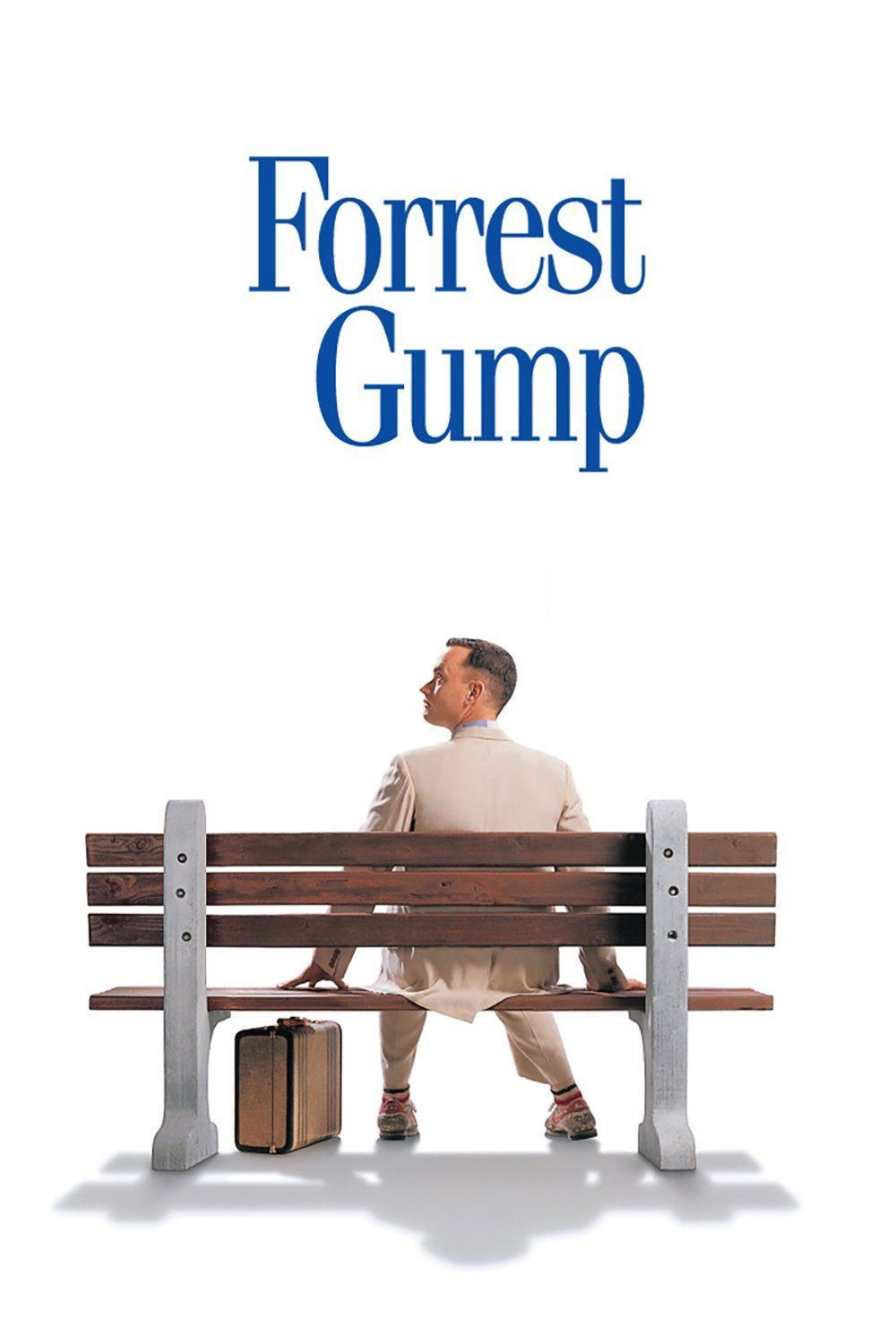
What the Film Is About
There’s something deeply paradoxical about the simplicity and complexity of Forrest Gump. When I first watched it, the emotional honesty struck me much more than the sheer unlikely series of historical events woven through the narrative. The film feels less like a recounting of a life and more like a meditation on living—a search for meaning amid chaos, loss, joy, and the inexorable march of time. At its emotional core, I see it as a story about the resilience of innocence and the murky, often elusive nature of destiny.
For me, the film’s central conflict is not just between the main character and the world that misunderstands him, but between a childlike faith in goodness and the unpredictable hardships that accompany real life. Watching Forrest move through historical and personal turbulence, I found that the film ultimately questions the very idea of what it means to live a meaningful life—wondering whether meaning is chosen, assigned, or simply stumbled upon in a world that so rarely offers clear answers.
Core Themes
When I dig into Forrest Gump, a handful of themes refuse to let go: fate and agency, the nature of love, innocence versus experience, and the value of steadfast kindness. The film’s exploration of destiny—whether life is the result of pure chance or of deliberate choices—echoes throughout every era Forrest passes through. I’m continually drawn back to the tension between Forrest’s mother’s assurance that “life is like a box of chocolates” (implying randomness) and Lieutenant Dan’s rigid belief in destiny—a debate playing out not only in their lives but in the way the film tracks American history itself.
On the subject of love, Forrest Gump traces its most profound questions through the evolving relationship between Forrest and Jenny. Seeing their paths diverge and reunite, I’m reminded how love in the film is positioned as both a sanctuary and a source of great pain. Innocence, too, emerges both as strength and vulnerability; Forrest’s naiveté keeps him true but doesn’t protect him, and watching how others react to his purity highlights the cynicism that experience often brings. The unwavering decency that he displays prompts me to ask how often our own society rewards or punishes those who refuse to play by the arbitrary rules of adulthood.
These themes resonate across generations. Released in the mid-90s, during an era of rapid technological and cultural change, the film struck a chord with audiences seeking meaning in their own quickly shifting worlds. Today, in the face of uncertainty and disconnection, I think its questions about fate, authenticity, and perseverance are as pressing as ever. The fact that the film refuses neat answers—that it finds value in the journey rather than any single achievement—feels especially honest in an age of constant self-reinvention.
Symbolism & Motifs
I find Forrest Gump to be richly laden with recurring images and patterns that give the film its emotional texture. Few symbols in modern cinema are as instantly evocative as the feather drifting through the opening and closing moments of the film. For me, the feather encapsulates the push and pull between fate and randomness, floating on the breeze, landing with casual grace in the lives of its observers. It’s Forrest’s sense of being carried along, his openness to whatever life brings, that makes this motif so resonant—and so poignant.
Running, used throughout the film, is much more than a physical act; it becomes the very metaphor for survival, renewal, and transformation. Each time Forrest runs—whether away from bullies, across football fields, or in his cross-country quest—I sense an urge to escape but also a search for purpose. The repetition of running offers a bittersweet reminder of how movement can be both freedom and exile, a path forward and sometimes a response on instinct rather than intention.
Bubba’s shrimp recipes, the disease and physical damage borne by war veterans, Jenny’s battered guitar and shifting identities—all these elements recur not just as plot details but as symbols of hope, loss, aspiration, and the search for belonging. Each one, to me, reinforces the film’s larger ideas about the accessibility of the American Dream and the silent price of chasing it. These motifs quietly build a tapestry of ordinary lives intersecting with extraordinary history, urging me to consider the cost and meaning of progress.
Key Scenes
Key Scene 1
There are few moments in the film that affect me as much as the sequence where Forrest waits by Jenny’s hospital bedside. The stillness of the room, Forrest’s silent devotion, and the awareness that their time together draws to a close bring the film’s themes into sharp relief. This quiet, unadorned scene always reminds me that love, as it unfolds in the film, is not grand gestures or impassioned speeches, but a day-by-day presence—an act of simply showing up, of holding space even when there’s nothing left to say or do.
Emotionally, this scene distills the film’s contemplation of loss and loyalty. I see Forrest’s vigil not as resignation but as grace: an unforced, unsentimental kind of love that stands in sharp contrast to the drama and upheaval of earlier scenes. Sitting with this part of the film, I’m reminded that meaning is often found not in triumph, but in the quiet endurance of care and connection even as time slips away.
Key Scene 2
The recurring flashes to Forrest’s marathon-like journeys across America left a tremendous impression on me. These sequences are so often played for spectacle—the crowds, the television cameras, the mythic stature Forrest briefly attains—but I feel their real importance is internal. Here, the film wrestles most openly with the desire to run from pain, the search for catharsis, and the ultimate landing in a place of acceptance. As Forrest says with heartbreaking directness, he just kept running “for no particular reason.”
To me, these scenes challenge the notion that every action in life must have a clearly articulated purpose. Forrest’s running becomes a challenge to the era’s obsession with success and self-definition, and I always find myself moved by the refusal to provide a satisfying answer to why he runs. It’s the rare film that lets ambiguity sit so comfortably at the center of the story, trusting that the journey, not the destination, is what matters. In that, I see a powerful statement about endurance, acceptance, and the quiet beauty of not knowing.
Key Scene 3
The closing moments, as Forrest watches his son head off to school, crystallize the film’s meaning in a profoundly personal way. I find this scene to be a gentle, bittersweet culmination—Forrest’s realization that life continues, that love can be passed down, and that time inevitably presses forward whether we’re prepared or not. As he sits on the stump, the feather floats into frame once again, echoing the unresolved dance between fate and agency that has haunted the entire film.
In this quiet farewell, I feel the film stating its final truth: that life’s joys and heartbreaks come unbidden, that the world may never quite make sense, and yet hope continues to flutter. For all its epic sweep, the film lands on an intimate note—a father’s uncertain blessing, a child’s first steps into the world. This moment doesn’t resolve the debate about meaning, but it gently affirms the value of presence, connection, and carrying forward whatever love we’re given, however fleeting.
Common Interpretations
Looking back at how audiences and critics have interpreted Forrest Gump, I’m always struck by the diversity of reactions it inspires. For some viewers, the film holds up an ideal—a portrait of goodness rewarded and innocence enduring. I often hear friends and colleagues mention Forrest’s simple honesty and resilience as proof that decency can triumph, even (or especially) in a world defined by upheaval. For these viewers, the story reads almost as a fable of American possibility, where anyone can achieve happiness or success by staying true to themselves.
Others, though, find the film more ambiguous, even troubling in its implications. The sweeping way the story connects personal destiny to historical events has led some critics to argue that Forrest Gump sidesteps the harder questions about responsibility and complicity in times of social change. There’s a reading, which I empathize with, that sees Forrest’s passivity not as virtue but as a refusal to grapple with the burdens of history—that the film glorifies “floating” through life instead of demanding that we wrestle with its injustices.
For myself, I find validity in both perspectives. I can feel uplifted by Forrest’s grace and endurance while also recognizing the underlying melancholy and sense of loss that permeates so much of the film. Rather than offering a single, tidy lesson, Forrest Gump seems to me to serve as a mirror: reflecting back whatever questions or hopes the viewer brings, asking us to look closely at the stories we tell ourselves about luck, merit, and the search for happiness.
Films with Similar Themes
- Rain Man – I see a kindred exploration of innocence, difference, and how society responds to those who don’t fit its standard molds. The film’s focus on brotherhood and understanding across divides echoes many emotional notes found in Forrest Gump.
- The Curious Case of Benjamin Button – This film also traces a life that runs counter to the expected timeline, using one unusual individual’s experiences as a lens to question fate, mortality, and meaning. The gentle melancholy and awe at the passage of time feel like spiritual siblings to Forrest Gump’s sensibilities.
- Big Fish – Here, the blending of personal history, myth, and spectacle offers a meditation on storytelling, memory, and the construction of identity. It’s the blurring of real and fantastical, much like the way Forrest Gump interlaces private storylines with public events.
- A Beautiful Mind – This film shares a focus on a misunderstood protagonist whose unconventional way of seeing the world becomes both a burden and a source of transcendence. Like Forrest’s, John Nash’s journey is one of acceptance, endurance, and finding a place in a world that cannot always understand him.
If I had to distill what Forrest Gump ultimately communicates, I’d say it’s a meditation on the unpredictable beauty and sadness of life. Watching it, I’m reminded that every human journey unfolds at the intersection of accident and intention, heartbreak and hope. The film never resolves the tension between fate and free will—indeed, it seems to suggest that life is richest when we embrace the mystery. At heart, I think it expresses a deeply compassionate belief in the power of presence, kindness, and endurance, even when the world around us offers few guarantees. The era of its making—the 1990s—was itself a crossroads of optimism and uncertainty, and I find that the emotional current of the film is as relevant now as it was then: urging us to be gentle with ourselves and with each other as we all float, sometimes aimlessly, on the unpredictable winds of change.
To explore how this film has been judged over time, consider these additional viewpoints.