
What the Film Is About
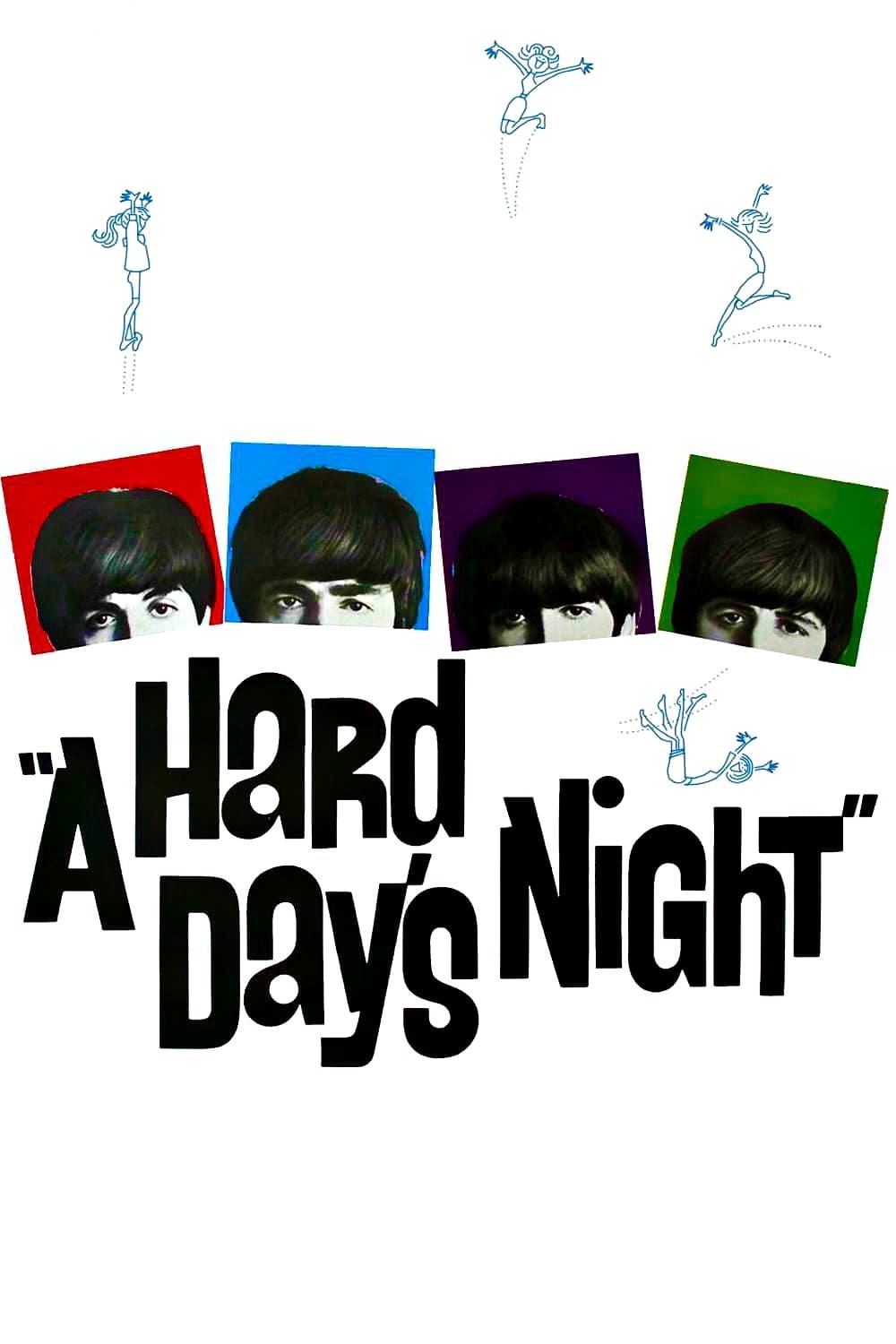
“A Hard Day’s Night,” released in 1964, transports viewers into a frenetic day in the life of the Beatles at the absolute height of Beatlemania. More than a simple chronicle of events, the film offers a playful, semi-satirical portrait of sudden celebrity, generational clashes, and the search for authenticity in a rapidly commercializing world. At its heart, the film is an emotional journey through the pressures and joys of fame, as the Beatles oscillate between exuberant self-expression and the suffocating routines demanded by their role as pop icons. The overall narrative direction is less about resolving major conflicts and more about capturing the energetic pulse of a new, youth-driven culture that refuses to be tamed by old expectations.
The central conflict isn’t villain versus hero, but rather individuality versus conformity. It’s the tension between the Beatles’ playful irreverence and the stifling machinery of show business, authority, and tradition. Along the way, moments of camaraderie, surreal humor, and fleeting vulnerability punctuate their journey, suggesting both the liberating and isolating effects of unprecedented fame.
Core Themes
One of the film’s core themes is the tension between individual identity and institutional control. The Beatles, as themselves, are portrayed as witty, rebellious, and imaginative; they are constantly finding ways to subvert the expectations of managers, the media, and society at large. Through their antics, the film investigates how young people navigate—and resist—systems designed to mold them to specific, marketable roles. This clash between youthful energy and the demands of adulthood underscores a larger cultural dialogue about generational change and the right to self-determination.
Another prominent theme is the commodification of art and personality. The Beatles are both creators and products, aware of their own “branding” yet struggling to retain their sense of spontaneity and genuineness. The film gently mocks the machinery of fame—press junkets, press conferences, marketing schemes—highlighting the absurdity of reducing rich personalities to simple promotional images. In 1964, this resonated powerfully amidst a rapidly commercializing pop culture landscape. Today, as issues of celebrity, image, and authenticity have only intensified, these themes remain enduringly relevant.
Also woven throughout is the notion of freedom—creative, personal, and social. Whether it’s a mad dash across a field or a caustic one-liner aimed at clueless authorities, the Beatles’ energy represents a joyful rebellion against stasis. The film implicitly asks whether true freedom is possible within the cycles of commercial culture, or whether rebellion itself becomes absorbed into the spectacle.
Symbolism & Motifs
“A Hard Day’s Night” is rich with recurring motifs that deepen its critique and celebration of pop culture. One significant motif is the train, present from the film’s opening moments. The train is both a literal and figurative vehicle—conveying the Beatles from one obligation to the next, but also symbolizing the relentless forward motion of their career and the unstoppable momentum of youth culture itself. Its confined compartments evoke both the band’s camaraderie and their limited privacy, mirroring their paradoxical isolation within fame.
Another notable motif is the use of barriers—physical and symbolic. From fences to locked doors to crowds of screaming fans, obstacles are everywhere. These represent not only the constraints placed on the Beatles by management and media, but also the boundaries between genuine self and public persona. Paul’s grandfather, who often finds ways around such barriers, becomes a sly symbol for mischief, subversion, and the porous nature of the generation gap.
The motif of performance, both staged and spontaneous, recurs throughout. Whether rehearsing, dodging handlers, or mugging for cameras, the Beatles are almost never “off stage,” inviting viewers to question what is authentic and what is performative. This blurring of lines between the real and the rehearsed underpins the film’s ongoing commentary on celebrity and media.
Key Scenes
Key Scene 1
The sequence where the Beatles break free to romp in a field, away from their handlers and responsibilities, is crucial for understanding the film’s emotional core. While it appears as a lighthearted interlude, it is layered with meaning: the open field stands in stark contrast to the tight, controlled spaces elsewhere in the film. This moment—set to the soundtrack of “Can’t Buy Me Love”—functions as a visual and emotional metaphor for youth’s yearning for unstructured freedom amidst societal expectation. It’s a vital reminder that beneath the public persona lies individual desire for joy and spontaneity.
Key Scene 2
During the press conference scene, the Beatles unleash their signature wit, giving absurd and irreverent answers to a parade of inane questions. This is no mere comic routine; it’s a pointed deconstruction of the ways in which celebrities are packaged and commodified. The scene develops the film’s central theme by exposing the absurdity of media rituals and suggesting that such systems flatten complex individuals into consumable caricatures. The Beatles’ refusal to take the questions seriously becomes an act of resistance—a reclaiming of agency amidst spectacle.
Key Scene 3
The film’s final performance, captured live and broadcast for screaming fans, is more than a musical climax. Here, the band achieves a momentary synthesis: they reclaim their roles as musicians and performers, connecting authentically with their audience even under the scrutiny of cameras and commercial interests. This scene serves as both a celebration and an ambivalent farewell, reinforcing the ambiguity at the heart of the film—can authenticity survive within the machinery of fame, or does it inevitably become another spectacle? It’s a moment that encapsulates both the triumph and melancholy of stardom.
Common Interpretations
Many critics view “A Hard Day’s Night” as a loving satire of the entertainment industry, celebrating the Beatles’ spirit while critiquing the absurdity and dehumanization of celebrity culture. Others interpret the film as a broader commentary on the changing tides of the 1960s—a snapshot of shifting social norms, exploding youth culture, and the subversive power of humor and irreverence. Some scholars highlight its proto-postmodern style, with self-referential jokes and blurred lines between fiction and reality, arguing that it anticipated later debates about media and identity.
While consensus exists around its status as an anti-establishment comedy and a key artifact of 1960s social change, there are divergent readings concerning its tone. Some read it as ultimately optimistic—celebrating the ability of youth and art to resist co-optation—while others see a more melancholic edge, noting how even the Beatles cannot outrun the inexorable pressures of fame and commerce. On a personal level, viewers continue to debate whether the film views the Beatles as essentially in control of their image or as unwitting participants in a spectacle larger than themselves.
Films with Similar Themes
- This Is Spinal Tap (1984) – Like “A Hard Day’s Night,” this mockumentary explores the absurdity and pressures of rock stardom, using humor to critique the commodification of musicians and the surrealities of fame.
- Help! (1965) – Another Beatles film, it further explores the tensions between individuality and celebrity, employing surreal humor to lampoon both authority figures and media circuses.
- Singin’ in the Rain (1952) – This musical engages with the theme of shifting entertainment paradigms and the pressures artists face when caught between public expectation and personal authenticity.
- Ace in the Hole (1951) – While much darker in tone, this film shares with “A Hard Day’s Night” a sharp critique of media manipulation and the transformation of people into products for mass consumption.
In summary, “A Hard Day’s Night” is far more than a day-in-the-life musical comedy; it’s a sly, sophisticated meditation on youth, freedom, and the machine of modern celebrity. The film captures the profound joy and underlying alienation experienced by those thrust into cultural stardom, ultimately questioning whether authenticity and rebellion can survive in an environment intent on commodifying both. Through its energy, humor, and subversive spirit, it communicates not only the spirit of its era, but enduring truths about the cycles of fame, the search for individuality, and the ways that art and personality both shape and are shaped by society.