
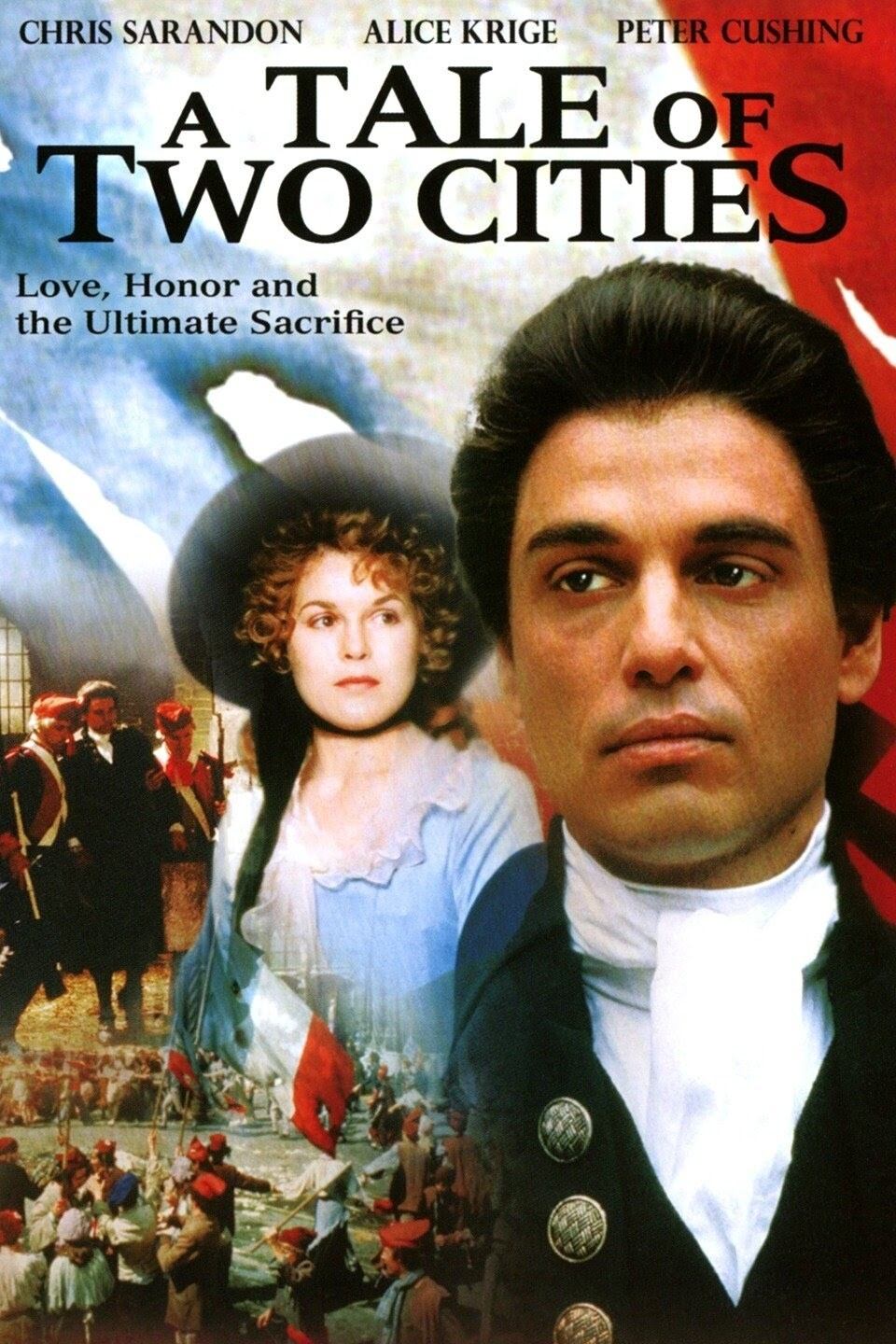
What the Film Is About
“A Tale of Two Cities” (1935) is an emotional tapestry woven against the backdrop of the French Revolution, centering on the turmoil faced by individuals swept up in seismic social change. Rather than merely chronicling historical events, the film explores personal sacrifice, moral rebirth, and the harsher contours of justice and revenge. The narrative follows characters caught between the collapse of an old order and the unpredictable rise of a new one, prompting viewers to reflect on the costs of societal upheaval and the redemptive power of selfless acts.
The heart of the film is the journey of Sydney Carton, whose emotional arc—wrought with self-doubt, unrequited love, and eventual selflessness—serves as both a critique and a celebration of human capacity for change. Through its luminous performances and painterly visuals, the film invites us to witness not just revolution in society, but profound transformation within the human spirit.
Core Themes
At its core, “A Tale of Two Cities” delves into themes of sacrifice, resurrection, and the cyclical nature of violence. The motif of personal sacrifice—most vividly embodied by Sydney Carton—intersects with larger questions about social justice and the consequences of collective rage. The idea of resurrection operates on multiple levels: physical, as individuals are “recalled to life” from imprisonment or despair; and spiritual, as characters seize opportunities to redeem their past.
Justice and vengeance are constantly at odds. The film interrogates the difference between justice and revenge, questioning whether the suffering of one class can truly be rectified by inflicting suffering on another. These themes were acutely relevant in 1935, a time of worldwide economic turmoil and growing anxiety about social order. Today, the film’s questions about how societies strive for justice—and the costs of pursuing it through violence or upheaval—remain just as urgent.
Symbolism & Motifs
The film is rich with visual and narrative symbolism that underpins its central ideas. The guillotine, for instance, isn’t only a literal instrument of death; it becomes an omnipresent force reflecting the relentless machinery of revolutionary justice and the futility of violence as redress. The motif of doubling—suggested in the very title and mirrored in shots that contrast the opulent streets of London with the desperate crowds in Paris—reinforces the duality of human nature, society, and fate.
Recurring imagery of imprisonment—both physical (Bastille cells) and psychological (Carton’s self-loathing)—serves as a metaphor for characters’ struggle to break free from the past. Light and shadow are also used expressively to highlight moments of moral clarity or inner turmoil, emphasizing the possibility and price of personal transformation. Through these motifs, the film underscores the tenuous hope of regeneration amid seemingly endless cycles of suffering.
Key Scenes
Key Scene 1
The courtroom sequence in which Charles Darnay is tried for treason encapsulates the film’s central tensions: the power of collective passion, the ambiguity of justice, and the thin line between condemnation and redemption. It’s here that Sydney Carton, outwardly cynical, quietly intervenes—planting the seed of his own future redemption. The heightened drama draws the audience into questions not just of guilt or innocence, but of the forces that control one’s fate. This scene crystallizes the film’s meditation on the individual’s helplessness in the face of historic tides, while also hinting at the agency possible through personal choice.
Key Scene 2
A pivotal conversation between Carton and Lucie Manette deepens the film’s moral complexity. In this moment, Carton confesses the depths of his despair and feelings of worthlessness, yet he promises to do anything—even give his life—for Lucie’s happiness. This exchange is crucial because it reframes the heroism in the narrative: sacrifice becomes not about glory, but quietly enduring love. It signals that the ultimate rebirth isn’t only social, but also deeply personal—anchored in connection, empathy, and the willingness to transcend one’s own limitations for another’s sake.
Key Scene 3
The film’s closing scenes, with Carton’s final walk to the guillotine, serve as its emotional and philosophical apex. Carton’s peaceful acceptance and the famous lines about “a far, far better thing” elevate his act from individual tragedy to universal statement. This sacrifice, freely chosen, becomes not only his redemption but also a commentary on the possibility of hope and moral courage in the darkest of times. The moment offers a profound critique of cycles of violence, suggesting that the highest form of justice may lie in forgiveness and altruism, not retribution.
Common Interpretations
Many critics view “A Tale of Two Cities” as an exploration of the redemptive potential within even the most damaged souls. Sydney Carton’s journey, in particular, is often cited as an allegory of moral resurrection—the transformative power of choosing good against all odds. Other readings focus more on the social dimension, interpreting the film as a cautionary tale about the dangers of class hatred and the dehumanizing effects of unchecked vengeance.
Some audiences relate the film to the contemporary anxieties of the 1930s, seeing in its portrayal of revolution both a warning against social extremism and an acknowledgment of the grievances that fuel radical change. Still others highlight its universal message about love’s capacity to redeem and inspire acts of profound selflessness. While interpretations may differ in emphasis, most agree that the film ultimately advocates for empathy, mercy, and moral courage.
Films with Similar Themes
- Les Misérables (1935) – Like “A Tale of Two Cities,” this adaptation examines individual redemption amidst social turbulence, exploring justice, mercy, and the effects of revolution on ordinary lives.
- The Scarlet Pimpernel (1934) – Set during the same historical period, it similarly interrogates themes of sacrifice, loyalty, and the ethics of heroism in the face of mass violence.
- Dr. Zhivago (1965) – Although set later, this film delves into personal endurance, love, and identity under the weight of historical upheaval, paralleling the personal/political split seen in “A Tale of Two Cities.”
- Schindler’s List (1993) – Though based on later historical events, its focus on one person’s moral awakening and sacrificial actions amid collective catastrophe echoes the arc of Carton’s redemption.
Ultimately, “A Tale of Two Cities” (1935) asks enduring questions about the nature of humanity and the forces that shape history. It suggests that while individuals are often caught in the crosscurrents of social change and collective violence, true transformation lies in acts of grace and self-sacrifice. The film’s lasting legacy is its assertion that hope and redemption endure—even when darkness seems absolute—by the choices individuals make to place the welfare of others above their own fears and regrets. In dramatizing this inner and outer struggle, the film remains a poignant statement about resilience, empathy, and the eternal quest for justice and renewal.