
What the Film Is About
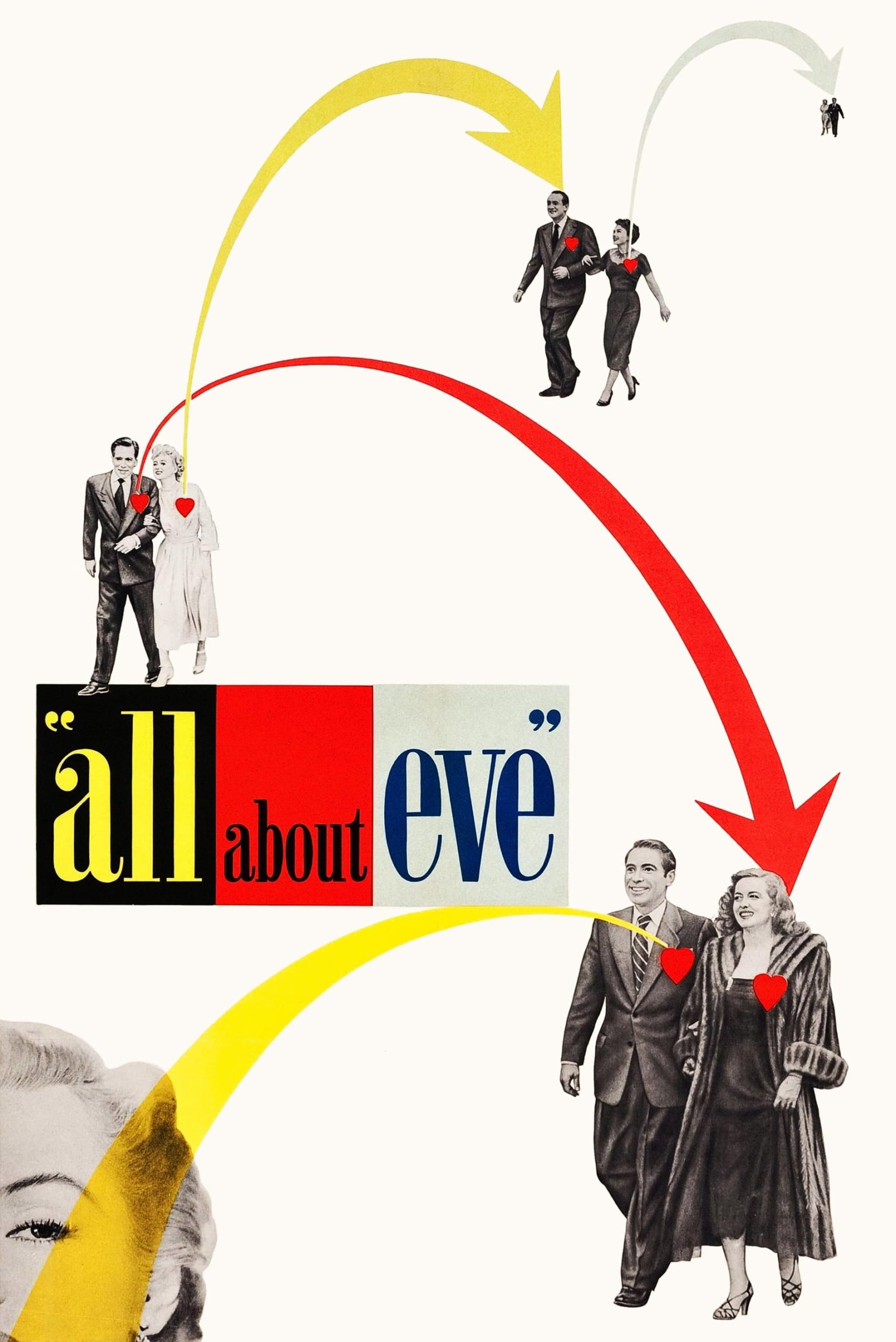
“All About Eve” is a study of ambition, identity, and the power dynamics within the world of theater. Rather than a straightforward narrative about success, the film is concerned with the emotional toll of ambition—how insecurity and the desire for recognition can twist relationships and blur moral boundaries. At its center, the story traces the collision of two women: Margo Channing, an aging Broadway star clinging to her place in the spotlight, and Eve Harrington, an adoring fan whose admiration morphs into ruthless aspiration. The emotional journey moves from camaraderie and mentorship to betrayal, anxiety, and ultimately, hard-won clarity. The narrative is propelled not simply by external events but by the underlying motivations, shifting allegiances, and vulnerabilities of its characters as they navigate the treacherous world of fame.
Core Themes
“All About Eve” is rich with thematic inquiry, but at its heart are the intertwined questions of ambition and authenticity. The film interrogates what people are willing to sacrifice for success and how identity is shaped by the need to be seen and celebrated. It is a meditation on the way power operates—not just in the theater, but in any sphere where public validation determines one’s self-worth.
The anxiety of aging, particularly as it pertains to women in the spotlight, is another central concern. Margo’s struggle is not with a single rival but with a culture that equates youth with relevance and dismisses experience as obsolescence. This theme resonated deeply in 1950, an era defined by strict gender expectations and the uneasy postwar recalibration of women’s roles. The film exposes the mechanics of how society elevates and discards its icons and how individuals internalize those messages, often to self-destructive effect.
Loyalty and betrayal play a significant role as the plot unfolds: deep friendships are tested by ambition and self-interest, revealing the fragile foundations of trust in a competitive environment. The performative nature of both theater and identity is ever-present; nearly every character is playing a role both on and off the stage, asking us to consider where acting ends and authenticity begins. These themes have only grown more salient in an age obsessed with celebrity, influence, and image, making the film’s meditation on the costs of ambition strikingly contemporary.
Symbolism & Motifs
Visual and narrative motifs are woven throughout “All About Eve,” reinforcing its pointed critique of ambition and the theater of everyday life. Mirrors appear frequently, symbolizing the duality of persona and truth, and the way individuals are often forced to confront uncomfortable realities about themselves as they age or fall from grace. The recurring motif of the stage itself underscores life as performance; backstage spaces are intimate, yet also battlegrounds, where masks are dropped and true intentions revealed.
The presence of awards, literalized by the iconic theater trophy, becomes a symbol of both achievement and the hollowness of external validation. These prizes confer meaning, yet they are easily transferred, suggesting the fleeting nature of success and how it can ultimately be emptied of real significance. The motif of doors—opening to opportunity, closing on the past—repeats in subtle ways, accentuating the transitions between eras, careers, and relationships.
Costuming and lighting are used to demarcate transitions in power. As Eve rises and Margo is forced to reckon with her limitations, their visual presentation shifts—Eve gaining polish and confidence, Margo drawing inward. These choices reinforce the film’s interest in performance, not just on stage but as a method of survival in the cutthroat ecosystems where ambition reigns.
Key Scenes
Key Scene 1
Perhaps no moment is more emblematic of the film’s emotional intensity than Margo’s infamous monologue at her party—“Fasten your seatbelts, it’s going to be a bumpy night.” This scene is crucial, not for its wit or spectacle, but for how it unravels the fragile mask of composure Margo maintains. In opening her private pain to her confidants (and the audience), Margo exposes the cost of living under constant scrutiny and the gnawing sense of being replaceable. Here, the film lays bare its interrogation of ego, insecurity, and the emotional price paid by those who live to be adored and admired.
Key Scene 2
A pivotal confrontation between Margo and her lover, Bill, throws into relief the theme of personal worth outside of public adulation. Margo’s insecurity about aging and her belief that love is conditional upon her continued stardom induces a crisis in their relationship. The emotional honesty of this encounter contrasts sharply with the calculated performances seen elsewhere in the film, encouraging us to ask whether it is possible to be authentic in a world obsessed with illusion and achievement. This scene complicates the film’s portrayal of ambition, suggesting that genuine connection is a rare but vital counterbalance.
Key Scene 3
The film’s coda, as the ingenue Phoebe is revealed gazing with covetous awe at Eve’s newly acquired trophy, brings the narrative and its themes full circle. This final image is a commentary on the relentless cycle of ambition, rivalry, and self-reinvention. Rather than achieving closure, the story replicates itself—the next generation prepared to repeat the same betrayals in pursuit of ephemeral acclaim. It is a chilling commentary on the dynamics of fame and a closing argument on the nature of the world the film has so carefully dissected: one built on admiration and envy, success and disposability.
Common Interpretations
“All About Eve” is most often interpreted as an exploration of the corrosive effects of ambition and the precarious status of women who achieve prominence, especially in male-dominated industries. Critics have noted the film’s prescience in addressing the toxicity of show business long before such topics became part of mainstream discourse. For many, Eve is read as a cautionary figure—a warning about the dangers of unchecked ambition and the willingness to compromise ethics for advancement. Others see Margo as a tragic protagonist, embodying both the glamour and the despair that come with being valued primarily for one’s youth and marketability.
There is also a feminist reading, one that acknowledges the film’s acute awareness of the limited paths to power for women and the societal pressure to pit them against each other. While some interpretations stress the narrative as a timeless morality play about the dangers of duplicity, others view it as a nuanced depiction of women’s struggle for agency and respect. Still, a third reading sees the film as a satire of the theater world and, by extension, any environment where public recognition is the ultimate currency. While the specifics of these readings differ, a consensus remains: “All About Eve” is a cautionary tale about the emotional and ethical costs of living for applause.
Films with Similar Themes
- Sunset Boulevard (1950) – Explores the desperate desire to remain relevant in the entertainment industry and the devastation wrought by faded fame.
- Birdman (2014) – Investigates the obsession with validation, the blurring of performance and reality, and the internal struggle for artistic significance.
- Black Swan (2010) – Delves into the consumed pursuit of artistic perfection, the destructive potential of ambition, and the loss of self in the quest for stardom.
- The Favourite (2018) – Examines manipulative power plays, shifting allegiances, and the precariousness of women’s authority within a competitive and performative court.
In sum, “All About Eve” endures as both social satire and psychological drama, offering sharp insight into how the desire for recognition can inspire brilliance and breed betrayal. The film remains strikingly relevant as a meditation on the cyclical nature of fame, the vulnerabilities that underlie ambition, and the pressures of an environment that prizes newness over wisdom. Through its vivid characters and incisive dialogue, it asks us to reflect on the authenticity of our ambitions and the true cost of living for the applause of others—an inquiry as urgent today as it was in 1950.