
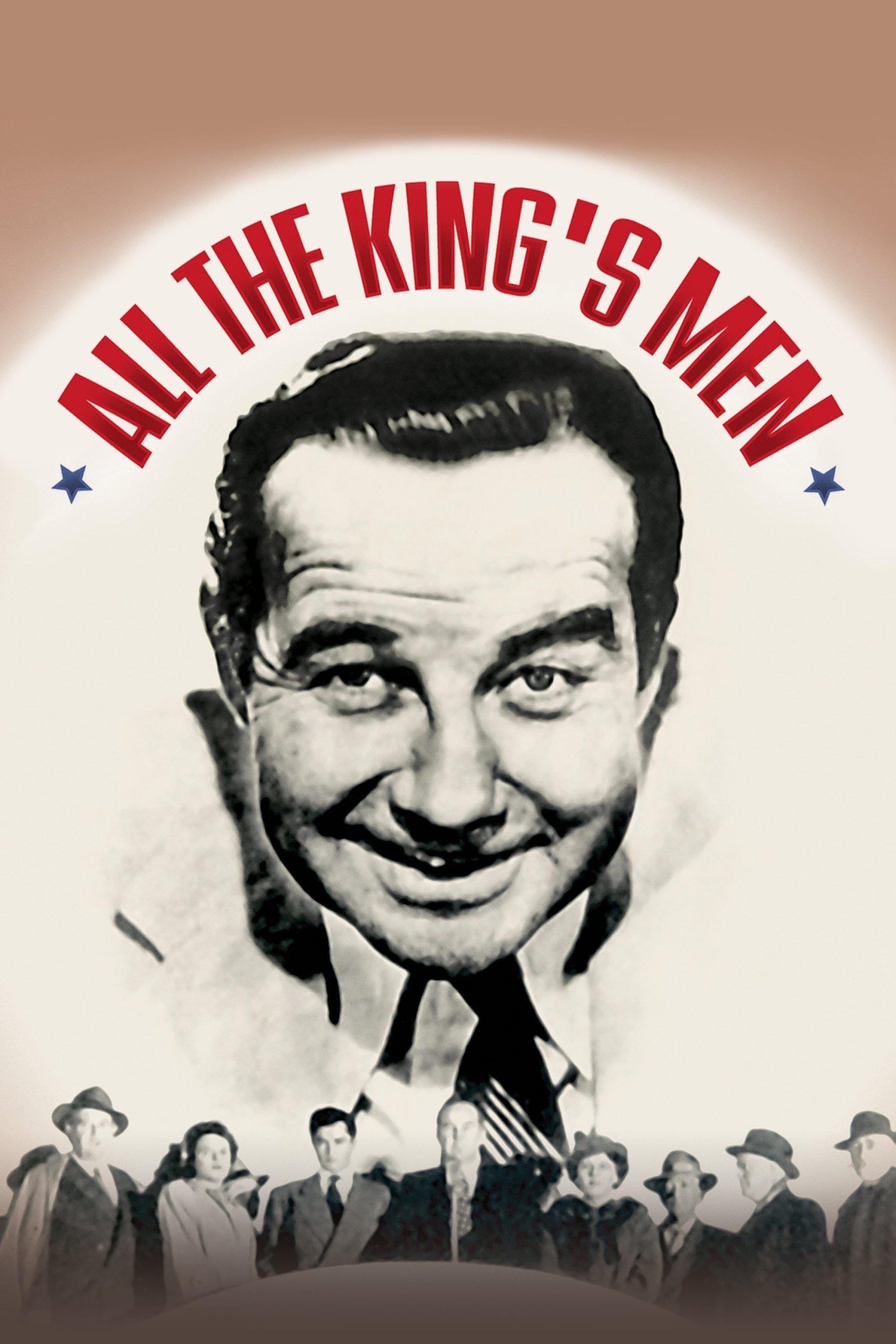
What the Film Is About
“All the King’s Men” (1949) is an unflinching exploration of power, idealism, and disillusionment through the rise and fall of a charismatic populist politician, Willie Stark. The film charts Stark’s emotional journey from humble, well-intentioned outsider to morally compromised governor, observed through the weary eyes of a cynical journalist, Jack Burden. Through Stark’s evolution, the audience witnesses the intoxicating lure of influence and the deep costs it exacts on personal integrity, loyalty, and the well-being of those who cross his path.
Rather than merely chronicling political ascension or scandal, the film plunges into the human struggle between conviction and corruption. Its narrative direction follows not only the crumbling of political ideals but also the erosion of innocence and faith—in self, in others, and in the very system that is supposed to uphold justice. It’s an emotional odyssey that invites viewers to consider the blurry boundary between righteous action and dangerous ambition.
Core Themes
At its heart, “All the King’s Men” is a meditation on the seductive nature of power and the corrosive effects of corruption. It scrutinizes how even the loftiest intentions can deteriorate under the pressure of ambition, becoming indistinguishable from the very injustices they were meant to oppose. The film also delves into questions of moral compromise, exploring how individuals justify questionable acts for a perceived greater good, only to lose sight of their original values.
Another central theme is the loss of innocence—personified not only by the protagonist, Willie Stark, but by Jack Burden and other supporting characters who grapple with their own complicity. The relationship between personal loyalty and public duty becomes a persistent point of tension as allegiances are tested and betrayed.
These themes resonated keenly with 1949 audiences grappling with postwar cynicism and skepticism towards political institutions in the aftermath of totalitarian regimes, demagogues, and McCarthy-era anxieties. Today, the film’s concerns are no less immediate as societal debates about the corruption of power, the ethical compromises of leadership, and the fragility of democracy continue to dominate contemporary discourse. In every era, the film’s interrogation of the costs of power—both private and public—holds enduring relevance.
Symbolism & Motifs
“All the King’s Men” weaves distinct symbols and recurring motifs into its visual and narrative fabric to deepen its examination of corruption and moral erosion. The most prominent motif is the repeated use of water and rain. Stormy weather often coincides with moments of political turmoil or ethical crisis, symbolizing both cleansing and the murky unpredictability of fate.
The motif of mirrors and reflections is frequently employed to expose the duality of the characters—Stark in particular, who is repeatedly shown reflected in glass, suggesting the splintering of his self-image and the growing divide between his ideals and his actions. The sound and sight of political rallies—crowds, banners, and noise—become a symbol for the overwhelming power of mass persuasion and the ways in which individuals lose themselves within collective fervor.
Additionally, the recurring presence of newspaper headlines and articles underlines the theme of narrative control and the power of information (or misinformation) to create or destroy reputations. These visual cues reinforce the film’s larger question: Who truly shapes reality—the leader, the followers, or the storytellers?
Key Scenes
Key Scene 1
A defining moment occurs early in the film when Willie Stark is urged to run for office as a seemingly honest alternative to a corrupt establishment candidate, only to later discover he was being manipulated as a “stooge.” This revelation, and Stark’s subsequent impassioned speech, serves as a pivotal emotional awakening. It’s not just a plot point, but the crucible in which Stark’s idealism is both forged and tested. The humiliation and fury he endures here is crucial: it marks his transformation from naïve reformer into a hardened, pragmatic operator, laying the groundwork for Stark’s willingness to play by the rules of those he once despised.
Key Scene 2
Another critical scene materializes as Stark, now in power, leverages personal secrets and political pressure to get what he wants from opponents or reluctant allies. This sequence, in which Stark brazenly blackmails rivals and crushes dissent, illuminates his complete metamorphosis into a leader who uses the machinery of power for personal gain. The moral ambiguity with which the film presents these actions challenges the audience: Is Stark justified because his methods can still deliver tangible benefits for the people? Or has he become indistinguishable from the corrupt establishment he once opposed? In these scenes, “the end justifies the means” philosophy is laid bare, pressing viewers to test the limits of their own ethical reasoning.
Key Scene 3
The film’s concluding moments—marked by violence, disillusionment, and irreversible loss—serve as both a literal and symbolic denouement to the characters’ journeys. This closing scene, characterized by reckoning and shattered bonds, is not simply another plot development; it is the film’s ultimate commentary on the costs of unchecked ambition and the inescapable consequences of betrayal, both public and private. It forces a final, haunting question: What remains when all the king’s men and all the king’s horses can’t put ideals, relationships, or integrity back together again? This is where the film’s ultimate meaning crystallizes: power, once corrupted, devours even those who believe themselves immune.
Common Interpretations
Critics and audiences alike have widely interpreted “All the King’s Men” as a cautionary tale about the limitations and dangers of populist leadership and the allure of charismatic demagogues. The film is frequently read as an indictment of the myth of the “self-made man,” arguing that any political system is vulnerable to manipulation when concentrated in the hands of a single, unchecked individual—no matter how well intentioned that individual was at the start.
Another prevalent interpretation sees the film as a study in moral relativism and the gradual erosion of ethical boundaries. Some viewers highlight its portrayal of collective responsibility; that is, corruption thrives not only through the actions of a single leader, but through the passive complicity or apathy of those around him. Others see it as a personal tragedy—less about the nature of politics than about the personal cost of ambition, regret, and compromise.
While differences exist, most critics agree that the film leaves little room for naive optimism. Instead, it serves as a sobering reminder of the complexities of governance, the ever-present temptation to wield power ruthlessly, and the fragile nature of integrity when confronted by ambition and systemic failure.
Films with Similar Themes
- Citizen Kane (1941) – Explores the rise and fall of a powerful man whose early idealism is corroded by ambition, mirroring “All the King’s Men” in its critique of power and personal downfall.
- A Face in the Crowd (1957) – Examines the influence of media and charisma on public opinion, delving into how populism and celebrity can warp both politics and personal ethics.
- The Man Who Shot Liberty Valance (1962) – Reflects on the construction of political myths and the moral tradeoffs made in the name of progress, paralleling the blend of personal and societal disillusionment.
- The Candidate (1972) – Focuses on the compromises and ethical shortcuts taken in the pursuit of political success, directly interrogating the gap between campaign rhetoric and reality.
Ultimately, “All the King’s Men” communicates a profound skepticism toward unchecked authority and the promised purity of political crusades. It warns of the hazards when principled reformers, seduced by the power needed to enact change, lose their way and, often irreversibly, sacrifice both their values and their humanity. In doing so, it not only casts a critical eye on the era it depicts, but also issues a timeless caution for any society placing its faith in leaders who embody the hope—or hubris—of a single individual over collective responsibility and enduring principle.