
What the Film Is About
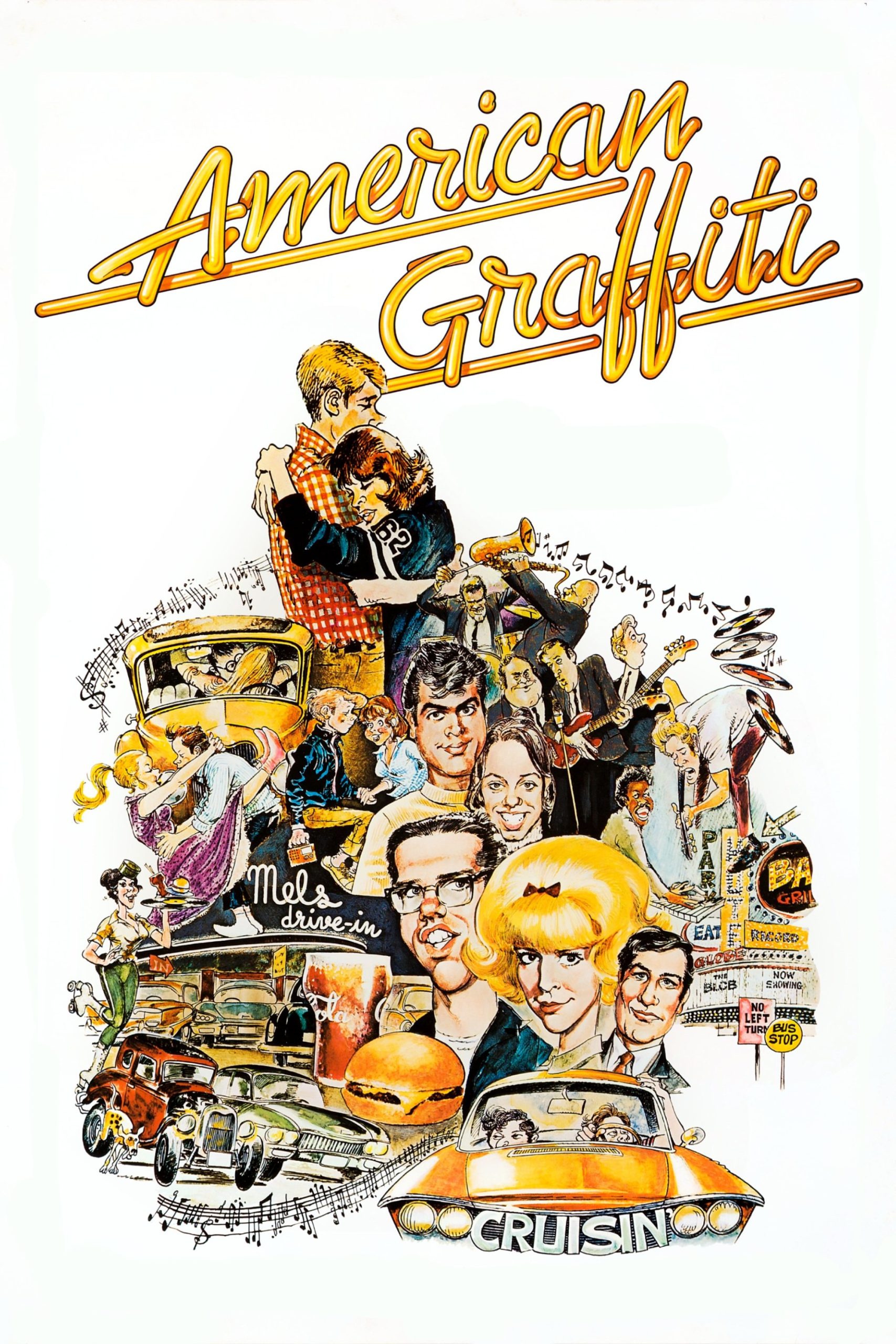
“American Graffiti” is a coming-of-age tapestry that captures a pivotal moment in the lives of a group of teenagers on the final night before their paths diverge. Rather than following a traditional linear narrative, the film immerses viewers in an emotional whirlwind of nostalgia, possibility, and uncertainty. The central conflict isn’t a single event, but rather the restless tension between youth and adulthood, and the looming sense of an ending—not just for its characters, but for an entire era in American culture. Through a vibrant night set against pulsing car radios and neon-lit streets, the film contemplates choices, regrets, and the innocence that precedes change.
The overall narrative direction gently shepherds the characters toward self-discovery, using their individual desires and doubts to reflect broader generational anxieties. The emotional journey is underscored by lingering questions about identity, belonging, and the irreversible passage of time. “American Graffiti” prompts viewers to consider what it means to move forward while feeling the pull of what’s being left behind.
Core Themes
At its heart, “American Graffiti” explores themes of transition, nostalgia, and the search for identity against the backdrop of 1962 America. The film intricately examines the tension between holding onto youth and embracing adulthood, with each character facing crossroads that force them to confront their deepest uncertainties. The malaise of impending adulthood—be it college, military service, or the prospect of staying home—echoes the confusion of a generation on the verge of change.
Nostalgia dominates not merely as a sentimental backdrop but as a thematic engine. By spotlighting a pre-Vietnam, pre-Beatles America, the film invites viewers to consider what is lost when innocence gives way to complexity. The social change that loomed in the 1960s is present as an invisible undercurrent, making “American Graffiti” as much about what is about to happen to America as it is about its characters. Themes like belonging, rebellion, the nature of friendship, and longing for connection are woven into the film’s fabric. At the time of release, these themes resonated with a nation mired in post-1960s disillusionment and eager for a bittersweet reflection on simpler times. The film’s relevance persists because the anxiety of growing up and the ache of nostalgia are universal, transcending the era in which the story is set.
Symbolism & Motifs
“American Graffiti” is rich with symbols and motifs that deepen its exploration of change and memory. The recurring image of cruising—teens endlessly driving in loops around their town—acts as a metaphor for restlessness and the cyclical nature of adolescence. These nocturnal journeys, illuminated by headlights and the glow of diners, encapsulate a fleeting freedom, suggesting both possibility and stasis.
Music, ever-present and omnipresent thanks to the radio, symbolizes the characters’ search for identity and belonging. Each favorite song, selected from the film’s remarkable wall-to-wall soundtrack, evokes a sense of individuality and shared experience. The constant background soundscape marks time, embedding the characters’ lives in a cultural moment that is already slipping into the past.
Neon lights and the nighttime setting accentuate a dreamlike quality, where the boundaries between fantasy and reality blur. Cars themselves function not just as vehicles, but as symbols of autonomy, status, and escape—emphasizing how, for these young Americans, mobility means hope. The ever-present tension between movement (the desire to drive away) and inertia (the comfort of familiar routines) becomes a subtle but powerful motif throughout the film.
Key Scenes
Key Scene 1
The sequence in which Curt spots the mysterious blonde in the white Thunderbird is pivotal to understanding the film’s message. Glimpsed only fleetingly through a windshield, she becomes an emblem of unattainable desire and the seductive power of possibility. Curt’s search for her over the course of the night encapsulates the longing that drives much of the film: the hope that something perfect and transformative lies just out of reach. This scene underscores the theme that some dreams are more meaningful in their pursuit than in their fulfillment—a metaphor for the journey from adolescent wishfulness to adult realism.
Key Scene 2
Another essential moment unfolds during the drag race between John Milner and Bob Falfa. It’s not simply a contest of speed, but a rite of passage where bravado is tested against real risk and unforeseen consequences. The race, and its aftermath, pierce the illusions of invincibility that surround youth culture in the film. While superficially thrilling, this scene reveals the fragility of life and the unpredictability of fate. It challenges the characters (and viewers) to reconsider the meaning of courage, rivalry, and friendship, while also hinting darkly at looming adult responsibilities.
Key Scene 3
The film’s closing moments—when the characters go their separate ways at dawn—serve as its emotional and thematic culmination. The gentle but unmistakable transition from night to day marks the end of innocence and the arrival of adult realities. The postscript that follows, detailing the characters’ futures, turns the audience’s nostalgia into bittersweet knowledge. It emphasizes that choices, both big and small, have lasting consequences. This final statement reframes the entire narrative: what seemed like one more night of youthful trivialities is understood in hindsight as a decisive turning point, not just for the characters, but for the era itself.
Common Interpretations
“American Graffiti” is most widely interpreted as a meditation on the bittersweet nature of nostalgia and the loss of innocence. Critics and audiences often see the film as George Lucas’s affectionate farewell to the optimism and freedom of early 1960s America—a period that was soon to be transformed by political and cultural upheaval. For many, the film is a love letter to youth, emphasizing the beauty and pain of moments that cannot last.
Some interpretations point to its subtle commentary on social change. The film’s upbeat surface, saturated with period music and playful banter, contrasts with an undercurrent of anxiety about the future. The specter of the Vietnam War, civil rights struggles, and changing gender roles—though never directly depicted—haunt the edges of “American Graffiti,” inviting viewers to recognize that these “innocent” times were already on the cusp of profound transformation.
There are also personal readings that focus on the universal experience of leaving home and facing adulthood. The film’s refusal to judge its characters’ choices (whether to stay or go, to conform or rebel) leads to a nuanced view: growing up is both inevitable and deeply personal, shaped as much by fleeting encounters as by grand decisions.
Films with Similar Themes
- Dazed and Confused (1993) – Like “American Graffiti,” this film chronicles a single pivotal night in the lives of teenagers, exploring the anxieties and excitements of becoming an adult in a changing America.
- The Last Picture Show (1971) – Set in a small Texas town, this film explores the decline of American innocence and the end of an era, using coming-of-age stories to reflect broader cultural shifts.
- Stand By Me (1986) – Though set earlier and focused on younger boys, this film delves into the bittersweet aspects of childhood, transition, and the forces that pull friends apart as they grow up.
- Grease (1978) – This musical shares the motif of high school rites of passage, car culture, and the allure and anxiety of leaving adolescence behind, albeit with a more stylized and romanticized lens.
Ultimately, “American Graffiti” communicates a profound understanding of the human longing for connection, the ache of change, and the ways in which the fabric of society is woven from countless small, individual choices. By capturing the universal tensions between the comfort of the familiar and the lure of the unknown, the film speaks not just to one generation, but to anyone who has faced the uncertainty of growing up in a world on the brink of transformation.
To explore how this film has been judged over time, consider these additional viewpoints.