
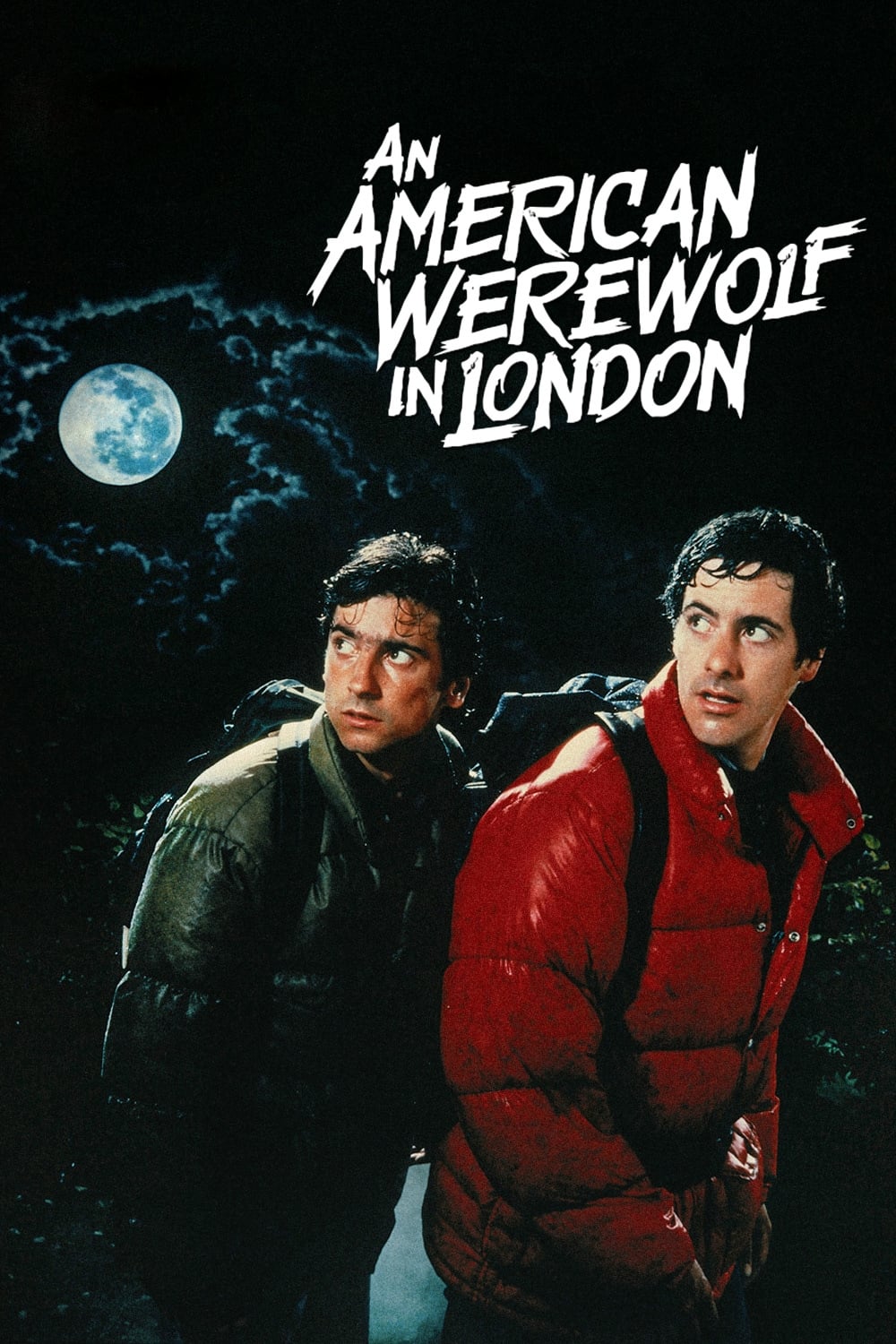
What the Film Is About
“An American Werewolf in London” is, at its essence, the story of a young man’s abrupt encounter with uncontrollable change and profound alienation. Plunged into a nightmare by forces beyond his comprehension, the protagonist faces not only the terror of his physical transformation but also the emotional turmoil and isolation that stem from it. The film follows his struggle to reconcile the normalcy of his former life with the monstrous reality he now embodies, all under the shadow of guilt and impending doom.
While the film is frequently categorized as a horror-comedy, its emotional journey centers on displacement, uncertainty, and the universal fear of becoming something one cannot control. The narrative sets up a powerful tension between youthful invincibility and a rude awakening to mortality, forcing its characters—and audience—to wrestle with the nature of fate and responsibility.
Core Themes
One of the primary themes explored is the loss of innocence and the trauma of transformation. The protagonist is depicted as an everyday outsider, suddenly afflicted by a curse that alienates him from society and from his sense of self. This transformation is not merely physical; it symbolizes the painful transition from adolescence to adulthood, where familiar certainties vanish and an unknown, perilous future looms.
Another key theme is the burden of guilt and the inescapability of consequence. Throughout the film, the protagonist is haunted—literally and figuratively—by reminders of the havoc his condition wreaks upon others. It asks the audience to consider how we live with the repercussions of our actions, deliberate or otherwise. The horror of the werewolf curse becomes a metaphor for inheriting burdens we neither asked for nor deserve, reflecting the unpredictability and unfairness that can mark one’s entry into adulthood.
Isolation is also central. Despite the crowded setting of a foreign city, the protagonist’s metamorphosis leaves him deeply alone, unable to communicate his pain. This outsider status reflects universal anxieties about acceptance, belonging, and the fear of being seen as monstrous beneath the surface.
Upon its 1981 release, these themes resonated with a generation marked by anxieties about identity, changing societal norms, and an undercurrent of existential dread as the world shifted politically and culturally. Today, its exploration of alienation and transformation still speaks to audiences facing uncertainty and the loss of stability in a fast-evolving world.
Symbolism & Motifs
Throughout the film, the motif of wandering—literal and metaphorical—pervades. The foreign setting is no mere backdrop; it serves as a symbol for estrangement and rootlessness. The protagonist’s journey through unfamiliar landscapes underscores his detachment from both his origins and his future.
The recurring symbol of the full moon is more than a horror trope; it signifies cycles beyond human control and the inevitability of change, for better or worse. The transformation sequences, rendered in groundbreaking practical effects, reinforce the theme of uncontrollable change and the visceral terror of losing one’s familiar identity.
Mirrors and reflections also recur, inviting the protagonist—and viewers—to confront uncomfortable truths about self-perception and the hidden aspects of identity. The use of dreams and visions blurs the line between inner life and external danger, representing the porous boundary between sanity and monstrosity, and between the past and the present.
Ghostly apparitions haunting the protagonist function as reminders of unresolved guilt and the permanent stain left by violence. Their presence is a visual metaphor for the lingering consequences of trauma and the impossibility of simply moving on.
Key Scenes
Key Scene 1
The protagonist’s early transformation sequence is a watershed moment that encapsulates the film’s existential dread. Beyond its technical brilliance, the scene crystallizes the torment of losing control over one’s own body and destiny. Here, the emotional agony is as pronounced as the physical, foregrounding the horror of an identity uprooted against one’s will. The protagonist’s suffering is laid bare—not as spectacle, but as a universal terror of change and alienation. This sequence establishes that the coming-of-age experience is both violent and solitary, a shedding of innocence that can never be reversed.
Key Scene 2
A pivotal confrontation with the protagonist’s deceased friend exposes the film’s central preoccupation with guilt and consequence. The friend, trapped between worlds because of the protagonist’s actions, serves as both a conscience and a symbol of unfinished business. This encounter deepens the narrative’s exploration of accountability, as the protagonist is faced with the real, lasting effects his transformation exacts on the world around him. The scene’s grim humor and spectral imagery reinforce the notion that the past is never truly gone—it lingers and shapes our present, regardless of our desires to escape or deny it.
Key Scene 3
The film’s climax, set amid the chaos and anonymity of London, delivers its ultimate statement on fate, love, and acceptance. The protagonist’s fate unfolds in stark contrast to the bustling city life, underscoring his profound isolation. The final moments encapsulate the film’s tragic wisdom: that some transformations cannot be undone, and that confronting one’s monstrous side is part of the human journey. The emotional impact of the ending is heightened by its refusal to offer simple redemption, instead challenging viewers to embrace the ambiguity and pain that define both monstrosity and humanity.
Common Interpretations
Many critics view “An American Werewolf in London” as a meditation on the terror of adolescence and the body in flux. The protagonist’s involuntary metamorphosis is widely interpreted as a metaphor for the confounding and sometimes frightening changes associated with maturity, sexuality, or psychological upheaval. Others see the werewolf curse as emblematic of inherited trauma or guilt—an externalization of the burdens one acquires, willingly or not, as part of the passage into adulthood.
Another frequent interpretation considers the film an exploration of the clash between rationality and primal instinct. The protagonist’s struggle to suppress his animal side echoes humanity’s perennial tension between civility and baser impulses, questioning whether our true selves can ever be wholly tamed. Some audiences emphasize the film’s gallows humor and how it uses horror to comment on the absurdity of fate: that tragedy and comedy are often intertwined in the human experience.
There are also readings that regard the film as a critique of alienation in the modern world, particularly for youth displaced by travel, trauma, or cross-cultural encounters. The foreign setting underscores feelings of not belonging, appealing to anyone who has felt lost or unmoored in their own life.
Films with Similar Themes
- The Fly (1986) – Explores transformation of the body and mind as a metaphor for disease and loss of self, similarly depicting the horror and loneliness of metamorphosis.
- Let the Right One In (2008) – Uses the supernatural to investigate isolation, otherness, and the struggles of adolescence, intertwining horror with a bittersweet sensitivity.
- Ginger Snaps (2000) – Mirrors the theme of female adolescence as monstrous change, connecting lycanthropy with puberty, alienation, and the fear of losing control.
- The Elephant Man (1980) – Examines society’s reaction to the “other,” focusing on empathy, self-identity, and the pain of being marked as different in a world that prizes normalcy.
Ultimately, “An American Werewolf in London” endures because it confronts the terror of transformation, the inevitability of suffering, and the longing for acceptance in a world that can be both indifferent and hostile. Through its blend of humor, horror, and bittersweet humanity, the film stands as a meditation on what it means to grow up, to lose and find oneself, and to grapple with the shadows that linger long after innocence is lost. Its anxieties remain timeless, offering insight into how individuals—and societies—struggle with the monsters within and the uncertainties around us.
To explore how this film has been judged over time, consider these additional viewpoints.