
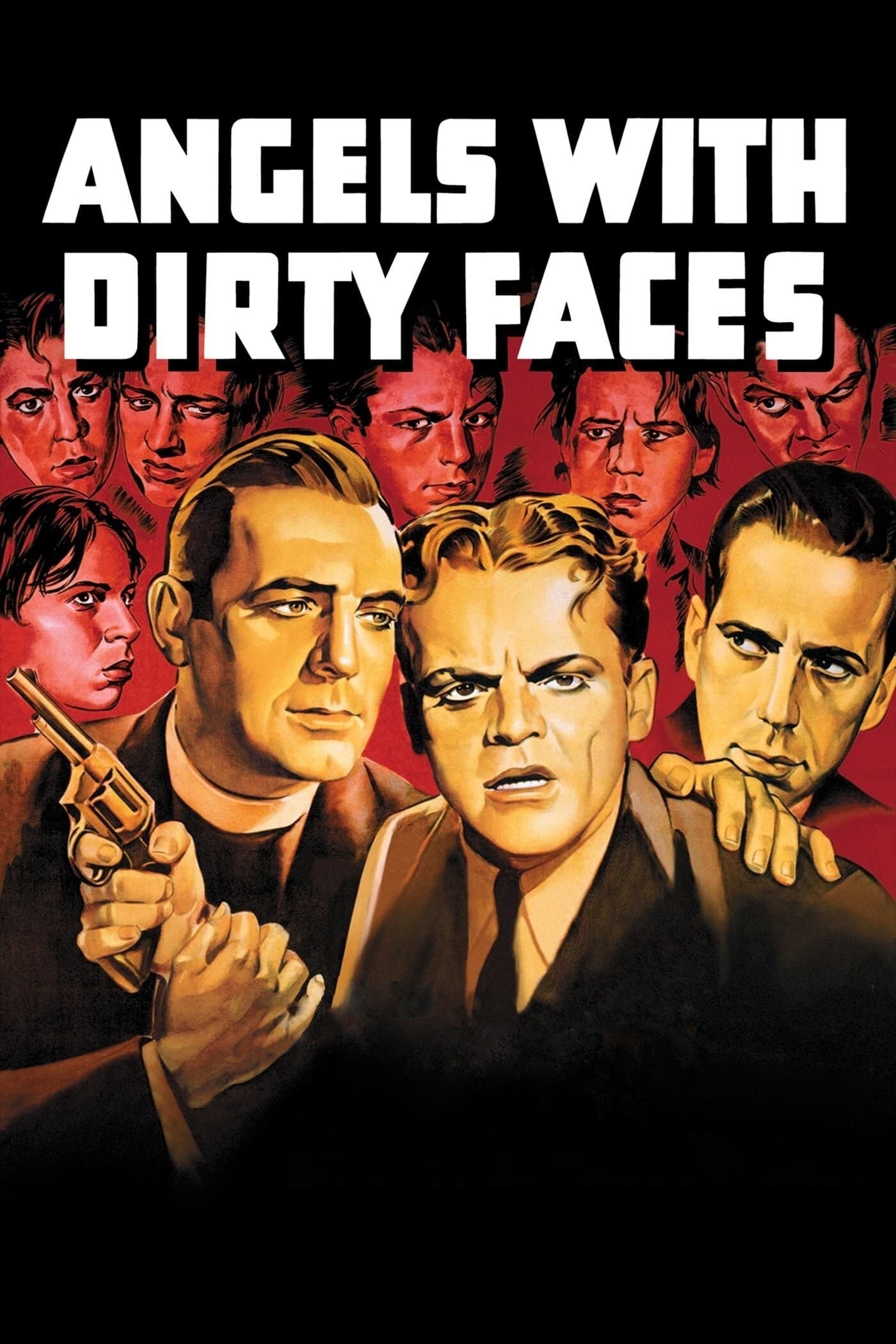
What the Film Is About
What struck me right away when I first watched “Angels with Dirty Faces” was the gnawing sense of inevitability that runs underneath every interaction. The film, at its heart, is less about the criminal exploits or the trappings of the gangster genre, and more about the collision course between two men who grew up as friends and took radically different paths. For me, it is a story about choices—the ones we make and the ones we don’t even realize we’re making. Watching Rocky and Jerry on screen, I found myself absorbed by not only their external conflicts but the deep, wrenching tension between past loyalties and new moral allegiances. The film’s emotional core, to my mind, hinges on the impossible choices and the ripple effect those decisions have on those looking up to us, especially the impressionable youth at the story’s edge.
There is also an abiding sense of moral ambiguity that I felt simmering beneath the dialogue and smoky cinematography. The emotional journey isn’t just Rocky’s—it belongs to the city itself, to those “Dead End” kids staring up at him as if he were a fallen idol. I find the film’s overall direction driving towards a cruel reckoning: how redemption and damnation are sometimes written in the same gesture, depending on who bears witness. The viewer, like the characters, is asked to wrestle with the very idea of heroism, corruption, and the price of influence in a world that rarely relents.
Core Themes
As I sat with the film after my viewing, I kept returning to its ultimate questions about morality, responsibility, and the magnetism of flawed heroes. What I see at the center of “Angels with Dirty Faces” is a profound meditation on the nature of influence—how personal history and societal forces collide to forge what we become, and what we allow others to see in us. This film was released in an era when America grappled with the fallout of the Great Depression; crime stories reflected both real-life anxieties and fantasies. For me, the story’s deeper concern is not just the corruption sown by poverty and neglect, but the way the idea of “making it” can become weaponized in a desperate environment. Rocky’s charisma is both a survival tool and a curse—he embodies the American fascination with the outlaw antihero, yet the film refuses to let this allure go unchecked.
Another key theme that ripples through every frame, as I see it, is the question of redemption. The film doesn’t offer clear-cut salvation or condemnation. Instead, it seems obsessed with the shades of gray that define real life. What does it mean, after all, to atone? Is virtue a matter of public perception, or is it decided in the actions we hide from others? These are questions the film asks of Rocky, Jerry, and—by extension—the audience.
I can’t talk about the film’s meaning without invoking loyalty and the shadow it casts across all relationships in the narrative. Loyalty is not merely an act of devotion; in this film, it is a double-edged sword, binding Rocky to his past, and Jerry to an ideal of good that sometimes feels unachievable given his complicated friendship. In our world today, I still feel the tug of these questions. How far do we go for our friends? At what point does personal loyalty become a destructive force? For me, these queries give the film an undeniable relevance even now.
Symbolism & Motifs
Over multiple viewings, I couldn’t help but notice the way “Angels with Dirty Faces” weaves its key ideas through recurring images and symbols. One of the most persistent motifs for me is the wall between the church and the street, both literal and metaphorical. It is in the shadow of this divide that much of the story unfolds. Jerry, the priest, and Rocky, the gangster, are always crossing this invisible boundary, but never fully at home on the other side. This duality is represented again and again—as if the film is reminding us that there is no easy escape from where we come from.
The basketball court where the Dead End Kids gather feels to me like more than just a playground; it’s the stage upon which innocence is both preserved and threatened. I notice how Rocky’s interactions with the boys on that court betray both his affection and his tragic inability to steer them away from his own fate. The ball bounces between hope and despair, echoing the legacies handed down through generations.
I’m also haunted by the motif of the shadow and light—literally in the film’s sharply contrasted cinematography, and figuratively in its portrayal of conscience. Each encounter in those dark, echoing rooms is saturated with the feeling that some things can only exist in half-light. The story’s Catholic overtones—a cross glimpsed, a confession whispered—underscore the film’s obsession with inner darkness, public penance, and the nature of grace. Rocky’s own image becomes a symbol: part folk hero, part cautionary tale, both admired and feared.
Key Scenes
Key Scene 1
The classroom confrontation between Jerry and the Dead End Kids struck me as a crucial moment for the film’s entire thesis. Here, Jerry—once young and reckless like them—tries in vain to convince the boys that the criminal path embodied by Rocky is not a model to follow. To me, this scene captures the overwhelming power of role models and the difficulty of breaking a destructive cycle. What makes this moment resonate is its raw honesty; Jerry doesn’t speak as a distant authority, but as someone who has lived the boys’ dilemmas. The scene is less about persuasion and more about the agony of watching hope teeter on the edge of ruin—with all the stakes resting on the power of example.
Key Scene 2
I always return to Rocky’s encounter with the children outside the church, where his warmth is on full display. It’s a moment that complicates the otherwise clear lines between good and bad, saint and sinner. I find myself unsettled by how easily Rocky wins the kids’ admiration. The film seems to ask me where the true danger lies: is it in a villain’s actions or in society’s desperate need for someone to look up to, no matter their flaws? This scene is emotionally rich in its ambiguity, suggesting that heroism and corruption are hopelessly entangled in the world these characters inhabit.
Key Scene 3
Nothing in the film resonates with me more than Rocky’s final moments, when he faces execution and Jerry pleads with him to pretend to be a coward. Watching Rocky wrestle with Jerry’s request is like witnessing the collapse of everything the gangster life supposedly promised. For so much of the film, Rocky has been defined by bravado and defiance—but in these final seconds, he’s forced to choose whether he will sacrifice his own legend if it means saving the souls of the next generation. This is where the film’s true power resides: it’s an indictment of the individual as myth. I’m moved—and unsettled—by the implication that sometimes the greatest act of heroism is surrendering pride for something greater. It’s a resolution brimming with complexity and painful grace.
Common Interpretations
In exploring how others have engaged with “Angels with Dirty Faces,” I’ve found interpretations that largely orbit around the film’s treatment of moral ambiguity and the ethics of influence. Many critics, like myself, see the story as a challenge to the notion of redemptive violence; Rocky’s legacy is ultimately upended not by force, but by an act of self-effacement that redefines heroism. Audience reactions over the years have tended to divide along the line of whether Rocky’s final “act” was genuine cowardice or a conscious choice to become an anti-legend and free the boys from his shadow. This ambiguity fuels endless debate and gives the film its remarkable staying power.
Others emphasize the picture’s social conscience—its bleak portrait of urban poverty, juvenile delinquency, and institutional powerlessness. I’ve encountered readings that highlight the film’s Catholic moral framework, arguing that its questions about confession, sin, and intercession position it as a meditation on faith in modern life. Yet there’s another school of thought that reads the film as a kind of self-critique: a gangster movie aware of its own genre’s charisma, using Rocky as a warning about the dangers of glamorizing anti-heroes. This tension between allure and caution is, for me, what keeps the story from ever feeling resolved or dated.
Of course, there are also those who see the film primarily as a sociological document, an echo of 1930s anxieties about class, youth, and masculinity. These interpretations offer a window into the film’s world but, personally, I think what makes “Angels with Dirty Faces” truly unforgettable is how it resists being pinned down to any one moral or political message. Each viewing feels like a fresh interrogation of my own values and assumptions.
Films with Similar Themes
- “On the Waterfront” (1954) – I see a clear connection in the way both films confront issues of conscience, redemption, and the individual’s struggle against corruption in a community ravaged by cycles of violence and injustice.
- “City of God” (2002) – This film’s focus on how environment shapes youth resonates powerfully with “Angels with Dirty Faces.” The blurring of villain and victim, and the role models who emerge from violence, give both movies lasting impact.
- “The Godfather” (1972) – For me, both films probe the allure and cost of power, examining how legacies and the burdens of family or loyalty can lead men down irrevocable paths.
- “Boyz n the Hood” (1991) – Like “Angels with Dirty Faces,” Singleton’s work grapples with cycles of crime and efforts to break free. Each film places immense weight on the influence of elders and the near-impossibility of escaping one’s origins.
What I ultimately hear in “Angels with Dirty Faces” is a plea—sometimes whispered, sometimes shouted—for compassion and vigilance in the face of seductive myths about success and toughness. The film doesn’t simply preach about right and wrong; instead, it invites us to interrogate the stories we tell ourselves about who deserves redemption, and what we owe the people who look up to us from the margins. In its ambiguous ending and conflicted characters, I see a timeless recognition of how society constructs its heroes—and the hidden costs that come with that construction. The world of the film is undeniably of its era, but its anxieties and hopes, in my view, still speak directly to the jagged edges of modern life.
To explore how this film has been judged over time, consider these additional viewpoints.