
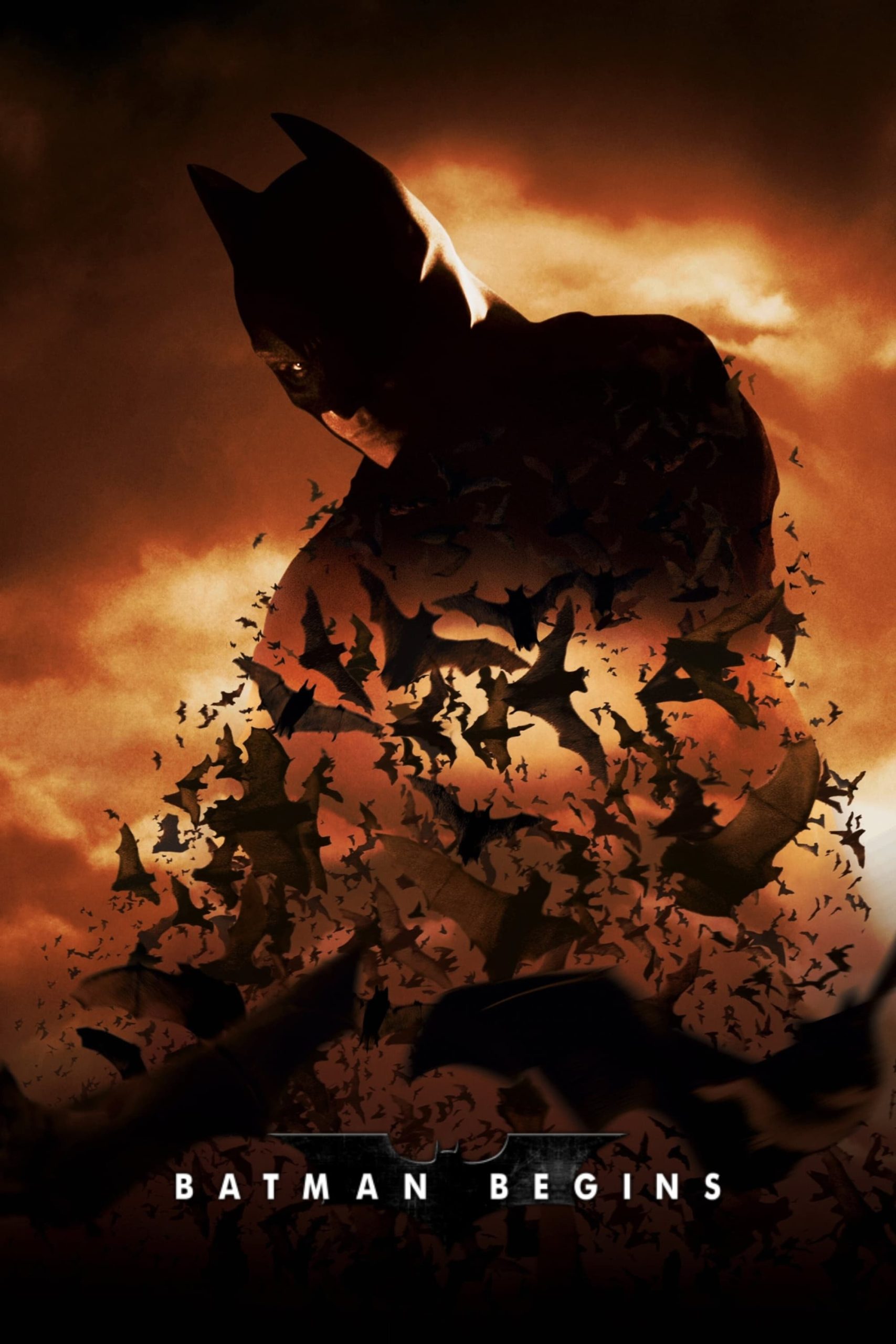
What the Film Is About
Every time I revisit Batman Begins, I’m struck first not by its spectacle but by its quiet ache of longing and loss. Christopher Nolan’s gritty reboot doesn’t simply retell an origin story—it submerges me deep inside a man’s existential struggle. Watching Bruce Wayne wrestle with grief, fear, and identity, I’m reminded that the film’s real journey is an internal one. This is a movie less about crime-fighting than about the forging of a soul within the fires of trauma and self-doubt.
That central conflict—the agony between revenge and justice, mask and self—sets the entire film humming with emotional stakes. What draws me in isn’t just Batman battling Gotham’s corruption; it’s watching a man claw his way up from the helplessness of childhood loss, seeking meaning in a broken world. The overall narrative isn’t just about defeating villains; it’s a meditation, for me, on how we choose to respond to our pain, and the possibility of transforming darkness into hope.
Core Themes
When I reflect on the core ideas in Batman Begins, the theme of fear instantly takes center stage in my mind. Fear, as both a weapon and a wound, pulses through every major choice Bruce Wayne makes. For me, the film’s exploration of confronting and mastering one’s deepest dread is what gives it such surprising emotional power. It’s not enough for Bruce to don a cape—he must make his inner panic and childhood trauma the very heart of his transformation into Batman. This isn’t just superhero bravado, but an honest dramatization of facing the monsters inside ourselves.
Another major theme that always resonates with me is the tension between justice and revenge. The film keeps forcing the question: Is Batman simply a man seeking payback for the murder of his parents, or has he managed to grow into someone who seeks a higher form of moral order? I’m deeply drawn to how Nolan interrogates this line. Bruce’s teachers—Alfred, Rachel, and even the League of Shadows—pull him in different directions, forcing me to consider how easy it is to cloak personal anger in claims of righteousness, especially after a wound as deep as his.
Corruption and hope are never far behind in my reading of the film’s heart. Gotham itself, rotting from the inside, reflects the moral danger of apathy and institutional decay. Every time Bruce steps into the shadows, I see him fighting not just individual criminals but an entire culture addicted to cynicism and self-protection. What makes this so effective is how the movie never lets me forget the collective dimension of evil – systemic, seductive, and easy to ignore. Yet, paradoxically, the mere fact of Batman’s existence amplifies the theme of hope: that a single person, willing to embrace sacrifice, can inspire others to believe again.
Looking back at the moment the film was released, I feel it absolutely captured the spirit of its time. In the wake of global insecurity, the early 2000s were defined by public discourse about terrorism, vigilantism, and the ethics of power. Batman Begins resonated because it asked hard questions that weren’t limited to caped crusaders—they were about the society I was living in, and still relevant today. This search for moral answers in an ambiguous world is, in my mind, why the film’s themes are enduring. We all live under the same shadow, fighting for the possibility of redemption, no matter how dire the circumstances.
Symbolism & Motifs
For me, no other motif in the film looms so large—or so elegantly—as the image of the bat. It isn’t just a symbol of fear; it becomes, in Bruce’s hands, a totem for transformation. Early on, the memory of bats is a literal nightmare, paralyzing young Bruce, but as the story progresses, I see the bat evolve from a haunting memory into a self-chosen identity. By deliberately embracing the thing that once terrified him, Bruce becomes its master. This inversion sits at the core of the film’s philosophy: we do not merely survive our trauma, we can harness it for a higher purpose.
The motif of masks is another element I find endlessly fascinating. “Which one is the mask—Bruce Wayne or Batman?” This iconic question isn’t trivial for me; it’s central to the film’s examination of authenticity versus performance. Whenever Bruce wears the public mask of the frivolous billionaire, or cloaks himself in Batman’s armor, the film presses me to consider the differences between who we are, what we project, and what we try to hide. Each mask is a creative solution to suffering, but also a barrier to intimacy.
I can’t help but notice the subtle, recurring use of architecture throughout the film. Wayne Manor is more than a building; it’s a representation of legacy and the fragility of foundations. When the manor burns, the destruction is brutally personal—a visual metaphor for burning away pretension and safety, and facing the naked core of identity. Meanwhile, the urban vistas of Gotham, flickering between chaos and order, literalize the precariousness of social trust. Every alley and rooftop becomes a battleground for the soul of a city, not just the body of its vigilante.
Water, too, appears as a symbolic agent of both danger and cleansing. The mid-movie flood is no accident—or at least, that’s how I read it. As Gotham teeters on the brink, the looming threat of contamination from the water supply mingles with anxieties about what will “poison” society morally. At the same time, water enables new beginnings; it’s the runoff of past corruption but also the promise that Gotham could one day be made clean again, should enough people choose to fight.
Key Scenes
Key Scene 1
The scene that always imprints itself on my memory occurs when Bruce stands at the brink of vengeance, holding a gun in an anonymous back alley, desperate for some sense of catharsis. What wrenches me about this moment isn’t just the trembling hesitation, but the wave of anger and disappointment that hits when even revenge is stolen from him. Nolan’s presentation here isn’t sensational; it’s stripped bare. As I watch, I feel the cold realization that justice pursued through blood alone is empty, and this is the spark that redirects Bruce’s life from rage to resolution. From my perspective, this scene is the linchpin of transformation: the point where Bruce recognizes that confronting personal pain requires more than simply lashing out—it demands finding another way, a creative response to chaos.
Key Scene 2
I would point to Bruce’s encounter with the League of Shadows as another emotional apex that reframes everything the movie wants to say about fear, power, and morality. The moment he rejects Ra’s al Ghul’s demand to become an executioner, I feel the whole arc of the film pivot on a single decision. Bruce is invited to channel all his skills and trauma toward an absolutist vision of order, but he refuses, choosing instead the harder and messier path of mercy and individuality. What resonates deeply with me is how the film subverts the myth of the all-knowing mentor. Bruce’s act of rebellion here is, I think, the true “origin story”—the decision not to let someone else dictate the meaning of justice, but to claim the responsibility and ambiguity for himself.
Key Scene 3
Whenever I analyze the final confrontation between Batman and Ra’s al Ghul aboard the runaway train, I see a breathtaking synthesis of all the film’s philosophical conflicts. Batman sets out to stop the weapon that will destroy Gotham, but he refuses to descend into outright murder. Instead, he chooses to “not save” Ra’s—a complicated, ethically ambiguous act. I always wrestle with what this means: does it reflect growth, or does it reveal the limits of Bruce’s new morality? To my mind, it’s both a compromise and a statement—a recognition that idealism is haunted by the mess of real-world consequences. The entire film’s meditation on how to do good in an evil world crystallizes here, daring me to question whether real change is ever clean, or only possible in the gray spaces between heroism and guilt.
Common Interpretations
Over the years, I’ve seen Batman Begins earn widespread recognition as a serious, adult reimagining of superhero myth. Critics regularly interpret the movie as a parable about overcoming trauma—suggesting that Bruce Wayne’s journey offers a blueprint for embracing our wounds, transforming them into sources of power rather than shame. This reading has always struck a chord with me, especially because the film avoids reducing Bruce’s pain to just “motivation,” instead painting it as a lifelong companion requiring constant negotiation.
Another school of interpretation, which I find equally compelling, sees the film as an allegory for social renewal. Batman isn’t merely a man in a mask but a symbol—a call to arms against systemic apathy. Audiences latched onto this, perhaps because it echoed the anxieties of a society wrestling with its own sense of civic failure in the face of corruption and decay. To me, this interpretation reveals why the film never feels dated. The idea that one individual can inspire collective action, however imperfectly, remains powerful—if also fraught with risks of vigilantism and hubris.
There are also nuanced debates about morality within the film’s fandom. Some argue that Batman Begins ultimately valorizes vigilantism, while others (myself included) perceive a more conflicted position. I read Nolan’s script as intentionally ambivalent: it offers Batman as a model of heroic intervention, yet keeps pressing on the costs of unilateral action and blurred ethical lines. Is Batman saving Gotham—or making himself a necessary monster? For me, this tension is the film’s living pulse, resisting reductive readings and fueling years of revisitation.
Films with Similar Themes
- V for Vendetta – I’ve always seen a clear connection here, as both films are fascinated by the mask as a tool for inspiring social resistance and confronting personal as well as societal fear.
- Taxi Driver – The theme of a broken individual attempting to remake a corrupt world by sheer willpower echoes through both films, though with radically different conclusions about sanity and savior complexes.
- Spider-Man 2 – This movie’s deep dives into sacrifice, responsibility, and the burdensome isolation of heroism always remind me of Bruce Wayne’s double life and the personal costs of his choices.
- Unbreakable – The idea of reluctant heroism and the search for meaning after trauma is another potent link; both films ask what it means to answer the call to be something larger than ourselves.
In the end, what compels me most about Batman Begins is how it refuses tidy solutions. It insists that becoming heroic isn’t about erasing darkness but about choosing, time and again, to wrestle with it—both within and without. For me, the film speaks to the universal human hunger to reclaim agency after suffering, and to build something hopeful atop the ruins of certainty. In a world so quick to label extremes, Batman Begins reminds me that the real struggle for justice takes place in those uncertain spaces—where shadow and light, weakness and resolve, collide.
After learning the historical background, you may also want to explore how this film was received and remembered.