
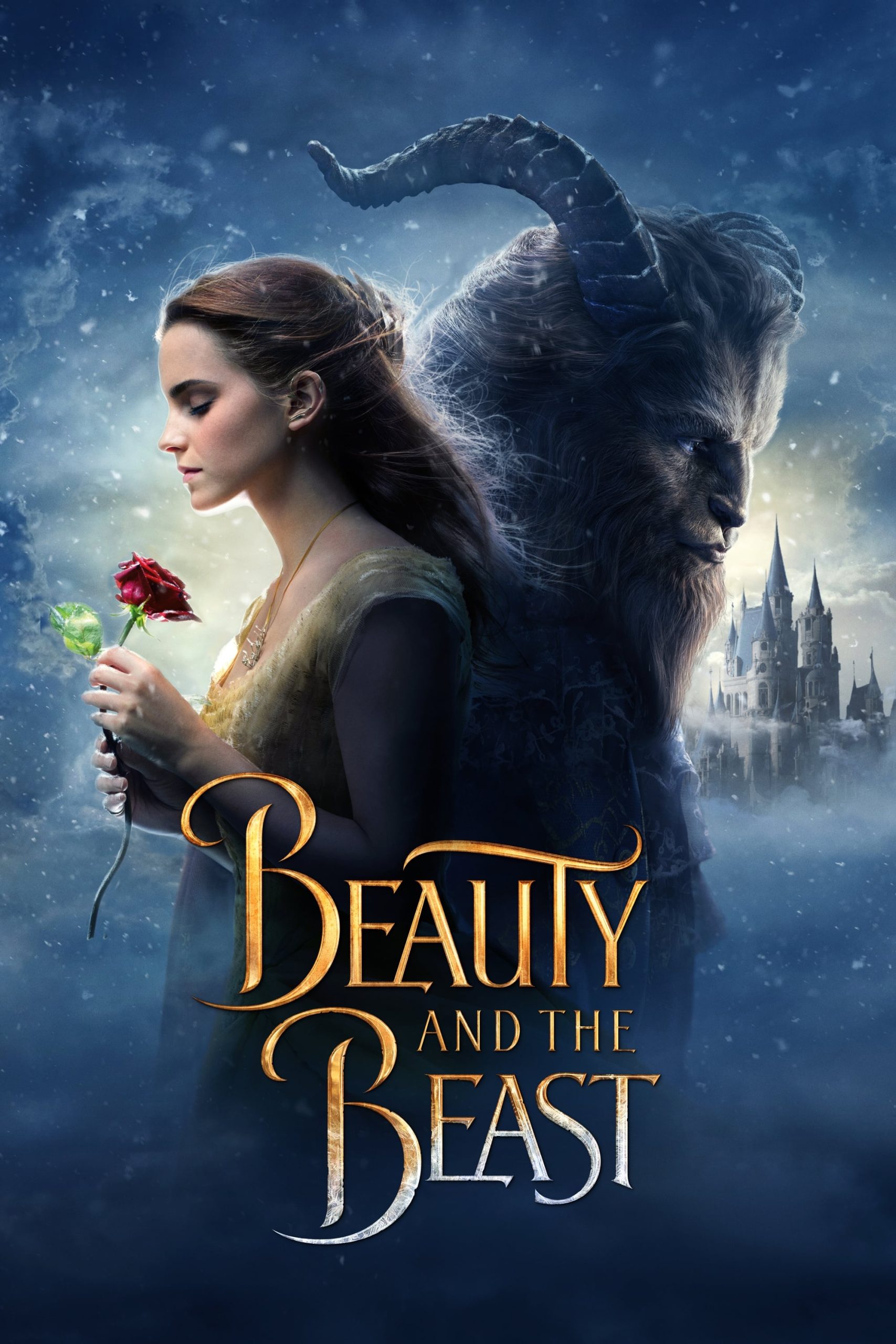
What the Film Is About
For me, watching Beauty and the Beast has always felt like peeling back layers of both heart and myth. What strikes me every time isn’t just the enchantment of the world, but the profound emotional stakes for these characters sitting at the heart of the story—a young woman yearning for something beyond what’s familiar, and a tormented figure desperately searching for redemption. The central conflict has never just been about breaking a physical curse. I experience it as a journey of self-recognition: Belle’s longing for a fuller life and a more genuine, reciprocal connection, and the Beast’s agonizing struggle to overcome bitterness and recover lost tenderness. All this plays out under the shadow of external intolerance and the pressure to conform. The film, to me, is ultimately wrestling with the question: Can love—when it’s honest and transformative—be more powerful than appearances and fear?
What makes it cohere so powerfully is how the emotions drive the movement of the story. I don’t see it as a simple fairy tale romance. Rather, I interpret it as a two-way voyage of self-discovery, with a core of deep vulnerability and mutual healing that is rare in animated cinema. This isn’t a love that comes without risk or self-doubt; it’s one that arises from recognizing the pain in another and risking one’s own comfort for something larger. As I watch these emotional tides shift, the narrative becomes more than just a tale of breaking enchantments—it’s about two souls finding home in each other when the world offers them very little understanding or safety.
Core Themes
When I reflect on the core themes of Beauty and the Beast, I find myself returning again and again to the dismantling of surface-level judgments. The film’s most powerful question, to my mind, is: What makes a person worthy of love? It’s the age-old fairy tale lesson, of course, asking whether we can look past the monstrous, the broken, or the unfamiliar to see another’s true nature. But the nuance in this telling elevates it. First, there’s the idea of transformation—not just the Beast’s literal metamorphosis, but the deeper changes that come from empathy and humility. I notice how Belle and the Beast must each transcend their own limitations: Belle, her longing for freedom and meaning; the Beast, his struggle with rage, shame, and resignation. They learn to step outside themselves in a genuine way, each risking emotional exposure in the hope of being understood and accepted.
Love as redemption strikes me as the film’s emotional anchor. It isn’t romantic idealism so much as the slow, stumbling walk towards forgiving oneself and another. Both protagonists cling to regret and hope in almost equal measure. The film uses this tension to critique the dangers of cruelty, pride, and superficiality in society. Even in 1991, it felt—at least to me—like a pointed rebuke of the era’s obsession with appearances, popularity, and aggression (embodied by Gaston’s toxic charisma). Decades later, these themes haunt our current moment, where rapid judgments and narrow standards of worth persist. The insistence that transformation is possible, not through violence but through gentleness and understanding, is why the film still finds its way into cultural conversations about love, otherness, and the fight against dehumanization.
Symbolism & Motifs
One motif I find almost haunting is the enchanted rose—the stunning yet doomed blossom encased in glass. For me, the rose distills everything fragile, beautiful, and fleeting about the film’s conception of love and time. It’s the literal ticking clock of the Beast’s curse, but it’s more existential—it’s about the window we all have for redemption, forgiveness, and self-acceptance before the petals fall. Every glimpse of the rose presses on that anxiety: What will we lose if we cannot become brave enough to love, or brave enough to allow ourselves to be loved?
Mirrors, too, play a constant role in the visual and emotional language of the film. The Beast’s hand mirror is his sole portal to the outside world, a device as much for isolation as it is for connection. Whenever the mirror is used, I sense that the characters are being invited to confront some form of truth about themselves or others—it’s not just about seeing, but about seeing accurately and without prejudice. The mirror asks who we are when stripped of illusions.
I also can’t separate the film’s themes from its use of light and darkness, especially in the castle. Shadows and sudden bursts of warmth mirror the mood swings of both the setting and the Beast himself: intimidating at first, yielding to comfort as trust grows. The castle’s transformation from foreboding prison to echoing home underscores the idea that environments (and people) change with the presence of kindness. Even the supporting objects—talking candlesticks, clocks, and teapots—echo the longing for normalcy, connection, and dignity, turning the castle into a microcosm of a world under judgment and hoping for grace.
Key Scenes
Key Scene 1
One moment that shaped my interpretation of the entire film is when Belle makes the choice to return to the castle after running away, finding the Beast wounded and vulnerable. This isn’t the climactic declaration of love; it’s something quieter and, in my view, more radical. Belle’s compassion here is not just pity—she recognizes the Beast’s suffering as real and urgent, and chooses to act out of empathy rather than fear. This scene reverses their dynamic; the Beast must trust rather than dominate, while Belle moves past her own terror and past wounds to extend kindness. The emotional importance is unmistakable: mercy, not romantic infatuation, is the soil in which love first grows. For me, the message is that love flourishes not in the absence of flaws, but when those flaws are seen, acknowledged, and still embraced.
Key Scene 2
The ballroom dance, resplendent in gold and blue, is more than visual spectacle to me. This scene functions almost mythically within the film’s emotional structure. In those few moments of harmony, Belle and the Beast are able to set aside, if only briefly, all the external and internal pressures that have defined their lives. The dance itself becomes a metaphor for vulnerability and tentative trust—they’re exposed, visible, and entirely at the mercy of another person. I interpret this as the realization of the film’s central hope: that two people, both outsiders in their own way, can find synchronicity and beauty by letting down their defenses. The orchestration, sweeping visuals, and near-total absence of dialogue amplify the emotional candor. For me, the dance isn’t just about falling in love—it’s about risking selfhood and inviting another into your world, no matter how precarious or unfamiliar.
Key Scene 3
If I had to choose a single climax for my understanding of the film, it would be the Beast’s moment of selflessness at the narrative’s end, when he releases Belle from the castle so she can save her father. It’s a shattering reversal of the initial dynamic—once a captor, now the embodiment of generosity. This act, I think, is the culmination of the film’s argument about the nature of love: true love allows freedom and respects the needs of the other. The Beast, who has been defined by loss and desperate clinging, acts in a way that places Belle’s happiness above his own. That willingness to let go—to risk heartbreak for the beloved’s sake—is, in my eyes, the final statement the film wants to make about maturity, dignity, and genuine affection. It transforms the “curse” from a punishment into a test of whether learning to love has truly taken root.
Common Interpretations
Having followed both critical discussions and casual reactions over the years, I’m always struck by how much Beauty and the Beast has been interpreted as an allegory about the dangers and rewards of looking beneath the surface. The consensus among critics seems to support the notion that the film’s real triumph is its willingness to complicate the idea of transformation: it’s far less about physical change, and much more about the labor and uncertainty of emotional growth. Many viewers see Belle as a proto-feminist heroine—an independent thinker who prizes intelligence, curiosity, and integrity over conformity or appearance, which was, at the time, a marked shift for Disney’s leading ladies.
There’s also conversation about the way the film critiques toxic masculinity. For me, Gaston functions not just as a rival suitor, but as a living caricature of everything the film asks us to reject—vanity, aggression, and a refusal to see or respect difference. He stands in pointed contrast to the Beast: one is adored for superficial attributes while being inwardly monstrous, and the other is reviled for his looks but capable of intense feeling and eventual self-mastery. While some readings have grappled with the potential for retrograde messages about Stockholm Syndrome, I don’t see the story as glorifying imprisonment or submission. The narrative arc, as I interpret it, is about Belle’s agency—her repeated capacity to say no, to leave when she chooses, and, ultimately, to love freely and on her own terms.
Over time, there have been alternative readings as well, including those that see the enchanted household staff as symbols of marginalized groups, trapped by forces beyond their control and longing for a restoration of justice and humanity. The beauty of the film is that it contains all these layers—each rewatch reveals more, challenging my own assumptions and inviting empathy for every type of outsider or ‘monster.’
Films with Similar Themes
- The Hunchback of Notre Dame (1996) – To me, this film parallels Beauty and the Beast in its exploration of societal rejection, physical difference, and the search for love and acceptance in a world wary of the unfamiliar. Both stories center on transformative compassion.
- Edward Scissorhands (1990) – I see a thematic connection here in the way both films grapple with the alienation of the “other” and the capacity of gentleness to overcome fear, despite cultural suspicion and prejudice.
- Shrek (2001) – I find this an interesting companion, as it parodies and subverts the same fairy tale conventions, especially the idea that beauty is less about externals than about authenticity, courage, and self-acceptance.
- The Shape of Water (2017) – This film, for me, builds on Beauty and the Beast’s groundwork by pushing the love-across-difference theme even further, examining vulnerability, oppression, and the radical potential of empathy in a harsh world.
Reflecting on all I have seen and felt watching Beauty and the Beast, I come away with the sense that its enduring resonance lies in the way it elevates compassion over reflexive judgment. The film’s true magic is its insistence that change—personal, relational, and even societal—begins with the courage to see others fully and allow oneself to be seen. Whether the “beast” is shame, loneliness, or the walls we throw up to defend ourselves, the story refuses to suggest that love is easy or foreordained. Instead, it offers hope that through vulnerability, sacrifice, and the earnest work of loving honestly, restoration is possible. To me, that’s not just the heart of a fairy tale, but a vital message that continues to echo wherever outsiders long to find their place.
To explore how this film has been judged over time, consider these additional viewpoints.