
What the Film Is About
I’ll never forget the unease that crept over me during my first encounter with Blue Velvet. I was drawn in and unsettled at the same time, immediately struck by how this film seemed to peer beneath the glossy facade of small-town America. For me, the film isn’t about the literal whodunit at its surface—rather, it’s the emotional journey of its protagonist, Jeffrey, as he’s exposed to the darkness lurking beneath a world he thought he understood. The central conflict becomes existential: how do we reconcile our desire for innocence and normalcy with our awareness of violence, obsession, and moral compromise? Watching this film, I felt as though I was clinging to the last shreds of comfort while being pulled toward something profoundly disturbing yet fascinating.
The narrative pulls us, along with Jeffrey, into a kind of psychological underworld. It’s less about solving a crime than about losing yourself and coming face-to-face with parts of yourself you’d rather not acknowledge. For me, the emotional arc reaches far beyond fear or suspense—it toes the line between curiosity and dread, titillation and horror, and ultimately confronts us with the question of what it means to truly see, rather than merely look.
Core Themes
When I reflect on the heart of Blue Velvet, it’s clear to me that the film is obsessed with surfaces and the monstrous realities they conceal. I’m constantly reminded of how Lynch uses the film to dive into themes like duality, the fragility of innocence, and the pervasiveness of evil within ordinary life. At its core, the film seems to insist that light and darkness not only coexist but interdepend—they’re flip sides of the same coin, bound together in every corner of human experience.
I find the exploration of voyeurism particularly compelling. Jeffrey’s journey begins with curiosity, perhaps even a sense of good-natured adventure, but quickly spirals into obsession and moral ambiguity. With every step further into Dorothy’s troubled world, I sense Lynch challenging me to question my own motives as a viewer: am I rooting for justice, or am I complicit in the act of watching and even deriving pleasure from others’ suffering?
Moral ambiguity also resonates powerfully throughout the film. I’m drawn to how characters who initially seem good—like Jeffrey and Sandy—are enticed, willingly or not, into participating in darkness. Conversely, Lynch injects moments of vulnerability into even the most monstrous figures, like Frank Booth, blurring the lines of easy judgement. To me, this speaks to a profound anxiety about the boundaries between good and evil—not as abstract concepts, but as intimate forces shaping our everyday lives.
That these themes were so starkly relevant to the 1980s is not lost on me. Reagan-era optimism, with its relentless focus on the return to American values, makes Lynch’s vision a startling rebuttal; I saw the film as an invitation to question comfortable myths about safety and normality. And now, decades later, the film’s message continues to resonate. In a world obsessed with image and appearances, where unsettling realities lurk behind curated surfaces, I find myself returning to the questions Lynch poses—questions about the self, desire, and complicity.
Symbolism & Motifs
When I revisit Blue Velvet, certain images and motifs haunt me long after the credits roll. The most iconic, in my eyes, is the ear discovered in the field—a grotesque entrance to the story that doubles as a metaphor for perception itself. For me, the severed ear encapsulates the film’s central concern with seeing versus hearing, with what we notice and what we choose to ignore. It’s a vivid symbol of the disconnection and alienation underlying even the most picturesque communities.
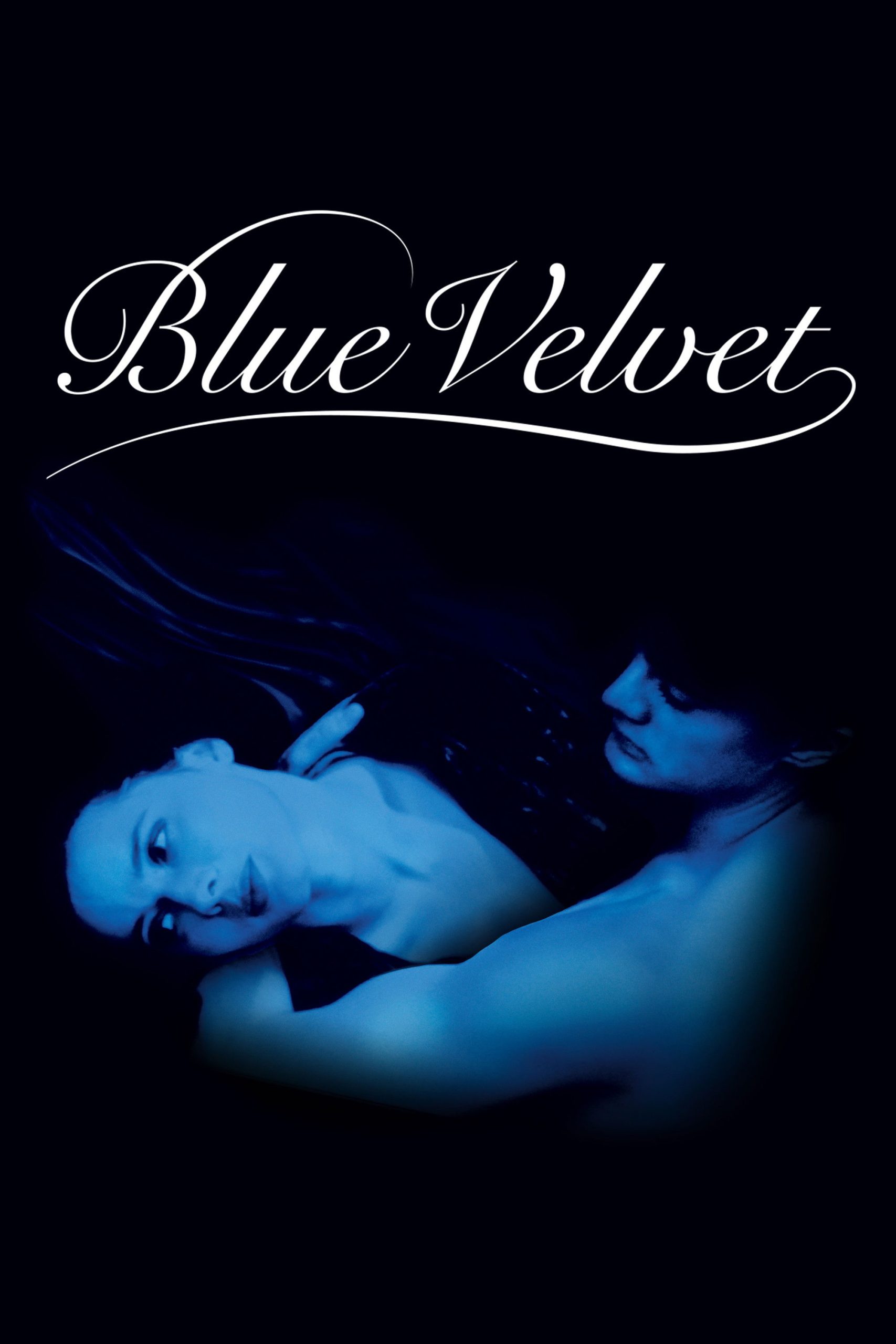
I’m endlessly fascinated by Lynch’s use of color, particularly the blue of the titular velvet. Blue appears frequently, tinged with melancholy and sensuality but also peril. It blankets Dorothy in her most vulnerable moments, linking her suffering and longing to the broader undercurrents of suppressed desire and trauma. I read the blue velvet fabric as a symbol of the alluring yet suffocating power of forbidden knowledge and experience.
Lynch’s sound design also serves as a recurring motif—radio static, muffled screams, and surreal music cues keep me perpetually off balance. They invite me to question what is real and what is imagined, what is safe and what is not. Even the use of familiar songs such as “Blue Velvet” by Bobby Vinton creates an uncanny contrast, layering nostalgia over violence in a way that makes me question the comfort I find in the “American Dream.”
Then there’s the motif of insects beneath manicured lawns. It’s such a startling image, and for me it bluntly expresses the film’s stance: beneath every surface—no matter how perfect—there is unavoidable decay. I see this as not just a comment on suburbia but on the psyche itself, where unacknowledged fears and desires writhe just out of sight until something, or someone, digs them up.
Key Scenes
Key Scene 1
The moment when Jeffrey first discovers the severed ear is, for me, the film’s crucial gateway. I see this not simply as a plot device but as a profound statement about awakening—about the jolt that comes when innocence is ruptured and the world suddenly reveals its strangeness. The image is clinical, bizarre, and almost otherworldly, thrusting both Jeffrey and me as a viewer into realms of ambiguity and uncertainty. This scene captures the precise moment when curiosity tips into compulsion, and from here on, neither I nor Jeffrey can return to the comfort of not knowing.
Key Scene 2
A sequence that always challenges and disturbs me is the infamous apartment scene between Dorothy, Jeffrey, and the monstrous Frank Booth. Here, Lynch brings all his major themes to the surface—sexuality, violence, submission, and power. I feel as though the scene is specifically designed to shatter any notion that the darkness in the film is merely a theme or an abstraction. The uncomfortable tableau forces me to confront the implications of watching: am I a sympathetic onlooker, or a voyeur feeding on pain? The scene blurs not just moral boundaries but also my sense of safety as a viewer, implicating me and leaving me profoundly unsettled.
Key Scene 3
In the quiet aftermath, when Jeffrey and Sandy sit together and the robins reappear, I find myself grappling with the film’s meditation on hope and the possibility of recovery. Lynch crafts these final images to be almost unnaturally wholesome, but I read them as deeply ironic. For me, the return to idyllic imagery isn’t a reassurance so much as an open-ended question—can anyone who has seen the truths Jeffrey has truly return to innocence? This scene doesn’t offer closure, but instead forces me to wrestle with the persistence of fantasy as a survival mechanism. It’s a commentary on denial, resilience, and perhaps self-deception—the uneasy return to “normal” after witnessing too much.
Common Interpretations
From my perspective, the most common interpretation of Blue Velvet frames it as a nightmarish examination of American suburbia, unmasking darkness beneath surface tranquility. Many critics, like myself, see Lynch as presenting the town of Lumberton as a microcosm for American society at large—shiny and safe on top, yet seething with secrets and danger below. The film is often discussed as a critique of Reagan-era values, questioning the cost of maintaining illusions of innocence and stability.
I’ve also encountered interpretations that focus heavily on the psychological journey—reading the movie as a kind of coming-of-age fever dream. In this view, Jeffrey’s descent is less about external crime and more a confrontation with his own shadow self, his impulses and repressed desires. For me, this analysis rings true, especially considering how the film blurs the boundaries between good and evil within its characters.
Another widely shared take is that the movie is, at its core, about voyeurism—about the act of looking and the twisted pleasures and dangers that accompany it. This reading, which I find especially resonant, implicates both Jeffrey and the audience alike. We’re all outsiders, peering into the forbidden, complicit in both craving and recoiling from the hidden darkness. There’s a tension between empathy and detachment that Lynch exploits to keep viewers uncomfortable long after the credits have rolled.
While these schools of thought capture the prevailing conversation, I sense a consistent thread: a refusal to settle for easy answers. The multiplicity of interpretations, with their overlaps and divergences, is a testament to the depths Lynch’s film plumbs—leaving me convinced that Blue Velvet is ultimately less about solving mysteries and more about living with them.
Films with Similar Themes
- Rear Window – I see Hitchcock’s classic as a clear ancestor to Lynch’s themes of voyeurism and the blurred line between observer and participant. Both films ask: what do we really know about our neighbors, and what are the dangers of gazing too long into others’ private worlds?
- American Beauty – This later film echoes the motif of suburban rot beneath apparent bliss, confronting viewers with the ugliness and longing lurking in everyday American life. Like Blue Velvet, it asks us to consider the cost of repression and denial.
- Mulholland Drive – Another Lynch creation, I find this one equally enthralling for how it explores fractured identity, dreams versus reality, and the allure of Los Angeles—a different kind of American mythos with similarly haunting undercurrents.
- Donnie Darko – While tonally distinct, this film’s mix of suburban malaise, existential dread, and the confrontation with inexplicable forces feels deeply connected to the emotional and thematic territory that Lynch explores in Blue Velvet.
For me, what Blue Velvet ultimately communicates is a challenge: to stop looking away. The film holds a warped mirror up to human nature, exposing the mess beneath our tidy stories and polite facades. It reminds me that society, then and now, is defined as much by what it hides as by what it displays. The era in which the film was made only amplifies its message—inviting audiences into uncomfortable awareness at a time when public discourse preferred denial. Above all, the film lingers as a meditation on desire, secrecy, and the courage it takes to acknowledge darkness without utterly surrendering to it. That, to me, is its enduring power and provocation.
After learning the historical background, you may also want to explore how this film was received and remembered.