
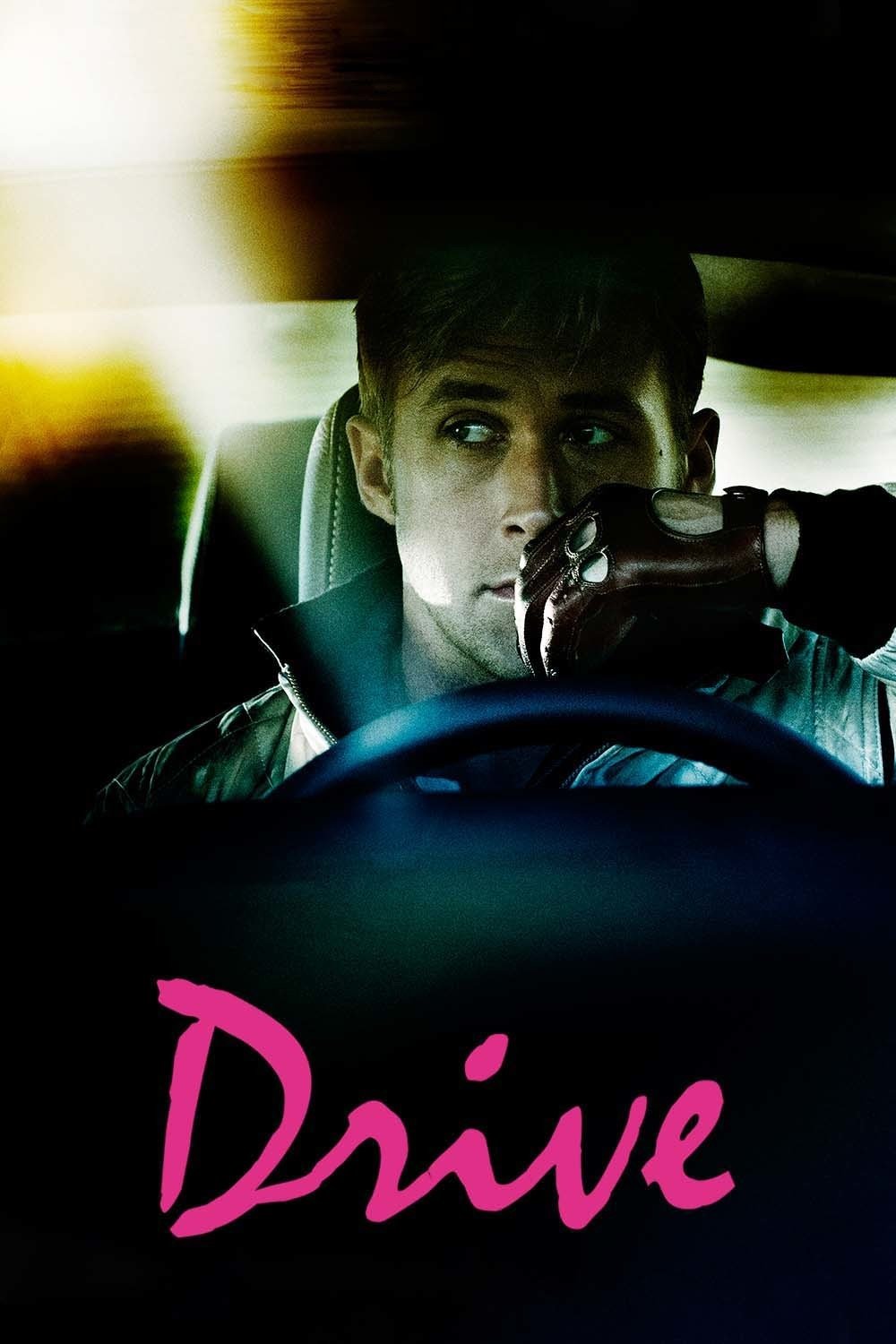
What the Film Is About
Few films in the last decade have left me as haunted and unsettled as Drive. For me, this film is less about plot twists and more about witnessing an emotional undercurrent pulsing through the lives of its characters—especially its enigmatic protagonist. I came away feeling as though I’d witnessed a meditation on loneliness, suppressed violence, and fragile hope smoldering beneath the surface of everyday life. The central conflict, as I see it, isn’t merely criminal or romantic, but existential: a silent, inward war between brutality and tenderness, craving connection in a world that often demands self-erasure.
This emotional journey is, for me, structured around a character who speaks with actions, not words. I found myself drawn not just to what was happening but to how it felt—to the icy restraint matched with sudden sparks of raw feeling. It’s a world in which violence and care are inseparable, and every choice seems shadowed by consequence. The entire narrative seems to ride the edge of control, where any moment might bring release or destruction.
Core Themes
Whenever I reflect on Drive, the idea that comes most forcefully to mind is duality. To me, the central motif is the collision between gentleness and savagery, personified in the protagonist’s daily life. He is at once protector and predator—a man defined as much by what he refuses to reveal as by what he lets slip. I think a powerful thematic current runs through these contrasts, asking how much a person is defined by the masks they wear or the violence they’re capable of when pressed.
Identity, for me, sits at the heart of this film. The Driver’s near-mythic lack of a proper name felt like an intentional gesture—removing individuality to create an almost universal vessel for alienation and desire. What especially struck me in 2011 was how this theme mirrored a growing cultural fascination with outsiders and silent observers, those who can’t or won’t fit in. Even now, the questions of hidden identity and personal reinvention remain intensely relevant in a world that expects transparency and unwavering self-exposure.
Another theme that lingers with me is the morality of violence. The film refuses to sanitize brutality, yet doesn’t glamorize it either. When the Driver acts, it is always ambiguous: acts of protection and savagery are inextricably entwined. I remember feeling unsettled by how the film frames violence as necessary, even tragic—a cycle of escalation rather than a tool for solving problems. For me, this gray area asks whether we can ever separate heroic action from bloodshed, especially in a society that sometimes rewards the capacity for force. Loyalty, too, becomes a loaded question, as betrayal and devotion blur in the criminal world and in the makeshift family the Driver tries to build.
Finally, I see love and hope operating as fragile possibilities within a world fundamentally shaped by threat and loss. The tenderness between the Driver and Irene feels, to me, both redemptive and doomed—a fleeting promise that perhaps one can change, even if the world will not change with you. The film’s slow-burning romanticism, set against relentless peril, suggests to me that love is precious precisely because it is so vulnerable to violence and fate.
Symbolism & Motifs
One of the reasons I return to Drive is its reliance on haunting imagery and recurring symbols. The scorpion jacket worn by the Driver, for example, immediately stuck with me—not just as a costume choice but as a modern-day shield and a subtle reference to the fable of the scorpion and the frog. To my eyes, the scorpion stands for danger beneath stillness, a hidden lethality underlying apparent calm. Every time the Driver puts it on, I sense he’s embracing both his role as protector and as someone who inevitably harms those he cares for.
The use of neon lighting and cityscapes also hits me as much more than stylistic flourish. The Los Angeles portrayed here is a land of hollow illumination—drenched in artificial color, yet always shadowed, almost nightmarish. I interpret these visual motifs as physical embodiments of the film’s emotional dissonance: the allure of connection, the chill of alienation. The lighting often isolates the characters even in moments of intimacy, showing how unreachable others can be, especially in a metropolis that never truly darkens or rests.
I notice, too, the recurring motif of silence and inexpressiveness. Conversations are stilted, facial expressions minimal. This isn’t just minimalism for the sake of coolness—in my reading, it articulates how words often fail us in emotional crises. The silences become freighted with desire, fear, or barely suppressed rage. The musical choices, especially the careful placement of synth-heavy tracks, reinforce this sense of emotional suppression trying to break through.
Key Scenes
Key Scene 1
There’s a single scene in the elevator that, for me, crystallizes everything the film is reaching toward. In this moment, the Driver shields Irene from impending danger, first with a lingering, almost reverent kiss, then with a burst of stunning, even grotesque violence. I felt deep discomfort, recognizing that his most tender gesture and his most brutal act are inseparably linked. This juxtaposition speaks volumes about the impossibility of keeping violence and love in neat, separate boxes. It’s a microcosm of the entire film: beauty and ugliness, hope and despair, forever colliding.
Key Scene 2
Another moment that lingers with me is the scene where the Driver, gloved and masked, stalks a target at the strip club. Here, I sensed the full immersion of the protagonist into his shadow self. Pacing through surreal, lurid lighting, the Driver is both avenger and executioner—less a man than an idea. This scene deepens the film’s meditation on identity: the mask is erasure but also empowerment, a way to enact violence while staying invisible. To me, this moment doesn’t just advance the story; it asks what it means to lose—or willingly relinquish—one’s humanity for a cause, however justified.
Key Scene 3
The climax on the beach, under the strange, artificial sunlight, is the scene I return to whenever I think about the film’s actual message. The Driver’s final encounter with criminal adversaries, the wounds he sustains, and his silent departure—these are not moments of triumph. To me, they crystalize the central irony: the protagonist may vanquish threats, but he can never escape the residue of violence or restore innocence. That empty, uncertain drive at the film’s close feels like a sad freedom—a liberation bought with unbearable loneliness. Here, Drive finally expresses its worldview: connection is possible, but often destructive; the road ahead is always lonely, however much love or redemption is glimpsed in passing.
Common Interpretations
Whenever I join in conversations about Drive, I notice several key interpretations that tend to recur—each illuminating the film from a slightly different angle. For many, it is a contemporary fairy tale or myth, with the Driver as a kind of knight errant, struggling to protect the innocent in a lawless world. This reading appeals to me because it highlights the film’s stylized violence and moral ambiguity, reframing criminality as tragic necessity rather than moral failure.
Others interpret it as an existential study. In their commentary—and I often agree—they focus on the Driver’s silence as emblematic of the contemporary alienated self, adrift in a world without clear moral anchors or lasting community. The sense of existential loneliness, for these viewers (myself among them), is less about the glamour of car chases and more about the limits of human connection in a commodified, urban landscape.
A third critical reading, which resonates with me especially in light of the film’s release during economic crisis, sees Drive as a parable about precarious masculinity and the myth of self-reliance. The Driver’s emotional stoicism and willingness to absorb violence echo the downsized, disempowered figure struggling to maintain dignity and agency. In this lens, his fallibility is precisely what makes him human, even heroic, albeit in a world where heroism rarely brings salvation.
Some voices challenge the film’s stylized violence, viewing it as an indictment of audience complicity—a challenge to our desire to watch beautiful brutality on screen. I find this an important thread, as it calls on viewers to reflect not just on the Driver’s choices, but on our own appetites for sensationalism or moral simplicity.
Films with Similar Themes
- Taxi Driver (1976) – For me, this film is an essential companion, exploring alienation and vigilante violence in a decaying urban world. Both films probe the psychology of a man on the margins, balancing the urge to save with the risk of losing oneself to darkness.
- Le Samouraï (1967) – I’m reminded of Melville’s minimalist approach, where the central character moves through the city as a near-mythical figure, defined by codes of conduct, existential isolation, and ultimately tragic striving for purity.
- Heat (1995) – In my mind, Michael Mann’s crime epic shares Drive’s fascination with professional detachment, blurred moral lines, and the cost of obsession. It’s another exploration of what is sacrificed in the pursuit of mastery—and love—in a hard world.
- Only God Forgives (2013) – As another collaboration between Nicolas Winding Refn and Ryan Gosling, this film doubles down on stylized violence, silence, and existential crisis. I see it as a more abstract, fever-dream riff on Drive’s ideas, swapping LA for Bangkok but following a similar spiritual exhaustion.
After immersing myself in Drive, I’m left reflecting on how it doesn’t promise redemption or closure. Instead, it asks what it costs to search for intimacy and purpose in a universe that’s indifferent, even hostile, to hope. For me, the film’s enduring appeal lies not in answers, but in its willingness to dwell in contradiction—where a man can be a monster and a savior, silent but deeply feeling, condemned to solitude even as he longs for connection. It’s a vision rooted in the anxieties and yearnings of the early 2010s, yet timeless in its questioning of what it means to be both vulnerable and dangerous, adrift and alive.
After learning the historical background, you may also want to explore how this film was received and remembered.