
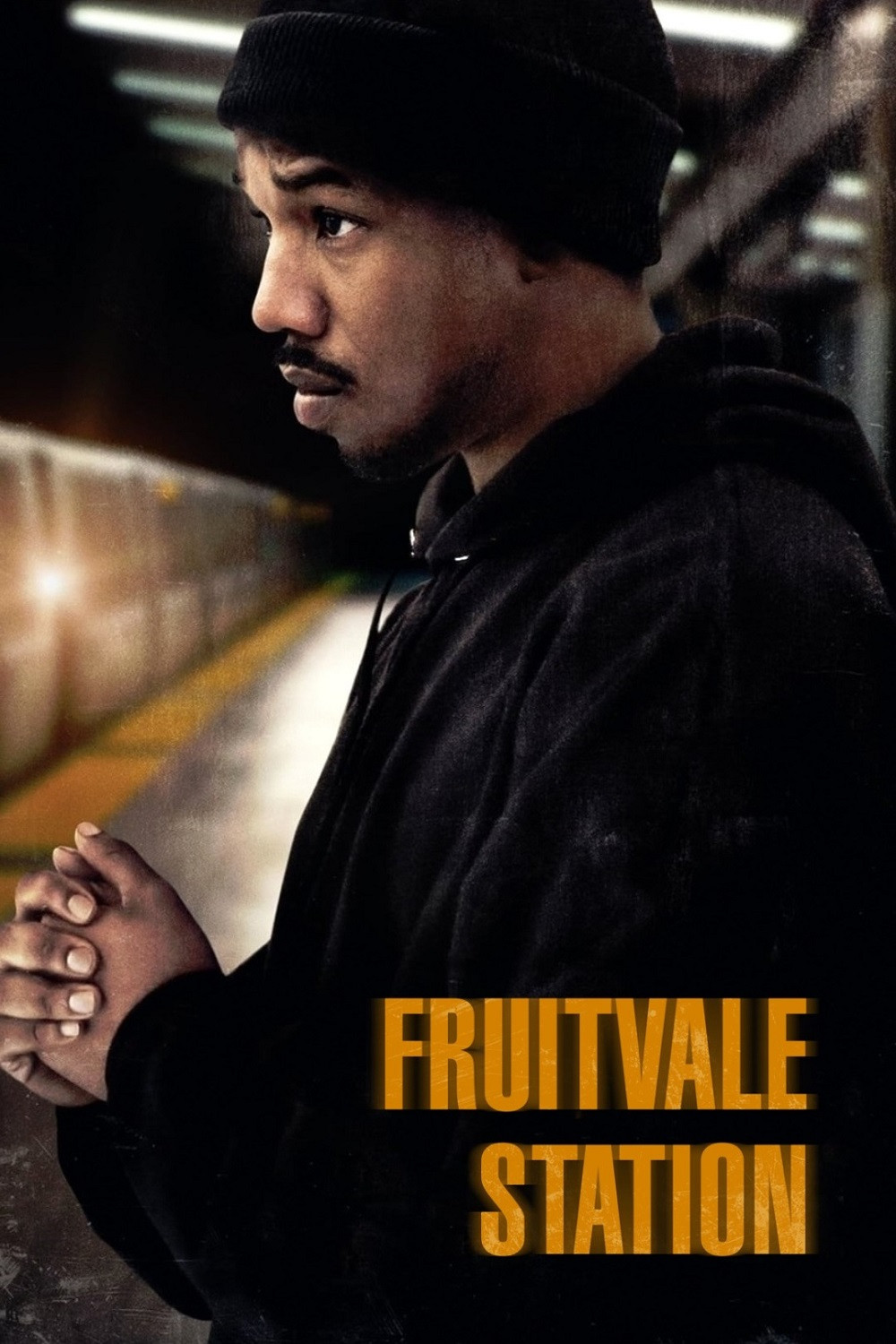
What the Film Is About
When I first experienced Fruitvale Station, I felt as if I were invited into the last day of a man’s life, not as a distant observer, but as an intimate witness to his struggles and aspirations. The film doesn’t so much tell a story as it immerses me in a fragile world—the world of Oscar Grant—where the beauty of small, everyday joys collides with the looming threat of random, systemic violence. The emotional journey is not about what will happen (since the outcome is painfully clear from the outset), but about who Oscar is, what he means to those around him, and how his fate is the product of forces far bigger than himself.
For me, the central conflict is not just one of individual choices, but the tension between hope and inevitability, agency and circumstance. Every moment in Oscar’s day feels saturated with meaning because the shadow of his mortality hangs overhead. The narrative direction isn’t about wrapping up a story; it’s about opening a wound—laying bare the heartbreak, the randomness, and the personal costs of what, to most of the world, was just another news headline.
Core Themes
What sticks with me most is how Fruitvale Station confronts questions of identity, racial injustice, and the value of a single life. The film’s exploration of personal redemption is striking; Oscar is portrayed neither as a martyr nor a saint, but as complex and flawed, someone striving to do better within a system that is quick to judge and slow to forgive. It’s this insistence on Oscar’s humanity—his tenderness, his mistakes, his everyday acts of love—that challenges me to rethink easy narratives about victims and perpetrators.
One idea I keep returning to is how the film foregrounds the inescapability of social structures. Systemic racism isn’t just a slogan or background context—it is lived, relentless, and insidious, manifesting in the casual interactions of Oscar’s day, the distrust of strangers, and the brutality of authority. Watching the film in 2013, I felt its timeliness viscerally; it resonated with contemporary episodes of police violence and widespread protest, but sadly, time hasn’t dimmed its relevance. Even now, Oscar’s story forces me to reflect on whose lives are given the benefit of the doubt and whose are deemed expendable.
At its heart, though, I see the film as a meditation on the universality of hope in the face of an unjust world. Oscar’s love for his daughter, his efforts to repair relationships, and his everyday kindness are not just character traits—they are acts of resistance against the narrative that young Black men are only defined by their worst moments. Fruitvale Station asks me to see Oscar’s full humanity, insisting that empathy is not optional, but urgent.
Symbolism & Motifs
One of the most powerful motifs for me is the train itself. Every appearance of the Bay Area Rapid Transit symbolizes both the progress and the peril woven into Oscar’s life. For many, trains represent movement, opportunity, and possibility. Here, though, I can’t shake how a vessel meant for connection becomes a site of ultimate loss—a brutal reminder that for some, everyday life can careen into tragedy at any moment. The claustrophobic space of the train, with strangers pressed together on New Year’s Eve, becomes a crucible in which larger societal forces—fear, prejudice, authority—collide.
Another recurring image that haunts me is the theme of time. From celebratory countdowns to the almost mundane ticking off of Oscar’s final hours, the film plays with the idea of borrowed moments. I find the depiction of smartphones—text messages, phone calls, photos—especially poignant. They’re symbols of connection but also of ephemerality, reminders that lives are lived in fragments and, in Oscar’s case, remembered in sudden, frozen images.
I’m also struck by the presence of family gatherings, food, and physical intimacy. These moments serve as symbols of belonging and resilience. Oscar’s embrace of his mother and his playful interactions with his daughter are, to me, as significant as the film’s loudest tragedies. They are visual affirmations that life is made up of touch, laughter, and care—fleeting experiences that underscore what is lost.
Key Scenes
Key Scene 1
For me, one of the most crucial scenes is Oscar’s interaction with a stray dog. This seemingly minor episode reverberates with symbolic meaning. When Oscar witnesses the hit-and-run of the dog and chooses to comfort the dying animal, I see a reflection of his empathy and his personal struggle for significance. The moment is loaded: the dog’s fate mirrors Oscar’s own, an innocent body left behind by an uncaring world. The quietness of the scene strips away all pretense, inviting me to see Oscar as someone who, regardless of circumstance, chooses to care. It’s a stark contrast to the dispassionate treatment he’ll later receive, and it quietly raises the question: who stops for suffering, and who walks away?
Key Scene 2
Another scene that stayed with me is Oscar’s conversation with his mother in the kitchen. The exchange is more than just mother and son catching up—it’s layered with hope, regret, and unspoken fear. His mother’s advice, her pride, and her loving concern become weighty in retrospect, framing Oscar’s attempts at transformation and redemption. This moment, for me, is where the theme of familial love crystallizes. His mother doesn’t just see Oscar’s flaws; she sees his possibility. In the context of the film’s larger message, these kitchen-table hopes are not naïve, but radical acts of faith in a world eager to reduce Oscar to a single story.
Key Scene 3
The aftermath at Fruitvale Station itself is a turning point that, for me, lands like a body blow. The confrontation with transit police strips Oscar and his friends of their dignity, throwing their humanity into sharp relief. The randomness, the shouting, and the sheer chaos tighten until it’s almost unbearable. What I find devastating is not just the violence, but the way the film refuses to offer easy answers or catharsis. Oscar is rendered powerless, exposed, but the camera lingers on the reactions of bystanders and loved ones, implicating all of us in the systems and decisions that allowed this to happen. The scene becomes a final statement about vulnerability, injustice, and the ways social forces can suddenly close in, no matter how careful, hopeful, or deserving a life has been.
Common Interpretations
From discussions I’ve followed and criticism I’ve read, most viewers see Fruitvale Station as a searing portrait of racial profiling and systemic injustice. The film resonates strongly with those who view Oscar’s story as emblematic of the countless Black lives imperiled by police violence in America. Many critics have noted how the film’s refusal to sensationalize or sanctify Oscar lends his story a quiet, relentless power—I feel this is where its true relevance lies.
Some interpretations focus on the film’s depiction of fate versus free will. There’s an undercurrent of tragedy throughout—Oscar makes a series of small choices, but the broader context seems to conspire against him at every turn. This reading emphasizes the limits of individual agency in bending one’s destiny when the world is weighed so heavily against you.
Others see the film as an affirmation of everyday heroism and resilience. Oscar’s attempts to repair his relationships, be a loving father, and do right—even on the most ordinary of days—are celebrated as acts of quiet courage. There’s debate among viewers about whether the film is primarily a call to action or an elegy, but for me, both responses are valid: it mourns what is lost but also demands that we bear witness and refuse to forget.
Films with Similar Themes
- Do the Right Thing – I find Spike Lee’s portrayal of simmering tensions and racial misunderstandings in a single neighborhood resonates deeply with Fruitvale Station’s themes of systemic injustice and the pressure-cooker nature of daily life for marginalized people.
- The Hate U Give – This film similarly grapples with police violence, the value of Black lives, and the ripple effects of tragedy on a community, echoing the urgency and emotional intensity I find in Fruitvale Station.
- Moonlight – Although focused on different aspects of identity, I see parallels in how both films grant full dimensionality to their protagonists, pushing me to empathize beyond headlines or surface appearances.
- American History X – While its perspective is markedly different, I think both films wrestle with cycles of violence and the possibility (or impossibility) of redemption within a divided society.
What I ultimately take away from Fruitvale Station is a powerful reminder that no life is reducible to a statistic, no day is without consequence, and the demand for dignity is as urgent now as it was a decade ago. The film’s legacy, in my eyes, is its refusal to let Oscar’s humanity be erased—by violence, by misunderstanding, or by the passage of time. It offers not closure, but an invitation: to pay attention, to care more deeply, and to insist that every life lost to injustice is mourned as fiercely as our own.
After learning the historical background, you may also want to explore how this film was received and remembered.