
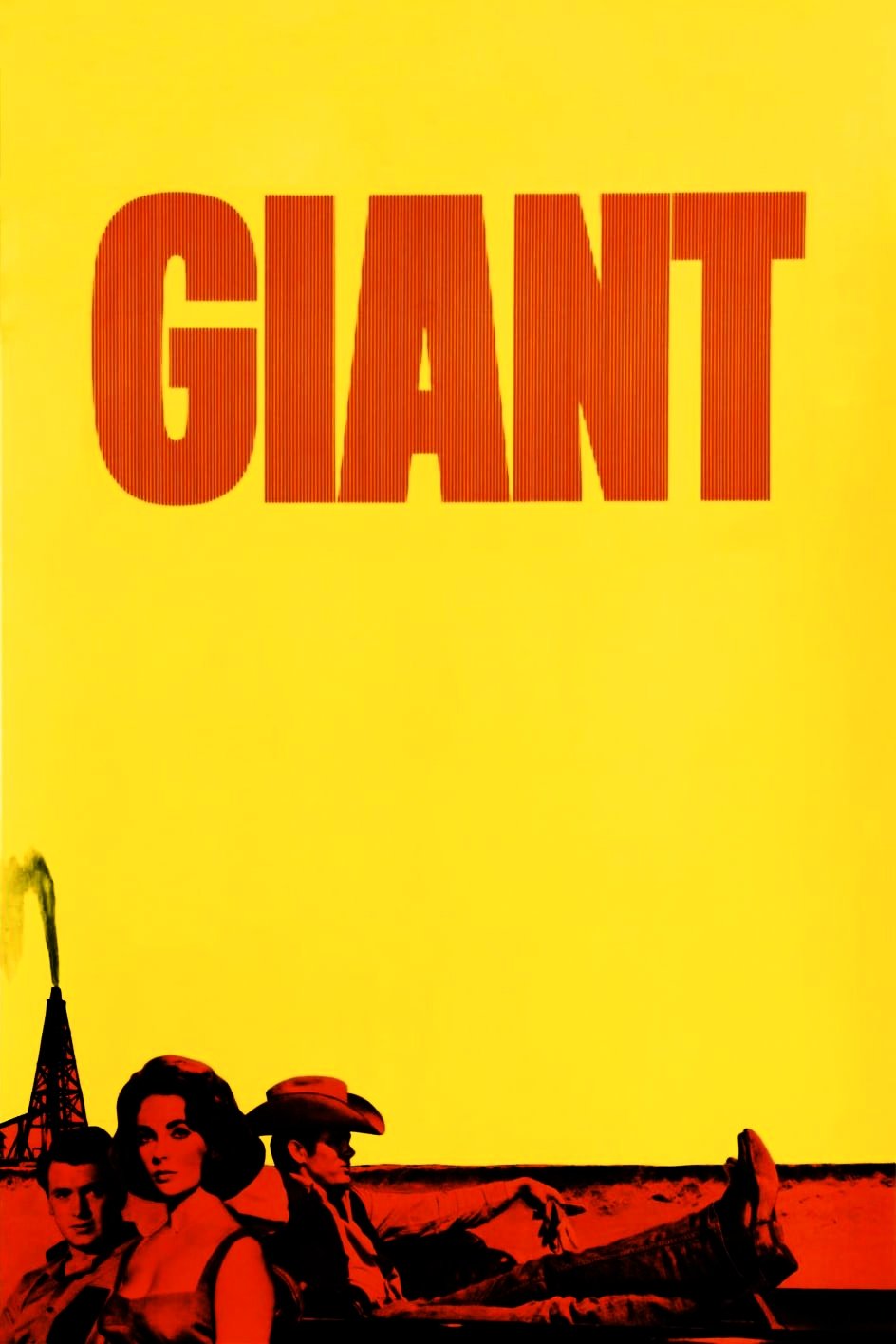
What the Film Is About
Every time I revisit “Giant,” I’m struck by its sheer ambition—not just as a sprawling Texas epic, but as an emotional excavation of identity, change, and the currents of power that run silently through families and entire communities. For me, the heart of “Giant” isn’t simply the vast oil-rich landscapes or the saga of a family’s fortune. It’s about collision—between old world and new, tradition and transformation, pride and empathy. Watching these characters navigate love, prejudice, and legacy, I find myself immersed in an emotional terrain as unpredictable and formidable as the land itself.
At its core, “Giant” follows the journey of individuals who are forced to reckon with the shifting tides of history, economics, and personal conviction. I see its central conflict as a generational and societal struggle—each character wrestling with what they inherit and what they must outgrow. Every triumph and heartbreak in the film is, for me, laced with the uneasy knowledge that on this Texas ranch, nothing—neither love, nor property, nor prejudice—remains untouched by the march of time.
Core Themes
What has always resonated with me about “Giant” is its fearless plunge into themes still pungent today. The film invites me to sit inside the tension between social progress and resistance to change, particularly in how it depicts race, class, and gender on the American frontier. I find the theme of power—both economic and personal—to be an ever-present force: oil wealth pours into the story like black gold itself, transforming landscapes and people with equal ruthlessness.
Equally potent for me is the exploration of identity and belonging—how pride in heritage can morph into destructive entitlement. Watching Bick Benedict struggle to reconcile his self-image as a “benevolent patriarch” with the reality of his exclusionary worldview, I’m reminded of the blindness privilege can breed. The film’s engagement with racism, especially against Mexican Americans, feels remarkably ahead of its time. “Giant” was released at the cusp of the Civil Rights movement, but even now, its depictions of casual and entrenched bigotry refuse to let me feel comfortable as a viewer. To me, the film’s questions about who gets to belong and who remains perpetually “other” cut straight to the core of American self-mythology.
I’m also drawn to its scrutiny of gender and progress through Leslie, whose resistance to traditional roles brings constant friction with the men—especially her husband. Her journey echoes for me as both a feminist assertion and a portrait of the quiet, often dismissed labor of empathy that women are expected to perform in families and social circles. Even decades later, the film’s willingness to dissect the costs of clinging to outdated ideals—and the messy, necessary work of change—remains stubbornly relevant.
Symbolism & Motifs
What I find particularly poetic about “Giant” is how it translates its thematic ambitions into visual and narrative motifs. The physical landscape—those endless sky-streaked horizons, the looming Benedict ranch house—becomes a symbol of both possibility and isolation. I read the land as a character in itself, embodying the promise of the American dream but also the barriers to unity and understanding. Every time the family’s ranch blurs into the oil fields, I’m reminded that material wealth often comes at an emotional (and communal) price.
Oil itself fascinates me as the film’s most insistent symbol. It’s more than wealth; it stains everything it touches, both literally and metaphorically. When Jett Rink strikes oil, the black geyser is both liberation and curse—a visual shorthand for ambition unchecked and the corrosive effects of greed and resentment. For me, oil disrupts the natural order, unraveling hierarchies and relationships as thoroughly as it remakes the land.
The motif of gatherings—family dinners, public events, even confrontations—serves as a microcosm of broader societal tensions. Each gathering, in my eyes, dramatizes who has a seat at the table, and under what terms. The visual motif of mirrors and reflections, peppered subtly throughout the film, constantly nudges me to question each character’s self-perception versus their public mask. Whenever a character stares into a mirror or is framed against a window, I sense the film urging us to examine not just who they are, but what they wish to be—or to conceal.
Key Scenes
Key Scene 1
The scene that lingers with me most occurs when Leslie confronts Bick after witnessing the humiliating treatment of Mexican American workers. This moment, quietly devastating, feels to me like the fulcrum on which the film’s moral axis turns. Leslie’s refusal to accept casual racism, and her willingness to challenge her husband’s authority, speaks volumes about courage in the face of ingrained injustice. Emotionally, I experience this as a standoff not just between individuals, but between competing visions of America—one exclusionary, the other inclusive, but both deeply flawed. It’s a scene rich in discomfort, but also hope—a rare moment where conscience trumps comfort. This scene, more than any, asks me: When is silence complicity?
Key Scene 2
Later in the film, when Jett Rink becomes wealthy and throws his grand, ostentatious banquet, I see it as a fever-dream illustration of ambition turned sour. What grabs me is not the spectacle itself, but the emptiness beneath the glittering surface. Jett is simultaneously triumphant and tragically isolated—his newfound wealth a shield and a prison. The scene exposes, for me, the hollowness of social climbing when it’s driven by spite and unresolved longing. Watching how the established elite sneer at Jett even as he tries to buy their acceptance, I feel the film peeling back the myth of the American meritocracy to reveal a rigid caste system cloaked in opportunity. This scene crystallizes the corrosive bitterness that can fester in the shadow of old resentments and broken dreams.
Key Scene 3
In the film’s climactic diner fight, Bick Benedict—humbled and older—defends his Mexican American daughter-in-law and grandson from racist abuse. For me, this moment lands as an earned epiphany, the capstone on Bick’s long (and stubborn) arc. Gone is the unyielding patriarch; here is a man who has finally risked comfort for principle. The fight is messy, physically and emotionally, but I read it as a statement of renewal: a faltering, authentic gesture toward empathy and solidarity, uniting the personal with the political. In that battered diner, the film whispers to me that real change—however belated or imperfect—begins in the willingness to abandon self-image for the sake of justice. Every time I reach this scene, I believe a bit more in the possibility of reconciliation and repair.
Common Interpretations
Over the years, I’ve encountered a range of interpretations for “Giant,” each refracted through changing cultural and social lenses. Many critics, I’ve found, read the film primarily as a critique of American exceptionalism: a lavish, sometimes ironic meditation on the myth of the self-made man and the costs of unchecked ambition. The transformation of Texas from cattle to oil, and the accompanying rise and fall of family power, is often seen as a microcosm for the larger American experiment—bold, flawed, irrepressibly hopeful.
Another interpretation that resonates with me focuses on the film’s handling of racism and prejudice. For many viewers, “Giant” stands as an unusually progressive Hollywood film for its time, not merely acknowledging discrimination but actively challenging it. While some critics argue that its stance is ultimately more symbolic than radical, I see value in the way it presses uncomfortable truths into the mainstream conversation. Others have highlighted the film’s complex gender politics, noting how Leslie’s storyline undercuts the myth of male authority and foregrounds the emotional intelligence required to confront injustice.
There’s also a significant thread in audience and critical response that views “Giant” as a meditation on generational change—on the anxiety, loss, and hope that accompany the fading of one era and the dawning of another. Whether interpreted as a cautionary tale, a love letter to resilience, or a sorrowful inventory of lost ideals, “Giant” remains a text rich in ambiguity. No matter how many times I watch it, the story’s central questions feel unsettled, demanding renewed attention and self-reflection.
Films with Similar Themes
- There Will Be Blood (2007) – Like “Giant,” this film explores the intersection of family, ambition, and the transformative power of oil, but with a darker, more feverish edge. Watching Daniel Plainview’s rise, I see echoes of Jett Rink—a story of greed and isolation swallowing the human spirit.
- The Godfather (1972) – The dynastic struggles and shifting codes of power in “Giant” remind me of the Corleone family’s navigation of loyalty, tradition, and change. Both films use the family as a metaphor for larger shifts in American identity.
- Gone with the Wind (1939) – The epic sweep and social commentary of “Giant” evoke, for me, the grandeur and contradictions of this earlier classic. Both films grapple with the intersections of love, land, and the legacy of social injustice in the American South and West.
- East of Eden (1955) – Released just a year before “Giant,” this film’s meditation on family expectation, outsider status, and the boundaries of acceptance strikes me as a spiritual cousin. Both stories wrestle with the costs of forging new identities in the shadow of history.
When I take a step back from “Giant,” what stays with me most is its refusal to give easy answers about who we are or who we might become. The film communicates, in sprawling, messy strokes, that ideals—progressive or regressive—hold immense power, but so does the capacity for personal transformation. Through the Benedict family’s journey, I’m reminded of how societies change: through struggle, resistance, and, occasionally, by remarkable acts of courage.
“Giant” brushes up against the idealism of the American dream and exposes both its seductions and its failings. Its message is that we are not just shaped by our inheritance—of land, money, or prejudice—but also by the dignity (or indignity) of our choices. The Texas sun may set on this particular family saga, but for me, the questions it poses about human nature, progress, and empathy keep burning bright, urging each new generation to negotiate what kind of giants we hope to become.
To explore how this film has been judged over time, consider these additional viewpoints.