
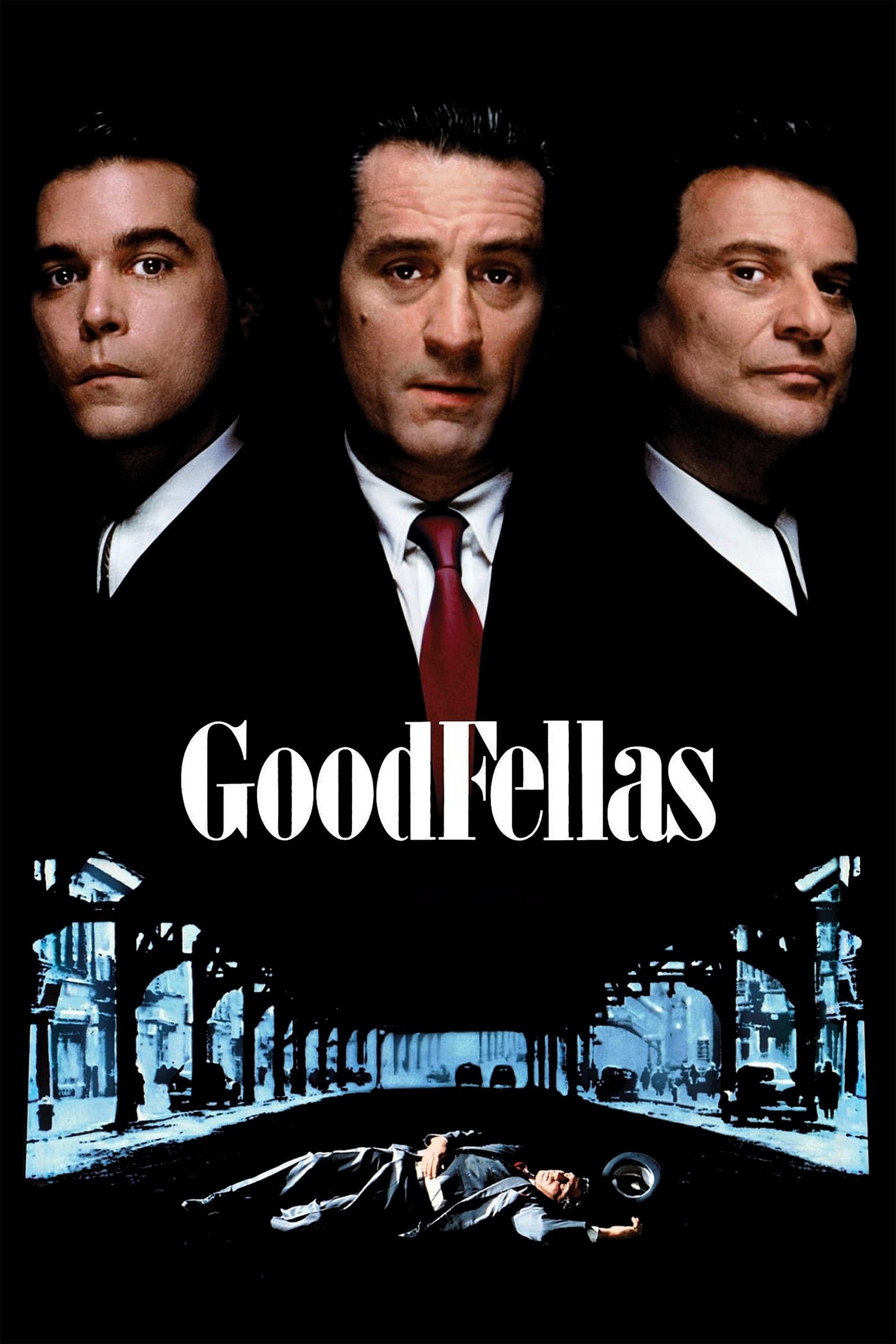
What the Film Is About
Every time I revisit Goodfellas, I’m struck, not by the crime or the violence, but by the all-consuming seduction of belonging to a world that pulses with its own adrenaline, morality, and style. For me, the film isn’t just a chronicle of crime; it’s an emotional rollercoaster through the intoxicating highs and sobering lows of chasing the American dream by sidestepping every conventional rule. The emotional arc is as much about desire and longing—to fit in, to be untouchable, to matter—as it is about the moral disintegration and isolation that follows.
What pulled me in from the first frame was this palpable tension: the drive to be part of something larger than myself, and the slow, inevitable realization of its cost. Goodfellas, at its core, lures me into the mindset of a world where loyalty is currency, and betrayal is inevitable. Watching Henry Hill’s journey, I felt the jagged contrast between the glamour of belonging and the crushing loneliness that comes with being cast out.
Core Themes
It’s not an exaggeration to say that Goodfellas changed how I think about crime movies, because it blew apart the romantic myth of the gangster and replaced it with an unsettling meditation on power, identity, and the destructive price of loyalty. What I see at the heart of the film is the intoxicating myth of the “self-made man”—a central American story, just told with blood and bribes instead of boardrooms.
Power in Goodfellas is inseparable from violence. I always notice how the film portrays violence not just as a tool, but as a language: a means of communication in a closed society where status and respect are everything. That respect often teeters between admiration and terror. For me, the film interrogates how quickly power can corrode the soul, how easily lines between ambition and amorality blur when the rewards feel immediate and real.
Identity is equally fraught. I find Henry’s arc less a simple rise and fall than a constant negotiation—trying on different selves, never at home as a “regular schnook,” but never fully embraced as a true insider either. The theme of loyalty resonates most for me when I watch the relationships unravel. The brotherhood that initially seems so tight-knit dissolves in paranoia and self-preservation, and I see how the film uses loyalty not as a virtue but as a trap. In the end, the “family” is revealed as transactional and expendable, a commentary I find just as relevant today in an age obsessed with status and networks.
When Goodfellas came out in 1990, it seemed to pierce the Reagan-era surface gloss—calling out the rot, corruption, and seductive mythmaking underpinning American culture. I still find its themes relevant: questions about the price of “success,” the emptiness inside empire-building, and the vulnerability of belonging. In today’s fractured social landscape, that message hits even harder than when I first watched it.
Symbolism & Motifs
Every time I pay close attention to the film’s visual patterns and recurring images, I see Scorsese’s artistry at work, layering meaning beneath the surface. The camera rushes through kitchens and nightclubs with the same hyperactivity I associate with ambition and greed. For me, the famous long tracking shot through the Copacabana isn’t just about technical brilliance; it pulses with the sensation of being ushered into a forbidden world, the camera itself seduced by the seamless access power provides.
One recurring motif that stands out to me is food—the endless shots of cooking, eating, and hosting. Meals are never just meals in Goodfellas; they are rituals of loyalty, power, and status. When I see the mobsters carefully slicing garlic in prison or hosting elaborate house parties, I’m reminded how culture and crime intertwine, and how appetite (for food, for wealth, for status) is insatiable but ultimately unsatisfying.
Clothing, cars, and music become recurring symbols of arrival. Every costume change, every shiny new car is like another badge of belonging. But by the end, I feel how these symbols become hollow—they signify nothing when stripped of community and respect. The soundtrack choices also double as time capsules, mapping shifts in mood, decade, and worldview. Scorsese, to me, uses these pop songs almost as emotional counterpoints, underscoring both swagger and impending doom.
Above all, I find the motif of doors—openings and closings—rich with symbolic meaning. There’s always another door to walk through, another threshold between outsider and insider, danger and safety. But ultimately, every door leads to the same end: isolation. So much of the film’s power, for me, comes from watching those thresholds close one by one.
Key Scenes
Key Scene 1
If I had to choose a single scene that crystalizes the emotional heartbeat of the film, it’s the “funny how?” restaurant exchange between Tommy (Joe Pesci) and Henry (Ray Liotta). On its surface, it’s just a boastful celebration. But the way Tommy flashes from charming to menacing—forcing Henry (and the audience) to second-guess every gesture—captures the volatility at the film’s core. I feel my own pulse race on each viewing, because this scene strips away any delusion that violence is just business. Here, power is unstable, respect is a knife’s edge, and friendship can dissolve in a laugh or a gunshot. The scene chills me because it dramatizes the unpredictability of living in a world ruled by egos and suspicion.
Key Scene 2
Karen Hill’s frantic sequence, as she flushes the cocaine and realizes the full scale of her family’s collapse, always leaves me shaken. This moment, for me, is where the film’s gender politics assert themselves: Karen’s complicity, her desperate improvisation, and her ultimate powerlessness underline the cost of aspiring to power in a world built for men. I see Karen not just as a bystander, but as someone who succumbs to the same seductions and pays an equally devastating price. The scene develops the film’s core theme of belonging at any cost. It shows how complicity erases innocence, and how personal identity (as mother, wife, socialite) becomes subsumed within the mob’s anxious realities.
Key Scene 3
The closing moments, with Henry in witness protection, open a trapdoor beneath all the film’s glamor. “I get to live the rest of my life like a schnook,” he sighs—not mournful so much as hollowed out. This isn’t just a fall from grace; it’s a fall into emptiness. For me, this is the final statement on the American dream as a mirage: the promise of freedom and privilege is just another cage, and the cost of betrayal is to be rendered invisible. The film here exposes the inevitable result of a life built on violating boundaries: the self, stripped of substance, exiled into bland anonymity. The satisfaction of power evaporates. What remains, I realized, is loneliness.
Common Interpretations
I’ve heard and read countless interpretations over the years, but a few core readings continually resonate with both critics and general viewers. Most widely, people see Goodfellas as a subversion—a deliberate dismantling—of the gangster myth. Scorsese’s gaze, to me, is neither judgmental nor admiring; instead, he invites us to experience the thrill and see the rot underneath. Many people read the film as a cautionary tale, warning about the dangers of unchecked ambition and the fragility of loyalty under pressure.
Others I respect focus on the sense of belonging—how the allure of community and status can drive people to justify almost anything. The voiceover, to me, functions as confessional and seduction all at once. I’ve also encountered readings that stress the film’s structure: the cyclical nature of violence and betrayal, the sense that the rise and fall pattern is woven into the fabric of criminal life. Some interpret Henry’s narrative as emblematic of immigrant striving—the fraught attempt to “make it” in America—while others emphasize its relevance as a broader critique of capitalism, where loyalty, ethics, and identity are constantly for sale.
I’m also struck by feminist responses, often pointing to Karen’s arc as an indictment of patriarchal complicity and the cost women pay as collateral. The film remains rich enough to allow for both sociopolitical and purely psychological readings, which is why I always return with new questions each time.
Films with Similar Themes
- The Godfather (1972) – I see both films as meditations on power, family, and the cost of ambition. But while The Godfather cloaks brutality in tragic dignity, Goodfellas strips the myth bare, showing the chaos beneath tradition.
- Casino (1995) – To me, this feels almost like a spiritual companion, with the same fascination for power dynamics, greed, and the inevitable corrosion of loyalty and love within criminal empires.
- Scarface (1983) – Watching Scarface after Goodfellas, I’m always struck by the parallel dreams of self-creation that spiral into violence and isolation. Both films interrogate the American dream’s dark side, though through different cultural lenses.
- A Bronx Tale (1993) – While more didactic and nostalgic, this film’s exploration of growing up surrounded by crime, belonging, and the moral crossroads echoes much of what haunts me in Goodfellas.
What I ultimately take from Goodfellas is a sobering meditation on the hollow allure of belonging at any price. It’s a film that exposes the human need to matter, to possess power and respect, and how easily those hungers blind us to what we’re sacrificing. To me, Scorsese’s masterpiece is less an indictment of criminals than a mirror held up to a society addicted to hierarchy, applause, and dreams of arrival. Even now, its moral questions and emotional turbulence feel as pressing and unresolved as ever.
To explore how this film has been judged over time, consider these additional viewpoints.