
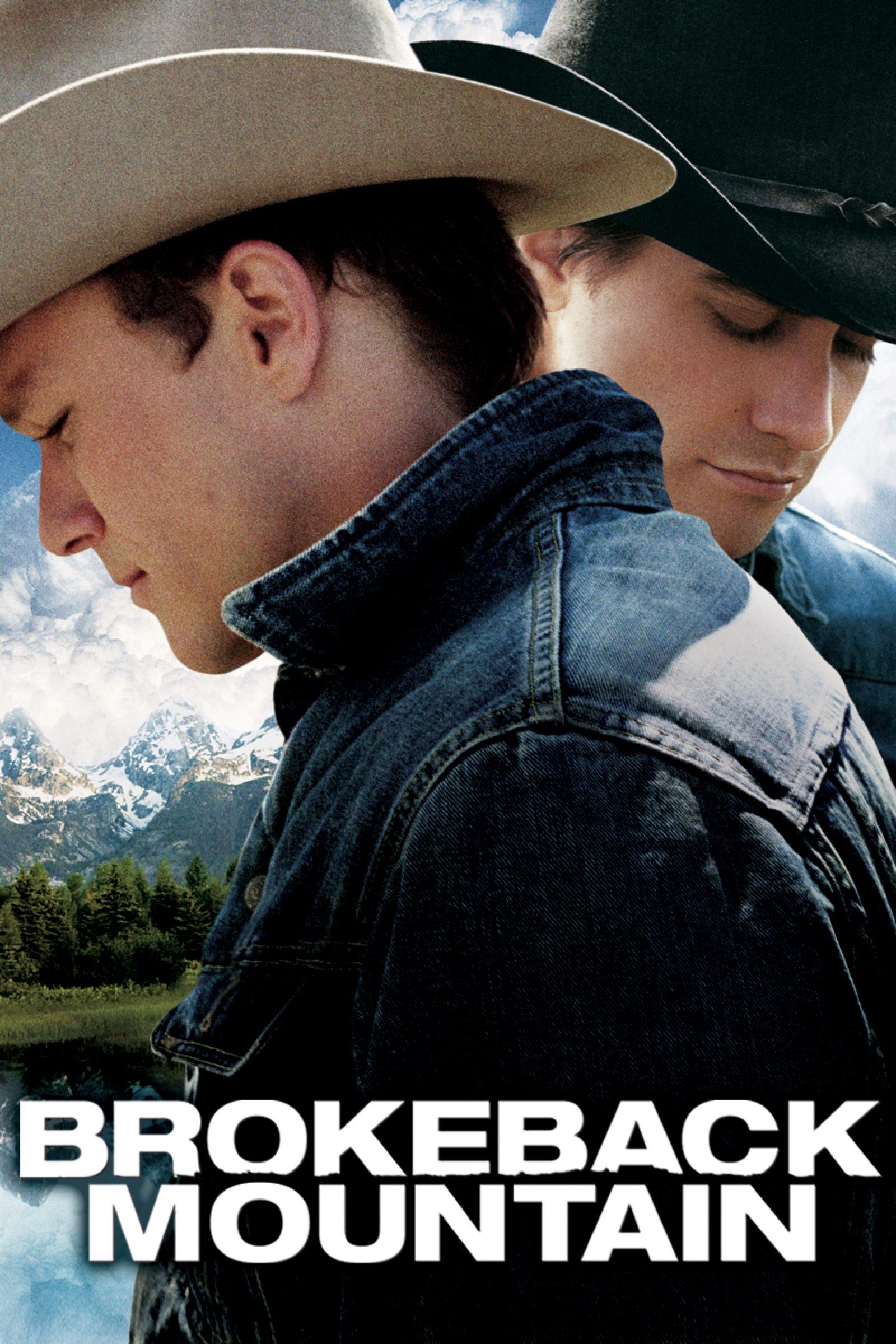
What the Film Is About
Sometimes a film pierces right through the surface, evoking questions I didn’t expect and stirring something almost inexpressible. “Brokeback Mountain” is one of those rare experiences for me. At its heart, the film branches far beyond the story of two men—Ennis and Jack—who are drawn together across the backdrop of 1960s Wyoming and Texas. Their journey is less about the standard narrative beats and more about the emotional cost of loving who you love in defiance of everything you’ve ever been told. I see the film as an intimate meditation on longing, silence, and the way our own internalized fears echo outwards, shaping what we dare to hope for.
Rather than framing their relationship merely as forbidden, I feel “Brokeback Mountain” tracks the ache of unfulfilled lives. It’s a film where the tension isn’t just between people, but inside the individuals themselves. Ennis and Jack find brief, brilliant freedom in a world that makes genuine connection nearly impossible. I come away not only grieving what’s lost on screen, but also marveling at the profound persistence of desire—even if it’s always, inevitably, at odds with what’s expected.
Core Themes
Above all, I sense that “Brokeback Mountain” is a film that spends its time with the question: what do we owe to our authentic selves, and at what cost? The most powerful theme for me is repressed love—not just the love between Jack and Ennis, but also the unspoken love denied in quiet glances, stifled conversations, lives left half-lived. I find this struggle with identity resonant; it is both highly specific (to a time, a place, a set of cultural codes) and, paradoxically, universal.
Another core theme is the suffocating influence of societal norms. I watch Ennis’s fear become like a shadow that stretches over every moment of potential happiness, and I notice how the film creates a world where silence speaks louder than words. Social expectations—masculinity, marriage, duty—become an almost physical barrier. Every time the film revisits these norms, I see the exhaustion in the characters—an exhaustion that feels hauntingly familiar long after the credits roll.
Even now, years after its 2005 release, these themes remain as urgent as ever. The film came at a moment when LGBTQ+ stories were pushing into the mainstream, but it never feels like a shallow statement. Instead, I feel it asks, quietly and insistently: what remains of us when we cannot live openly? Why do so many carry regret as their constant companion? In a world still learning how to embrace difference without punishment, the film’s relevance has only grown. I see it as a cinematic reminder that, while social progress is possible, the terrain of the heart remains perilous for anyone asked to live in hiding.
Symbolism & Motifs
What sticks with me most after thinking about “Brokeback Mountain” are its meticulously chosen symbols—moments and objects that radiate meaning well beyond their literal presence. The mountain itself is an obvious start, yet I experience it less as a simple setting and more as an almost mythical space. Here, I see freedom and its impossibility—a natural world vast enough to conceal desire, but never immune to the outside world’s encroachments. The mountain becomes a place apart, a fragile sanctuary that neither man can ever fully possess.
Clothing stands out for me as well: Jack’s and Ennis’s shirts, hidden away in a closet inside another closet, serve as a kind of memorial to what was and what could never be. When Ennis discovers those shirts, I’m struck by the intimacy and pain woven into the fabric—how something as mundane as an old shirt can harbor years of longing and loss.
The motif of silence, too, dominates the film—not just silence from speech, but the lack of words for what needs to be said. Every unspoken feeling seems heavier than what’s actually expressed. I notice this motif in the space between the characters, in the way the camera lingers on their faces or the endless landscapes. Sometimes, it’s the quiet that crushes most.
Seasons and weather changes are not just background, but as I perceive, emotional barometers. Harsh winters coincide with emotional withdrawal, or the frigid realities of returning to “normal life,” while bright summer days stand for the rare moments of warmth and connection. The cycles of nature mirror cycles of risk, repression, and reunion.
Key Scenes
Key Scene 1
For me, the scene that offers the richest entry point into the film’s soul is the first reunion between Ennis and Jack after years apart. I feel the explosion of suppressed emotion that erupts is less about erotic charge and more about the backlog of yearning. There is a wild, desperate quality in their embrace; what moves me is the sense that nothing—neither time nor distance nor the weight of their separate lives—can dampen the fundamental hunger to be truly known by another person. It’s a scene that strips away pretense and exposes not just forbidden romance, but the universal ache to be seen and loved, even if only for a moment.
Key Scene 2
Another scene I return to, again and again in my mind, is the quiet confrontation between Ennis and his wife, Alma, after she discovers the truth about his relationship with Jack. What struck me is how little is said and how much is spoken in gesture and silence. Her anguish and accusation seem to force Ennis into a deeper reckoning with himself—not just his sexuality, but his inability to claim joy in the face of society’s condemnation. For me, this scene crystallizes the film’s argument about collateral damage: how fear, bred by social intolerance, ripples outward and wounds far more than just the individuals directly involved.
Key Scene 3
The film’s closing scene, when Ennis holds Jack’s shirt and whispers “Jack, I swear,” is the one that devastates me each time. This moment, for me, operates as a final coda about love’s endurance even amidst irrevocable loss. With both shirts—the one Jack wore atop Ennis’s own—Ennis physically gathers what remains of his love and regret into a private grammar only he can read. I see this as a statement about the costs of silence: all that is left are tokens, remnants, and an abiding ache that only the person left behind can understand. This personal ritual is where the film’s themes crystallize—what is not spoken becomes the most lasting legacy.
Common Interpretations
In my experience, audiences and critics most often take “Brokeback Mountain” as a tragedy of thwarted love, an elegy for lost possibilities and the pain inflicted by a culture unable to countenance difference. Many interpret the film as a direct challenge to standard Hollywood romance, noting its refusal to present either character as a simple victim or hero. I agree: it is precisely that moral ambiguity and the refusal to deliver a cathartic resolution that gives the film its staying power.
Some critics emphasize the film’s social angle—its critique of homophobia in rural America and the way masculinity is policed through violence and silence. Others, myself included, are more drawn to its universality: I see “Brokeback Mountain” as a meditation on the gap between desire and reality, and the limits imposed by circumstance, not only sexual orientation. There’s a debate, too, about whether the film presents queerness as tragic, or whether it’s the wider world’s cruelty that is truly tragic. For me, it’s less about sexual identity and more about the universal trauma of love denied.
Of course, some viewers focus on the film’s quiet hope—that even in immense suffering, love persists. While I find that reading moving, my own view is that the film is fundamentally about memory and regret: the things we cling to when everything else collapses.
Films with Similar Themes
- Call Me by Your Name (2017) – Like “Brokeback Mountain,” this film examines a transformative summer romance constrained by social norms and personal inhibitions. What connects them for me is not only the exploration of forbidden love, but the lingering ache of what might have been.
- Moonlight (2016) – This film delves deeply into the interplay of masculinity, sexuality, and silence, especially within a hostile environment. I see a shared tenderness and vulnerability between “Moonlight” and “Brokeback Mountain,” both films telling stories often hidden from view.
- Carol (2015) – I find a resonance in how both films layer desire beneath repression, using glances and gestures rather than explicit declarations. The underlying theme of love struggling against societal strictures connects both narratives to deep questions of identity and courage.
- Portrait of a Lady on Fire (2019) – This French drama echoes “Brokeback Mountain” in its meditation on memory, absence, and the impossibility of living openly. I see both films as haunted by the knowledge of impermanence, using art and memory as a way to anchor what cannot be lived out in public.
To me, “Brokeback Mountain” is ultimately an exploration of the human longing to live authentically when the world offers only risk and reprisal. It’s about the stealthy power of love—how it persists despite being forced into shadows. The film left me with a sharp reminder that the pain of what might have been is both uniquely personal and shared across generations. In holding up a mirror to fear, silence, and longing, it urges me to examine how much of myself I am willing to forsake just to belong.
After learning the historical background, you may also want to explore how this film was received and remembered.