
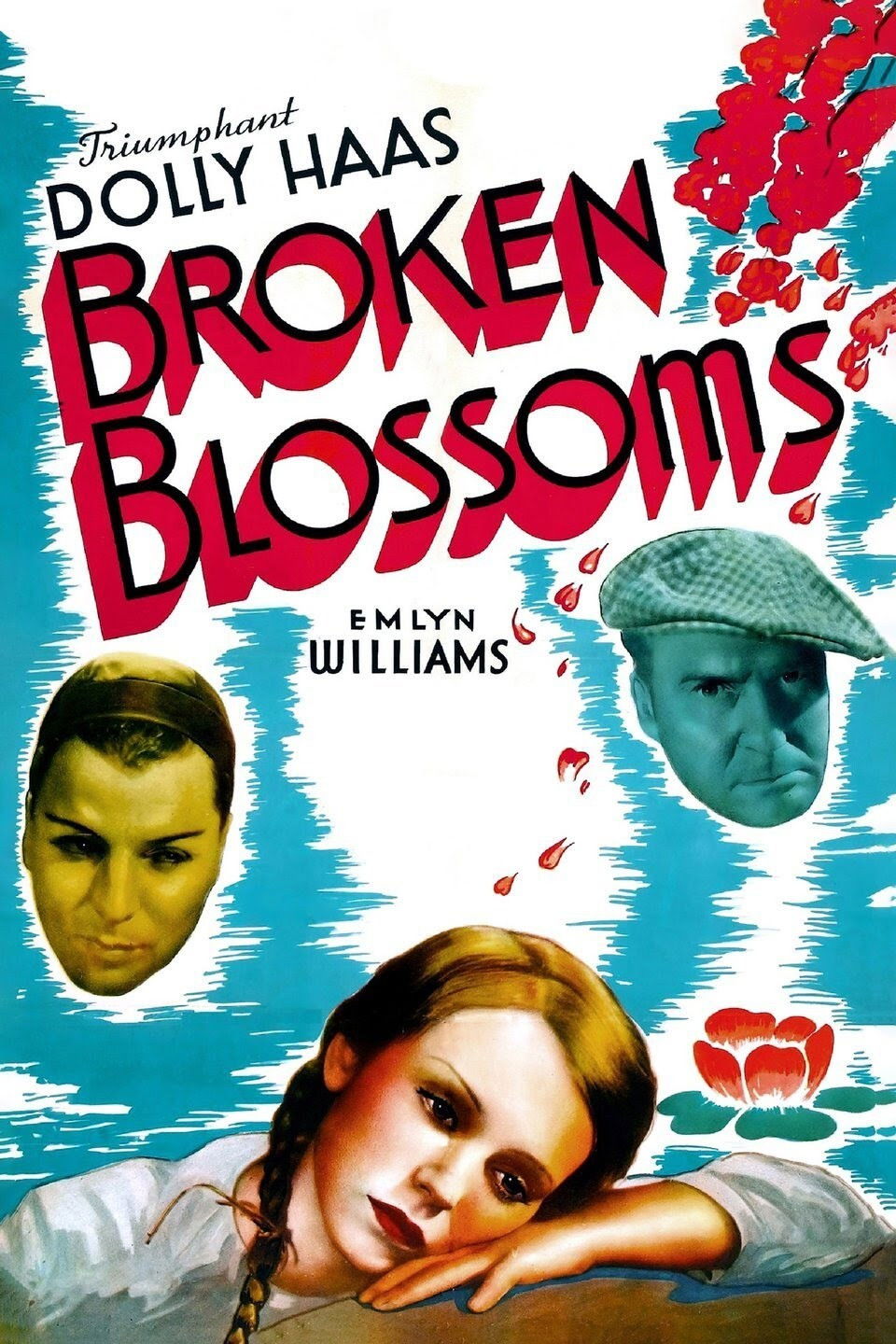
What the Film Is About
I’ve always believed that “Broken Blossoms” is less a story than an aching, visual poem about the possibility of gentleness in a bruising world. When I first watched it, I felt myself pulled into a dreamlike vision where kindness and brutality exist in a kind of tense, feverish proximity. The film’s emotional center, to me, is not about the particulars of plot, but the gradual collision between innocence and cruelty, hope and despair. I saw a narrative that escorts its characters—each battered by their own surroundings—toward a fragile sliver of compassion that feels so rare and precious because the world of the film seems intent on extinguishing it.
What makes “Broken Blossoms” so impactful to me isn’t just the outline of a star-crossed connection or the melodrama of suffering, but the sense of yearning it imparts. The story is propelled by a deep need for refuge—from violence, from prejudice, from indifference. As I see it, the film carves open a space for empathy, inviting me to reflect on how, even in the darkest corners, the faintest glimmer of understanding can become a lifeline.
Core Themes
When I unpack the heart of “Broken Blossoms,” several entwined themes emerge, but at the center is the devastating force of violence and the redemptive, stubborn beauty of human tenderness. The film aches with a longing for sanctuary, both physical and emotional—a motif that, in my view, exposes the cost of existing in a society that prizes strength over kindness. Watching it, I’m always haunted by how the characters are shaped, corroded, and sometimes uplifted by the forces that swirl around them: poverty, xenophobia, toxic masculinity, and the profound loneliness of being an outsider.
I find the exploration of otherness especially resonant. The characters are cast adrift from mainstream society—one marked by race and origin, another by class and gender, and the last by his own brutality. “Broken Blossoms” doesn’t just present suffering; it interrogates its sources. At the time, such themes would have been contemporary and bold, confronting early 20th-century anxieties about immigration, urban decay, and child welfare, while also offering a piercing look at cycles of abuse. To my eyes, these issues have only grown in relevance. The film’s questioning of what it means to shelter the vulnerable—what it means to be truly seen and cared for—strikes a chord that oscillates through every era.
What really lingers with me is the film’s treatment of hope against the odds. “Broken Blossoms” doesn’t promise salvation, but it honors characters who continue to reach for consolation, no matter how fleeting. The movie makes me consider how moments of compassion—no matter how small—can matter more than any grand gesture, especially when survival itself feels like an act of defiance.
Symbolism & Motifs
What fascinates me, watching “Broken Blossoms” again and again, is how D.W. Griffith communicates vast, wordless feeling through his use of symbols and recurring imagery. The motif of the blossom itself is central: delicate, beautiful, but terribly fragile. I feel that each time a blossom appears, the film is reminding me of innocence under siege. It’s a symbol of hope trying to bloom in an environment that is hopelessly hostile, and the “breaking” of that blossom is a quiet metaphor for the damage done to spirits that are too gentle for their surroundings.
The theme of sanctuary is constantly evoked in visual terms. There is the contrast between the brutal, claustrophobic spaces of the home—where violence is cyclical and unescapable—and the almost dreamlike refuge the protagonists briefly share. I see the interplay between light and shadow in these moments as a visual shorthand for hope flickering in darkness. Curtains, doors, and windows are not just background details; for me, they become borders between worlds, thresholds between danger and solace.
Another subtle motif I’m struck by is the film’s use of cultural objects and visual language to signal both connection and difference. The protagonist’s Chinese heritage is rendered in soft, lyrical gestures: lanterns, prayer wheels, and contemplative silence. While I recognize—and am troubled by—the limitations and stereotypes of the era, I also see Griffith striving (however imperfectly) to create a counterpoint to the coarseness and violence of the surrounding world. This “foreignness” becomes, paradoxically, both a source of alienation and of quiet dignity in the film’s moral universe.
Key Scenes
Key Scene 1
For me, one of the film’s most defining moments comes as the young girl, battered and terrified, seeks sanctuary in the shop of the gentle protagonist. This scene is crucial to my understanding of “Broken Blossoms” because it crystallizes the contrast between brutality and tenderness that forms the film’s spine. Watching their encounter, I’m moved by how the gentlest gestures—a smile, an offering of food, a simple wordless kindness—take on heroic significance. The stakes here are emotional survival. That this refuge is so tentative, so utterly temporary, makes the scene all the more poignant. To me, it highlights the film’s aching belief that kindness is both vanishingly rare and desperately needed.
Key Scene 2
Another sequence that speaks volumes to me occurs when the outside world intrudes upon this fragile sanctuary. The violence that shatters their peace is not just physical—it’s symbolic of how the world treats those deemed weak or “different.” In this moment, I feel the film challenging me: Can beauty and goodness endure in the face of overwhelming brutality? The despair that follows is not just the loss of safety, but the recognition that society itself may be complicit in perpetuating cycles of harm. The characters are not simply victims; they are caught in a system that punishes gentleness and rewards domination. This scene, to me, is a heartbreaking meditation on the costs of refusing to conform to a merciless status quo.
Key Scene 3
The film’s final moments, which I find deeply affecting, do not offer any neat resolution. Instead, we are left with a bittersweet tableau—a visual elegy for what could have been. Here, compassion comes too late, and the cost of both action and inaction is made agonizingly clear. I’m always struck by how “Broken Blossoms” ends not with justice, but with a quiet mourning, as if paying homage to lost possibilities. To me, this is the film’s final statement: that brief, fragile connections matter profoundly even when they cannot change the world. The ending does not redeem suffering, but it honors the courage it takes to reach for love in a loveless world.
Common Interpretations
Among film scholars and casual viewers alike, “Broken Blossoms” has been seen as a parable about the resilience of the human spirit in a world that often crushes the weak. What I find interesting is how the film provokes different responses: for some, it is a progressive plea for tolerance and empathy, a rebuke of prejudice and cruelty. Others look at its racial dynamics and see well-meaning sentiment trapped within the stereotypes of its time—a work that both sympathizes with and patronizes its marginalized characters. I personally struggle with this tension when I watch: admiring its advocacy for kindness while wishing for more complexity in its portrayal of otherness.
There’s also a feminist reading that resonates with me, one that sees the film as an indictment of patriarchal violence and the institutions that allow it to flourish. The suffering of the young girl comes to stand for the vulnerabilities women face within both the home and the wider world. The rare moments of agency she experiences—small, tentative acts of self-protection—feel, to me, all the more significant in this context.
Some have interpreted “Broken Blossoms” as an indictment of society at large, not simply the sins of individual abusers. I agree with this view: the film’s most persistent message is that social indifference, poverty, systemic neglect, and isolation all conspire to perpetuate suffering. It forces me to consider whether tenderness is enough, or if more radical change is necessary for genuine safety and dignity.
Films with Similar Themes
- The Kid (1921) – Like “Broken Blossoms,” this Chaplin classic explores poverty, the vulnerability of children, and the redemptive possibilities of kindness amid hardship. I see both films as meditations on how small acts of human connection can defy harsh social realities.
- Pather Panchali (1955) – Satyajit Ray’s masterpiece also locates moments of hope and beauty within environments shaped by deprivation and suffering. The parallels, for me, lie in their poetic attention to emotional survival despite relentless adversity.
- The Elephant Man (1980) – Here, David Lynch’s sensitivity toward a brutalized outsider recalls the moral questions posed by “Broken Blossoms.” I am drawn to the struggle for dignity and connection in a society that responds to difference with exploitation and cruelty.
- City of God (2002) – While more contemporary and violent in its portrayal of marginalized lives, this film echoes the way “Broken Blossoms” addresses cycles of violence, the quest for sanctuary, and the tragedy of innocence caught in forces beyond its control.
Returning to “Broken Blossoms,” I’m always left considering what it says about us—about me, about the societies we inherit, reinforce, or attempt to change. The film refuses easy comfort, instead offering a tender but clear-eyed look at the cost of both action and inaction. Through haunted silences and tentative gestures of care, I feel the film asking if gentleness can ever survive unscathed in reckless, hardened environments. Its lasting power, for me, lies in the insistence that even the most fleeting connections matter—reminding me that moments of warmth, however impermanent, shape how we endure and imagine a different world.
After learning the historical background, you may also want to explore how this film was received and remembered.