
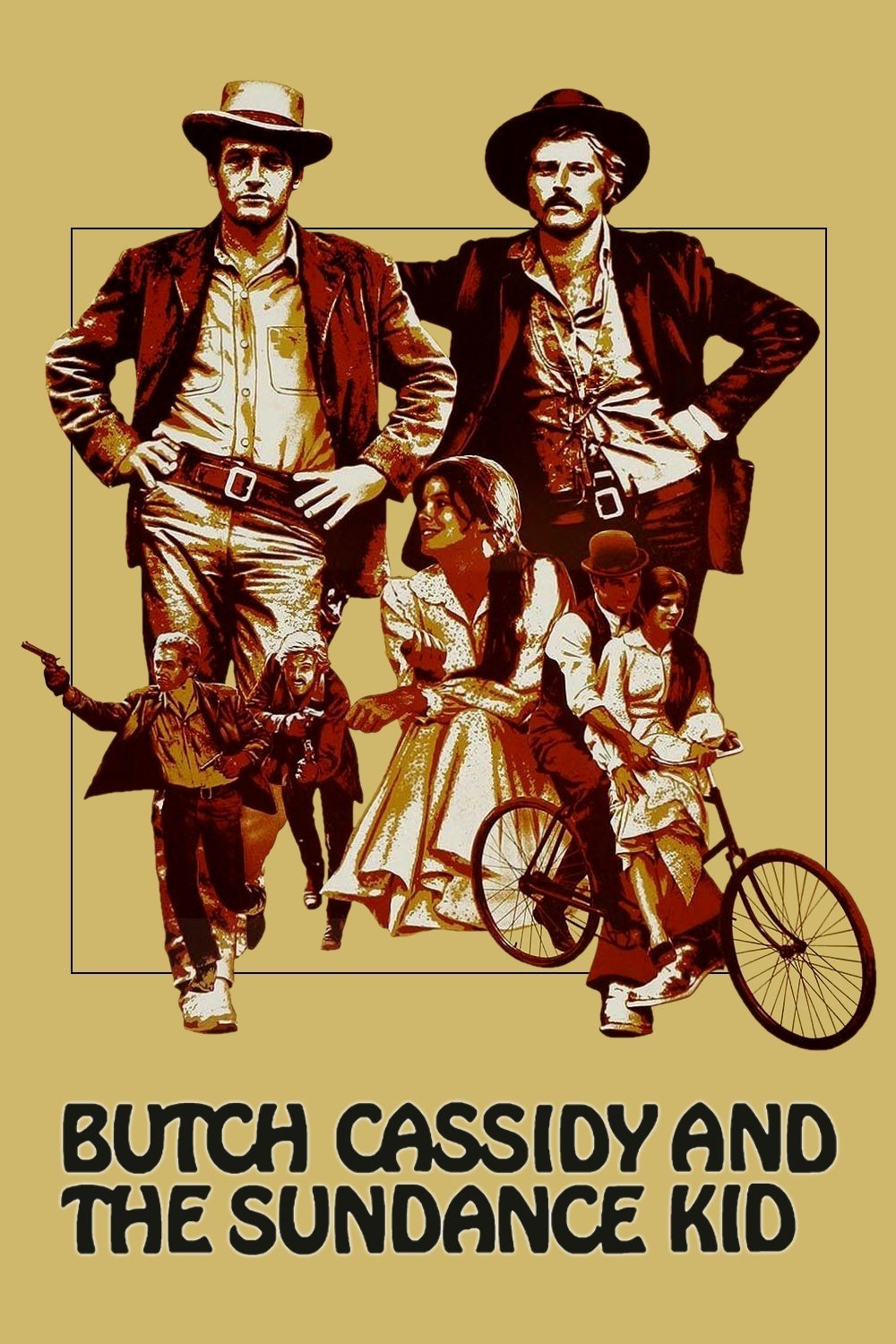
What the Film Is About
When I watch “Butch Cassidy and the Sundance Kid,” I don’t find myself tracking the moves of two infamous train robbers so much as joining a bittersweet ride alongside two men out of step with their time. Every moment feels suspended between exhilaration and melancholy, as if the characters sense—just beneath their banter and bravado—that the world they understand is swiftly vanishing. There’s an emotional core not just of friendship, but of fragility, in watching these outlaws chase freedom through a landscape that no longer has room for them.
To me, the film’s heart isn’t the tug-of-war with the law or the mechanics of criminality; it’s the slow, unspoken realization that change is both irresistible and deeply personal. Butch and Sundance might seem like legends, but their journey is far more vulnerable: a desperate scramble against the shadow of obsolescence, wrapped in humor, tenderness, and a sense of fatalism that pervades almost every breathless escape and quiet conversation.
Core Themes
Again and again, I return to the pervasive sense of transition that “Butch Cassidy and the Sundance Kid” explores. For me, few films more poignantly capture what it means to live through the dying light of an era. At its core, I see the film wrestling with the last flickers of the American frontier spirit, that seductive idea of freedom and self-reinvention. But against the modernizing world’s relentless march—embodied so memorably by anonymous pursuers and new technologies—the myth cannot sustain itself forever.
This tension between romantic rebellion and looming reality strikes me as timeless. The allure of autonomy, the fantasy of simply outrunning our problems, collides here with the brute fact of historical change. I always find myself gripped by how the film weaves together loyalty and loss—not just in the partnership of Butch and Sundance, but in their tenuous hold on their own identities. They’re loyal to each other above all, but their struggle is also with who they once were and who the world now demands them to become.
The film came out in 1969, at a moment when America was itself awash in countercultural rebellion and anxious self-examination. That edge of the Western fading into ambiguity meant something pointed then—a country unsure whether its old myths could guide it any longer. But even as decades pass, I think that longing for agency, the mournful beauty of change, and the value of imperfect friendship haven’t lost any of their relevance. These themes keep the film vivid and painfully relatable, whether you know the Old West or not.
Symbolism & Motifs
Every time I revisit the film, I’m drawn to the recurring visual motifs of journeys and divisions—long shots of endless landscapes, the constant movement by horse or bicycle, the ever-present horizon that both promises escape and signals unattainability. These landscapes evoke not just America’s physical vastness but also the psychological distance between the world Butch and Sundance wish for and the one they actually inhabit. The train becomes more than just a mark of progress; it’s a harbinger of change—sometimes humorous, often perilous, and always unstoppable. In my interpretation, every train robbery feels like a doomed attempt to hijack time itself.
The film never misses a chance to remind me how laughter can mask dread. It uses wit and playful camaraderie not just for comic relief, but as a defense against the encroaching darkness. The recurring motif of water, from rivers that symbolize both renewal and entrapment to the relentless fording of obstacles, underlines the characters’ liminality—they’re always in between, never truly belonging to one world or the next. Even the bicycle, which appears as a novelty, stands in for modernity itself: a harbinger of inevitable change that the old ways can’t quite contain.
What resonates with me most is the careful use of silhouette and shadow, especially in moments where Butch and Sundance are dwarfed by the immense landscapes or the faceless posse. It’s a visual reminder: no matter how quick-witted or capable, we all stand small before the tides of history and fate.
Key Scenes
Key Scene 1
I always return to the “Bicycling with Etta” sequence, accompanied by the gentle strains of “Raindrops Keep Fallin’ on My Head.” On the surface, it’s a cheerful, even whimsical moment—a counterpoint to the film’s violence and uncertainty. But to me, its true function is elegiac. The bicycle, representing progress and the new century, is alien to Butch’s world, and his playful clowning is tinged with both innocence and futility. In that moment, I see both characters indulging in the illusion of lightheartedness, consciously or not, to stave off the encroaching knowledge that their kind of freedom is passing. It’s both celebration and swan song—a poignant reminder that joy is often most vivid on the cusp of disappearance.
Key Scene 2
Later in the film, when Butch, Sundance, and Etta cross the border into Bolivia to escape the unyielding law, I feel the mounting weight of displacement and hope’s fragility. Their exile is more than just geographical—it’s existential. The crowded, unfamiliar locales and foreign language underscore how lost they are, even together. This scene, to me, crystallizes one of the film’s richest themes: flight is not freedom. The past is inescapable, and the relentless pursuit they face becomes a metaphor for all the forces—internal and external—that refuse to be shaken off. Butch and Sundance’s bond remains, but their confusions and desperation expose just how little a change of scenery can alter one’s fate or fears.
Key Scene 3
The final standoff, with Butch and Sundance wounded and cornered, is for me the film’s ultimate distillation of what it means to be human in the face of inevitability. Their decision to charge forward, guns blazing, is reckless and almost joyful—a final assertion of defiance and kinship, even in the certainty of defeat. What reaches me most is the way their heroism is rendered ambiguous. It isn’t just the end of two legendary outlaws; it’s the death knell of an entire way of being. The freeze-frame on the two friends at their last moment together encapsulates the entire film’s meditation on myth, memory, and mortality. It transforms them from mere men into enduring symbols—of hope, hubris, and loss—all in a single, silent image.
Common Interpretations
When I speak with fellow film lovers or delve into critical essays, I find a range of interpretations coalescing around two dominant readings. One, which I often share, hinges on nostalgia—the notion that the film is a mournful love letter to vanished possibilities: the Western frontier, the outlaw hero, the very spirit of unchecked adventure. The humor and partnership are typically read as ways of coping with decline and uncertainty. Their loyalty takes on almost tragic proportions because it cannot reverse history’s current, only delay it for a heart-stopping instant.
Others see it as a commentary on anti-heroism: an early break from the moral certainties of classic westerns, and a precursor to the cynical, questioning tone of 1970s American cinema. In this lens, Butch and Sundance are neither true heroes nor outright villains. Their violence is at once exhilarating and problematic; the film neither condemns nor celebrates, instead inviting the viewer to weigh the complexity of romanticizing such figures. I sometimes lean into this debate myself, wondering whether the film is warning us about the dangers of resisting change—or instead, about the quiet dignity in refusing to surrender the myths that shape us.
There’s also an interpretation rooted in the turbulent history of the late ’60s: that the film’s outlaws mirror the youth movements of the day, spirited but ultimately crushed by institutional power. Drawing parallels to civil unrest and generational divides, some viewers perceive the narrative as an allegory for the dying hope of revolutionary change. While I find that analogy a little on-the-nose at times, I can’t deny that the film buzzes with an energy of transition—its sense that the world is forever tilting between chaos and order, rebellion and resignation.
Films with Similar Themes
- “Bonnie and Clyde” (1967) – Much like “Butch Cassidy and the Sundance Kid,” I see this as a meditation on doomed rebellion and the intoxicating, destructive allure of outlaw romanticism. Both pairs are bound by love and friendship, only to be undone by an unforgiving reality.
- “The Wild Bunch” (1969) – I can’t watch this without feeling the same agony over fading eras and violent transition. The film is even more explicit about the West’s demise, focusing on aging gunmen fighting to preserve identity in a world that doesn’t want them.
- “No Country for Old Men” (2007) – As a modern take on the collision between old codes and new chaos, this film reminds me of “Butch Cassidy and the Sundance Kid” in its deep anxiety about change, fate, and the ways violence seeps into the soul of a society.
- “Unforgiven” (1992) – Clint Eastwood’s film provides a sobering reflection on myth and memory in the Western genre, sharing with “Butch Cassidy” a preoccupation with the real costs of legend and the impossibility of escaping the past.
When I contemplate the lasting message of “Butch Cassidy and the Sundance Kid,” I always land on the inescapable beauty of impermanence. The film, for me, is a meditation on what we do when the stories we live by crumble and the world we knew retreats over the horizon. It is about the dazzling, fragile power of partnership—how laughter, courage, and faith in one another can briefly hold off the darkness, even if only for a heartbeat. The America of Butch and Sundance is gone, as are so many golden ages, and yet their spirit, their need to run and to hope—these are inheritable aches in any time of transition. To watch this film is to feel the pulse of longing, to witness the poignancy of holding on, and to recognize the grace in letting go.
To explore how this film has been judged over time, consider these additional viewpoints.