
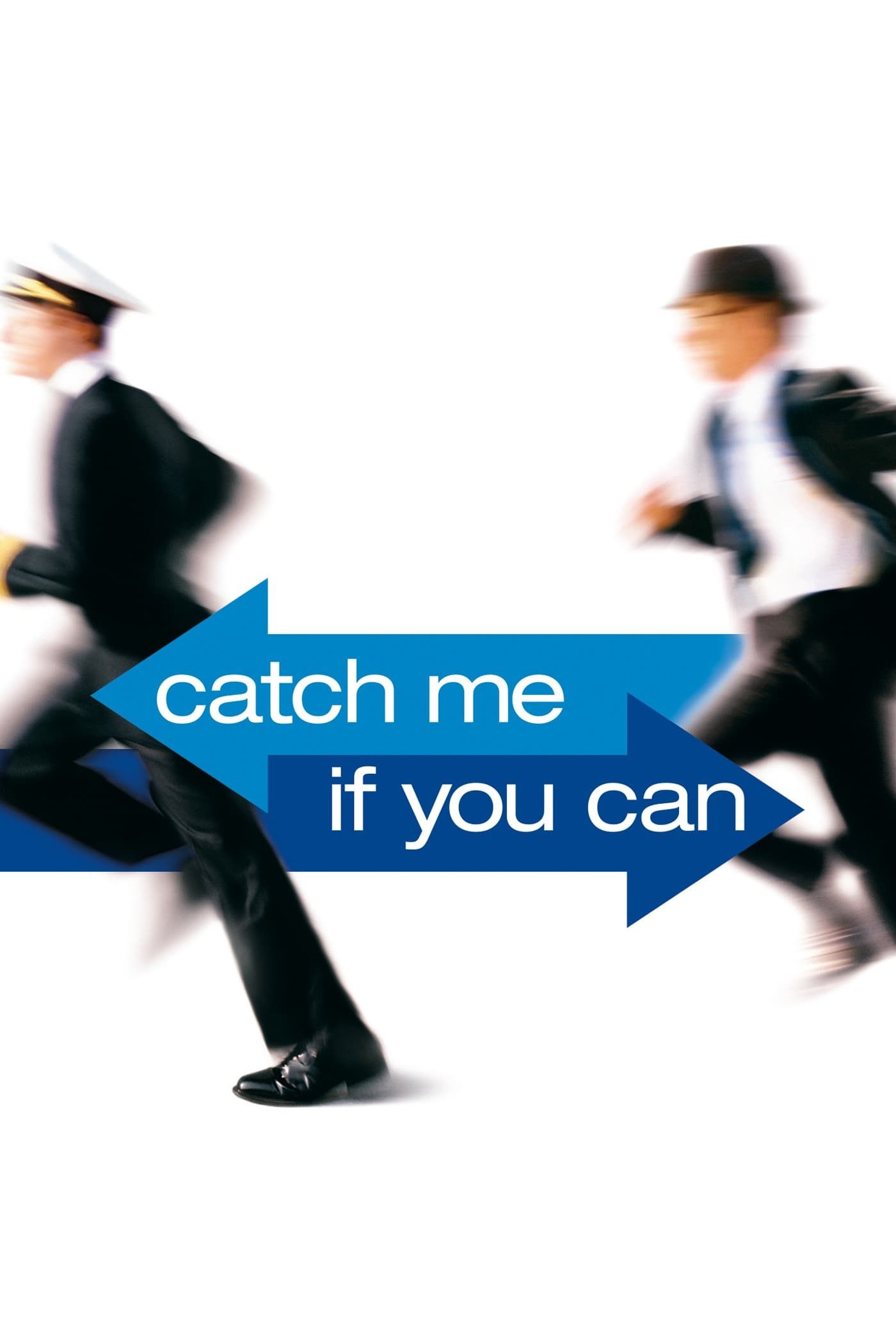
What the Film Is About
Whenever I return to Catch Me If You Can, I never walk away thinking it’s merely a story about counterfeiting or dazzling cons. What grabs me is how the film circles the ache of wanting to belong — and the cost of that desire. Frank Abagnale Jr., as I see him, is less a trickster out for easy money and more like someone in existential freefall, caught between childhood innocence and the longing for control in a world that feels unfairly slippery. The chase at the film’s core isn’t just a game between criminal and lawman; it’s a spiral of identity, loneliness, and the vanishing of familial safety.
At its heart, I believe the movie tracks two parallel hunger pangs: Frank’s frantic search for approval and acceptance, especially from his father, and Carl Hanratty’s obsession with order and meaning carved out from chaos. Watching these two men circle each other over years, I find myself drawn less to the specifics of who outsmarts whom and more to their mirrored, yearning solitude. The emotional journey winds from high-wire exhilaration to the quiet devastation of what’s left when the chase ends.
Core Themes
I see the film’s deepest undercurrent as the search for identity, which struck me as especially poignant in the climate of the early 2000s, when old rules seemed to crumble and reinvention was both a blessing and a curse. What does it mean to craft an image — professionally, personally, even legally — and at what point does that image become a prison? As I watch Frank slip from pilot to doctor to lawyer, I feel Spielberg wrestling with the American myth of self-making, and he never lets me forget that every mask worn is also a plea for someone to notice what’s underneath.
Morality in Catch Me If You Can is wonderfully slippery. I rarely find myself outright condemning Frank, even as his crimes accumulate. It’s not that the movie excuses deception or crime; it’s that the gray territory between rules and compassion is mapped with such tenderness. The story whispers questions about who gets to define right and wrong — and, crucially, why the boundaries shift depending on who is watching. Those thematic explorations strike me as timeless. In a world where truth and illusion blend on so many stages, I’m haunted by how easy it is to root for someone who breaks the rules, especially when the system itself seems rigged.
To me, another persistent thread is parental legacy: how the ghosts of our parents’ failures and dreams shape the contours of our own ambitions. I’m always moved by the film’s portrait of father-son relationships, their silent exchanges, their wounds, and the grief that lingers where connection fails. Even Carl, the relentless FBI agent, becomes a kind of substitute father for Frank. The longing for approval, love, and forgiveness feels more urgent every time I watch.
These themes endure for me because they’re about the always-relevant struggle to find meaning in a world that tempts us to rewrite our biographies with every setback. That tension — between authenticity and performance, belonging and fraudulence — is as sharp today as it was when the film was made.
Symbolism & Motifs
What’s most striking to me about Spielberg’s approach is how he coats the narrative in a gleaming surface, using visual motifs that subtly reinforce the emotional unsafety underneath. The motif of paper — forged checks, credentials, airline tickets, even childhood letters — recurs like a nervous tick. For me, each piece of paper stands in for the fragile ways we try to prove ourselves to the world, and how easily those proofs can be faked or lost. The world Frank inhabits is made pliable by paper, echoing his own breathless improvisation of selfhood. When I consider the motif of flight, both literal and metaphorical, the airplane becomes a double-edged symbol: an escape from trouble, yes, but also a way to stay eternally in transit, unable to touch down and actually belong.
I’m fascinated by the film’s use of mirrors and doubles, too. There’s a motif of reflection throughout the film — literally in glass surfaces, figuratively in the way Frank and Carl reflect each other’s longing for order or recognition. Time and again, Spielberg arranges compositions where Frank stares at his own image, or where his aura is split by camera movement through windows and partitions. For me, these visual choices aren’t just technical flourishes; they reinforce how identity is always more fractured, more unstable, than we care to admit. Frank is haunted by an idealized image of his father, a phantom to be chased; simultaneously, Carl is dogged by the specter of meaning in a career spent pursuing ghosts. The aesthetic rigor of the film’s mid-century design, its bright uniforms and crisp lines, ultimately makes the characters’ chronic instability even more poignant, suggesting that appearances are only ever temporary shelter.
Key Scenes
Key Scene 1
One moment that consistently stays with me is Frank’s dinner with his father in the restaurant — a scene thick with longing and delusion. The way Christopher Walken delivers his lines, I feel the ache of a son desperate to see his father restored to glory, even as the reality slips further out of reach. It’s not just a scene about familial love; it’s about the tragedy of adults clinging to self-mythologizing stories long after they’ve become unsustainable. I’m struck by how Frank’s entire con artistry seems driven by a desire to reverse his family’s losses, as if performing new identities could somehow heal old wounds. The emotional power here, to me, lies not in deception but in honest desperation. This dinner crystallizes the film’s interrogation of whether reinvention can truly deliver us home, or if we’re forever exiles from our childhood Eden.
Key Scene 2
Another scene that I always find revealing is the Christmas phone call between Frank and Carl. Here, the chase is paused, and the thorny sense of empathy between hunter and hunted comes to the surface. I was moved by how both men are, in a sense, unbearably lonely—neither among family, both reaching for connection across a gulf of law and crime. The guard drops, if only for a moment, and what emerges for me is not triumph or intimidation, but a surprising note of mutual recognition. Spielberg uses the rhythms of the holiday — a time coded for family and belonging — to cast their isolation into sharper relief. This exchange deepens the theme of found family: as much as Frank tries to outrun authority, he seems almost relieved to have Carl persistently chasing after him, a surrogate father-figure who, unlike his real father, refuses to let him disappear. The scene deftly collapses the boundaries between pursuer and pursued, showing how both sides of the law can be driven by the same human emptiness.
Key Scene 3
For me, the film’s final airport confrontation, where Carl quietly corners Frank in France, lands less as a moment of comeuppance and more as a quiet surrender. The visual atmosphere — subdued, gray, almost dreamlike — signals the fading of illusions: Frank’s cons, Carl’s mythic pursuit, the fantasy of reunion with lost family. When Frank is led away, exhausted and defeated, I sense not a criminal bested, but a boy who has run out of rope to swing on. The nearly wordless exchange between the two men, the soft resignation in DiCaprio’s eyes, left me reflecting on how so many stories of self-invention end in exhaustion: the world, eventually, closes in, and the seduction of endless reinvention is revealed to be unbearably lonely. What breaks through for me is not the triumph of justice, but the melancholy release of finally being seen — even if it’s only by the one who has chased you longest. The scene feels like a final, bittersweet meditation on the limits of performance and the quiet mercy of being caught.
Common Interpretations
When I talk to other film lovers and sift through critical responses, I’m always fascinated by the spectrum of interpretations this film invites. Many viewers celebrate Catch Me If You Can as a buoyant, stylish caper — a romp through the golden age of air travel and confidence tricks, delivered with Spielberg’s trademark technical sheen. That reading sees Frank as a charming rogue, a figure of fascination who bends the world to his will with audacious bravado. In that frame, the movie becomes a love letter to wit and hustle, an escapist fantasy where the audience gets to vicariously outsmart authority.
But the perspective I most resonate with — and one that grows among critics on repeat viewings — is that the film is quietly tragic. Underneath the glossy escapades, Frank isn’t celebrating deception but suffering under its weight. This reading accents the core sadness and emptiness behind his compulsive need to perform. The scenes with his parents, and especially with his father, are not pit stops in a crime spree, but the aching foundations of his character. It’s no accident, to me, that Spielberg gives such space to Frank’s regret and the hollowness of his triumphs.
There’s also been a conversation about the film’s portrayal of the FBI chase and Carl’s role. For some, Carl represents stoic, methodical justice — a system that, though impersonal, offers structure where family fails. Others, myself included, see him as more complicated: a man as lonely and incomplete as the criminal he chases, ultimately forming a strange kind of partnership or understanding with his quarry. The resolution, rather than being a simple restoration of order, is often interpreted (rightly, I think) as a bittersweet recognition of broken people finding connection where they can. Critics have also drawn connections between Frank’s story and post-9/11 anxieties about trust, mobility, and the breakdown of traditional markers of identity. What I find unique in this film is how gracefully it lets room for these contradictions: delight and sorrow, freedom and captivity, myth and truth, all playing out in every forged signature and near miss.
Films with Similar Themes
- Catch Me If You Can (2002) – Of course, the film itself stands as a prime example, but I’m always reminded of how its spirit echoes in Spielberg’s own filmography, which often returns to themes of lost childhood and the desire to run from — or back toward — our families.
- The Talented Mr. Ripley (1999) – Here too, I see identity as performance, with a protagonist who rearranges himself to fit a shimmering ideal. Like Frank, Ripley’s longing for acceptance leads him down a dangerous—and ultimately lonely—path of deceit. Both films meditate on the danger and allure of self-transformation, using charm as a mask for deeper anguish.
- Up in the Air (2009) – To me, this film’s exploration of perpetual movement, alienation, and the search for meaning in the void of modern professionalism echoes Frank’s rootlessness. Clooney’s character, much like Frank, uses travel and distance as a buffer against authentic connection, and both movies quietly ask how long someone can live in transit without risking utter emptiness.
- Cinema Paradiso (1988) – While this Italian classic stands quite apart in genre and tone, I see it as spiritually linked in how it explores nostalgia, father figures, and the bittersweet cost of childhood’s end. Both films use memory and yearning as central engines, suggesting that the past is both a treasure and a trap. The ache for home, I find, runs through both stories, though rendered in different cinematic keys.
To explore how this film has been judged over time, consider these additional viewpoints.
For me, Catch Me If You Can ultimately radiates a beautifully conflicted message about the pitfalls and seductions of self-invention. Watching Frank’s desperate, dazzling pursuit of validation, I come away sobered by how deeply the longing for love and recognition can drive someone to extraordinary — and extraordinarily lonely — heights. The film doesn’t condemn dreaming or even scheming, but it does remind me of the paper-thin line between aspiration and alienation. In the end, the greatest con, it seems, is the fantasy that running faster can ever restore what’s been broken. Beneath the sparkle and swagger, what lingers with me is the sadness of two souls — Frank and Carl — who spend years pursuing each other, only to find their only solace in moments of fleeting mutual understanding. In a world obsessed with masks and identity, the film whispers a plea for authentic connection, however messy or imperfect that might be.