
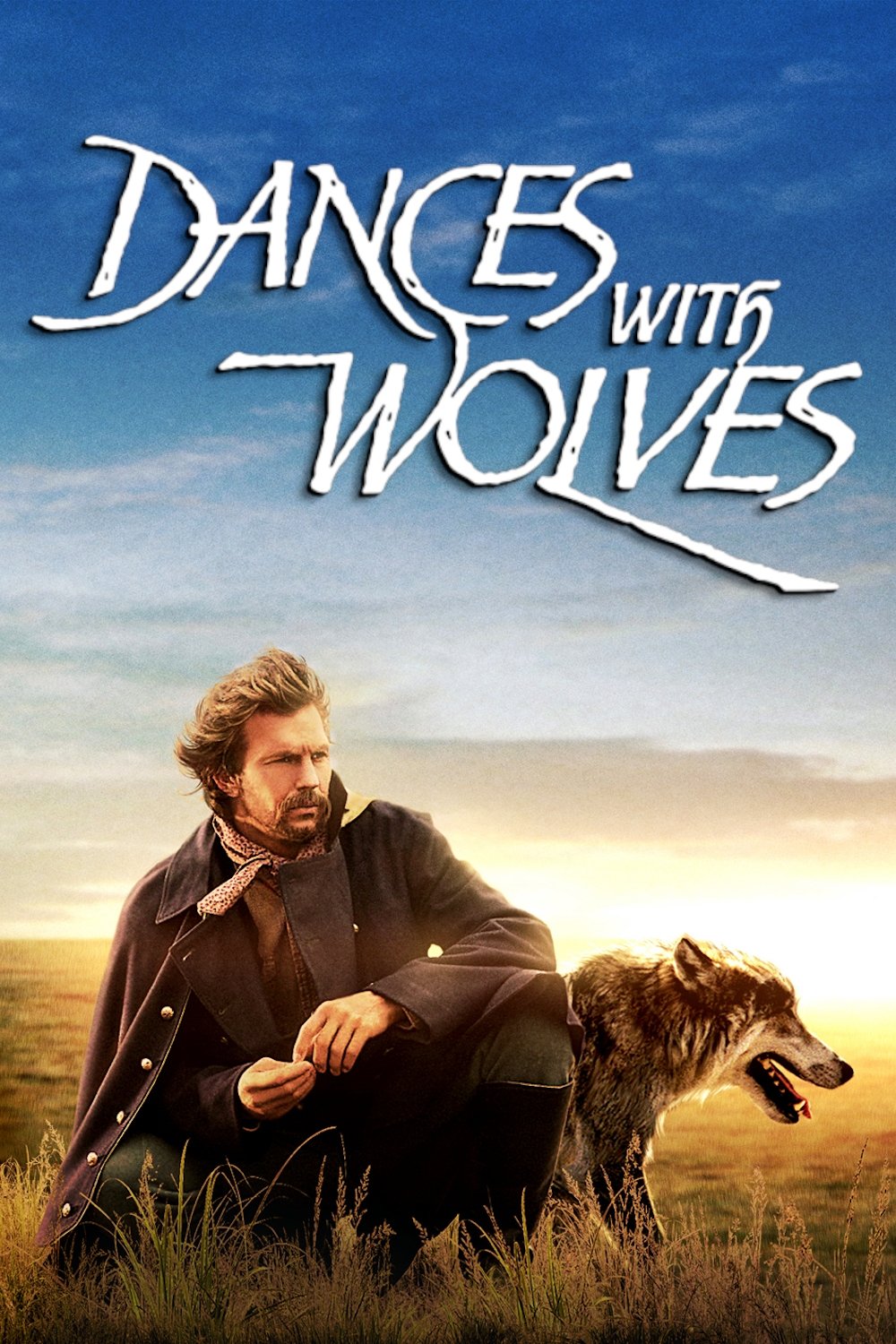
What the Film Is About
There’s a peculiar ache that lingers after watching “Dances with Wolves.” To me, it’s a film about longing—to break out of the prescribed lines of your existence, to make sense of the world’s violence, and to find authentic connection in a place far removed from the familiar. What strikes me most isn’t just the transformation of a Union officer, but the overwhelming sense of displacement and the restless search for belonging that pulses beneath every scene. I see the narrative as a journey beyond physical frontiers; it’s about becoming awake to a different set of values, questioning inherited assumptions, and forging an uneasy intimacy with “the other.”
From the moment John Dunbar rides into the vanishing prairie, I sense he’s in conflict not only with the threats around him but with the divides and prejudices that rule post-Civil War America. The film isn’t an ode to adventure for me—it’s an honest, sometimes painful musing on cultural collision, loss, and the possibility of empathy. By inviting us into Dunbar’s internal struggle and gradual transformation, “Dances with Wolves” refuses to simplify the process of self-discovery or the cost of human connection in a hostile world.
Core Themes
When I reflect on the film’s lasting impact, I return again and again to its core themes: cultural identity, the gnawing pull of change, and humanity’s craving for understanding across boundaries. “Dances with Wolves” is, for me, less about the romance of the American frontier and more about the awkward, unpredictable negotiation of two radically different worldviews. The ideas of power and otherness—how one culture asserts dominance over another, and how fragile that sense of control really is—run throughout the film. There’s a persistent questioning of who gets to write history and how easily we lose the thread of empathy in the face of fear or prejudice.
I find the film’s exploration of identity—personal and collective—especially relevant. Dunbar’s transition from soldier to “Dances with Wolves” isn’t simply a matter of donning new clothes or learning another language. I see in his story the unsettling, exhilarating experience of forging a new self when all prior certainties are swept away. Themes of loyalty ripple through these choices: Who do I stand with when my loyalties fracture? How do I reconcile the laws of one society with the dignity of another? These questions haunted American consciousness in 1990 and, honestly, they still claw at us today as we navigate new waves of social change and cultural reckoning.
Violence and compassion are tangled here in ways that never resolve comfortably. The threat of annihilation—the extinction of cultures, landscapes, and sometimes even hope—pervades the film’s mood. But nestled inside that despair, I always find moments of grace: the possibility that encountering “the other” can spark a transformation, both personal and societal. I believe this longing for understanding, even in the face of overwhelming loss, is what makes “Dances with Wolves” endure. It asks us to reconsider our most basic assumptions about civilization, savagery, and the boundaries we draw between them.
Symbolism & Motifs
I’m endlessly drawn to the symbols woven throughout the film, each serving as a quiet pulse to remind us of its spiritual preoccupations. The wolf—Two Socks—captures my imagination as more than a clever animal companion. For me, he embodies the delicate crossing of trust between two isolated beings. The wolf becomes Dunbar’s mirror and muse, representing the untamed part of himself that yearns for connection, yet recoils from civilization’s violence. The act of naming, both of the wolf and of Dunbar himself (“Dances with Wolves”), is significant. It suggests the malleability of identity—how others shape who we are, and how we, in turn, shape ourselves in dialogue with the world around us.
The prairie landscape operates as both backdrop and metaphor in my interpretation. Its vastness feels liberating and terrifying—the promise of reinvention and the risk of erasure are stitched into every sunset. I see the recurring motifs of open land, migratory herds, and elemental forces as reminders of impermanence. The buffalo, for instance, stand for sustenance and ritual but also looming extinction. When I watch the characters interact with the land and its creatures, I’m reminded that cultures are interwoven with their environments—a lesson that resonates now more than ever as we reckon with our footprint on the planet.
Another motif that haunts me is the rhythm of communication and miscommunication. The effortful exchanges between Dunbar and the Lakota reveal both the hardness and the hope of translation—not just of words, but of gestures, customs, and intentions. This motif echoes the larger theme of forging understanding across divides, one halting word at a time. The diary—that fragile archive of Dunbar’s transformation—emerges as a symbol for whose stories survive and whose are lost. Its fate holds, for me, a message about memory, legacy, and the danger of a single narrative swallowing the complexity of human experience.
Key Scenes
Key Scene 1
A scene that lingers in my mind is Dunbar’s initial encounter with the wolf, Two Socks. On the surface, it may seem slight, but the emotional resonance is profound. This quiet, tentative reaching out reflects Dunbar’s interior loneliness and his yearning for connection, a microcosm of the broader effort to bridge the gap between cultures. The wolf’s cautious trust—and Dunbar’s willingness to wait, observe, and finally share—captures the essence of the film’s message: that understanding can only come with humility, patience, and the courage to be changed by what we encounter. This is the moment, for me, where Dunbar begins to loosen his grip on the rigid perspectives instilled by his origin, and entertains the possibility of transformation.
Key Scene 2
The communal hunt for buffalo is the heartbeat of the film for me. It’s more than a spectacle of nature or an action set piece—it’s where I feel the pulse of cooperation, mutual dependence, and shared purpose. Here, Dunbar isn’t simply observing the Lakota; he becomes a participant in their world. The hunt shatters the stereotype of indigenous passivity, depicting their society as resourceful, dynamic, and deeply tied to the land. The emotions that ripple through the tribe—excitement, reverence, grief for the wasted remains—remind me of the environmental themes that run beneath the historical drama. It’s a visual declaration that life, for the Lakota, is communal and cyclical, not individualistic or exploitative. For Dunbar, and for me as a viewer, this scene throws into relief the contrast between an ethos of stewardship and the mindset of conquest that defines his original world.
Key Scene 3
The film’s closing—Dunbar’s wrenching decision to leave the tribe for their safety—strikes me as a final elegy for innocence. This moment crystallizes the tragedy at the heart of the story: that genuine efforts at empathy and cross-cultural connection are so often crushed by larger, indifferent historical forces. Dunbar’s journey, which began in alienation and found fleeting acceptance, circles back to loneliness. Yet there’s grace in his sacrifice and a kind of hopefulness that love, even if impermanent, matters. I see this as a statement about the price of conscience and the fragility of cultural bridges in a world bent toward domination. The echo of loss that follows Dunbar reminds me not to romanticize the past, but to mourn what’s been lost and wonder what might still be saved.
Common Interpretations
Whenever I discuss “Dances with Wolves” with colleagues and cinephiles, I hear a chorus of responses. Many see the film as an indictment of American expansionism and a call to recognize the tragic consequences of manifest destiny. I’ve found that audiences are moved by the film’s insistence on humanizing Native American cultures at a time when Hollywood regularly trafficked in caricature and villainy. Critics often note the film’s reverence for indigenous language, ritual, and community as a quiet act of reclamation—a deliberate, if imperfect, counterweight to the dominant myths about the frontier.
But there’s more complexity than first appears. Some, myself included, wrestle with the narrative centering on a white protagonist, a trope sometimes called the “white savior” dynamic. While I acknowledge and share in the film’s empathy, I recognize the limits inherent in telling indigenous stories through an outsider’s eyes. It’s a tension that makes me reflect on who gets to speak, who gets to be transformed, and how stories of cross-cultural encounter are framed. I’ve met viewers who see the film mainly as a personal odyssey—a soldier escaping trauma and discovering meaning—while others read it primarily as a political statement or a eulogy for a lost way of life.
For me, the magic of “Dances with Wolves” lies in its refusal to settle into a single meaning. It’s a film haunted by contradiction: both critiquing and perpetuating old narratives, yearning for reconciliation while exposing how rarely it arrives. These layered interpretations keep the film alive, provoking debate about cultural representation, historical memory, and the ongoing struggle to see beyond our own horizons.
Films with Similar Themes
- The Last Samurai – I see clear parallels in the story of a disillusioned outsider who immerses himself in another culture and is transformed by it, navigating questions of loyalty, cultural collapse, and personal reinvention.
- Little Big Man – This film also dramatizes cross-cultural encounters on the American frontier, critiquing the myth of progress and satirizing the destructive force of assimilation.
- Avatar – Despite its sci-fi trappings, I recognize the same longing for understanding between peoples, the environmental message, and the motif of a protagonist who sides with the marginalized after shifting allegiances.
- The New World – Malick’s meditative take on early America echoes the search for meaning in uncharted places, the ambiguity of first contact, and the cost of “civilizing” the unknown.
Looking back on “Dances with Wolves,” what stands out to me isn’t a simple call for reconciliation. Instead, it’s a fierce, sometimes sorrowful meditation on what it means to cross boundaries—between people, histories, even within ourselves—and the price of doing so. The film reminds me that efforts at understanding are always fraught, often incomplete, and yet necessary. It’s an elegy for worlds vanishing in the face of relentless progress, but also a celebration of the possibility (however fleeting) that we might inhabit new lives, languages, and loves if only we risk opening ourselves to the unknown. For my part, it remains a reminder that empathy, though painful and imperfect, is our best hope for bridging the chasms of history and imagining a different kind of future.
After learning the historical background, you may also want to explore how this film was received and remembered.