
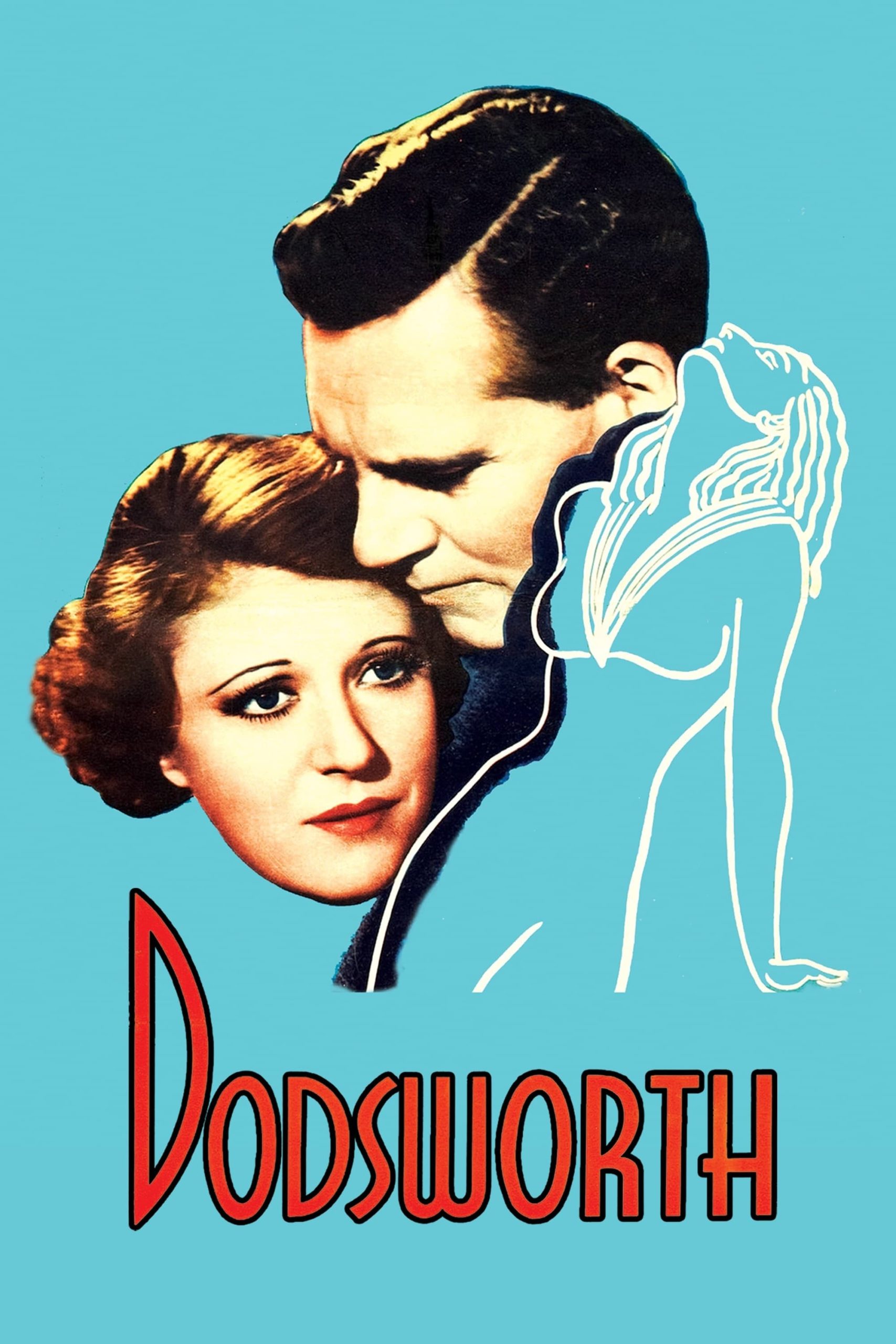
What the Film Is About
Every time I revisit “Dodsworth,” I find myself confronting the unexpected vulnerability that can surface in the second act of life. To me, this film is much more than the portrait of a marriage in decline; it’s a meditation on what happens when the compass of identity and desire is set adrift by time, ambition, and longing. The film’s emotional center hinges on its exploration of two people—Samuel Dodsworth and his wife Fran—who launch themselves into a world where “happiness” is as poorly defined as it is feverishly sought.
What feels so urgent in “Dodsworth” is the way it strips away the trappings of success and exposes the raw confusion beneath. I see it as a sincere journey through pride, regret, and self-discovery, rather than a mere drama of marital strife. The conflict isn’t simply between man and wife; it’s between old dreams and new realities, between who these characters have been and who they might become. As such, the narrative doesn’t just move toward answers—it lingers uneasily in the spaces of doubt and possibility.
Core Themes
The emotional territory “Dodsworth” covers feels deeply personal to me, even nearly a century after its release. One of the film’s primary themes, as I see it, is the shifting nature of personal fulfillment. Watching Sam Dodsworth, I’m struck by how little his external achievements count for when the internal landscape shifts. Success, age, companionship, and reinvention collide in ways that prevent any easy solution.
I find the film wrestling constantly with the opposing currents of self-discovery and societal expectation. Fran’s pursuit of excitement and youth—at any cost—speaks to a universal human struggle: the restless desire to outrun aging and the terror of insignificance. Meanwhile, Sam’s gradual awakening to authentically lived experience, rather than dutiful routine, feels both liberating and painful. I connect especially with the film’s refusal to cast these choices in a strictly moralistic light. There are no easy villains. Instead, I see both characters as tragic, even relatable, casualties of an era that defined happiness so rigidly.
Beneath this, I also recognize an anxiety about the American Dream itself. Released in 1936, a time when economic uncertainty and shifting social mores were transforming the United States, “Dodsworth” seems to question whether material achievement and social standing can ever compensate for emotional emptiness. The film interrogates marriage, class, gender expectations, and the lure of Europe for Americans—each theme woven delicately into the choices and failures of Sam and Fran. It’s striking to me how resonant these questions remain; the pressure to “have it all” still haunts the modern psyche.
At the heart of it all, I see “Dodsworth” as a film about authenticity—the daring act of living one’s truth at the cost of comfort or approval. It challenges me to ask whether optimism and reinvention are possible beyond midlife, or whether people, once uprooted, are fated to wander between nostalgia and novelty. These ideas were profoundly current at the time and, in my experience, remain deeply relatable for viewers navigating their own crossroads today.
Symbolism & Motifs
For me, the symbolism that pulses throughout “Dodsworth” is not only visual but psychological. One recurring motif is the journey itself: trains, ships, and the constant crossing of borders. Travel here doesn’t just represent physical movement but signals the hunger for transformation and escape. Every locale—whether it’s the metropolitan promise of London or the sunlit seduction of the Riviera—serves as a mirror, reflecting back each character’s hopes, anxieties, and ultimate isolation. When I watch these transitions, I don’t just see new cities; I see the incremental erosion of certainty as Sam and Fran chase illusory futures.
Mirrors and reflections linger in my mind as another powerful motif. Fran, especially, is often seen gazing at her own image, obsessing over the fading signs of youth. These moments are loaded with quiet meaning—Fran isn’t simply vain; she’s desperately trying to hold onto a version of herself the world may no longer see. For me, these visual cues amplify the film’s exploration of self-perception versus reality. Even Sam isn’t immune—his moments of reflection (literal and figurative) reveal a yearning to understand where he belongs, now that his old roles no longer apply.
Letters and notes, exchanged between characters, serve a subtler symbolic function in my eyes. Each written word, whether an invitation or a farewell, marks a point of rupture: a crossroads at which communication breaks down, and private longings surface. These artifacts encapsulate the limitations of language to bridge personal divides, and for me, they embody the film’s bittersweet awareness that some distances—between lovers, between past and future—can never really be crossed.
Finally, I’m always drawn to the motif of aging and time. Through gestures, glances, and the contrasts drawn between young suitors and mature protagonists, “Dodsworth” makes time itself into a silent antagonist. The clock is always ticking; the seasons change; the opportunities for reinvention dwindle and harden. It’s a motif that makes the film both urgent and melancholic, speaking directly to the fear that our chances for happiness may expire before we even understand what we want.
Key Scenes
Key Scene 1
There is one scene that, for me, crystallizes the film’s emotional stakes: when Sam and Fran acknowledge, for perhaps the first time, that their desires are fundamentally incompatible. This admission, emerging not from high drama but from tired honesty, is shattering in its quietness. As I watch, I sense not only the sorrow of an ending, but the tentative hope that comes with facing hard truths. This moment feels vital because it strips away the social performance of “happy marriage” and uncovers the individuals beneath. It’s in this recognition of mutual failure and longing that I find the film’s boldest statement: that love cannot survive without honesty, and that, sometimes, separation represents a rare act of respect for self and other.
Key Scene 2
Another scene that resonates deeply with me is Fran’s attempt to recapture her youth and beauty at a European soirée. She’s surrounded by admirers, cloaked in elegance, yet the camera lingers on her isolation. Watching this moment, I feel a collision: glamour on the surface, but panic just beneath. Fran isn’t simply enjoying herself—she’s chasing away fear. The film uses this social setting to develop its critique of illusion versus reality, particularly for women shaped by limited choices. I find myself aching for Fran, even as her choices become destructive, because I recognize that her dissatisfaction is met by a culture that offers few real paths forward. In her struggle to preserve the past, she reveals the poverty of a life built on avoidance rather than acceptance. The scene demands empathy, even as it gently rebukes her self-deceptions.
Key Scene 3
For me, the emotional climax arrives not with confrontation but with Sam’s moment of real self-recognition, away from Fran’s shadow. Standing on the threshold of a new relationship, Sam pauses, as though for the first time, to ask what he wants—unburdened by duty, image, or tradition. This scene registers as a profound turning point because it trades old heartbreak for an uncertain, exhilarating future. I find tremendous courage in Sam’s willingness to step into the unknown, embracing possibility without guarantees. The film ends on an ambiguous note—not all questions are answered, and not all wounds are healed—but in Sam’s readiness to live authentically, I see the film offering, if not redemption, then at least the possibility of growth after loss. This is “Dodsworth’s” final, echoing message to me: transformation is possible, but only if we dare to leave behind the familiar comforts that no longer serve us.
Common Interpretations
When I talk to others about “Dodsworth,” I’m always struck by the range of responses. Many critics see the film as a nuanced deconstruction of marriage—an early Hollywood narrative that dared to depict a partnership where neither spouse is entirely right or wrong. One common reading holds the film up as a template for the midlife crisis: Sam embodies the anxiety that comes when professional achievement can no longer compensate for emotional disconnection. Fran, on the other hand, is seen by some as a tragic figure—captive to the relentless demands of beauty and youth, a woman ahead of her time and ultimately punished for her ambition.
There’s another interpretation that I often find compelling: that “Dodsworth” is a kind of anti-romance, challenging the notion that “settling down” is the natural endpoint of adulthood. Instead, the film exalts the value of self-awareness—even when it means upsetting the traditional order. For some viewers, this makes the film deeply modern, anticipating the social revolutions that would come in the decades that followed.
Among general audiences, I’ve noticed a tendency to focus on the bittersweet realism of the ending. Unlike many melodramas of the era, “Dodsworth” doesn’t force its characters into easy reconciliation or heartbreak; it leaves space for ambiguity. For me, this openness is essential: it invites us to see ourselves in Sam’s uncertainty and Fran’s longing, rather than prescribing a tidy moral or solution.
Of course, there are those who see the film more narrowly as a critique of “restless wives” or failing marriages, but I believe this sells its ambitions short. What resonates with me—and with so many who have revisited the film over generations—is its recognition that happiness, identity, and love are shifting targets, often requiring honest recalibration rather than rigid adherence to outdated roles.
Films with Similar Themes
- “The Best Years of Our Lives” (1946) – I see this film as a thematic sibling to “Dodsworth” in its exploration of postwar reinvention, disillusionment, and the challenge of returning to a changed home. Both films ask whether the achievements of the past can sustain meaning in the face of new realities.
- “A Woman Under the Influence” (1974) – Like “Dodsworth,” this film grapples with authenticity, marital strain, and society’s expectations of women. I find both films uniquely pitiless in their refusal to romanticize domestic life, instead highlighting the quiet desperation and courage of everyday people.
- “Lost in Translation” (2003) – What resonates with me in Sofia Coppola’s film is the sense of emotional liminality: the feeling of being adrift between worlds, yearning for connection, much like Sam and Fran’s experience in foreign cities. Both films linger on the bittersweet possibility of starting over in adulthood.
- “Revolutionary Road” (2008) – This adaptation, like “Dodsworth,” dissects the dark underbelly of the American Dream and the suffocating expectations within marriage. I find the acute existential dissatisfaction in both stories to be hauntingly similar, offering no easy escape but suggesting the profound importance of facing uncomfortable truths.
Reflecting on “Dodsworth,” I’m left with an enduring sense that the film’s power lies not only in its social observation but in its abiding empathy. To me, it’s a cinematic bridge connecting the private battles of heart and mind with the ever-changing landscape of culture and history. The film does not preach or offer pat resolutions; rather, it asks those watching to consider the courage it takes to question one’s life, the heartbreak of outgrowing old identities, and the fragile hope that the second act can be not a diminishment but a rebirth. Its portrait of human nature is honest, melancholic, and—most crucially—reminder that, regardless of era, the quest for fulfillment remains messy, unfinished, and vital.
After learning the historical background, you may also want to explore how this film was received and remembered.