
What the Film Is About
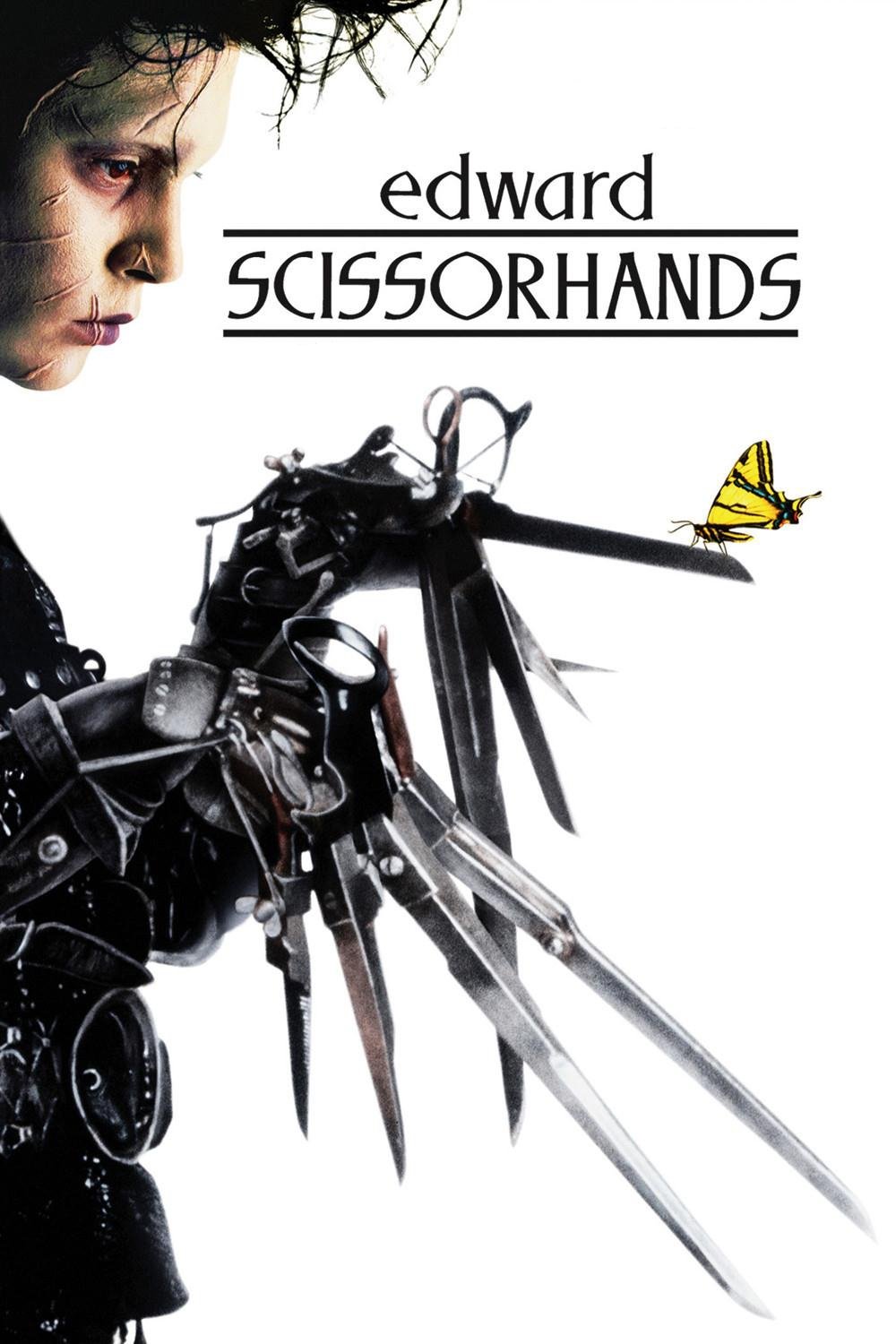
Every time I revisit Tim Burton’s Edward Scissorhands, I’m struck not just by its fantasy, but by a fragile ache at its core—an ache that comes from watching someone so visibly different navigate a world that both welcomes and wounds him. To me, the film is less about the mechanics of the story and more about the emotional topography of loneliness and the hunger for genuine connection. Edward’s journey isn’t really about the fantastical, but about his struggle to be seen, understood, and loved in a place that equates strangeness with danger.
What always stands out to me is that at its heart, this is a story of otherness—how society reacts to what it cannot classify, and how those considered outsiders are forced to define themselves against that glare of scrutiny. For all its fairy-tale surfaces, I realize the film is charting how soft, vulnerable spirits try to maintain their identity amid suspicion and misunderstanding. It’s not just Edward’s battle, but a universal journey through alienation and longing for acceptance.
Core Themes
Every time I reflect on Edward Scissorhands, themes of alienation and conformity feel inescapable. I see Edward as the purest distillation of being “the other”—a living metaphor for those of us who’ve ever felt fundamentally out of step, uncertain whether to hide or reveal what sets us apart. The film explores the human impulse to categorize, to both mythologize and persecute the unfamiliar. Through its surreal setting, it magnifies the quiet, everyday cruelty of social exclusion and the way communities manage discomfort by seeking scapegoats.
Another theme that I believe resonates, especially considering the film’s early-1990s release, is the ambivalence of suburbia. I see a critique, not of simple small-town values, but of the gentle tyranny that can lurk beneath pastel surfaces. The neighborhood’s pastel homes and manicured lawns seem to promise comfort, but as I watch, their unity is revealed to be brittle—quick to fracture when challenged by real difference. This discomfort with the unknown, the prioritization of appearance over substance, feels just as pointed and relevant now.
Love, too, occupies the film’s center. But the love story isn’t conventional—it’s about the hope for acceptance, and the heartbreak when real connection exposes vulnerability rather than fortifying it. Edward’s love for Kim, and her compassion for him, provide a brief sanctuary from the world’s harshness. I’m always moved by the way the film treats difference as both a barrier and a gift; Edward’s hands are symbols of his alienation, yet they also enable him to create beauty. This paradox is, for me, the emotional engine of the story.
What makes these themes so durable, I think, is their universality. Few films so gently, yet so incisively, interrogate our relationship to outsiders. Even decades after its release, the questions the film raises about empathy, prejudice, and belonging remain achingly unresolved. Watching it now, I see how our society continues to struggle with the tensions between community and individuality, and how art like Burton’s can remind us of what’s at stake.
Symbolism & Motifs
To me, Edward Scissorhands is practically built out of symbols. Edward himself, with his blade-like hands, is a living contradiction—he’s capable of making extraordinary art, but also seen as dangerous or unstable simply because of his difference. His hands are never just a physical oddity; I keep coming back to the idea that they are an emblem of both his creative potential and the constant threat of harm, both to others and to himself. They symbolize the way society too often insists on labeling people by their most visible abnormalities.
The ever-present motif of trimming—be it topiaries, dog grooming, or haircutting—always reminds me of how communities try to “shape” the unfamiliar into something digestible, or at least ornamental. Edward’s artistic flourishes signal what is possible when difference is allowed expression, yet his attempts to beautify his surroundings cannot save him from ultimately being cut down by their rigid expectations. The story suggests, for me, that society welcomes the outsider only as long as they can be commodified or entertaining; the moment discomfort arises, acceptance evaporates.
I find the setting itself to be hugely symbolic—the neighborhood’s garishly harmonious color palette, the repeated images of symmetry and order, all serve as visual shorthand for the demand to fit in. The gothic, crumbling mansion atop the hill is Edward’s origin: dark, strange, and isolated, but also rich with mystery and invention. This house versus suburb motif stakes out the battle lines between individuality and assimilation. Burton’s recurring use of snow, especially at the film’s end, adds another layer for me: it stands for beauty born of loss, and for the enduring ability of memories and imagination to bring magic into even the most ordinary lives.
Finally, the motif of touch—Edward’s inability to embrace without risk—captures, in the most poetic way, the tension between desire and fear that permeates all relationships where difference is present. I find this to be one of the film’s most haunting metaphors for intimacy and isolation: Edward’s scissorhands prevent loving contact, but they are also what make him unique and capable of creating beauty. The message here, as I interpret it, is that what isolates us may also be the source of our creativity, and true connection depends on seeing past the threat to the tenderness that lies beneath.
Key Scenes
Key Scene 1
There’s a moment early in the film, when Peg first encounters Edward in his gothic home, that I think is essential to the film’s meaning. It’s not just that she finds him—an odd, frightened figure—hiding in the shadows, but that she chooses to reach out with compassion instead of fear. For me, this is the film’s first overt argument for empathy. Peg’s curiosity, hesitation, then kindness set a tone that makes the audience question how we respond to “otherness,” whether in our streets or within ourselves. The scene’s emotional charge comes from watching two worlds collide—not in violence, but in a tentative act of trust. I always read this as a challenge to the knee-jerk reactions we all harbor when faced with something or someone unfamiliar.
Key Scene 2
The scene where Edward creates the first of his elaborate topiary sculptures in Peg’s yard has always stayed with me. It’s easy to see it as simply whimsical, but I think it encapsulates the film’s ambivalence about difference and contribution. The neighbors, at first, are enthralled—Edward’s strangeness becomes a spectacle, something to marvel at and celebrate, as long as it can be consumed without real engagement. To me, this scene reveals how societies often value the outsider’s talent without embracing them as true equals. It’s a striking example of the temptations to commodify what makes people unique, turning their difference into entertainment rather than seeing the person beneath the surface. Watching this, I find myself questioning where admiration ends and exploitation begins.
Key Scene 3
Near the film’s close, the confrontation between Edward and the mob of frightened townspeople crystallizes everything I feel the film is saying about fear, love, and sacrifice. When Kim publicly defends Edward, declaring her love and sending him back to his isolated home, I see it as the final, bittersweet statement about belonging and separation. Their connection, authentic though brief, isn’t enough to bridge the world’s suspicion. For me, this is the emotional climax: beauty and kindness retreat from a world not ready to accept them. The mythic snow falling over the neighborhood, birthed by Edward’s lonely creativity, becomes the enduring legacy of their lost connection. I always leave this scene thinking about how society’s inability to embrace real difference costs us not only individuals, but also the wonder, love, and art their presence might have brought into the world.
Common Interpretations
Over the years, I’ve seen Edward Scissorhands interpreted along several major lines. Many people, myself included, view the film as a deeply personal allegory—Burton’s own story about growing up feeling “weird” or out of place. Some watch Edward’s journey as a metaphor for the experience of any outsider, highlighting the cruelty and conditional acceptance embedded in social groups. It’s standard for critics to discuss the film as a gothic fairy tale about beauty, pain, and the risks of loving the unlovable, and I think this interpretation is rich and enduring.
Another common reading, which resonates powerfully with me, is that the film is a pointed critique of conformity and suburbia. The exaggeratedly bland, colorful neighborhood represents a sanitized, closed-off society, deeply suspicious of what it can’t explain. In this light, Edward stands not just for the artist, but also for anyone whose identity draws suspicion or hostility. I notice that some academics take the film further, exploring it as a meditation on disability—Edward’s hands as both a metaphor for physical difference and the ways people are boxed in by their supposed limitations.
Fans also often see the love story, not simply as tragic, but as a meditation on longing—for touch, connection, and belonging. The bittersweet, open-ended conclusion is read by many as a suggestion that true understanding can only exist on the margins. Some, especially those engaged with queer readings, find in Edward’s story a parable about otherness, acceptance, and the pain of performing “normalcy.” While there are variations, what strikes me most is how audiences keep returning, generation after generation, to its core message: gentle souls must sometimes create beauty in solitude because the world is unwilling to change.
Films with Similar Themes
- Frankenstein (1931) – I see a clear link in the theme of misunderstood creation. Both films probe the way society reacts with fear and violence toward that which it does not understand, highlighting the loneliness of their respective protagonists.
- Pan’s Labyrinth (2006) – Guillermo del Toro’s work, like Burton’s, blends fantasy and social allegory. I find the shared thread of escapism through imagination, paired with a deep sense of alienation, to be striking.
- The Shape of Water (2017) – This film echoes Edward Scissorhands with its story of love between a human and a misunderstood “monster,” spotlighting the beauty that can exist outside societal norms and the courage required to protect it.
- Amélie (2001) – While lighter in tone, I’ve always felt that Amélie’s quirky difference and her desire to connect in a world that doesn’t quite understand her reflects a kinship with Edward. Both films cherish the inventive outsider who seeks meaning through acts of kindness and creativity.
Again and again, as I return to Edward Scissorhands, I am reminded how it holds up a mirror to the loneliness of being different and the cost—and strange rewards—of refusing to be shaped by someone else’s hands. For all its whimsy and romance, what lingers for me is the ache of beauty left in exile: how our longing for connection can carve both wounds and wonders, and how, even in rejection, the art of empathy can transform the landscape of our lives. The film stands as a testament to the possibility that, even amid the coldest societies, acts of tenderness endure—as silent, falling snow, or as stories we keep telling ourselves in hopes of a kinder world.
To explore how this film has been judged over time, consider these additional viewpoints.