
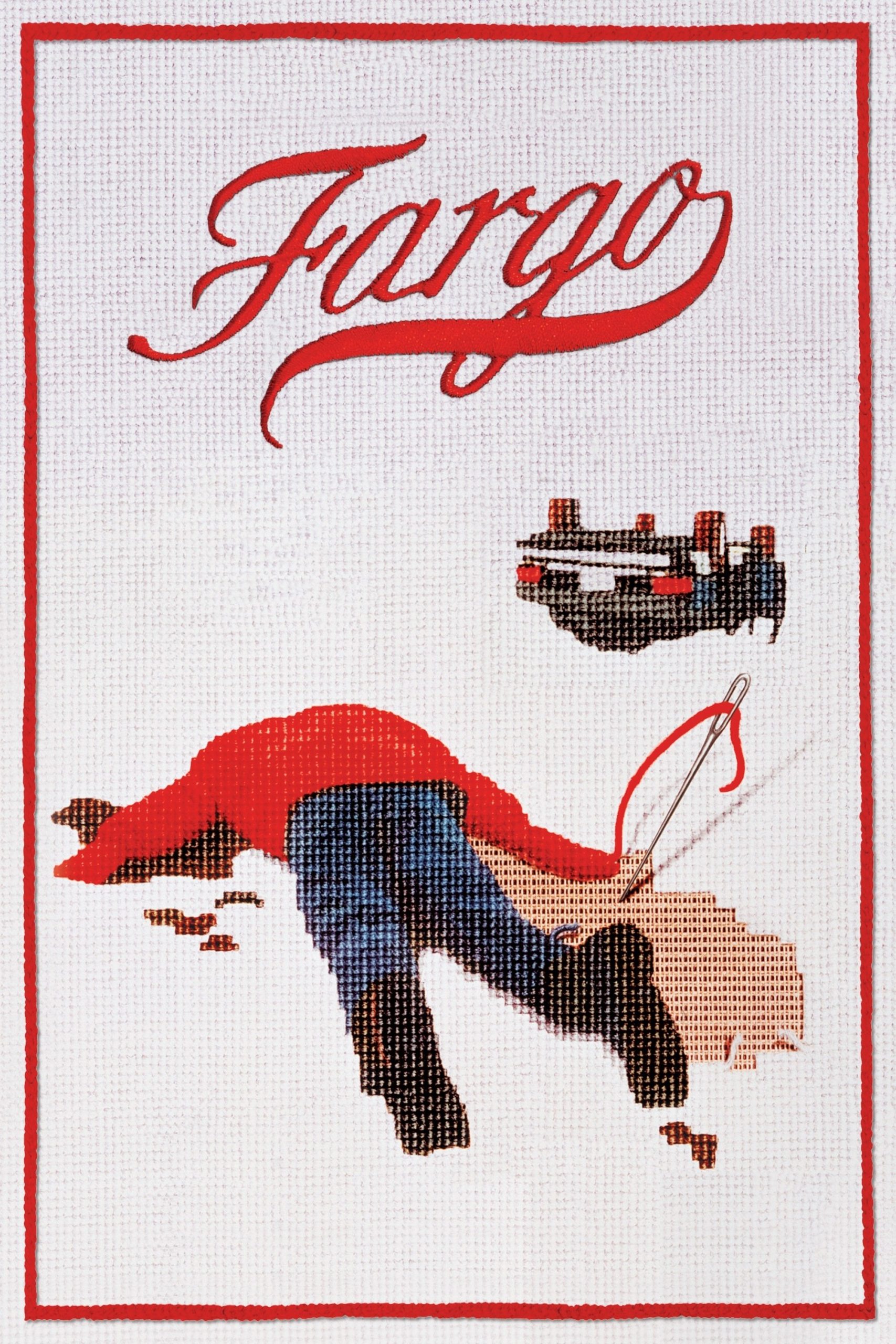
What the Film Is About
From the first moment I watched Fargo, I felt enveloped by an atmosphere at once unassuming and deeply unsettling—a story that flirts with farce, but leaves a lingering chill. What strikes me most about the emotional journey of the film isn’t just its blunt violence or the absurdity that threads through the narrative, but how it juxtaposes two worlds: one of relentless, ordinary decency and another of desperate, spiraling moral collapse. At its heart, I see Fargo as a collision between small-town calm and the chaos that erupts when people try to manipulate their fate, only to discover that the universe can be as random, cold, and indifferent as the snow that blankets every frame.
For me, the central conflict of Fargo isn’t good versus evil in a broad, abstract way; rather, it’s about what happens when people attempt shortcuts to happiness, wealth, or meaning. The narrative sends its characters—some hapless, some quietly heroic—on emotionally charged paths shaped by their failures and redeeming moments. It forces me to reckon with the unsettling question: how thin is the ice that separates contentment from catastrophe?
Core Themes
The question I find myself returning to with Fargo is what lies beneath the veneer of the ordinary. I see a film obsessed with examining morality in mundane environments, a study of how violence and greed can sprout in the most unremarkable soil. The Coens are fascinated with luck, randomness, and the human tendency to rationalize wrongdoing—elements that make me reconsider how much control we truly have over our own lives.
When I reflect on the mid-1990s America in which Fargo premiered, I sense its themes as an answer to economic anxieties and suburban dreams gone sour. Greed isn’t limited to Wall Street bankers; it can fester in the quiet kitchens, car dealerships, and snowy parking lots of Middle America. I also find the film dealing with the cost of isolation—how people, even in close-knit communities, can become dangerously adrift, their foundational values dissolving in the face of desperation.
Decency—embodied in the patient, humane Marge Gunderson—emerges as a meaningful force, not because it’s flashy or triumphant, but because it persists in the face of idiocy, evil, and cosmic indifference. Fargo keeps asking me whether ordinary goodness is enough protection from senselessness, or if it simply endures out of stubborn hope. Today, I still find its themes echoing: how quickly “normal” can collapse into absurdity, and how brittle the American Dream remains when tested by human frailty and impulsiveness.
Symbolism & Motifs
I can’t shake the image of endless white fields of snow—so clean, apparently peaceful, and yet, underneath, hiding secrets, blood, and desperate decisions. The snow in Fargo isn’t just weather; to me, it’s a kind of spiritual emptiness, a blank slate where morality dissolves and chaos reigns. This visual motif repeats constantly, framing the violence and futility that define the film’s worldview. Each time I see a body buried beneath that whiteness, I’m reminded of how easily the veneer of civility can be disrupted.
Another motif that stands out to me is the matter-of-fact, almost banal dialogue and behavior—what several critics have called the “Minnesota Nice.” There’s a mundane politeness to almost every exchange, from breakfast small talk to a police interview at a greasy spoon. It’s in this surface-level pleasantness that I find a rich irony: in Fargo, evil doesn’t break through with grand gestures but instead creeps in on tiptoe, wearing a smile or a cheap suit.
I’m also struck by the recurring use of everyday objects—cars, fast food, a wood chipper—turned into sources of both humor and horror. The wood chipper, for instance, has entered pop culture infamy, and every time I recall it, I’m reminded of how easily tools of ordinary life can become instruments of violence with a single, desperate choice. These motifs reinforce the film’s idea that violence and absurdity aren’t confined to distant, unfamiliar places; they exist just beneath the surface of our routines.
Key Scenes
Key Scene 1
The scene that always lingers with me is Marge Gunderson’s morning with her husband Norm. This seemingly inconsequential moment—two people eating breakfast, discussing stamps and baby names—serves as the moral anchor of the film. For all the chaos swirling around the narrative, I find it is here that the film makes its boldest statement: contentment and steadfast kindness may seem ordinary, even boring, but they’re radical acts in a world full of greed-driven folly. The quiet intimacy of this scene casts a shadow that stretches across the more overt violence in the film, suggesting that real heroism lies in the everyday choices we make, and in our refusal to succumb to cynicism.
Key Scene 2
Another moment that I find crucial is when Jerry Lundegaard, pushed by mounting panic and self-delusion, sits in his office and fakes a call for help. Watching him, I feel the weight of a man unraveling not from a single evil act, but from a series of bad, cowardly choices. This scene lays bare the central theme of moral decay not as an epic betrayal but as a gradual slide—one white lie, one manipulative act at a time. Here, the film’s worldview comes into focus for me: that seemingly average people, under pressure, can commit acts of shocking cruelty and stupidity. There’s no melodrama, just a slow-motion collapse that feels all the more tragic for its ordinariness.
Key Scene 3
For me, the film’s emotional climax arrives in the final confrontation with the killer, Gaear Grimsrud, beside the infamous wood chipper. Marge apprehends him, exhausted and baffled that such senselessness could exist. Her simple, plaintive words (“And it’s a beautiful day. Well, I just don’t understand it.”) cut through the haze of violence and absurdity. At this moment, I feel the film declaring its final statement: in the face of irrational evil, there may be no comforting answers, only the small decencies that we cling to, hoping they will see us through. The film seems to suggest that while our attempts at understanding the world may often fall short, the act of caring is itself a victory.
Common Interpretations
When I discuss Fargo with other cinephiles, I notice a consensus around its black comedy and its meditation on morality, but interpretations often diverge beyond that. Some see it primarily as a cosmic joke—a universe that is as uncaring as it is random, where plans unravel and justice is arbitrary. I lean toward the reading that finds hope in Marge Gunderson, holding up her moral compass not as a naive shield but as a deliberate, grounded choice.
Many film critics have—much like I do—highlighted the way the film mocks the illusion of control. Jerry’s efforts to orchestrate a better life for himself serve as a tragicomic microcosm of our collective delusion that we can manipulate fate and come out unscathed. Others pick up on the film’s satirical elements, focusing on how regional quirks, dialects, and the “Minnesota Nice” mask darker undercurrents of alienation and moral disengagement.
Another popular interpretation I’ve encountered sees Fargo as a morality play that turns genre conventions on their head: instead of cynical, jaded detectives, we get Marge’s warmth and ordinariness, suggesting that steady goodness can stand its ground amid chaos. Still, some readings are darker, emphasizing the existential absurdity—how the story offers scant solace and frames every attempt at meaning as ultimately inadequate in the face of cosmic indifference. I find myself alternating between these interpretations, swayed by the film’s delicate balancing act between bleak farce and genuine humanity.
Films with Similar Themes
- No Country for Old Men – I see a clear thematic link in this Coen Brothers film, which also explores randomness, evil, and the futility of imposing order on chaos. Both films situate violence within everyday settings, asking what sense—if any—can be made from it.
- A Simple Plan – This film, directed by Sam Raimi, reminds me of Fargo with its portrait of regular people drawn into crime and betrayal over sudden money. It shares Fargo’s interest in moral erosion and the unforeseen costs of greed.
- Blood Simple – Another Coen Brothers work, it shows the consequences of small lies escalating into violence. I find the motif of ordinary folks caught in over their heads resonates strongly with Fargo.
- Winter’s Bone – Though entirely different in tone, I draw a parallel with its portrayal of quiet perseverance amid bleakness. Both films highlight a protagonist who navigates a morally ambiguous world while clinging to basic decency.
In the years since my first encounter with Fargo, I’m continually struck by how sharply it questions the fragility of normalcy. Its portrayal of decency as an active, not passive, stance has always felt to me like a challenge—a call not to dismiss “nice” as naive, but as something resilient and quietly radical. In its absurd comedy and matter-of-fact horror, I believe the film uncovers a fundamental truth: that beneath every ordinary life lie both the potential for collapse and the capacity for unexpected grace. As I reflect on what Fargo ultimately says about society and its era, I hear both a warning and a note of cautious optimism: in a world both random and unjust, our choices—to care, to persevere, to remain kind—matter more than we imagine.
To explore how this film has been judged over time, consider these additional viewpoints.