
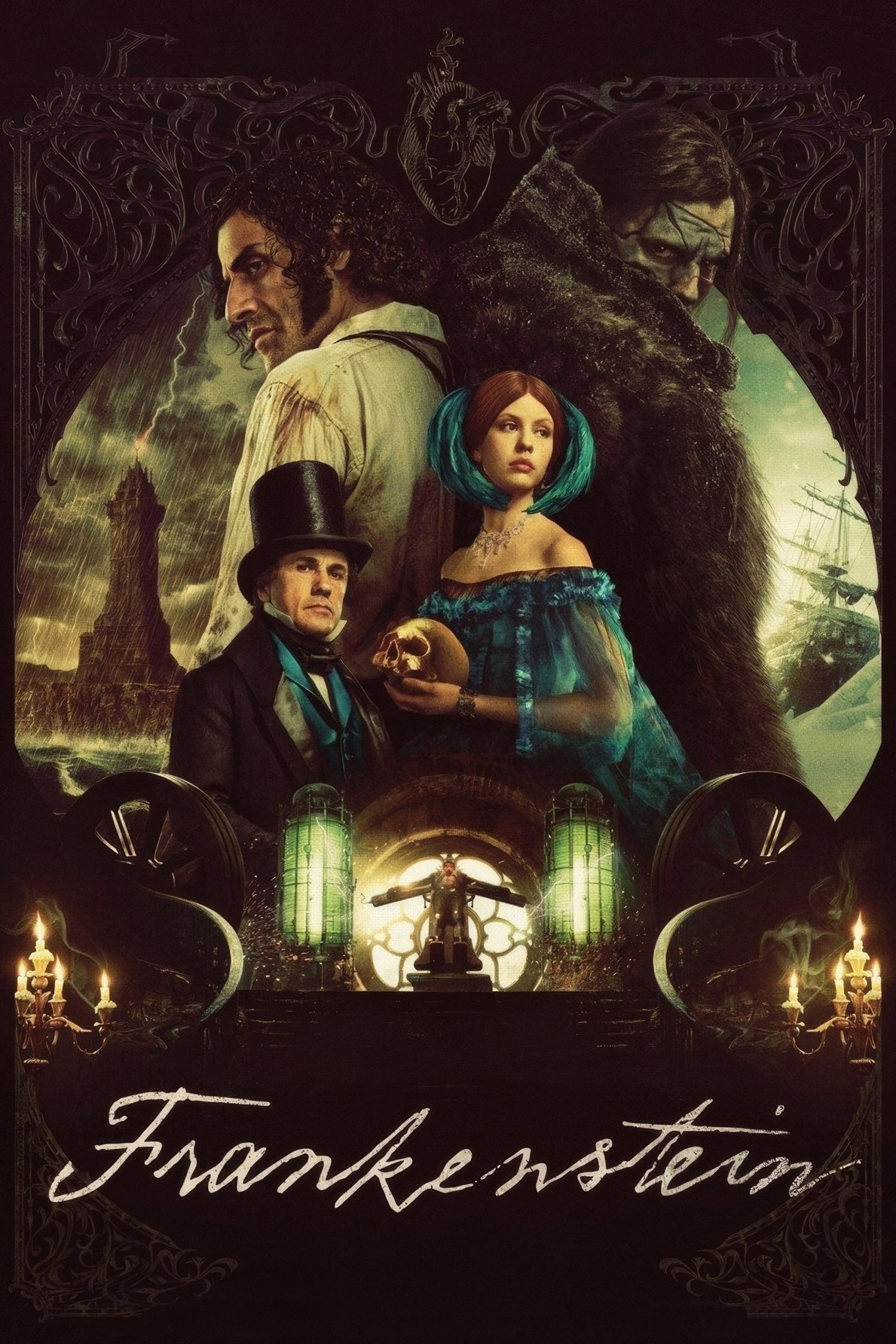
What the Film Is About
When I first encountered James Whale’s Frankenstein (1931), what struck me most was not simply the famous image of Boris Karloff’s Monster, but the aching struggle at the center of its story—a longing for connection, dignity, and understanding warped by misunderstanding and terror. Rather than presenting a straightforward tale of good versus evil, the film draws me into an emotional labyrinth where creation becomes complicated by regret, and ambition is constantly undercut by fear. The emotional journey carries a sense of mounting desperation, not just for Frankenstein as the reckless scientist, but even more so for his ill-fated creation, whose existence seems defined by rejection and loneliness.
At its heart, I see Frankenstein as a deeply ambivalent meditation on the consequences of human curiosity and the consequences of stretching beyond perceived boundaries—whether those are scientific, moral, or social. The primary conflict—creator versus creation—is interwoven with feelings of guilt, alienation, and relentless yearning. The narrative doesn’t offer easy answers; instead, it traces the way hubris and compassion collide, leaving wounds that refuse to heal.
Core Themes
What resonates most deeply for me in Frankenstein is its fearless confrontation with themes that feel as urgent today as they did in the early 1930s. I’m continually drawn to the film’s scrutiny of unchecked ambition and the tantalizing, sometimes destructive, power of knowledge. Frankenstein’s experiment isn’t just an act of scientific bravado—it’s a challenge to nature and morality, one that leaves everyone in its wake grappling with the fallout. The film’s famous warning, “It’s alive!” still pulses for me as a cry of both triumph and dread.
Just as present is the film’s meditation on identity and “otherness.” The Monster’s every gesture is an ache for acceptance and understanding—a mirror for anyone who’s felt acutely out of place or unfairly judged. Even stripped of dialogue, Karloff’s performance turns the Monster into a raw emblem of society’s capacity for cruelty toward what it doesn’t understand. I find the story’s condemnation of isolation and social prejudice impossible to ignore. To me, every scene where the Monster recoils from a torch, or reaches out only to be met with horror, reads as an indictment of the walls we build between ourselves and those we deem “different.”
The film also lodges itself firmly in the broader ethical debate about creation and responsibility. Watching Frankenstein’s dawning horror as his creation grows beyond his control, I sense a timeless tension—the intoxicating lure of invention crashing into the need for accountability. Released in a time rocked by scientific breakthroughs but also shadowed by economic desperation, Frankenstein echoes both the promise and the peril of progress. Its themes seethe with relevance today, as our own technologies and scientific experiments challenge the boundaries of what it means to be human, to create and control life, and to bear the consequences of our choices.
Symbolism & Motifs
More than any literal plot, it’s the movie’s symbols and recurring patterns that haunt me. The flicker of torches, the craggy silhouettes of castle turrets, and the omnipresent suggestion of lightning and electricity—all of these images are more than just atmospheric flourishes. When I see Frankenstein’s laboratory crackling with wild energy, it doesn’t just represent scientific progress; it also conjures the unpredictable consequences of human ambition. Electricity, vital and uncontrollable, becomes an apt metaphor for the power we seek to command, yet can never truly harness.
The Monster itself functions as a complex symbol within the film. To me, it’s both an ultimate “other”—a being assembled from discarded corpses, lacking language and family—and a child stumbling into a hostile world. This duality means that the Monster stands for alienation and forbidden knowledge as much as it stands for innocence and hope. In almost every close-up of its face, I sense the question: who, really, is the monster here—the creation, or the society that refuses to see him as anything else?
Another recurring motif is the contrasting imagery of light and darkness. Whale bathes certain scenes in harsh, expressionistic shadows that evoke German silent cinema, hinting at the moral ambiguity of the story. Light in the film can inspire awe—such as in the creation sequence—but just as often, it exposes or punishes. For me, these visual choices reinforce the film’s preoccupation with discovery and its risks: the more we illuminate, the more shadows we create.
The motif of hands—outstretched or recoiled—runs throughout the film as well. When I rewatch, I’m consistently moved by the simple, yearning gesture of the Monster’s hands. Whether reaching for sunlight, or for another human’s touch, these hands transform into a symbol for the deep, universal desire for acceptance. Alien hands create, and alien hands are rejected; the film cycles through this gesture as a kind of visual refrain about belonging and estrangement.
Key Scenes
Key Scene 1
The laboratory scene, in which Frankenstein brings his creation to life, strikes me as the emotional vortex of the film. Beyond the film’s iconic status, this moment crystallizes that dangerous fusion of hope, fear, and transgression that defines the entire story. When Frankenstein exclaims, “It’s alive!” I hear a man unhinged by success, teetering between godlike pride and immediate regret. For me, this scene is less about scientific spectacle, and more about the monstrous burden of creating something you cannot control—a metaphor that continues to shadow debates on science and ethics to this day. The creation’s awakening feels as much like a birth as an act of hubris, blending the miraculous with the tragic. The scene is pivotal because it worldlessly begs the question: now that we have power, what do we owe to those we affect with it?
Key Scene 2
The encounter between the Monster and the young girl by the lake is, for me, the film’s most intimate and devastating moment. The tenderness of the Monster as he plays with the child is suffused with innocence, but it is tragically misread by both the world and the Monster himself. This short sequence stands, to my mind, as the most eloquent articulation of how innocence can be mistaken for malice—how easily misunderstanding and fear can explode into violence. Watching this, I’m reminded that social prejudice isn’t abstract; it has real, catastrophic consequences for the most vulnerable. This scene expands the emotional range of the film, compelling me to see the Monster not as a villain, but as a victim—a being shaped and condemned by the intolerance surrounding him.
Key Scene 3
The film’s climax, set against the windmill ablaze, feels like a brutal, operatic endgame to me. The villagers pursue the Monster with torches, their faces lit by hate and fear, culminating in a fiery confrontation. I see this finale as the final indictment not just of Frankenstein, but of the villagers who become a mob. The destruction of the windmill, with the Monster inside, strikes me as society’s ultimate act of rejection—an act of violence masked as “justice.” In this inferno, the story’s themes converge: the tragic consequences of abandoning those we fear, the terrifying ease with which fear twists into violence, and the impossibility of returning to the innocence the story began with. The flames consume not only the Monster but, symbolically, any hope for reconciliation or understanding—a fittingly bleak, cautionary note to close the tale on.
Common Interpretations
Through decades of writing and discussion around Frankenstein, I’ve found that critics and viewers frequently interpret it as a cautionary tale about overreaching ambition and the price of scientific progress. There’s a widespread reading that sees Henry Frankenstein’s experiment as a thinly veiled parable about the dangers of “playing God”—a story that dramatizes the moral hazards of unchecked innovation. I tend to agree, but what I find more gripping are those interpretations that recenter the Monster’s role, viewing him as a tragic hero trapped by a world that refuses to look past his appearance. For many, the Monster becomes an allegory for society’s outcasts—migrant workers, the disabled, anyone left on the margins of “normal” life.
Others emphasize the story’s critique of mob mentality and social scapegoating, suggesting that the Monster’s violence—though horrifying—is more the result of environmental rejection than innate evil. I see a parallel here with how we label and respond to people we don’t understand. There are also more psychological interpretations, especially those that focus on Frankenstein’s relationship with his creation as a kind of shadow-self—suggesting that the Monster is an externalization of his guilt, fears, and failures.
For some, the film functions as a proto-existential narrative: the Monster, endowed with life but no meaning, is compelled to forge his identity in a hostile universe. This reading, to me, captures the film’s eerily modern anxiety about purpose, belonging, and the burdens that come with self-awareness. Ultimately, though, I believe the beauty of this film is its refusal to settle on a single meaning—it’s a canvas that invites projections of our own age’s uncertainties and hopes.
Films with Similar Themes
- The Bride of Frankenstein – I see this direct sequel not only deepening the original’s meditation on creation and loneliness, but also exploring the search for companionship and the rights of the created to shape their own destinies.
- Blade Runner – Ridley Scott’s cyber-noir echoes many of the same questions for me, particularly the ethics of creating sentient life and the resulting alienation and longing for meaning within artificial beings.
- Edward Scissorhands – Tim Burton’s film taps into the motif of an artificial outsider, misunderstood by society, yet brimming with gentle humanity. I constantly recall echoes of Karloff’s Monster in Depp’s performance.
- Ex Machina – In this more contemporary context, I recognize the same anxieties about scientific hubris and creator responsibility at play, examining what happens when innovation’s consequences far outstrip the creator’s control.
The enduring message I take from Frankenstein is one of caution and compassion: we are all potential creators, but also all potential monsters, defined as much by how we treat others as by our own fears and ambitions. The film doesn’t simply indict science or curiosity—it asks what kind of world we want to build and who gets to belong in it. In that sense, Frankenstein remains as unsettling and urgent today as it was at the dawn of the sound era, offering a mirror for society’s progress—and its cruelties—both then and now.
After learning the historical background, you may also want to explore how this film was received and remembered.