
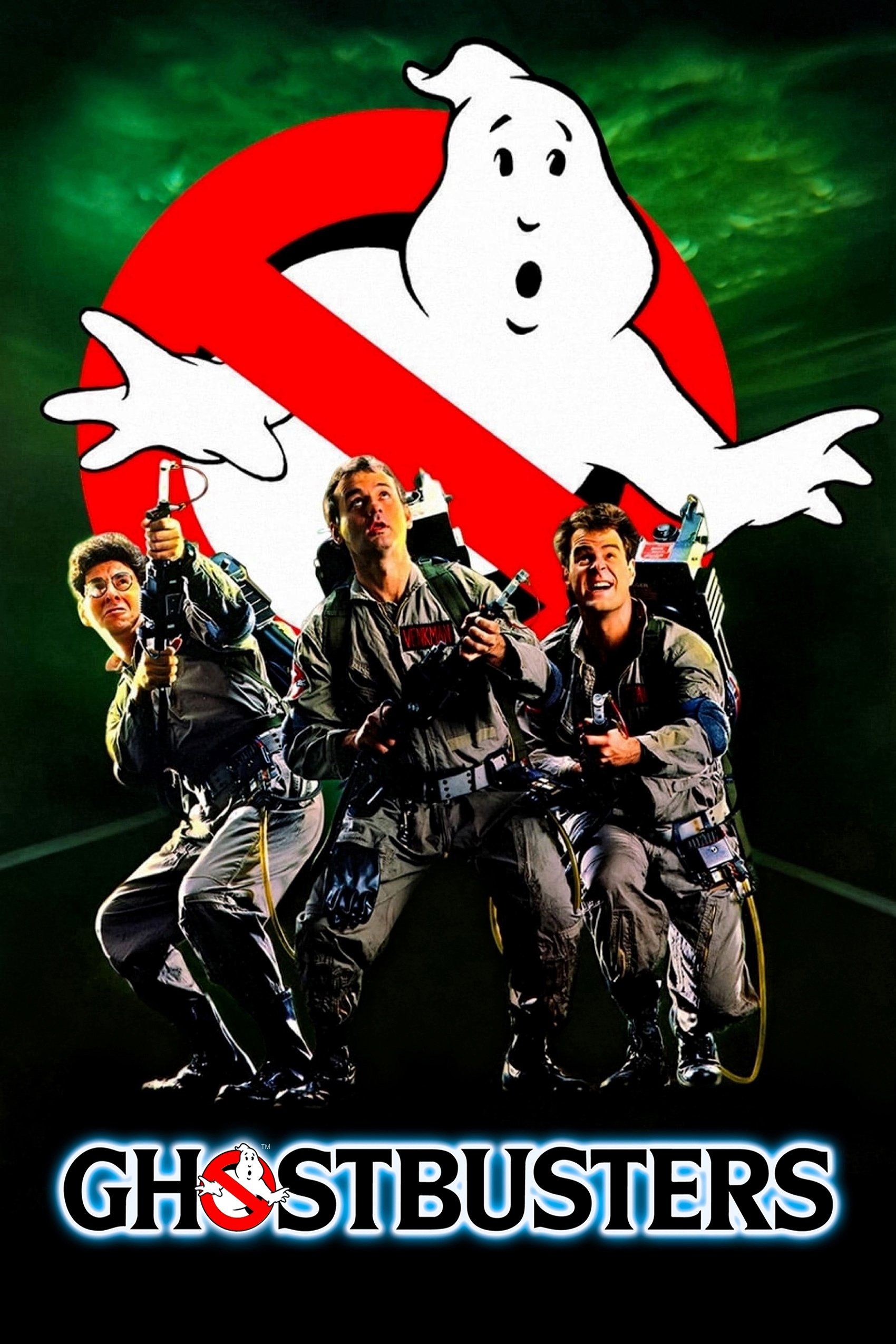
What the Film Is About
Whenever I revisit Ghostbusters, what stands out to me isn’t just the laughs or the flash of proton packs, but the deeply human itch it scratches: our fascination with the strange and the unknown, and the personal cost of confronting it. From the first ghostly encounter to the team’s last stand, I’ve always felt the emotional current running under the wisecracks—a journey from skepticism and ridicule to heroism and belonging. The heart of the film, for me, lies in its characters fumbling together against an otherworldly threat, testing their friendship and individual courage. That’s where I find its true conflict: not humans versus ghosts, but self-doubt versus the possibility of meaningful action.
Rather than a simple comic adventure, I see Ghostbusters as telling the story of outsiders figuring out how to matter—staking a claim on a world that doesn’t quite believe in them. That journey, full of awkward courage and unexpected solidarity, is what gives the film its lasting emotional resonance. It’s as if the outlandish world of ghosts gives permission for ordinary, flawed people to step up and become something much more, both in their own eyes and in the eyes of a society that loves to judge.
Core Themes
One of the concepts that has always fascinated me about Ghostbusters is its attitude toward authority and expertise. Here are these parapsychologists, dismissed as kooks by their peers and by city bureaucrats, but fervently convinced of their mission. For me, the film pokes at the boundaries between science and faith, skepticism and wonder. In 1984, when fears about government overreach and “selling out” to corporatization simmered under the surface, this story of oddballs taking entrepreneurship into their own hands felt like a pop-culture beacon. It captured the moment’s entrepreneurial urge, and the sense of alienation from systems that claim to know better.
I also find the film remarkably incisive about the price of authenticity. Every Ghostbuster is a misfit—too idiosyncratic, too transparent, too honest for academic or bureaucratic systems. Their journey isn’t just about catching ghosts, but about embracing their true nature and letting their unconventional talents shine. I see this as a universal fantasy: the longing to be accepted for who we are, quirks and all, and maybe even to change the world in the process.
Beneath the surface humor and bombast, the film also grapples with societal anxiety. The idea of invisible forces threatening the fabric of daily life, and the sense that official institutions are ill-equipped—or unwilling—to handle them, strikes a nerve that still reverberates today. The Ghostbusters don’t just vanquish otherworldly monsters; they expose how fragile the order of modern life really is. In the chaos, I read the film as an earnest call for ordinary people, armed with resilience and friendship, to meet the unknown together rather than alone.
As time passes, I keep returning to Ghostbusters’ meditation on the absurdity of contemporary heroism. The film gleefully undermines the old myths—these aren’t square-jawed saviors, but journeymen scientists selling their services for a fee. In a culture obsessed with branding and reinvention, I find something oddly inspirational in their unapologetically mercenary heroism. It’s an antidote to cynicism, suggesting that even imperfect action can sometimes save the day.
Symbolism & Motifs
What continues to intrigue me about Ghostbusters is the clever use of visual motifs and symbols that layer meaning beneath the laughter. The proton packs, for instance, have always struck me as a brilliant marriage of slapstick and symbolism. They’re not elegant weapons—they’re awkward, unreliable, and clearly cobbled together. To me, they’re a metaphor for the way real solutions to messy problems look in practice: unsophisticated, improvisational, but effective when wielded by passionate hands.
The ghost trap itself operates like a physical manifestation of the characters’ attempts to compartmentalize the uncontrollable. These tiny containment units, straining at the seams, feel like stand-ins for the ways we try to bottle up fear, anxiety, and the unpredictable forces of modern life. I see their eventual failure as a sly warning about the limits of human control, and the inevitability of chaos breaking loose despite our best efforts.
Even the Stay Puft Marshmallow Man, that now-iconic symbol of comic monstrosity, elevates the film’s symbolism for me. At first glance—a mascot turned monster, walking a path of destruction through the city—it’s a joke writ large. But I read it as a statement about the infantilization of modern culture and the unpredictably dangerous monsters we create from our own innocence and nostalgia. In their moment of crisis, the characters’ childhood comforts become a threat, suggesting that what seems benign or trivial can sometimes grow into overwhelming challenges if left unchecked.
The cityscape of New York acts almost as a fifth character, its gothic grandeur and crumbling infrastructure reflecting both the adventure and the deterioration at play in the film’s world. For me, the blending of the supernatural and the mundane environments—the haunted library, the ordinary apartment building that becomes a gateway—reminds me of how thin the veneer of normalcy truly is, and how quickly the extraordinary can erupt into everyday life.
Key Scenes
Key Scene 1
The moment that always arrests me is the library scene at the film’s beginning, where the Ghostbusters first face an undeniably supernatural terror. There’s comedy—of course—but it’s also laced with genuine dread. For me, this scene crystallizes the film’s central question: what do we do when faced with the unexplained? The initial blustering confidence and subsequent panic of the team perfectly encapsulate the human comedy of encountering the unknown. I find that the sequence embodies not only the film’s blend of horror and humor but also its core argument: confronting our fears isn’t about banishing them, but learning how to navigate their presence with ingenuity, humility, and a little bit of luck.
Key Scene 2
A later scene that haunts my thinking is the confrontation between the Ghostbusters and the city’s mayor. Surrounded by officials who want the problem to go away without addressing its cause, the Ghostbusters finally seize the chance to explain themselves and their mission. What makes this moment resonate for me is the light it casts on the uneasy relationship between outsiders and institutions. The mayor wavers between skepticism and opportunism, while the Ghostbusters, vulnerable and earnest, lay their credibility on the line. I see it as an echo of every real-world struggle between innovators and the status quo. The tension between public accountability and entrenched power surges to the fore, revealing how progress often hinges on individuals who refuse to bow to convention—even if their methods are far from tidy.
Key Scene 3
The climactic rooftop showdown, with its surreally cheerful villain and the team’s reckless decision to “cross the streams,” crystallizes the film’s philosophical thrust in my mind. Here, faced with annihilation, the Ghostbusters choose radical risk—an act that defies both technical logic and common sense. I interpret this decision as the ultimate embrace of uncertainty: sometimes, the only way to defeat the impossible is to step beyond the boundaries of what’s considered safe or rational. It’s an exhilarating, cathartic moment where the group’s earlier improvisations and mishaps suddenly coalesce into daring heroism. For me, this finishing stroke affirms the film’s belief in collective action, creativity, and the transformative power of taking risks, even (or especially) in the face of disaster.
Common Interpretations
Over time, I’ve encountered a wide range of interpretations that speak to Ghostbusters’ enduring relevance. Some critics tend to focus on its satirical lens, seeing the film as a wry critique of bureaucracy, academia, and the commodification of crisis. From this viewpoint, the Ghostbusters become avatars of 1980s entrepreneurial spirit, laughably eager to monetize even the supernatural. I see the logic here—the film gleefully lampoons the culture of profit, especially in its sendups of marketing, government ineptitude, and media hysteria. Still, I find that this reading, while insightful, risks missing the warmth at the center of the film.
Another strand of interpretation, one that I personally find more compelling, views the movie as a celebration of community and underdog resilience. In this light, the supernatural is less a literal threat than a metaphor for the obstacles outsiders face in carving out a space for themselves. Audiences, I think, connect so fiercely with the film because it grants dignity and even heroism to those who don’t fit the mold—an especially attractive message in a decade often defined by conformity and excess.
Some viewers lean hard into the psychological symbolism, suggesting that the ghosts represent suppressed anxieties and guilt, while the Ghostbusters personify the sometimes-futile quest to keep chaos at bay. I understand the allure of this take, especially given how the film’s humor so often brushes up against darker, almost existential undertones. Ultimately, the film invites a kind of playful multiplicity: a comedy about fear, an action movie about friendship, a satire about authority—all layered within a romp through the haunted corners of the American psyche.
Films with Similar Themes
- Men in Black – I’ve always seen this film’s humor-laced approach to secret threats and bumbling bureaucracy as spiritually aligned with Ghostbusters, exploring how ordinary people cope with cosmic absurdities just beyond everyday sight.
- Beetlejuice – To me, Tim Burton’s movie shares a fascination with the intersection of the supernatural and mundane, using its spectral misfits to probe ideas about identity, belonging, and the permeability of social norms.
- The Frighteners – Peter Jackson’s horror-comedy came to mind for its blend of pulp thrills and black humor, but also for the way it positions its protagonist as a ghost-whisperer marginalized by skepticism and circumstance.
- Shaun of the Dead – Though swapping ghosts for zombies, this British comedy mines similar ground by balancing existential dread and deadpan wit, all while celebrating the resourcefulness of unlikely heroes working together.
When I reflect on Ghostbusters in the context of its era—and my own experience—I come away feeling that it’s less a story about ghosts than about what happens when outsiders band together, daring to see the world differently. The film’s enduring power lies, for me, in its messy affirmation of imperfection, improvisation, and friendship in a world that often feels haunted by forces we barely understand. It’s an exuberant, slyly profound reminder that even when institutions falter or the odds look impossible, the human impulse to form communities and face the unknown together is what truly saves the day.
After learning the historical background, you may also want to explore how this film was received and remembered.