
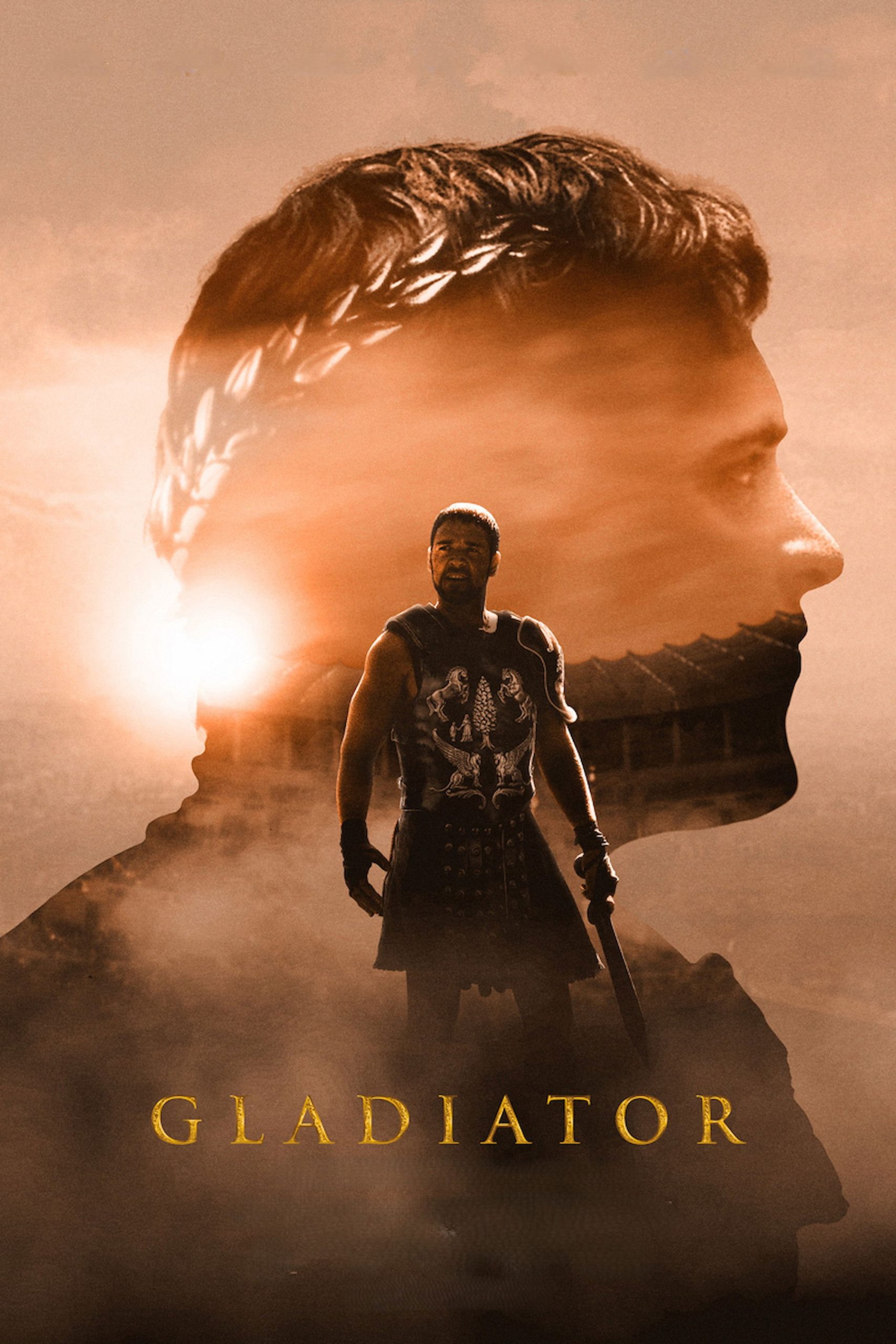
What the Film Is About
Every time I return to “Gladiator,” what strikes me is not the spectacle of sword and sand, but rather the powerful emotional journey at its core. I feel drawn into the personal struggle of Maximus—a man undone by betrayal and loss, yet unwilling to relinquish his sense of justice. For me, the film is a meditation on the endurance of the human spirit amid devastating circumstances. Maximus’s journey transcends physical battles in the arena; it’s a deeply interior struggle to preserve his honor and humanity in a world corrupted by ambition and cruelty.
At its heart, I see “Gladiator” as a story about fractured loyalty and the search for meaning when all is taken away. The central conflict between Maximus and Commodus, for me, becomes more than just a fight for political power; it feels like a larger contest between the ideals of virtue and the seduction of self-serving authority. Against the roiling backdrop of Ancient Rome, the narrative steers toward the question: Can one individual’s principles survive when pitted against an empire designed to crush dissent?
Core Themes
The themes that have always resonated most with me in “Gladiator” are those of power, revenge, loss, and ultimately, redemption. Power here is depicted as corrosive and alluring; in Maximus’s hands, it’s a reluctant burden, but in Commodus’s, it becomes an instrument for manipulation. Through this dynamic, the film asks who is fit to lead—not by birthright, but by character.
Revenge is a theme that ebbs and flows throughout the story. I find it fascinating how Maximus is initially driven by it, nearly consumed by the pain inflicted upon him. Yet “Gladiator” complicates the traditional revenge narrative by exploring what revenge does to the soul—is justice ever achieved, or is it only a hollow victory? To me, these questions root the film in an ancient world while allowing it to echo modern anxieties about cycles of violence and cycles of power.
Loss feels omnipresent: Maximus loses his home, his family, his status, and even his identity. As I watch him navigate captivity and the brutality of the arena, I can’t help but contemplate the nature of resilience. The film doesn’t just grieve what’s been stolen; it asks how one maintains dignity amidst the ashes of defeat. That is ultimately why the theme of redemption matters so much here—not as a religious salvation, but as an existential assertion that even in the dirtiest arenas, a person can reclaim his soul.
I recognize that these themes were remarkably relevant in the year 2000, an era shaped by the tail end of the twentieth century and a deep sense of unease about the failures of leadership and the cost of unchecked ambition. Even now, I find their resonance undiminished; questions about who wields power, who suffers, and who stands up against corruption are as urgent as ever.
Symbolism & Motifs
The motifs in “Gladiator” are not subtle, but to me, that is part of their beauty. One image that lingers long after the credits roll is the recurring motif of hands brushing against wheat. Each time Maximus envisions the afterlife—his fingers trailing slowly through golden fields—I’m reminded how the film equates home and peace with simplicity and nature, a counterpoint to Rome’s decadence. For me, these sequences symbolize the yearning for a world unspoiled by ambition or violence.
Then there are the symbols of the Colosseum itself. I see the arena as a living, devouring beast—a stage for Rome’s lust for spectacle and blood. The sand becomes not just ground, but a canvas upon which the empire projects its need for dominance. Every time Maximus steps into the ring, it’s as if his life and values are being tested before an audience that demands entertainment rather than justice. This image strikes me as a condemnation of any society that treats human suffering as spectacle.
Another powerful motif is the contrast between light and darkness throughout the film. The visual language consistently sets the political machinations in the shadowy interiors of Rome, while moments of hope are bathed in natural sunlight. To my eyes, this symbolic interplay between darkness and light serves as an ongoing reminder that integrity is often forced to survive in the margins, while corruption basks in public grandeur.
Weapons and armor also carry symbolic weight, representing not only the tools of violence but the masks required to survive in an unrelenting world. I read the ritualistic donning of armor by Maximus as a metaphor for the way we all, at times, shield ourselves emotionally—preparing for the battles life inevitably brings.
Key Scenes
Key Scene 1
The moment when Maximus reveals his identity to Commodus in the arena might be, for me, the film’s most potent emotional climax. As Maximus peels away his battered helmet and defiantly names himself, I am struck by the way dignity is reclaimed through truth. This act, at enormous personal risk, transforms a nameless slave back into an individual, his singular identity casting a shadow much larger than any emperor’s. In that moment, the film’s central message—about the power of authenticity and courage—echoes with unforgettable clarity. I see this as the catharsis of standing up, finally, in front of an audience that demands your silence.
Key Scene 2
Another scene that haunts me is the gathering in the holding cells after a brutal day in the arena, when the other gladiators begin to look to Maximus as a leader. This isn’t merely about power or strategy; it’s about the communal recognition of someone who embodies hope within a system designed to extinguish it. I interpret this as the film’s meditation on leadership—not inherited, but earned through integrity and self-sacrifice. Here, loyalty is not enforced from above but arises spontaneously among the oppressed. Watching these connections form, I question how communities resist dehumanization, and what it means to inspire others even when your own hope is fragile.
Key Scene 3
The final confrontation between Maximus and Commodus, for me, is less about who wins the sword fight and more about what it costs them both. As Maximus, mortally wounded, finally sees the gates of the afterlife in his mind’s eye, I’m moved by what feels like a release rather than a victory. The message, as I see it, is that true freedom comes not from vengeance, but from fidelity to one’s principles—even in death. The collapse of Commodus in this scene functions as a quiet admission that brute force without legitimacy is destined to fall. The bittersweet resolution underscores, for me, the idea that the fight for justice may be an ongoing, generational effort, never fully completed by one person alone.
Common Interpretations
Speaking with film lovers over the years, I’ve encountered a chorus of interpretations that swirl around “Gladiator.” Many critics, like myself, see the film as a timeless exploration of heroism—a throwback to epic traditions, yet excavating the psychological costs of standing against tyranny. Some view Maximus as the ultimate tragic hero, whose suffering is both personal and emblematic of wider injustices. For these viewers, “Gladiator” functions as an allegory for the cost of moral purity; it’s a narrative that asks whether goodness is even possible in a decaying institution.
Alternatively, I hear some audience members interpreting the film more through the lens of spectacle. These discussions focus on the adrenaline and catharsis of the arena, making the case that “Gladiator” is, at its core, about endurance in the face of overwhelming odds. From this angle, the specifics of historical accuracy recede, replaced by a focus on universal feelings—rage, courage, sorrow, and hope. While I appreciate the emotional punch of this interpretation, I’m more drawn to the reading that emphasizes the relentless pull between vengeance and forgiveness.
There’s also a political layer that critics unpack, especially in the context of late-90s and early-2000s skepticism toward power structures. I relate to this interpretation as well—seeing Commodus as a cautionary figure, symptomatic of what happens when rule is based on ego and spectacle instead of accountability.
Ultimately, I believe the film’s legacy endures because it refuses easy answers. Whether one is most compelled by its intimate heartbreak or its widescreen battles, “Gladiator” seems to invite each viewer to wrestle with what it means to be honorable in a compromised world.
Films with Similar Themes
- Braveheart – I find Mel Gibson’s historical epic to be a natural companion piece, as it also scrutinizes the collision between personal loss, revenge, and the burden of leadership when facing immense corruption.
- Spartacus – Stanley Kubrick’s rendering of rebellion and the slave’s fight for dignity explores, like “Gladiator,” the possibility of heroism in a brutal, oppressive society.
- The Last Samurai – While set in a different historical context, this film examines a similar crisis of identity and belonging when a man is forced to fight for principles greater than himself.
- Kingdom of Heaven – Ridley Scott’s own crusader epic returns to the motif of a flawed man thrust into the tides of history, grappling with questions of faith, legitimacy, and leadership.
For me, “Gladiator” remains an urgent parable about the hard-won value of integrity. When I peel away the layers of armor and grandiose settings, I find a film that wrestles, unflinchingly, with universal questions: What defines a hero? What happens to a society when it cares more for spectacle than substance? How do we reclaim our humanity in the shadow of trauma and betrayal? In my eyes, the film’s enduring power rests not in its battle scenes, but in its steely assertion that honor cannot be granted or stolen—it must be chosen, every day, no matter the arena.
After learning the historical background, you may also want to explore how this film was received and remembered.