
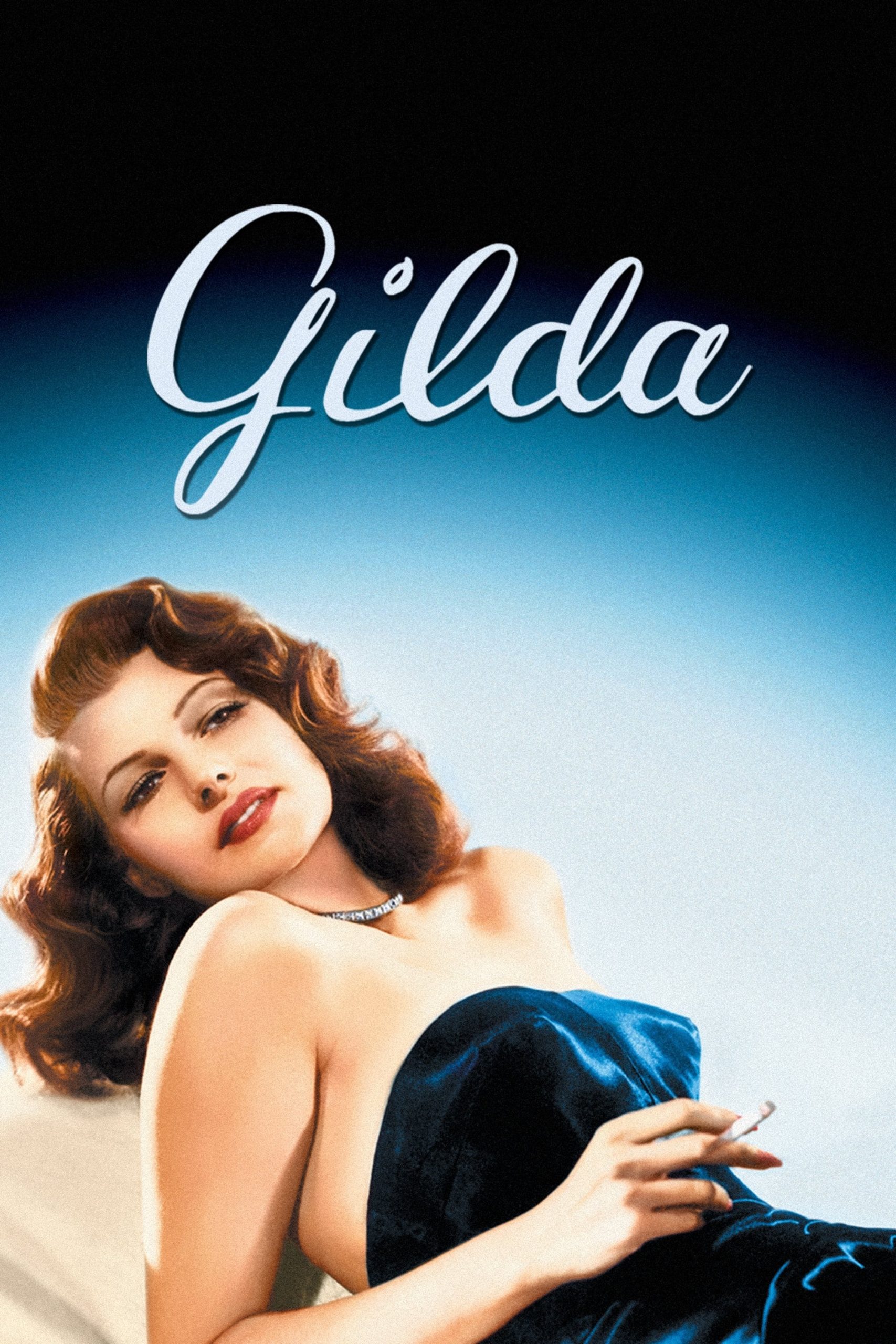
What the Film Is About
From the moment I first encountered Gilda, I was captivated by its undercurrent of tension and desire. I didn’t sense it was merely a tale of betrayal or chance encounters in a smoky casino; to me, it felt like a sharp exploration of how obsession, longing, and vengeance can bind people in ways more lasting than love. At its core, I always felt that the film asks what happens when passion slips into possession—and how bitterly destructive the line between the two can be. The narrative unfolds as less of a classic romance and more of a psychological duel, with Gilda herself at the center of a storm of projection and repression.
For me, Gilda traces an emotional journey toward self-knowledge born of pain and distrust. Watching the characters battle not just each other but their own concealed motives, I see the direction of the film as a slow unraveling—of masks, facades, and carefully maintained alliances. Every glance and gesture seems to pulse with meaning. I find myself drawn into how a love triangle is upended and corrupted by deeper suspicions, jealousy, and an unending search for power over one another. What lingers for me, far beyond any resolution, is a sense of the wounds that such entanglements leave behind.
Core Themes
I often return to Gilda for its fearless confrontation with themes that, even today, remain both uncomfortable and resonant. To my mind, the most potent idea is that of power as a currency within relationships—and the ways that power seeps into every aspect of human interaction. Whether it’s the allure of sexual dominance, the leverage of secrets, or the constant pull between yielding and resisting, I see the film as a meditation on who holds sway and how quickly that balance shifts.
What grabs my attention again and again is the film’s almost relentless honesty about jealousy and possession. While classic noirs are often spoken of in the context of fate or moral ambiguity, I interpret Gilda as a raw study in how desire is shadowed by suspicion. The story hammers at the cost of not trusting or truly seeing another person. At the same time, I read the film as an inquiry into identity—both constructed and imposed. Gilda, for instance, is continually redefined by those around her; she’s at once objectified and mythologized, yet never quite permitted to be real.
When I consider the cultural context of 1946, I sense how the film’s anxiety about loyalty and identity resonates with a postwar disquiet. People worldwide, but perhaps especially in America, were reckoning with fractured certainties and the threat hiding beneath the surface of ordinary life. For audiences now, I believe the continued relevance lies in how desperately all of us seek affirmation—but are too often mired in the power games that keep us apart.
Symbolism & Motifs
What fascinates me most about Gilda isn’t just the script or the performances—it’s the ways that symbols are smuggled into the film’s very fabric. The recurrent motif of gloves, for instance, has always felt to me like more than a period fashion flourish. Each time Gilda removes her gloves, I feel the gesture becomes charged with layers of meaning: the threat of exposure, the intimacy of undressing, the risk of baring one’s real self. It’s as if every peel of fabric is an invitation or a challenge—daring onlookers to distinguish between performance and authenticity.
Mirrors and reflections constantly catch my attention. Throughout the film, characters are shown in fragmented or distorted glass, as if haunted by the images they project and the secrets they conceal. To me, these visual cues are less about vanity and more about the fracturing of identity—how each character, particularly Gilda herself, must navigate the blur between exterior presentation and inner truth. In nearly every scene, I’m reminded that nothing is quite as it appears.
The motif of the casino itself—the spinning roulette wheel, the games of chance—strikes me as deeply symbolic. The constant gamble is not just financial but emotional and existential. Every wager and risk in the club seems to echo the larger risks the characters take with each other. When I watch these scenes, I cannot help but feel that the entire film is a meditation on the volatility of luck, the randomness of connection, and the inevitable price of trying to control outcomes that were never ours to command.
Key Scenes
Key Scene 1
There’s a moment early on that, to me, unlocks the entire emotional logic of Gilda. It’s Gilda’s iconic entrance: she is introduced with an offhanded question, “Gilda, are you decent?” and promptly snaps into focus in a dramatic head toss. Many have written about its visual impact, but I always felt that the emotional weight comes from how the camera lingers—a momentary coronation of Gilda as an object of simultaneous adoration and suspicion. Watching this, I sense the film asking: who gets to control the story of a woman’s reputation? In my mind, this single shot makes tangible both the sexual charge and the cruelty of being on constant display, never allowed true privacy or agency. It marks the beginning of the film’s central contest for ownership—of desire, of narrative, of selfhood.
Key Scene 2
The infamous “Put the Blame on Mame” musical number always echoes in my mind long after viewing. For me, this scene isn’t just about Gilda’s charisma—instead, it’s a masterclass in coded resistance. As she peels off a single glove with deliberate provocation, I witness an act that both invites attention and mocks it. This moment, I believe, is where Gilda momentarily seizes control of her own image, refusing to be defined entirely by the men around her. When I analyze this scene, I see the film’s themes of power and theatricality crystallizing in one breathless performance. It becomes, for me, a battlefield: Gilda weaponizes both vulnerability and allure, asserting her agency even as she knows she’s being watched and judged.
Key Scene 3
The film’s emotional climax, where past grievances are confronted and identities are laid bare, always leaves me unsettled. I interpret this as less a tidy resolution and more a tacit admission of the wreckage left behind by jealousy and control. Watching these final moments, I feel the cumulative weight of every betray, every defensive mask. The characters must reckon not just with each other, but with the distorted visions of themselves projected throughout the film. The final acceptance—or at least truce—between Gilda and Johnny, bittersweet and uncertain, reads to me as the film’s ultimate statement: that love, bruised by mistrust, can only survive if you dare to relinquish the power struggles that poisoned it in the first place.
Common Interpretations
When I turn to the wealth of critical writing on Gilda, I’m always struck by how polarized and yet overlapping the interpretations can be. Some see it primarily as a cautionary tale about the consequences of jealousy—a parable of romantic self-destruction, where love curdles into obsession. Others insist the film is best understood as a proto-feminist text, with Gilda herself standing as both victim and agent, her suffering a reflection of the impossibility for women to define themselves when men control the narrative.
For myself, I lean toward reading the film as an exploration of both victimhood and complicity. Critics often focus on Gilda’s objectification, but I also find significance in how she uses performance as a weapon: the exaggeration of femininity as both shield and sword. On the other hand, there’s a camp that considers Gilda within its historical moment—a postwar parable about suspicion and divided loyalties, mirroring the tensions of a world crawling out from under the shadow of global conflict. For these viewers, the film is less about individuals and more about collective anxiety, with each relationship collapsed under the weight of secrets and shifting power.
There remains, too, a persistent undercurrent of interpretation that sees Gilda as a meditation on sexual repression—not just in Gilda herself, but in the men whose fury and yearning are inextricable. I’m particularly drawn to readings that point out the film’s queerness-by-subtext, especially in the intense, near-erotic antagonism between Johnny and Ballin. For me, this pairing signals a broader discomfort with desire itself—how it can be both destructive and fundamentally misunderstood by those who experience it.
To explore how this film has been judged over time, consider these additional viewpoints.
Films with Similar Themes
- Double Indemnity (1944) – I often think of the thematic kinship between Gilda and Billy Wilder’s noir masterpiece. Both films investigate the lure of forbidden attraction and the perils of trusting appearances. The web of deceit, moral compromise, and the blurred line between victim and villain create a tense emotional landscape in both.
- Rebecca (1940) – I find another resonance in Hitchcock’s psychological suspense drama, where a woman’s sense of identity is shaped—and nearly erased—by the projections and threats of those around her. Power dynamics, obsession, and the corrosive effect of secrets are central to both films, even as their tones diverge.
- Casablanca (1942) – On the surface, it’s a very different film, but at its heart, I think it shares Gilda’s exploration of romance shadowed by betrayal and uncertain loyalty. Both films use charged locales (a nightclub or casino) to stage private dilemmas against turbulent political backdrops, making the personal inextricable from the historical.
- Notorious (1946) – I see a compelling parallel in the way Hitchcock’s espionage thriller delves into love warped by mistrust, power, and the moral ambiguity of its central lovers. Like Gilda, it threads intimacy and surveillance so tightly the characters can barely breathe.
For me, Gilda endures because it doesn’t flinch from the messy truths of human nature. I’m left neither comforted nor devastated but provoked: to reflect on how desire, mistrust, and performance shape all of us—sometimes wounding, sometimes defending, but always illuminating the uneasy boundaries between who we are and who we appear to be. The film pulses with the anxieties of its time, yet speaks directly to contemporary hearts still caught in similar struggles. What it ultimately tells me is that love, to survive, must shed the armor of power and suspicion; only then does it come close to freedom, even if that freedom arrives, as it does for Gilda and Johnny, bloodied and late.