
What the Film Is About
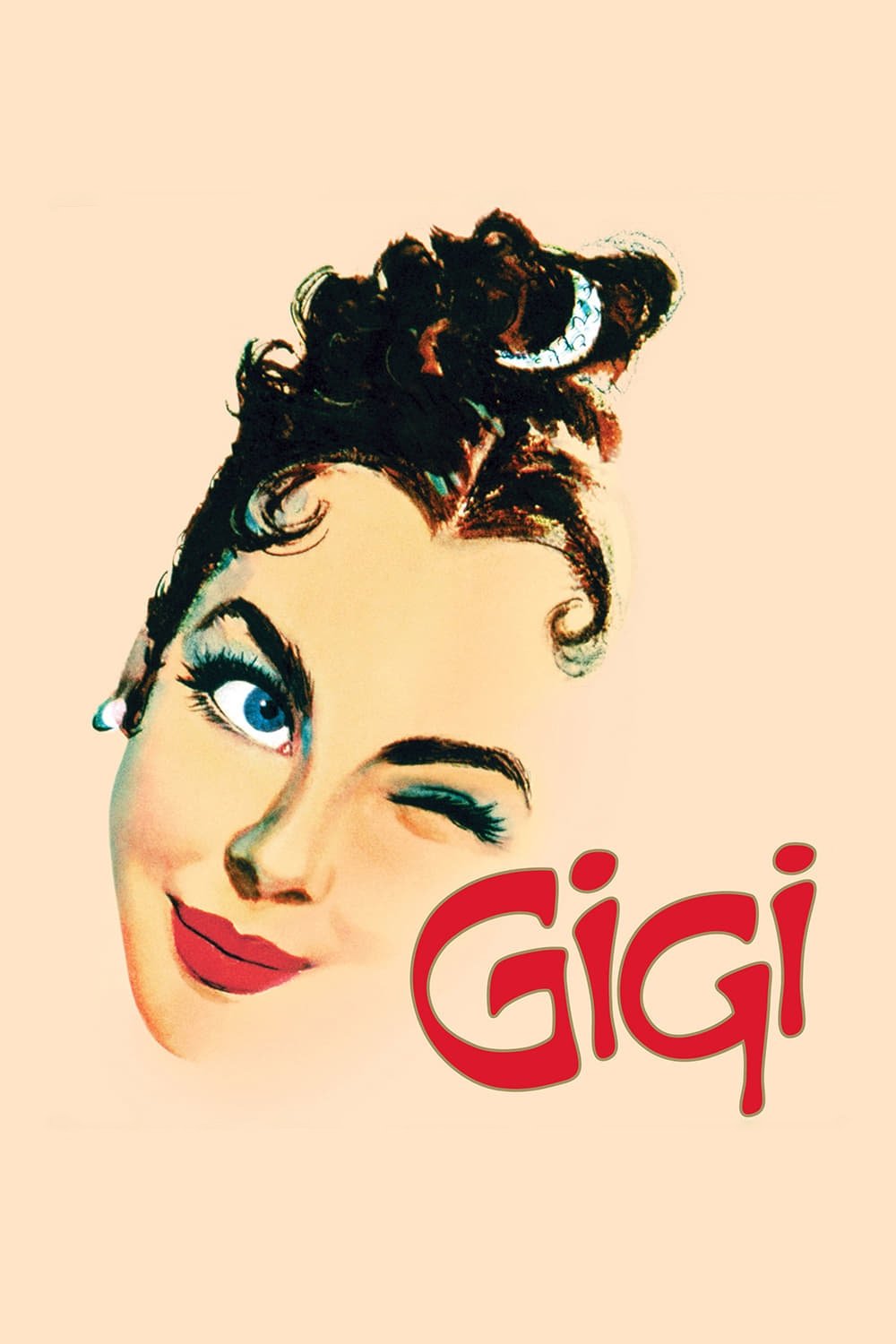
When I first watched “Gigi,” directed by Vincente Minnelli, I was struck by the way it gently lured me into the glittering yet complicated world of fin-de-siècle Paris. Underneath its polished musical numbers and that veneer of Belle Époque charm, I sensed a more provocative exploration of how love, innocence, and self-identity collide within a restricted social order. To me, “Gigi” feels less like a conventional romance and more like a meditation on transition—between eras, between childhood and adulthood, between tradition and transformation. The emotional drive of the film seems to rest on Gigi’s own journey, not only toward romantic love but toward a hard-won sense of self-respect that pushes against the customs of her world.
At the center, I keep coming back to the dual conflict: Gigi’s awakening to adulthood and affection, juxtaposed with Gaston’s internal reckoning with what it means to genuinely love in a society that places so much value on appearances and arrangements. Every lush sequence and witty lyric seems to feed into this narrative direction—a subtle but relentless questioning of what love should look like when the rules are set by everyone but those actually in love.
Core Themes
What I find most compelling in “Gigi” is its grappling with the power of transformation—especially as it relates to social expectations, personal agency, and the search for authentic emotion. Although on the surface, the film radiates Old World glamour and witty sophistication, I see its heart lying in how it interrogates the practices of arranged relationships and the commodification of romance. By using the transformation of Gigi from a playful girl to a poised young woman as the focal point, the film allows me to reflect on how society shapes, even distorts, the aspirations and inner lives of young women.
This theme was undoubtedly charged at the time of release. Watching it now, I can’t help but sense a subtle critique of patriarchal norms, even as the film operates within their boundaries. In the 1950s, American audiences were themselves grappling with postwar redefinitions of gender roles and the tensions between conformity and individuality—paralleling how Gigi and Gaston negotiate their desires within rigid Parisian codes. For me, the film’s insistence on personal authenticity—as opposed to simply fulfilling societal expectation—still lands powerfully today. The shapes and structures of expectation may have transformed, but the fundamental questions remain: How much of who we are belongs to us? How much is molded or dictated by others?
Another theme I see playing out is the distinction between superficiality and depth, public action and private feeling. From Gaston’s disillusionment with meaningless pleasure to Gigi’s refusal to be “trained” for a role she doesn’t truly embrace, the film quietly rebels against the glamour of surfaces. Love, in Gigi’s world, is not only about joy, but also about taking risks—risking scandal, risking heartbreak, risking the ignominy of embracing one’s desires against the judgment of social arbiters. And perhaps most quietly, but most persistently, the theme of innocence—how it’s preserved, lost, and ultimately redefined—echoes throughout, challenging the audience to question whether compliance with tradition equates to maturity, or simply to resignation.
Symbolism & Motifs
Whenever I return to “Gigi,” I’m always aware of how the film’s visual and narrative motifs act like hidden footnotes, guiding my understanding without shouting their intentions. The recurring image of jewelry, for instance, is more than ornamental; it serves as a kind of shorthand for commodification and status, signaling the expected transactional nature of love in Gigi’s world. The scene in which Gigi rejects a lavish necklace is especially telling: this trinket is meant as a symbol of “success” in the initiated world of Parisian romance, but to Gigi, it becomes a burden—evidence of what she’s expected to be, rather than who she is.
Another motif I find arresting is the omnipresence of the park—an open space where many significant conversations occur. The park becomes a stage for social performance, but also a rare site of unguarded emotion, a liminal zone between Gigi’s cloistered home and the wider adult world. Throughout, I also notice how the film employs the motif of teaching and lessons, whether it’s Gigi’s earnest (and sometimes comically disastrous) attempts at etiquette or the more implicit “lesson” Gaston receives as he comes to terms with his own dissatisfaction. Each lesson, whether accepted or resisted, is a symbol of the pressures—sometimes gentle, sometimes suffocating—exerted by tradition.
The “champagne” motif recurs as a signal of flamboyance, impulse, and fleeting pleasure. Characters celebrate or escape with champagne, and it flows through scenes of both joy and disillusionment. To me, it becomes a metaphor for the bubbling surface of Parisian life, always about to go flat if left unattended, its fizz masking deeper uncertainties and yearnings. There’s a motif of games, too—the way Gigi and her grandmother play cards, or the “game” of love that society has choreographed for them. These repeated symbols never feel accidental; rather, they’re woven into the film’s meaning, expressing the tension between agency and expectation, spontaneity and prescribed ritual.
Key Scenes
Key Scene 1
The moment that stands out most poignantly for me is the one in which Gigi rejects the arrangement presented to her—her refusal to accept Gaston’s offer under the existing social rules. This scene resonates not simply as a pivotal turning point, but as an emotional and symbolic declaration of autonomy. Gigi’s insistence on not being “kept” but rather loved as an equal strikes at the core of the film’s challenge to transactional love. I find the courage in her refusal deeply moving; it’s as if she’s asserting not just her own worth, but the possibility that genuine affection can exist outside of commodified structures. It’s not simply a plot development, but a moment where I feel the film’s true message crystallize: dignity and love should go hand in hand, and neither should be sacrificed for the comfort of custom.
Key Scene 2
Another scene that often lingers with me is Gaston’s moment of existential reckoning, as he sits alone and comes to terms with his malaise. His famous song, “It’s a Bore,” is not just a witty throwaway, but a window into the emotional fatigue of a man who is exhausted by pleasure without purpose. This is where the central theme of superficiality versus substance comes into sharp focus for me. As Gaston dwells on the inauthenticity that permeates his glamorous life, it becomes clear that what he’s really seeking isn’t novelty or excitement, but a connection that is honest and alive. I see his malaise as emblematic of a society reaching the end of one era and awaiting the birth of another, hungering for something real amid all the performance. For me, this scene is Gaston’s tacit admission that the old modes no longer satisfy—not just in romance, but in life.
Key Scene 3
The film’s final scene, in which Gaston returns to Gigi and both acknowledge their genuine feelings, feels like a gentle upheaval—a declaration that transformation is not only possible, but necessary. What I find so compelling in this moment is not its sentimentality, but the quiet radicalism beneath the surface. Gigi’s acceptance of Gaston is not a surrender, but an act of agency on her own terms; and Gaston’s proposal marks the dissolution of the rigid, transactional boundaries that dominated their world until then. This scene serves as the film’s ultimate verdict: true connection, when tempered by respect and mutual choice, can upend even the most entrenched traditions. To me, this final note is less about romance than about the hard-earned right to define one’s own path, however gently or extravagantly it may clash with custom.
Common Interpretations
In conversations with both casual viewers and critics, I’ve encountered several different interpretations of “Gigi.” Some see the film as a lush bit of nostalgia—a stylized fairy tale that pokes gentle fun at outdated mores. Others, and I count myself among them, view it as a sly, sometimes ironic examination of gender roles and the commodification of women, disguised beneath its dazzling Technicolor spectacle.
One of the most common readings interprets “Gigi” as a straightforward coming-of-age story, with Gigi serving as the embodiment of innocence preserved through sincerity. I can appreciate this reading, but for me, the more acute perspective is that “Gigi” subtly critiques the very system it depicts, suggesting that happiness or “success” achieved at the expense of agency or equality is suspect at best. There are those who take a more romantic view, viewing Gigi’s story as one of perfect love conquering social barriers, while others focus on the film’s ambivalence about its own society—an ambivalence best captured in the humor and resignation of Honore’s songs.
Rarely do I see interpretations that push the film into the territory of outright satire, though I sometimes feel gentle satire working beneath the surface. Ultimately, the prevailing consensus seems to oscillate between viewing “Gigi” as a product of its time—both in what it critiques and what it leaves untouched—and as an enduring meditation on love, transformation, and the ongoing negotiation between self and society. These layered readings are what keep me returning, each time finding a new angle, a new tension, in Gigi’s quietly transformative world.
Films with Similar Themes
- My Fair Lady – I see a direct connection in how both films explore themes of education, transformation, and the tension between social expectation and genuine affection. Just as Gigi is “trained” for her role, so is Eliza Doolittle, and both wrestle with whether true selfhood can survive instruction and artifice.
- An American in Paris – Beyond the Parisian setting, this film shares with “Gigi” a fascination with love caught between possibility and impossibility, and the challenges of forging authenticity in a world of spectacle and social expectation.
- Pretty Woman – While decades apart and set in very different societies, both films grapple with the intersections of love, commerce, and self-worth, questioning whether real intimacy can exist within transactional frameworks.
- Breakfast at Tiffany’s – I am often drawn to the ways both stories center on heroines who resist and reframe the boundaries of propriety, seeking both connection and independence in societies obsessed with perception and conformity.
For me, “Gigi” ultimately communicates a complex vision of human nature and society: that genuine affection requires both bravery and honesty, and that transformation, though often subtle and hesitant, is the true engine of liberation. In its most exquisite moments, the film invites me to consider the costs of convention and the risks of self-determination—not simply as artifacts of a bygone era, but as ongoing questions that echo through every negotiation between love and tradition. The film’s legacy, then, is not merely its surface charm, but the way it gently teases at the borders of conformity, coaxing its characters (and me, as a viewer) to ask: Do I dare to define my own happiness, even when the map has already been drawn?
After learning the historical background, you may also want to explore how this film was received and remembered.