
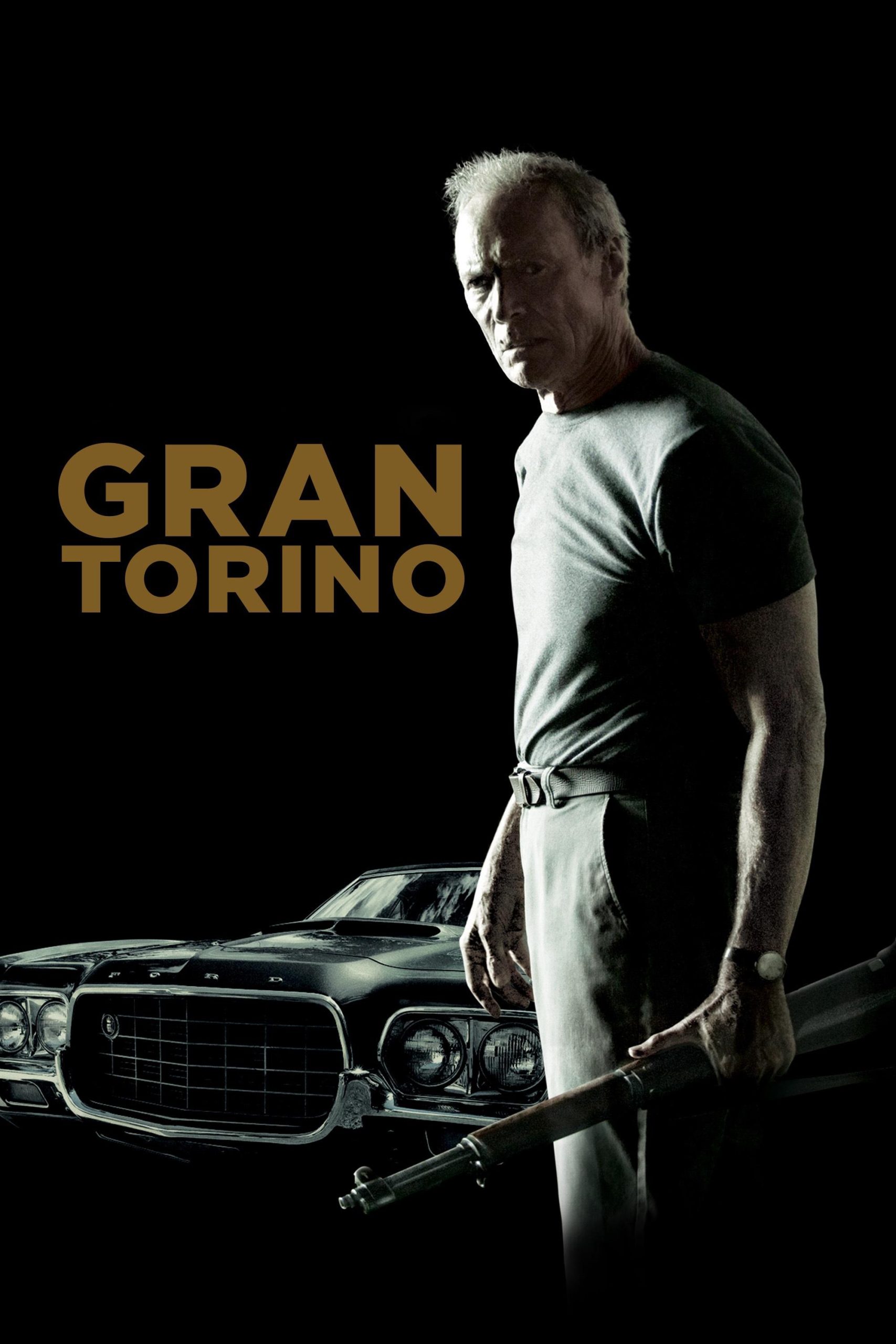
What the Film Is About
The first time I watched “Gran Torino,” what gripped me most wasn’t the tension between neighbors or the threat of violence—it was the slow, stubborn unraveling of a man who had spent his life holding tight to anger. For me, this film is really about Walt Kowalski’s journey from isolation and resentment to some fragile form of acceptance. Walt, an irascible, widowed veteran, isn’t just defending his property or clinging to his past; he’s struggling to find relevance—and perhaps redemption—in a world he no longer recognizes.
When I look back, I see that the core of “Gran Torino” isn’t about intergenerational rivalry or even strictly about bigotry. It’s about the raw discomfort of change. The emotional journey feels like a tightrope: Walt and those around him are always teetering between hostility and understanding, retaliation and forgiveness. The film’s real center isn’t any single relationship or event, but the uneasy process of connection across boundaries that feel, at least at first, insurmountable.
Core Themes
What stands out most in “Gran Torino,” at least for me, is the film’s restless meditation on the possibility—and cost—of personal transformation. I saw it as a film grappling with identity and belonging: What does it mean to be American when the neighborhood has changed, when the history you carry clashes with the world outside your front door? Walt’s interactions seem tailored to test not just his prejudices but his entire sense of self, forcing him to reckon with loss, guilt, and the elusive idea of atonement.
Violence and its legacy hang over the entire story. I’ve always felt that the film is less concerned with the spectacle of violence and far more interested in the way it poisons a person’s spirit and relationships. Walt, who has seen unspeakable horrors overseas, finds himself both haunted by his past actions and faced with the temptation to lash out in the present. Watching him resist or succumb felt less like a commentary on action movies and more like a quiet exploration of the costs of old wounds and new moral challenges.
Another idea that resonates with me is the theme of generational change—how much are we shaped by the times we lived through, and what happens when the world keeps moving? Walt’s children and neighbors reflect values and norms at odds with his own, illuminating how alienation grows out of nostalgia and pride. Simultaneously, I noticed how the film directly engages with the idea of found family: the ways we step outside blood ties to make meaningful connections, especially in a society where traditional roles have eroded. This sense of uneasy, sometimes uneasy kinship feels just as relevant now as it did in 2008, as neighborhoods and nations alike wrestle with the meaning of community.
Perhaps most enduring for me is the way “Gran Torino” sits, restlessly, at the intersection of guilt and grace. In an era still marked by wars abroad and divisiveness at home, the movie seemed to whisper: change isn’t easy, but it’s possible, if you’re willing to look honestly at yourself—and risk something for someone else.
Symbolism & Motifs
When I reflect on the layers of symbolism in “Gran Torino,” the titular car itself leaps out first. To me, the Gran Torino isn’t just a beautiful piece of Detroit steel; it’s a relic of Walt’s lost youth, his pride, and his identity as an American worker. Every time the camera lingers on the car, I feel its magnetic pull—not just for Walt but for his young Hmong neighbor, Thao. The car becomes a contested space, a symbol of legacy, masculinity, and, ultimately, the possibility of passing something good forward.
The motif of thresholds—doors, porches, front steps—carries a quiet but persistent charge in my mind. Walt is so often filmed on the edge of his home, caught between the safety of inside and the unpredictable world outside. These literal and figurative boundaries reinforce the film’s focus on personal and cultural barriers. Whenever Walt steps across these lines, I sense both risk and the hope for genuine contact.
There’s also the recurring presence of cigarettes, beer, and tools. For me, these are more than quirks of character. They’re the trappings of a particular kind of American masculinity—solitary, competent, but emotionally stunted. Watching Walt polish his rifle or fix a neighbor’s sink, I’m reminded how difficult it is to abandon old ways of being, especially when those ways feel like shields against grief or change.
Finally, the persistent use of religious iconography—from the presence of the young priest to scenes in church—calls attention to questions of salvation and penance. I see this not as an endorsement of organized religion, but as a subtle suggestion that forgiveness is both a personal and communal struggle, one that can take unconventional forms.
Key Scenes
Key Scene 1
One moment keeps circling back in my memory: Walt’s first, raw confrontation with the gang outside his house. The image of him with his rifle, defending Thao and his family, is burned into my mind—but not because it’s an action movie standoff. I felt this scene was crucial not for what Walt does, but for how it nudges the entire neighborhood to see him—and each other—differently. His decision to intervene was the film’s first, tentative step away from tribalism and toward shared vulnerability. The violence is ugly and tense, but the real transformation begins in the moments after, when defenses drop and new lines of loyalty are timidly drawn.
Key Scene 2
Later, the delicate scene where Walt teaches Thao to use tools stays with me. It’s not played for laughs or schmaltz, but as a halting initiation—an adult version of a coming-of-age moment for both men. As I watched, I saw layers of mentorship, prejudice, and longing for validation playing out all at once. This exchange challenges both Walt’s and Thao’s understanding of what it means to be a man, to contribute to a community, and to recognize value in someone the world has told them to fear or look down on. It’s a quietly radical moment, one that redefines “family” and offers a hard-won hope for connection.
Key Scene 3
I can’t think about the film’s meaning without recalling its closing act, where Walt chooses sacrifice over vengeance. That climactic moment reframes every violent impulse we’ve seen before, exposing the emptiness of retribution and offering, instead, an act of selfless protection. When Walt decides to absorb the consequences himself, I felt that the film was declaring: true strength doesn’t come from domination, but from the willingness to break a cycle for another’s sake. The impact of this choice—so stark, so final—serves as the film’s ultimate statement about legacy, forgiveness, and the painful price of change.
Common Interpretations
From what I’ve gathered, most critics and viewers interpret “Gran Torino” as a meditation on redemption—and the messy, sometimes unpalatable path toward personal growth. I hear people describe Walt as a figure of gruff moral clarity, but my own take is that the film is less about heroism and more about humility. Viewers often notice the layers of racial tension and see the film as a parable about overcoming prejudice, though some feel its approach is uncomfortably blunt or risks romanticizing the “white savior” trope.
There’s another, more nuanced interpretation that has shaped my understanding: that “Gran Torino” is really about generational inheritance and the ambiguity of legacy. The car, the rituals, the unsolicited advice—all these become stand-ins for the things we desperately want to pass down, even when we fear we have nothing left to give. For some, the film’s ending reads as an act of radical empathy; others see it as a reckoning with the limits of individual action in a world fraught with systemic conflict.
I also notice debates about whether the film is truly progressive or whether it simply uses a changing America as a backdrop for one man’s absolution. Some hail it as a call for cross-cultural empathy, while others question how much genuine transformation takes place—not just for Walt, but for the community as a whole. At its best, I think “Gran Torino” invites us to wonder whether understanding is possible, even when our wounds and histories run deep.
Films with Similar Themes
- Unforgiven (1992): I see a powerful thematic connection in the exploration of redemption and the devastating costs of violence. Like “Gran Torino,” Clint Eastwood’s earlier film unsettles straightforward ideas about justice and forces its central character to face the ghosts of his past.
- Crash (2004): This film similarly interrogates issues of racial tension, urban fear, and the tangled web of misunderstanding in contemporary America. Both films unravel the ways everyday lives intersect amid prejudice and alienation.
- A History of Violence (2005): Watching this film, I’m reminded of how trauma and violence reshape family and community. Both movies ask what it costs to leave old patterns behind and whether true reinvention is possible.
- American History X (1998): For me, this film’s depiction of inherited hate and the fraught journey towards empathy makes it a spiritual cousin to “Gran Torino.” Each centers on a protagonist trapped by their past, forced to choose between perpetuating harm or risking connection.
After living with “Gran Torino,” I keep coming back to its cautious hope—its belief that even broken people, in fractured places, can start to make amends. It doesn’t offer easy answers or tidy reconciliations, but instead insists that redemption is messy, incomplete, and always tangled in the push and pull of history and grievance. In my eyes, the film reveals that human nature is defined as much by our capacity to change as by the burdens we carry. For the era it was made, and perhaps for any fraught moment, I see “Gran Torino” as a story about mortality, legacy, and the unending work of seeing one another—truly, painfully, and maybe with enough grace to begin again.
To explore how this film has been judged over time, consider these additional viewpoints.