
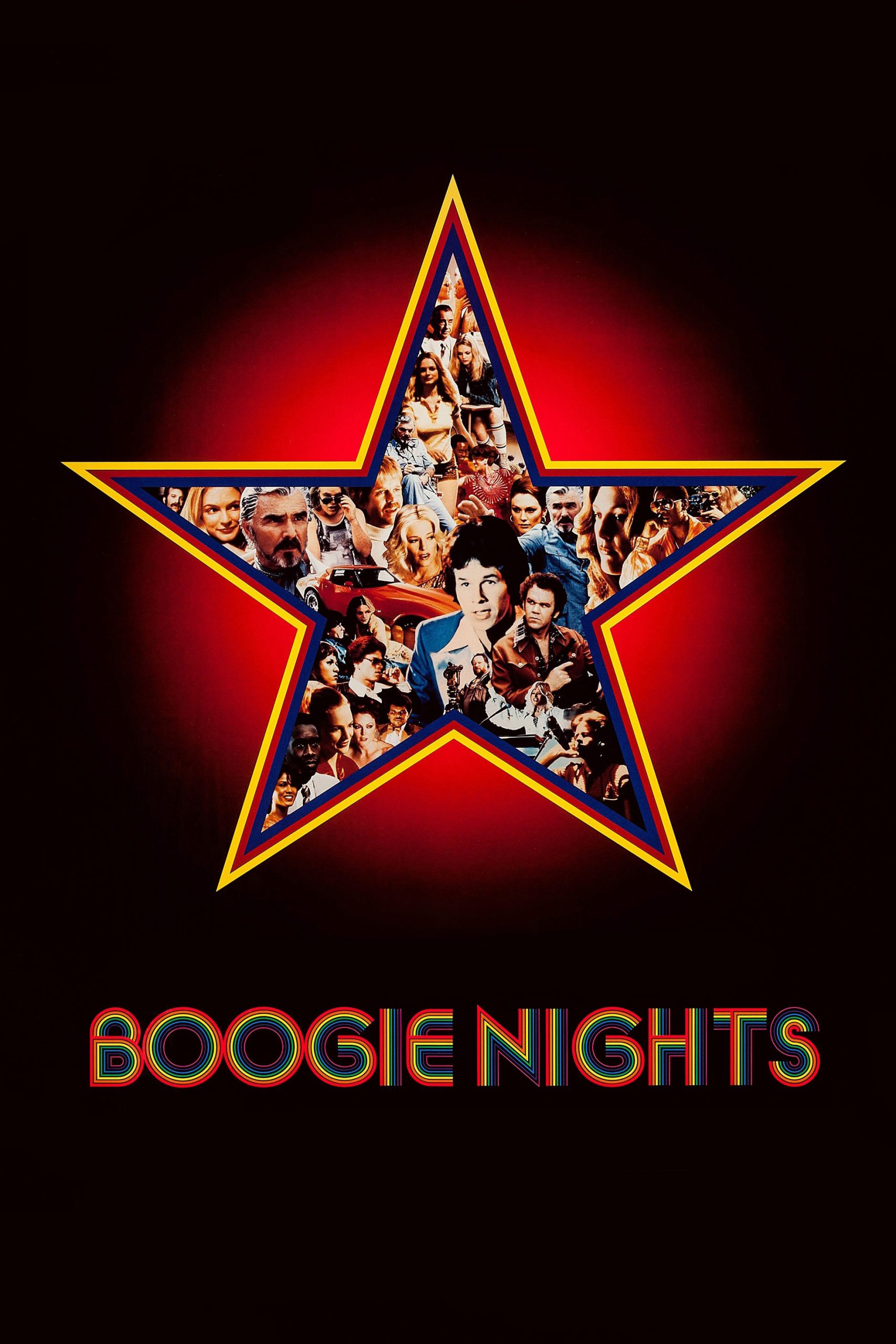
What the Film Is About
Every time I revisit Boogie Nights, my initial reaction isn’t about the adult film world or late-1970s excess, but the heartbreak and hunger that run through every character. I find myself swept up in the story of people grasping for connection and validation, using a glitzy, chaotic industry as their unlikely stage. What first appears as a rise-and-fall tale of fame in pornography is, for me, something closer to a meditation on longing—be it for family, identity, or some fleeting sense of acceptance.
At its core, the film maps the shifting tides of a chosen “family”—a mismatched ensemble drawn not by blood, but by their shared pursuit of love, recognition, and survival in a world spinning faster than any of them can control. The emotional journey is jagged, swinging between euphoria and loneliness. I always sense an underlying ache, a desperation to matter, and a subtle, relentless reminder that the search for belonging so often leads us astray just when we think we’ve found it.
Core Themes
When I peel back the layers, the most immediate theme that jumps out is how cinema—adult or mainstream—functions as both illusion and refuge. I’m struck by how the characters seem to live between reality and fantasy, blurring lines in the hope of escaping their pain or grabbing a piece of the American dream denied to them elsewhere. Boogie Nights scrutinizes the pursuit of validation through performance, whether in front of a camera or within the surrogate family that forms around Jack Horner’s productions.
This ultimately becomes a film about the cost of chasing identity through external recognition. I notice that the story confronts the tension between community and exploitation, offering a space where outcasts find camaraderie, but also where hope is systematically commodified. Love and loyalty swirl through the film, but always tinged with an anxiety that these bonds are fragile—built as much on necessity as on genuine affection.
It’s hard for me not to connect these themes to the broader era the film depicts: the end of the ’70s and dawn of the ’80s, a moment of social flux and moral ambiguity. Pornography, cocaine, the glimmering promise of stardom—these are just mirrors reflecting a more universal yearning for reinvention in the face of upheaval. As personal as these struggles are, I think the film remains urgent, especially now, when our digital lives blur authenticity and performance more than ever.
Symbolism & Motifs
Each time I watch Boogie Nights, I gravitate to its visual language—the way objects and settings seem to pulse with latent meaning. One motif that always lingers for me is the repeated focus on doors and thresholds. Characters are constantly shown moving between spaces—literally and psychologically—crossing from innocence to experience, private pain to public spectacle. The ever-present camera, both as a plot device and a visual motif, suggests the duality of exposure and alienation, inviting the audience to peer into lives that crave visibility yet are ultimately unreachable.
Mirrors and reflections appear throughout the film, often framing characters in moments of self-doubt or transition. To me, this underscores the gulf between who they think they are and the personas they craft for survival. I’m also struck by how parties, with their swirling lights and pulsing music, become more than just period set-pieces; they’re liminal spaces where hope collides with disillusionment, and the boundaries of community are tested and redrawn.
And of course, there’s the recurring visual motif of family—tables set for a meal, group gatherings, moments of solace amid chaos. These scenes gesture at the ideal of connection, but the surrounding chaos always reminds me that this family is a fragile construct, easily shattered by betrayal, drugs, or the relentless march of commercialism.
Key Scenes
Key Scene 1
I always find the poolside introduction to be the film’s emotional keystone. As the camera snakes through Jack Horner’s party, it’s more than a technical marvel—it feels like an invitation into a self-contained universe. This scene sets the tone by presenting the characters’ defenses, aspirations, and vulnerabilities in stark relief. To me, the floating camera mimics the tenuous connections binding these people, while the shimmering water suggests possibility and danger in equal measure. The exuberance on display isn’t just hedonism—it’s a mask for their yearning to be seen and accepted. That’s what makes the moment unforgettable in my mind: it’s not just about spectacle, but about the ache beneath the surface.
Key Scene 2
The moment when Dirk Diggler is cast adrift from his surrogate family is one I return to when I think about the film’s central anxieties. His downfall isn’t played for cheap tragedy; it’s portrayed with a raw, almost inevitable sense of desperation. I’m struck by how Dirk’s identity, pieced together from others’ perceptions, unravels when his value to the group wanes. This scene—Dirk alone, stripped of bravado—rips open the theme of conditional belonging. It’s here that the cost of constructing one’s self solely through the gaze of others becomes painfully visible. The film, to me, suggests that validation granted by external forces is not only fleeting, but potentially destructive.
Key Scene 3
The closing moments, when Jack assembles his battered “family” and the energy in the house quiets into uneasy normalcy, haunt me. There’s a sense of return, but it’s no triumphant homecoming. I see this as the film’s final statement about the cyclical nature of longing: the players regroup, but innocence is lost, and every bond feels more tenuous than before. The performance of family remains—almost ritualistic—but the damage lingers. I think this ending asks viewers to reflect on the costs of survival, the bargains made with ourselves to keep the illusion alive, and the hope that even the fractured might find some measure of solace.
Common Interpretations
Reflecting on the film’s reception, I notice that most critics and audiences, like myself, see Boogie Nights as an epic about the American search for belonging, told through an unconventional community. There’s the robust reading of the film as a satire on capitalist excess—the way creative aspirations and personal bonds are inevitably tainted by money and fame. Others, including my own perspective, approach it as a character-driven drama about fractured identity, where the porn industry is less central than the emotional terrain it exposes.
Some interpretations, which I find compelling, view the film as commentary on the nature of cinema itself: the ways film constructs reality, shapes identity, and seduces both audiences and participants into confusing performance with truth. There are viewers who lean into the “rise and fall of the dream” structure—a common American mythos—while others emphasize the makeshift family dynamic and the film’s empathy for outcasts. What I rarely encounter, and what keeps me returning, is a sense of judgment; even as it exposes their failings, the film treats its characters with a kind of battered dignity, which I find profoundly moving.
Films with Similar Themes
- Magnolia – For me, this film shares with Boogie Nights a fascination with chance, broken families, and the craving for connection amidst chaos. Both explore the pain and beauty of lives intersecting on the margins of Los Angeles.
- Goodfellas – I see a kindred spirit in the examination of chosen families bound by tenuous loyalty, and in the rush and ruin of subcultural communities chasing the American dream, only to be undone by excess and betrayal.
- Velvet Goldmine – This film resonates with me through its depiction of sexual exploration, performance as identity, and the messy, intoxicating creation of found family within a specific subculture.
- Boogie Nights – Yes, the film is its own companion here. I believe its thematic DNA recurs across subsequent films about fame, performance, and self-destruction: think The Wolf of Wall Street or even Moulin Rouge!, both of which dissect spectacle and the human costs behind it.
Reflecting on all this, I’m left with a bittersweet sense of recognition. To me, Boogie Nights is ultimately a film about the universal hope to belong—how easily that craving is manipulated, how fragile that fulfillment proves, and how the pursuit of connection, no matter how messy or transactional, is what makes us fundamentally human. It’s a story carved out of a changing era, yes, but its empathy, caution, and yearning feel timeless. When I think about what the film is “really trying to say,” it’s not about porn, stardom, or even downfall—it’s about the things we fashion to survive being alone, and the narrow, glittering margins where genuine intimacy might still flicker.
After learning the historical background, you may also want to explore how this film was received and remembered.