
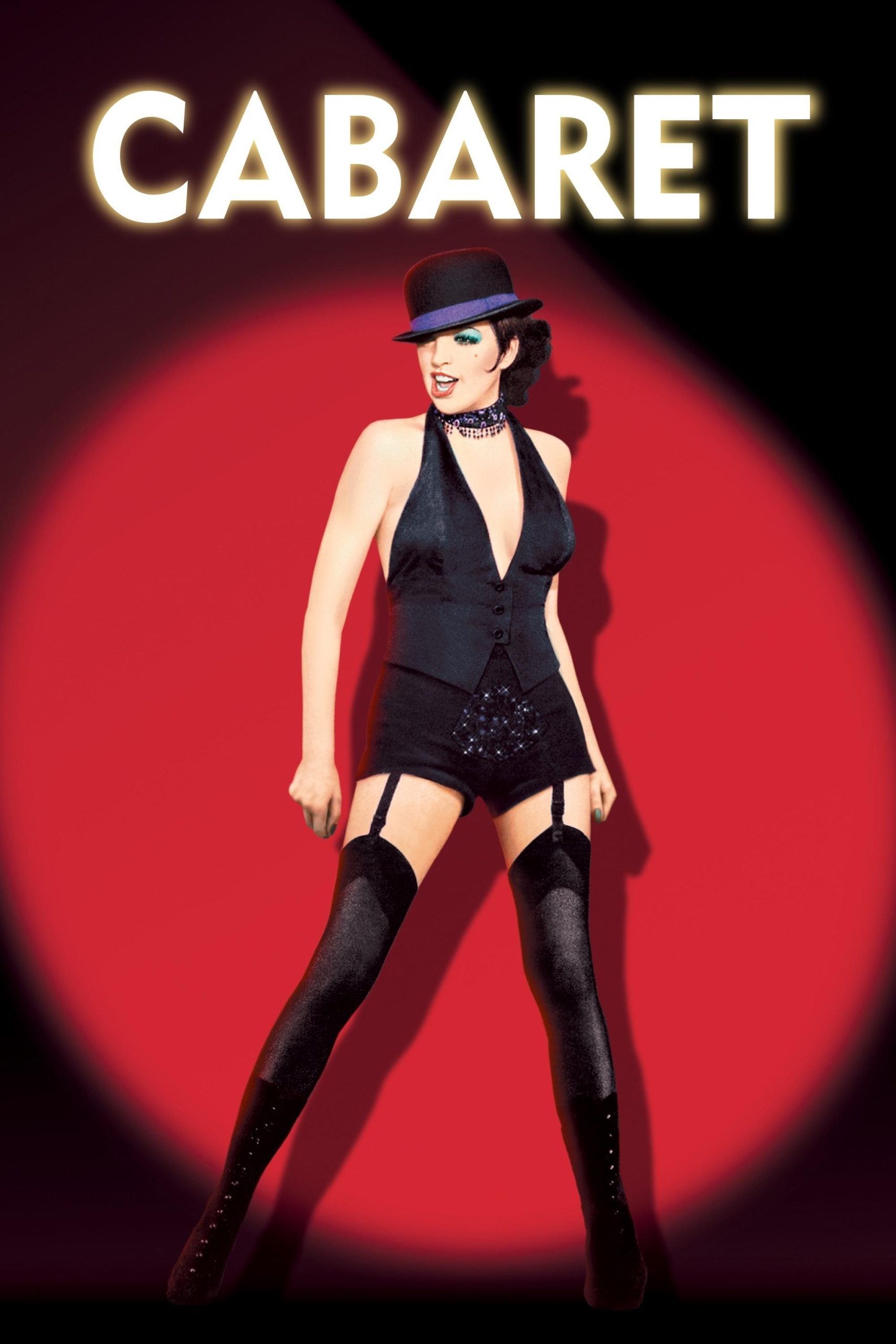
What the Film Is About
Even years after I first watched “Cabaret,” my mind returns not to a particular sequence or plot twist, but to the relentless tug between pleasure and destruction that pulses through every frame. For me, this film offers an emotional crucible—a place where its characters claw desperately for fulfillment amid scenes of unchecked revelry, all while the world outside grows colder and more menacing. The narrative never settles comfortably into melodrama or romance. Instead, it draws me into an intimate and mounting sense of dread, as if the laughter and glitter onstage are barely holding back a flood of fear. The central conflict, in my view, is not simply between characters but within them: the collapse of dreams and delusions in the harsh light of history.
Every time I revisit “Cabaret,” I notice how the film weaponizes extravagance. The emotional journey is less about whether love will bloom or dreams will be realized, and more about what people are willing to ignore, excuse, or celebrate when survival is at stake. The direction is clear: the cabaret’s stage becomes a shimmering refuge, a brittle fantasy that fractures as the world outside intrudes. This emotional tension—gripping and unresolved—is what makes the film impossible for me to shake off.
Core Themes
What resonates most with me is the film’s unflinching meditation on denial—the way individuals and societies distract themselves from ugly truths until it’s too late. I am struck by how “Cabaret” asks me to question which forms of escapism are harmless, and which are damning. The film’s core ideas orbit around complicity, moral cowardice, and performance, both literal and figurative. As I see it, the characters—especially Sally Bowles—embody the era’s hunger for liberation, yet they are also shackled by their own illusions and the rising tide of hate just outside the cabaret doors.
The film’s release in 1972 was no accident. As I reflect on the social and political upheavals of the early ’70s—movements for civil rights, feminism, and sexual liberation—I can’t help but notice how “Cabaret” plays as both an endorsement of personal freedom and a warning against the political apathy that freedom sometimes breeds. Its treatment of sexuality, class, and cultural identity remains striking to me even today. The film’s refusal to draw tidy moral lessons only magnifies its relevance in a world still tempted to look away from rising extremism and societal breakdown.
Each time I revisit “Cabaret,” I find that the film is also deeply interested in performance as self-definition. The characters perform for the cabaret’s audience, yes, but also for each other, and for themselves. I see the Kit Kat Club not only as a physical space but as a metaphor for how people craft fantasies to survive—sometimes reveling in the masquerade, sometimes hiding from what they’ve become. Love, too, is performed, reshaped, and broken as the shadows lengthen. This persistent ambiguity is, to me, the heart of “Cabaret”: everyone is in costume, and no one is safe.
Symbolism & Motifs
Every time I return to “Cabaret,” I’m reminded of how much is said without dialogue—how the imagery and recurring motifs deepen the film’s message far beyond the surface. For example, the ever-present mirror imagery haunts me. Time and again, characters confront their own reflections, reminding me how much of the story is about refusing or failing to face oneself honestly. The cabaret mirrors, with their warped reflections, are never just decorative: they signal the distortion of truth, the allure and peril of self-deception.
The Emcee, with his deathless grin and mercurial sexuality, stands out as the film’s most enduring symbol. To me, he represents more than entertainment; he is a living weather vane for the era’s mounting brutality, someone who shrugs off or even delights in the gathering storm. The musical numbers at the Kit Kat Club—that gold-lit box where anything goes—are performed with a knowing wink, yet each song also burrows towards something darker. Numbers like “Tomorrow Belongs to Me” feel, in my experience, like refrains from a nightmare: sweetness mutated into threat, innocence curdling into fascist fervor.
The motif that unsettles me most, however, is the recurring contrast between the wild abandon inside the club and the mounting violence outside. Doors, stage curtains, and windows all serve as fragile boundaries between the cabaret’s fantasy and the world’s reality. Each time these barriers are breached, I feel the safety of the fantasy dissolve. Costumes, too, become essential symbols—not just feathered boas or bowler hats, but the whole idea that persona can be armor, camouflage, or ultimately, a prison of one’s own making. The film continually prods at the limits and dangers of transformation, suggesting that not every mask can be safely removed.
Key Scenes
Key Scene 1
One of the scenes that has haunted me most powerfully is when “Tomorrow Belongs to Me” erupts at the idyllic outdoor beer garden. What I find so disturbing—and masterful—about this moment is how quickly the boundaries between public celebration and ideological danger collapse. I feel the barbed irony in seeing the song begin as a youthful, almost innocent folk tune, then swell into a chilling anthem of hate, the crowd swept up by nationalism. For me, this is the film’s emotional fulcrum. It lays bare the seductive pull of extremism, exposing how easy it is for ordinary people to be swept up in lies, especially when those lies are delivered through beauty. In this moment, “Cabaret” refuses simple villainy and implicates everyone: the dark future doesn’t just arrive—it’s welcomed.
Key Scene 2
There’s a distinctly personal resonance for me in the scene where Sally confesses her pregnancy—her ambiguity about what she wants, and her refusal to be tamed, touched me deeply. I watch as she weighs the fantasy of love and belonging against her fierce (and brittle) independence. This isn’t just melodrama; it’s the messy, unresolved collision of desire and dread. The film uses this confession, I believe, to probe the limits of liberation: does freedom mean refusing all attachment, or does it mean something deeper, scarier, more honest? Sally’s inability to fully escape herself—her hunger for both connection and recklessness—makes the political deeply personal, and the personal excruciatingly political.
Key Scene 3
The final moments of the film stay with me long after the credits. In particular, the last gaze in the Kit Kat Club’s warped mirrors forms, for me, a devastating coda. The Emcee bids “auf wiedersehen” to the audience, and the camera pans the club as it now teems with Nazi uniforms. I see here the death of denial: the masks slipping, the shadows revealed as reality. This isn’t a hopeful ending—and that’s what makes it so potent to me. The cabaret’s glitzy escapism is no defense against the world’s rot; performance and denial have run their course. When I watch this, I sense the film’s final word is less a warning than a lament: the party may look eternal, but the world always gets in.
Common Interpretations
Talking with fellow film lovers and reading critical essays, I’ve encountered a few threads of interpretation, and they always spark debate in my mind. Many see “Cabaret” as a parable of decadence—the last, desperate gasps of Weimar-era freedom before the Nazi boot stamps it out. I agree that this framing is powerful, but I also see more subtle lines. Some critics read the film as a broader fable about the dangers of indifference; the cabaret audience is every society that dances while disaster builds. Others argue the movie is ultimately about personal freedom—its boundaries and costs—and that Sally is less a victim of circumstance than an agent whose choices are equally creative and self-destructive.
I’ve noticed that some readings focus almost entirely on sexuality and gender, seeing the film as a revolutionary celebration of queer identity and erotic experimentation. While I absolutely value this interpretation—I’m always struck by the film’s frankness—what haunts me most is how the pursuit of pleasure and self-creation are undercut by apathy and complicity. The social commentary, in my eyes, is always entangled with the personal quests of the characters. “Cabaret” refuses easy answers, which is why I keep returning to it. The themes are not all resolved, nor are they intended to be. Instead, I sense the film is challenging me to keep feeling, keep questioning, and to keep watching for parallels in the present beyond its spectacular surface.
Films with Similar Themes
- All That Jazz (1979) – Bob Fosse’s semi-autobiographical film echoes, for me, the same intertwining of creativity, self-destruction, and performance as survival. Like “Cabaret,” it questions the cost of spectacle and the limits of denial.
- The Blue Angel (1930) – When I watch this film, I can’t miss the resonance with “Cabaret” in its portrayal of sexual liberation running parallel to a society on the edge of collapse. Both films wield entertainment as both liberation and a harbinger of doom.
- The Conformist (1970) – I am consistently reminded of “Cabaret” while watching Bertolucci’s film, especially in its portrait of political rise and moral compromise. Identity is shaped and shattered by the cultural tides, much like Sally and her friends are shaped by the world closing in.
- Moulin Rouge! (2001) – To me, this film is a modern descendant: it revels in spectacle and romance while undermining both with sudden eruptions of mortality and loss. The stage becomes a refuge, yet never a true escape from the world’s pain.
To me, “Cabaret” endures not just because of its music or audacious style, but because it remains a mirror for how humans navigate joy and darkness—how easily we can turn a blind eye to danger while hungering for belonging and transcendence. The film is my reminder that freedom and fantasy are urgent, living things—fragile, intoxicating, and always under siege. Each time I revisit its world, I’m left grappling with my own willingness to see or not see—to step into the light or linger, dangerously, in the flare of the spotlight.
To explore how this film has been judged over time, consider these additional viewpoints.