
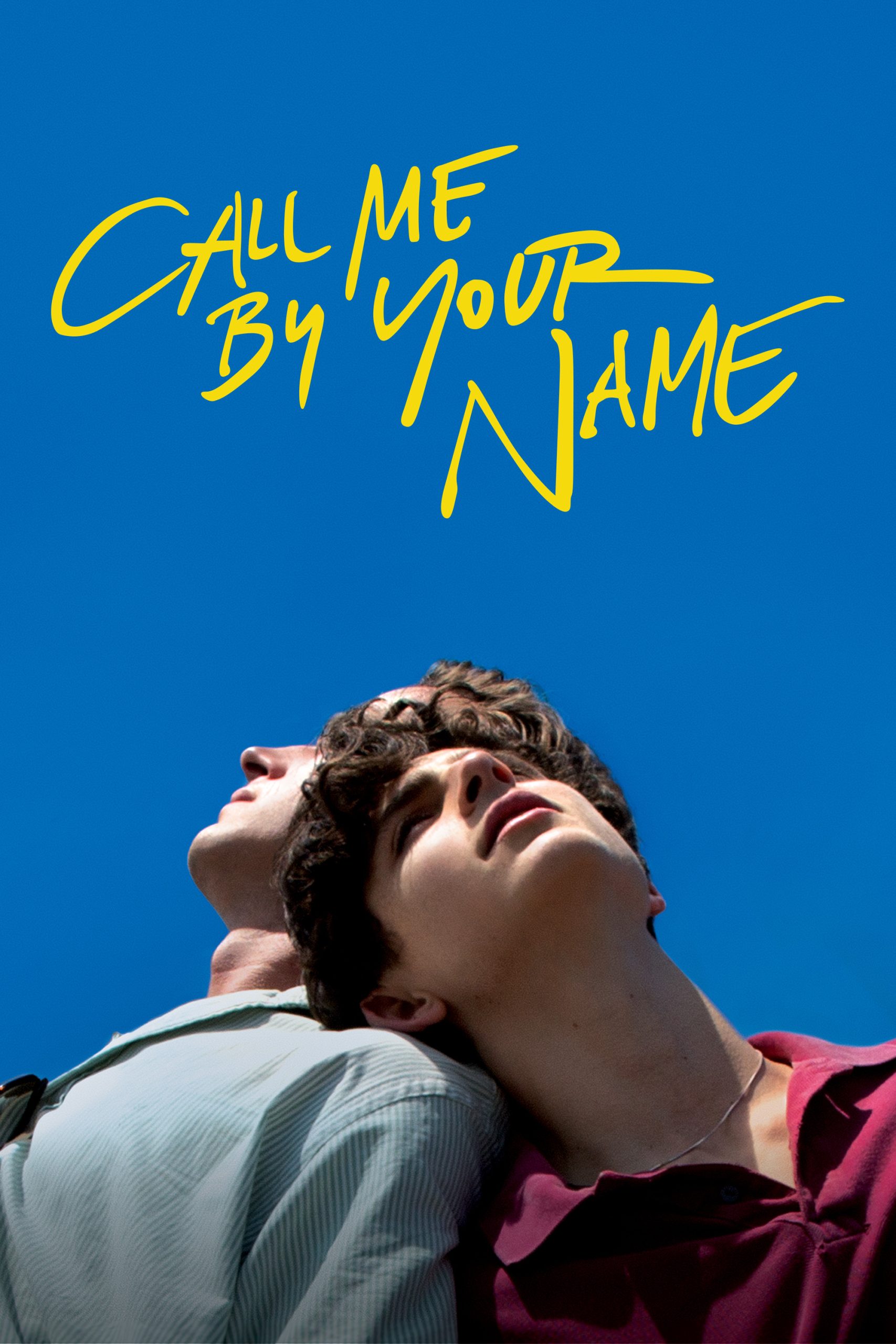
What the Film Is About
From the very first moments, I felt myself drawn into a world humming with undercurrents of longing, youth, and fleeting connection. For me, “Call Me by Your Name” isn’t simply a story of romance or personal awakening—it’s more of an immersion into the emotional tides of becoming. At its core, I sensed it was about how desire, vulnerability, and self-discovery intertwine in one unforgettable summer, reshaping a young man’s understanding of himself and those around him.
Personally, what stays with me is the way the film lingers on the ache between what’s spoken and what is left unsaid—the introspective journey of Elio as he tries to decode the world and himself through the presence of Oliver. The film is less a linear progression and more an emotional crescendo, mapping out the internal conflicts of desire versus restraint, and the profound impact of a love that can never quite be contained or repeated.
Core Themes
When I think back on “Call Me by Your Name,” what strikes me most forcefully is its intricate meditation on the shapes love can inhabit: how it transforms those who experience it, and how it exists both in moments of passion and in the silences between them. At its essence, I see the film as a study of first love and the bittersweet recognition of its impermanence. It presents desire as both exhilarating and excruciating, a force that brings us closer to our most authentic selves even as it unmoors us.
What I find particularly fascinating is how the film interrogates identity—not just sexual or romantic identity, but the fuller question of how we assemble a self, moment by moment, before we even have the language for what we’re feeling. Elio, in my view, embodies the universality of adolescent uncertainty, and Oliver’s presence becomes a catalyst that exposes all the complexities simmering underneath composure and propriety. The tension between tradition and discovery, comfort and transgression, echoes throughout the film’s gentle rhythms.
I can’t help but reflect on why these themes felt so vital in 2017 and why they remain compelling now. In a world where labels and boundaries are often fiercely enforced, “Call Me by Your Name” whispers about a space in-between—where rules soften, and truth is allowed to quietly flourish. The film grapples with societal expectations even as it celebrates the moments when connection transcends them. For me, its lasting resonance lies in the compassionate way it presents love’s temporality: how the most life-altering experiences may only last a season, yet leave traces that shape us long after they’re gone. The film’s gentle encouragement to “feel everything” serves as a kind of balm for a world often telling us to do the opposite.
Symbolism & Motifs
The sensual details of the film—ripe peaches, sun-dappled gardens, old statues—are more than picturesque backdrops: they’re the language the film uses to speak to the subconscious. In my interpretation, the Italian summer is not merely a picturesque setting; it’s a living metaphor for ripening youth and desire. The cyclical nature of seasons in the film underscores the inevitability of change, and how innocence must eventually give way to experience.
The motif of water recurs, whether it’s Elio and Oliver swimming or simply existing near the river. For me, water represents that sense of immersion—of yielding to one’s feelings, of letting oneself float in emotional uncertainty. It embodies the current of time, the flow of emotions, and the undertows that threaten to carry the characters away from safety, toward self-realization and loss.
And then, there’s the peach—perhaps the most talked-about symbol in the film. To me, the peach is a stunning metaphor for both vulnerability and intimacy. It signifies that liminal space where physical desire and emotional exposure meet, unguarded and unrepeatable. The fruit’s soft, yielding flesh mirrors the characters’ willingness to surrender to their feelings, and the act surrounding it becomes a symbol for an innocence both discovered and lost.
In a broader sense, motifs of classical art, literature, and music saturate the film, serving not only as markers of intellectual sophistication but as reminders of the timelessness of longing—how people in every age have tried to understand themselves and each other through art, and how personal transformation is always accompanied by echoes of cultural memory.
Key Scenes
Key Scene 1
For me, the first key scene is when Elio confesses his feelings to Oliver with a hesitant vulnerability that is almost painful to witness. There’s a fraught, almost unbearable hesitation that encapsulates the universal terror of revealing one’s true self, especially in the throes of first love. What makes this moment so essential, in my eyes, is how it strips both Elio and the viewer bare—forcing us to sit in the raw, trembling honesty that comes with such an admission. The emotional stakes feel impossibly high, and in that vulnerability, I saw a microcosm of the film’s message: the real risk and real beauty of exposing desire and longing, without any guarantee that they will be reciprocated.
Key Scene 2
The “call me by your name” exchange has always lingered with me, long after the credits rolled. In this moment, I feel the film crystallizes its exploration of intimacy—transcending the surface of erotic connection and speaking to the longing for complete merger with another person. When they trade names, it’s as if all boundaries dissolve, language itself is made newly powerful and intimate, and the possibility of living inside another’s soul is fleetingly realized. This scene, in my interpretation, is where the film most clearly articulates its philosophy: the desire not just to possess, but to truly know and be known, to lose oneself and be remade through love. It’s a moment where love’s universality and uniqueness are both captured in a single breath.
Key Scene 3
Winter arrives, and with it, the unforgettable closing scene—Elio staring into the fireplace. For me, this is the film’s ultimate statement: the way we carry the embers of encounter long after the fire itself has died down. Elio’s tearful, silent endurance is an act of remembrance, a testament to the idea that pain and happiness are eternally entwined. This moment resonates as a gentle directive: allow yourself to remember, to feel, to not look away from either the beauty of what was or the ache of its absence. It’s here I sense the film is urging us to honor our scars, to recognize them as evidence of living and loving deeply. Rather than wrapping up with easy closure, the film beckons us to linger in that complex space where heartbreak can be as precious as happiness.
Common Interpretations
Over the years, I’ve noticed several distinct perspectives emerge about what “Call Me by Your Name” truly means. For many, it’s a celebration of queer desire, remarkable for its lack of shame or tragedy. Viewers often interpret the film as a gentle affirmation that same-sex love stories can be imbued with sunlight, playfulness, and the fullness of emotion, rather than relegated to the shadows or marred by clichés of suffering. This reading, in my experience, is what made the film so groundbreaking for its time.
Another common interpretation centers around the film’s coming-of-age narrative—Elio’s journey from innocence to experience. On this level, some see the story less as a gay romance and more as a universal exploration of first love, with all its confusion, euphoria, and heartbreak. It’s a story about the formation of the self, told through the prism of desire and loss, and how our most formative relationships can echo across the years, shaping who we become.
There’s also a layer of social commentary that I’ve found particularly poignant, expressed through the supportive environment Elio finds himself in—his parents’ understanding and the sunlit openness of their Italian world. Read this way, the film becomes almost a fantasy of acceptance, a gentle challenge to societies that still stifle taboo forms of love. The pain and joy are inextricably linked, but the narrative’s refusal to succumb to bitterness or tragedy feels quietly revolutionary. I sometimes hear criticism that the story remains fixed within privilege, but to me, the universality of emotional truth transcends those boundaries.
Films with Similar Themes
- Moonlight (2016) – I see a clear kinship in the way both films explore the formation of sexual and personal identity, charting a character’s internal evolution as they navigate love, longing, and acceptance in environments marked by silence or repression.
- Brokeback Mountain (2005) – This film resonates for me as another meditation on forbidden love and the long shadow it can cast. The interplay of desire, fear, and societal constraint feels both specific to its era and timeless in its ache.
- Portrait of a Lady on Fire (2019) – I’m struck by how both films center on the intensity and impermanence of love, delicately examining the unique bond that forms between two people when they share a secret, transformative summer together.
- Carol (2015) – What I find similar here is the nuanced portrayal of longing and the barriers—social, psychological, or self-imposed—that must be navigated in pursuit of authentic connection, all rendered with restraint and depth.
Reflecting on “Call Me by Your Name,” what resonates most deeply for me is its acknowledgment that to love is to be changed, sometimes forever, and that change is both joyous and irrevocably bittersweet. The film speaks, gently but insistently, about the necessity of embracing the fullness of life—its yearning and pain, its moments of grace, its power to transform us even after the summer sun has faded. Set against the lush, languorous backdrop of 1980s Italy, it asks us to remember that our truest selves are forged not in comfort but in willingness to feel and to be remade by love, no matter how briefly it glimmers. Its message, as I take it, is a call to honor the beauty and ache of our humanity—an offering that transcends borders, identities, and eras, echoing long after the last notes of summer have faded.
After learning the historical background, you may also want to explore how this film was received and remembered.