
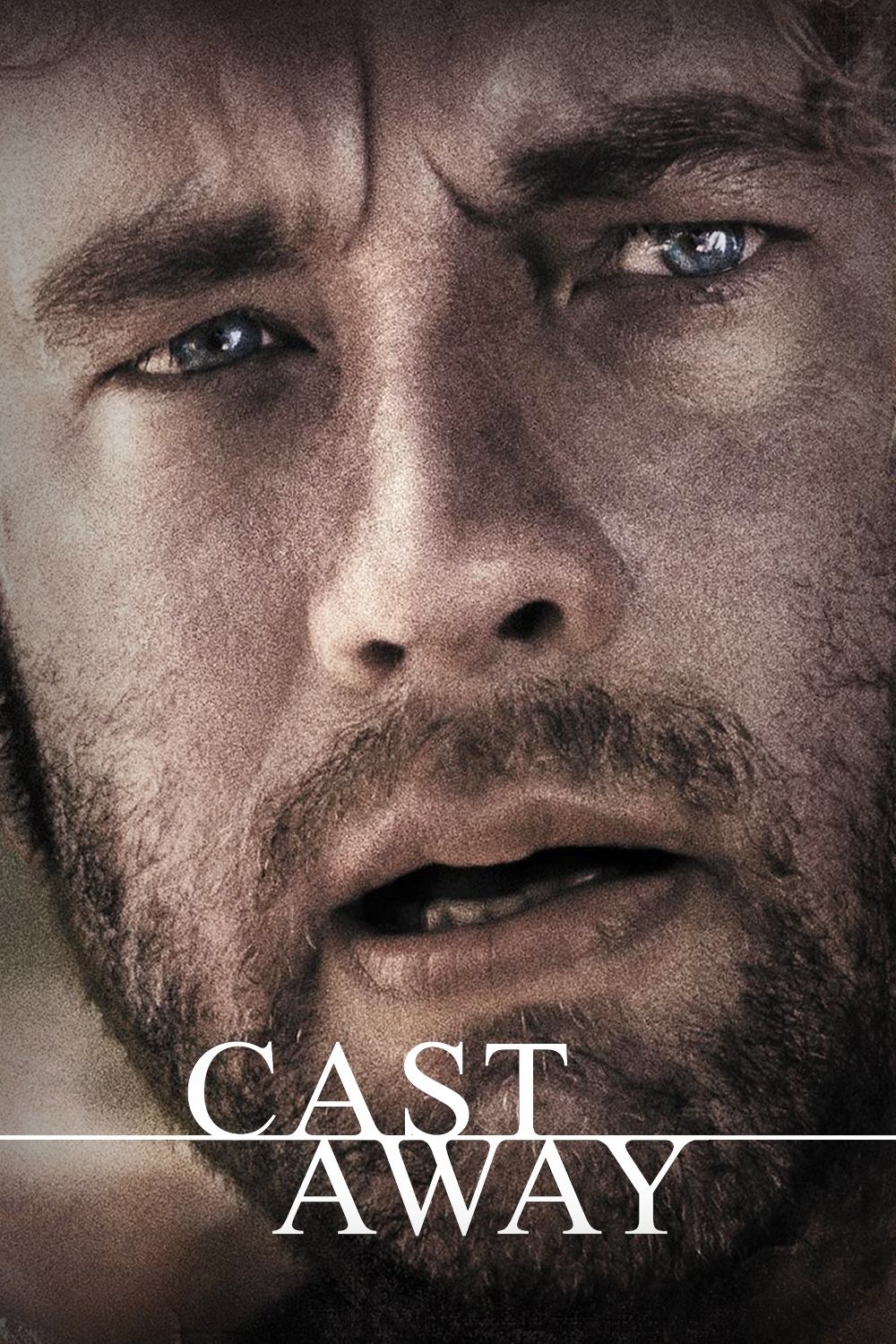
What the Film Is About
The first time I watched “Cast Away,” I was struck less by its physical ordeal and more by the profoundly intimate transformation at its heart. At a glance, the film looks like a survival adventure: a man stranded on a deserted island, battling the elements and his own limitations. But what really resonated with me wasn’t the struggle for food or water—it was the deeply human confrontation between one’s inner life and utter isolation. The movie thrusts its protagonist, and vicariously us, into a world stripped of modern distraction, where the familiar rhythms of relationship and routine are ripped away, leaving nothing but time, silence, and self.
For me, the emotional journey here isn’t only about escape or perseverance; it’s about how solitude reshapes the boundaries of hope and meaning. The central conflict is not survival against nature, but survival of the self: can we endure when our entire sense of identity is forced to start over? The narrative keeps circling questions that linger in most of us—what matters when everything else falls away, and how do we cope with unfixable loss when we return to a world that moved on without us?
Core Themes
What I find most enduring about “Cast Away” is its exploration of existential isolation and resilience. To me, it’s a meditation on what’s left when the scaffolding of society, work, relationship, and purpose collapses. The film dwells on the terrifying freedom that isolation brings: suddenly, the daily obligations and habitual ambitions vanish, and the protagonist—stripped of all that once defined him—faces himself in the raw. The theme of time, too, pulses through every frame: not just as the enemy that erodes hope, but as the canvas upon which meaning must be redrawn.
This film also strikes me as a profound inquiry into adaptation. The story, emerging at the dawn of a new millennium when digital life and global connectivity were cresting, engages directly with late-modern anxieties: what do we become when forced offline, cut loose from the networks and technology that both distract and define us? Even now, in an era where many feel more isolated than ever despite (or because of) constant digital touchpoints, the movie’s themes remain urgent. I think “Cast Away” invites us to confront the nature of human endurance—not the kind measured by the ability to catch fish, but the quieter, tougher business of stitching together a self when all the old seams have come undone.
Symbolism & Motifs
Whenever I revisit “Cast Away,” I’m drawn to the way simple objects—banal in normal life—become emotionally charged symbols that amplify the movie’s central questions. The volleyball, endearingly dubbed Wilson, has always been the most obvious motif, yet its power for me lies in what it reveals about the human need for connection and meaning. Wilson isn’t merely a prop, but a stand-in for every relationship, memory, or aspiration that girds us against despair. Watching the protagonist pour his affection, his anger, and ultimately his grief into this silent companion, I’m reminded how desperately we need something to represent the presence of others, even if it’s just a face drawn in blood on rubber.
Another motif that repeatedly draws my attention is the unopened FedEx package—emblazoned with angel wings. This package, which the protagonist refuses to open across years of isolation, morphs from a mere plot device into a symbol of hope, purpose, and perhaps a life left unfinished. I’ve always felt that the package becomes a talisman: a reminder that there is something left untouched and uncontaminated by his suffering, a reason to dream about returning instead of giving in to obliteration. This motif reminds me that survival isn’t just about the fulfillment of physical needs; we survive, above all, on the nourishment of hope and unfinished possibility.
Lastly, the motif of time—embodied in the relentless ticking of clocks, the sweep of tides, and the steady erosion of man and landscape—permeates the film. Time isn’t just a background but a character: sometimes an enemy, other times an unlikely ally. It forces the protagonist to adapt, to grieve, and ultimately to let go. I think this motif deepens the film’s meditation on fate and agency, challenging me to consider what control we really possess in the face of overwhelming circumstances.
Key Scenes
Key Scene 1
For me, the most hauntingly essential scene centers on the loss of Wilson, the volleyball. This isn’t the expected moment of triumph or disaster, but something quieter and infinitely more resonant. As the protagonist floats on his makeshift raft, Wilson slips away into the vastness of the ocean, unreachable. The raw anguish in this scene moved me more than any physical hardship depicted elsewhere. In that wail of grief—uttered over an inanimate object—I saw the authentic face of isolation: the heartbreak of losing not just a lifeline but the last echo of companionship. The image of man reaching out for what keeps him tethered, powerless to reclaim it, captures the film’s emotional thesis. That moment lingers because it asks: When grief overwhelms, what keeps us swimming forward?
Key Scene 2
Another scene that continues to echo in my mind is the protagonist’s first successful fire-making. The event isn’t simply a survival milestone; it plays like a rebirth. For me, it’s less about mastering nature than about asserting one’s will—insisting, even in the grip of despair, that life matters. The joy, the manic pride, the exultation as he proclaims his triumph to an empty beach, pulses with pent-up desperation and the need to be witnessed. I saw in this scene the fragile persistence of self-worth, hard-won in the vacuum of meaning. Here, isolation both wounds and empowers: the lack of audience and approval becomes a crucible, hammering the protagonist into someone who can validate his own existence.
Key Scene 3
The film’s final crossroads, where the protagonist quite literally stands at a four-way intersection after returning home, represents to me the culminating statement on the possibility and terror of starting over. Everything—the loss, survival, yearning for connection, and the burden of time that cannot be reclaimed—leads to this quiet but momentous decision: which way forward? Facing the literal and metaphorical crossroads, I sense that the movie isn’t about returning to what’s been lost, but about having the courage to imagine something new. The open road, the unresolved question, the tentative hope as he faces the unknown—all of it captures the film’s belief that survival, in the end, is just the first act. Rediscovering meaning, after all, is the real test that follows.
Common Interpretations
In my conversations with fellow viewers and critics, there’s a wide consensus that “Cast Away” is more than an adventure; it’s often read as an allegory for spiritual rebirth or a contemporary Robinson Crusoe parable. Many interpret the island as a crucible in which the layers of modern identity are burned away, leaving something raw and more genuine behind. There’s a prevailing reading that the relationship with Wilson reflects our unbreakable need for belonging—even when solitude is thrust upon us, we recreate community out of anything available.
Some also see the unopened FedEx package as a symbol of faith—faith in meaning surviving even the bleakest circumstances, or faith in the idea that all suffering may have a purpose we can’t yet see. While some audiences focus on the melancholy of irretrievable loss (the impossibility of returning to life “as it was”), others take a more affirmative message away: that the film champions human adaptability and the irreducible human yearning for connection. Critics have periodically debated whether the ending is hopeful or unresolved, but I always feel the ambiguity is by design. The open crossroads implies that meaning, like survival, must be rediscovered anew—often without guidance or guarantee.
I’ve also heard arguments interpreting the film as a critique of the relentless logic of corporate efficiency, technology, and globalization (the FedEx motif, the protagonist’s obsession with time, etc.), but for me, these are surface ripples atop a deeper psychological meditation. The artistry of “Cast Away” lies in its openness—viewers can see in the film either a cautionary tale about modern alienation, a myth of redemption, or a tribute to everyday heroism.
Films with Similar Themes
- All Is Lost – In this almost wordless drama, a lone sailor’s struggle against the ocean prompts similar questions about resilience, isolation, and the search for meaning without an audience. Like “Cast Away,” I see it as a study of internal versus external survival.
- Into the Wild – For me, this film is another poetic interrogation of solitude and escape. The protagonist’s voluntary journey into wilderness ultimately examines whether meaning can be found apart from—or only within—human connection.
- Life of Pi – Here, the fantastical elements serve as both metaphor and motif for spiritual endurance and the construction of narrative in the face of the unknowable. Watching it, I felt the same weight of existential questions that animate “Cast Away.”
- 127 Hours – The ordeal of survival within this story resonates powerfully for me with the psychological trial depicted in “Cast Away.” Both films explore how, when stripped of distraction, the mind clings fiercely to memory, hope, and self-invention.
If I had to distill what “Cast Away” ultimately communicates, I’d say it is a quiet, stubborn insistence that meaning survives catastrophe. The movie doesn’t offer easy answers or a return to the old life, but instead lingers in that space between loss and reinvention, where survival is both a physical and existential daily act. It mirrors, to me, the early 21st-century mood: a common anxiety about isolation and a hope that even after everything breaks, something within us can start again. In watching the protagonist’s journey, I keep asking myself not only what I would do to survive, but what I must do to rediscover meaning when all the old ways have been swept away.
After learning the historical background, you may also want to explore how this film was received and remembered.