
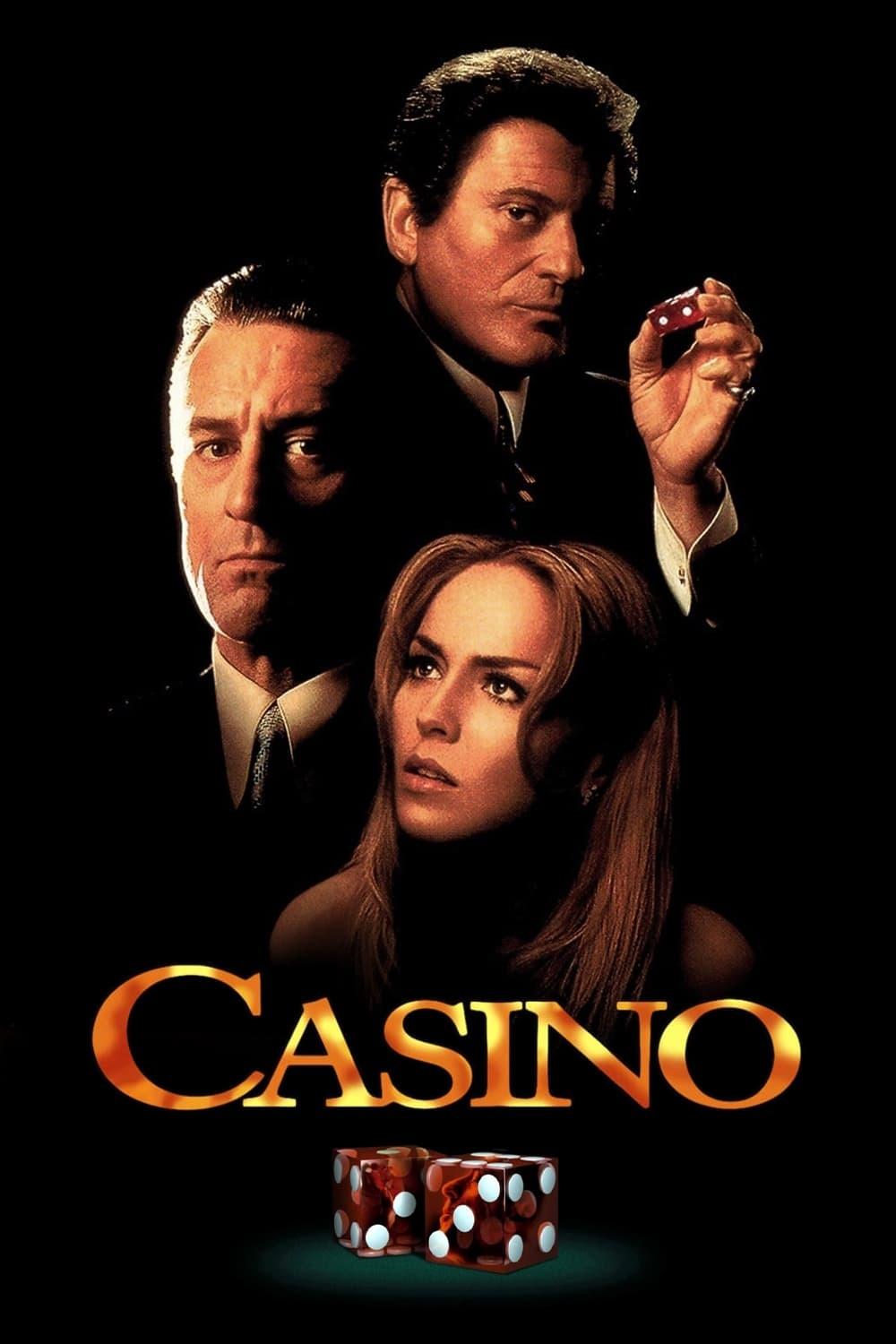
What the Film Is About
From the moment I first encountered “Casino,” I realized I was in for more than a standard crime saga or a glossy Hollywood portrait of Las Vegas excess. What gripped me immediately was the emotional tide washing over every character, the feeling that every victory is poisoned by loss, and every relationship frayed by mistrust and self-destruction. The film, for me, is about the singular pursuit of control in a world determined to unravel, a dance between ambition and chaos where the stakes are not just money or power, but the very souls of the people grasping for both.
Watching the central conflict unfold, I was acutely aware of a larger battle beneath the surface—love wrestling with exploitation, loyalty threatened by paranoia, order challenged by volatility. Characters orbit one another in fraught, transactional relationship webs; ambition propels them toward dizzying highs, but their inability to understand or trust each other triggers a spiral that can’t be reversed. The overall direction of “Casino” isn’t so much about who rises or falls, but about the steep personal cost of their relentless chase and what’s hollowed out along the way.
Core Themes
When I revisit “Casino,” I’m always struck by how power and greed function as twin engines, driving both the plot and the slow emotional deterioration of its cast. For me, the most resonant theme centers on the seductive illusion of control—how the allure of orchestrating one’s empire, relationship, or future becomes an obsession that blinds characters to their own vulnerabilities. Ace Rothstein’s methodical, almost surgical approach to managing the casino reflects not only his gambling expertise, but also a deep-seated belief that discipline can withstand the unpredictable forces of human nature. Of course, “Casino” shows—sometimes ruthlessly—how that belief crumbles when confronted by love, betrayal, or sheer bad luck.
The film delves deeply into the moral ambiguity at the heart of the American dream. I find myself questioning whether success, as depicted here, can ever exist outside the corrosive grasp of corruption. Even those who pride themselves on operating with “honor” slip further from their ideals as their fortunes grow. The criminal underpinnings of the world Scorsese paints are not just background—they are the very means by which order, and then disorder, take root. Loyalty, too, is dissected with a brutal scalpel; it’s never unconditional and is always susceptible to self-interest, jealousy, or fear.
Given the time of its release in 1995, when the world was reassessing the mythologies of 20th-century America, I see “Casino” as both a cautionary tale and a requiem for an era. Its exploration of violence, love as exploitation, and the erasure of “old ways” in favor of something colder, more corporate, echoes anxieties that feel as immediate now as they did then. The personal cost of success, the impossibility of loyalty in a world built on secrets, and the intoxicating yet corrosive pull of power remain as relevant as ever in our own times, whether viewed through the lens of politics, business, or personal ambition.
Symbolism & Motifs
Symbols and motifs surface throughout “Casino,” and I’m always fascinated by how they steadily, almost imperceptibly, reinforce its bleak philosophies. For me, the ever-present casino itself is the central metaphor: a shimmering palace of lights, rigged with the promise of order and fairness, yet fundamentally based on the guarantee that the house always wins. This contradiction is mirrored in Rothstein’s belief in control and fairness in an unfair world, a motif that repeats in his fastidious routines, his careful separation of personal and professional life, and even in his impeccable wardrobe. Every detail serves as a shield, but also as a sign of isolation.
The motif of surveillance—endless cameras, hidden microphones, constant scrutiny—echoes the characters’ paranoia and the illusion that seeing everything equates to knowing everything. I see it as not just a sign of the casino’s omniscience, but as a representation of how every character is trapped, always performing and never allowed true intimacy or vulnerability. Glamour itself becomes a motif, with the gold, jewelry, and chic costumes cloaking profound emptiness. The characters’ physical transformation parallels their spiritual or moral decay, the glitter hiding the rot underneath. Scorsese continually returns to cycles: the rise and fall, the repetition of betrayal, and the ways these patterns mirror the slot machine’s endless spin and ultimate futility.
Key Scenes
Key Scene 1
One scene that always remains with me is the moment Ace Rothstein expresses his confidence in being able to “see the whole world from up here” as he surveys the casino floor. To me, this is the cinematic high point—not simply in terms of plot, but because it embodies the profound irony at the heart of the film. Rothstein believes that his distance, his ability to oversee every detail, is his safeguard. Yet, as I watch, I feel an undercurrent of dread; this supposed vantage point is as much a prison as it is a throne. It shows how the pursuit of perfect vision or control can actually foster greater blindness when it comes to the shifting emotional ground beneath.
Key Scene 2
The confrontation between Ace and Ginger, especially as their marriage turns openly antagonistic, cuts to the emotional bone of the film. For me, these moments are where “Casino” clarifies the destructiveness of power and love tangled together. When Ginger shatters boundaries—be it by betraying Ace or threatening their daughter—I’m forced to reckon with how all-consuming obsessions can poison what little remains sacred to these characters. It’s a bruising reminder that emotional disintegration often accompanies material collapse, and that betrayal is not an isolated act but an avalanche set off by years of mutual distrust and commodification of affection.
Key Scene 3
The film’s closing montage—where the casino’s old order is literally and metaphorically demolished, replaced by sanitized corporate enterprises—feels, each time I watch it, like the last word on the myth of lasting power. I’m left contemplating the fragility of legacies built on shaky ground. The garish, modern-day casinos hollow out the sense of history, rendering the personal tragedies of Ace and his world both tragic and forgotten. For me, it’s a powerful reflection on the interchangeability of systems: the faces, players, and crimes may change, but the drive to dominate remains, endlessly repackaged for a new era of empty spectacle. Watching this sequence, I mourn not just for the individuals, but for a lost sense of meaning amid all the neon and noise.
Common Interpretations
I’ve noticed that “Casino” is often interpreted by critics as an indictment of American capitalism, revealing its decay and underlying violence. Many see Ace Rothstein as a tragic figure, a man whose obsession with order and fairness isolates him from everyone he cares about, making him both architect and victim of the world he tries to shape. There’s a common reading that the film lets no one off the hook—not even its would-be protagonist—because every system portrayed is ultimately self-defeating. Some viewers focus on the film’s portrayal of shifting power structures: how organized crime’s downfall paves the way for a sanitized, more “acceptable” brand of exploitation, leading to questions about whether anything has truly changed except the window dressing.
Other interpretations concern its approach to relationships, especially how love in this world is frequently transactional. Audiences point to the tragic arc of Ginger, who oscillates between victim and perpetrator, and how her trajectory illustrates the way women are both commodified and complicit in these power structures. I’ve also heard viewers discuss the film as a meditation on fate versus free will—did any of these characters ever have a real chance, or were they always doomed by their own natures? While some critics appreciate the film’s operatic style and nihilism, others feel its moral outlook is too detached, rendering the violence almost anesthetized. For me, the fact that “Casino” inspires such debate is proof that it’s far more than just a crime epic.
Films with Similar Themes
- Goodfellas – I see this film as a spiritual cousin to “Casino,” both depicting the rise and fall of insiders in a criminal syndicate. The two stories examine the hollow victories and inevitable betrayals that come with chasing power at any cost.
- Scarface – Here, I’m reminded of the intoxicating danger of ambition unchecked by ethics, with its lead character ultimately laid waste by his own appetites and hubris, mirroring the downfall seen in “Casino.”
- Chinatown – Though focused on a very different landscape, I sense the same undercurrent of corruption hidden beneath a glamorous exterior, and the futility of trying to impose order or achieve justice within such rotten systems.
- The Godfather Part II – Watching this film, I catch the same melancholy about legacy and the corrupting force of power, as well as the way familial loyalty becomes both weapon and weakness, echoing “Casino’s” tragic dimension.
For all its gloss and spectacle, what I carry away from “Casino” is a sobering meditation on the impossibility of lasting control—over people, over fortune, and even over one’s own narrative. Human nature, as I see it here, is marked by a drive for domination that is ultimately self-limiting and tragic. The society portrayed is defined by contradictions: civility hides brutality, glamour masks decay, and every bold new vision is haunted by ghosts of those ground under its wheels. Yet, even as the film mourns a lost era, I feel its message remains unsettlingly relevant—asking how much progress really comes from changing the players if the game itself is always rigged. This is not just a film about casinos, but about anyone who believes life can be mastered through sheer will: a warning, and a lament, that echoes long after the credits roll.
To explore how this film has been judged over time, consider these additional viewpoints.