
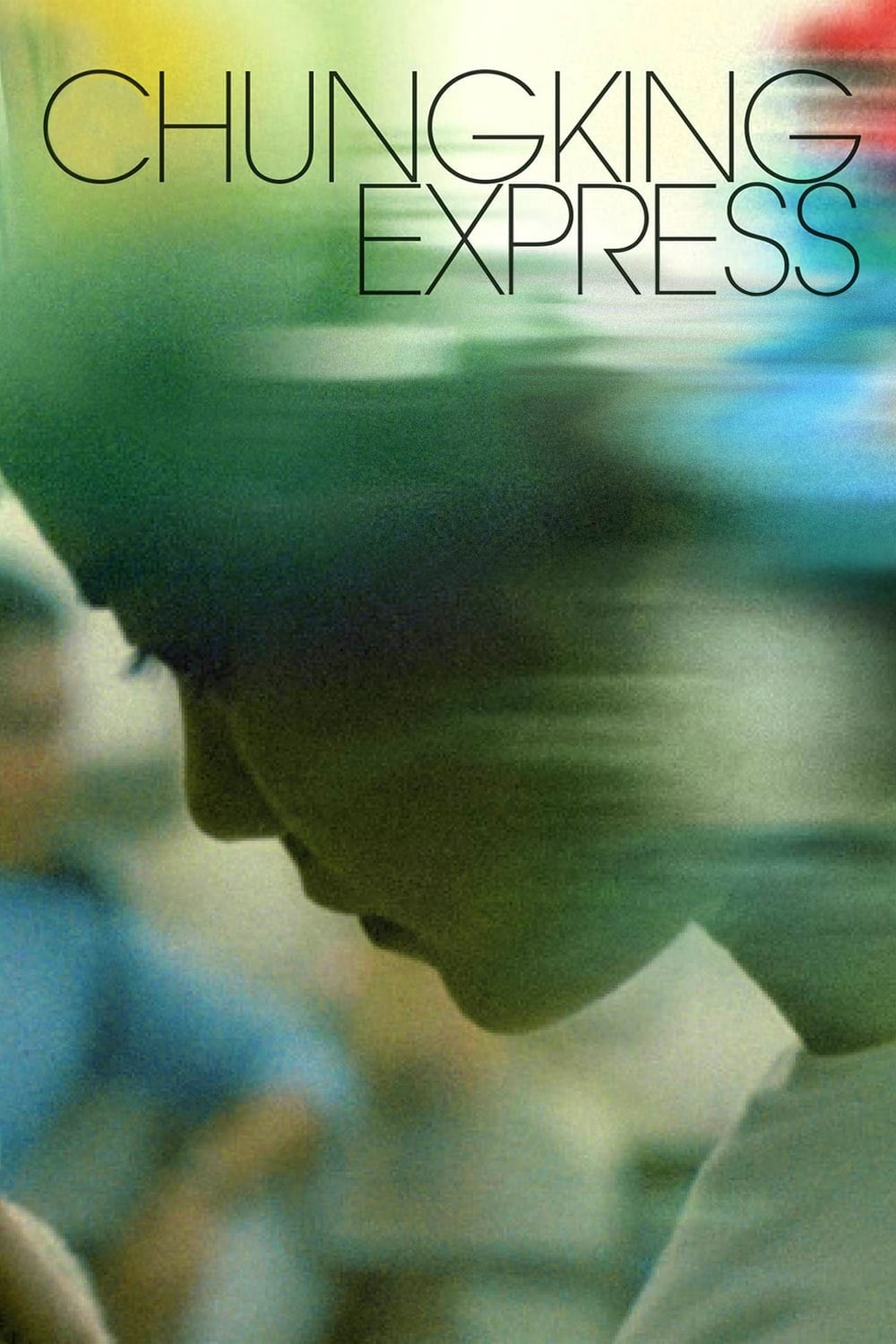
What the Film Is About
I remember the first time I watched “Chungking Express,” I was struck not just by the fragmented stories, but by an overwhelming, lingering mood—a sense of yearning threading through moments of urban solitude and fleeting connection. It’s not a film about grand events or life-changing choices; instead, it’s about the small, aching emotions that fill the gaps between strangers crossing paths under neon lights. For me, the real subject of the film is the delicate dance of longing and loss, as ordinary people cling to the possibility of love amid bustling, indifferent surroundings.
What drew me deeper was how the characters fight their personal battles against time and memory. Each narrative feels like a journal entry—private, elliptical, and tinged with regret. “Chungking Express” doesn’t sprint toward resolution; rather, it drifts through the loneliness and hope that permeate city life. I felt that emotional journey most intensely in the moments when silence says more than words ever could, and when the city itself seems both a witness to and a cocoon for desire.
Core Themes
To me, the film’s obsession with love is inextricable from its preoccupation with ephemerality. Love here isn’t stable or triumphant; it’s fragile, conditional, subject to sharp turns of fate. I see this uncertainty mirrored in the film’s structure itself—two loose, overlapping stories, never quite touching but bound by motif and mood. This fragmentation felt emblematic of life in modern Hong Kong: rapid change, accidental proximity, and the persistent search for meaning as the world shifts beneath one’s feet.
Identity also looms large. Watching the characters, I’m always aware of how much performance shapes their lives—uniforms, disguises, even rehearsed conversations. People here aren’t fixed; they’re always on the verge of reinvention, trying on new selves as easily as donning sunglasses or wiping down a diner counter. That spoke to me as a meditation on how urban environments erode certainties, making every encounter a negotiation of who we wish to be and who we reveal.
At its core, “Chungking Express” is a poem about alienation and the ways we grope for connection. When the film was released in 1994, Hong Kong teetered on the edge of immense political change. That uncertainty permeates every frame, though never explicitly mentioned. For me, the characters’ existential drift reflects both the anxiety and hope of an entire city unsure of its future. All these years later, I believe those anxieties remain uncomfortably familiar: the endless search for real intimacy in a constantly moving world, the bittersweet beauty of brief intersections, and the ache of nostalgia for things just out of reach.
Symbolism & Motifs
One symbol that I have never been able to shake is the humble can of pineapple. It appears in one narrative as a stand-in for lost love, its expiration date marking the unbearable certainty that some things, no matter how tightly held, are destined to end. The cans are not just quirky props—they embody the futility of trying to preserve romance or delay heartbreak. For me, that expiration date becomes a ticking clock, echoing the sense that emotional life is always on the brink of change.
Music, especially the repeated play of “California Dreamin’,” acts as both comfort and prison—an emotional loop the characters can’t escape. When I hear it in the film, I am reminded of how our pain and longing have their own soundtracks, replaying in our minds until we find the courage to change the station. In this way, music becomes a motif for emotional repetition and the yearning for escape—a reminder that our inner worlds persist even amid external chaos.
The motif of barriers—windows, doorways, reflections—runs throughout the film, accentuating the emotional distance between characters and the outside world. Watching these visual divisions, I feel the tragedy of love unspoken and opportunities just missed. Wong Kar-wai’s use of slow motion and blurred frames only deepens this sense of disconnection, as though the characters are forever trapped behind the glass of their own heartaches.
Urban nightscapes—wet roads, neon, crowded alleys—encapsulate a sense of modern alienation. For me, the city’s shifting, flickering lights stand in for unstable internal states. The city both hides and reveals, crowding the lonely and isolating the connected. In “Chungking Express,” Hong Kong is both the maze that traps the characters and the stage for their temporary, magical connections.
Key Scenes
Key Scene 1
There is a quiet, devastated moment when one protagonist sits alone in his small apartment, speaking to bar soap and inanimate objects. I see this as the purest distillation of loneliness I’ve witnessed onscreen—a plea for understanding, no matter how absurd the audience. The emotional truth of that scene is that grief and loss don’t always result in drama; sometimes they provoke conversations with things that cannot answer. This scene invites me into the vulnerability of someone keeping sorrow at bay through ritual and whimsy, and in doing so, it lays the groundwork for understanding how fragile even our coping mechanisms truly are.
Key Scene 2
One of the most haunting sequences takes place in the cramped, fluorescent-lit fast-food counter where Faye begins to intrude, gently and gradually, into the second protagonist’s ordered life. There’s a tiny rebellion in Faye’s casual but deliberate invasions—rearranging goldfish, swapping objects, playing “California Dreamin’” far too loudly. For me, this choreography of minor disruptions speaks to the film’s belief in the transformative power of mundane gestures. It’s here I realize how love—or simply the presence of another—can quietly unravel old patterns, opening space for both chaos and joy. The scene isn’t so much about romance as it is about the possibility of being seen, and maybe, in being seen, becoming changed.
Key Scene 3
I often revisit the film’s closing moments, which refuse anything like a traditional catharsis. Instead, ambiguity reigns as Faye and the cop meet again in a subtly altered context. Their encounter, filled with possibility but unspoken hesitations, doesn’t resolve the central tension. Watching it, I’m left with more questions than answers—an ending that mirrors the unresolved, circular nature of longing itself. This lack of resolution is, I think, the film’s final word on the unpredictability of connection: happiness and heartbreak are intertwined, and sometimes all we have is the courage to try again. That open-endedness, to me, is the most honest thing the film could say about love.
Common Interpretations
Reflecting on how others talk about “Chungking Express,” I sense a near-universal agreement on its beauty and melancholy, but also a kaleidoscope of readings. Many see it primarily as an ode to isolation in urban life, the characters’ parallel stories highlighting how easy it is to remain strangers even in shared spaces. Others, myself included, read the disjointed narrative as a reflection of a city in flux—specifically Hong Kong’s collective anxiety over impending political change. Some latch onto the quirky, romantic eccentricities, interpreting the film as a testament to the ways unexpected love can puncture loneliness, however briefly.
I’ve encountered viewers who stress the existential undertones: the idea that we are all trapped in habits (symbolized by the repeated musical cues and ritualistic behaviors), and that transformation is both terrifying and necessary. Those who pay closer attention to the stylistic flourishes—blurry shots, sped-up motion—tend to read the film as an experiment in subjectivity, meant to reproduce the rush and confusion of lives lived at emotional extremes.
These readings don’t contradict one another; in my experience discussing the film with other cinephiles, they tend to enrich each other, suggesting that “Chungking Express” remains elastic enough to contain both heartbreak and redemption. Ultimately, most audiences seem to agree that at its heart lies a meditation on impermanence—the knowledge that all things, even our most intimate connections, expire, and yet still are worth longing for.
Films with Similar Themes
- Lost in Translation – I see Sofia Coppola’s modern classic as tackling a parallel landscape of urban ennui, language barriers, and brief encounters that reshape ordinary lives in unexpected ways.
- In the Mood for Love – Wong Kar-wai’s own later masterpiece shares with “Chungking Express” a fascination with romantic longing, the intricate dance of missed opportunities, and the haunting shadows of what might have been.
- Paris, Texas – Wim Wenders’ film explores alienation, memory, and the search for reconnection, treating the vast American landscape much like Wong’s neon Hong Kong: both a labyrinth and a mirror.
- Her – Spike Jonze’s meditation on love in the digital age reflects similar tensions between intimacy and isolation, personal reinvention, and the seductive power of fantasy in shaping identity.
To me, “Chungking Express” lingers as a bittersweet love letter to both heartbreak and hope. I see it as a testament to the beauty found in fleeting connections and the poetry hidden in everyday rituals. It asks, sometimes desperately, if it’s possible to truly know another person—or even oneself—when everything, from identity to affection, shifts with the city’s glow. Watching the film, I recognize my own fears of time slipping away, but also the stubborn optimism that makes us reach out, again and again, for meaning in the darkness.
After learning the historical background, you may also want to explore how this film was received and remembered.