
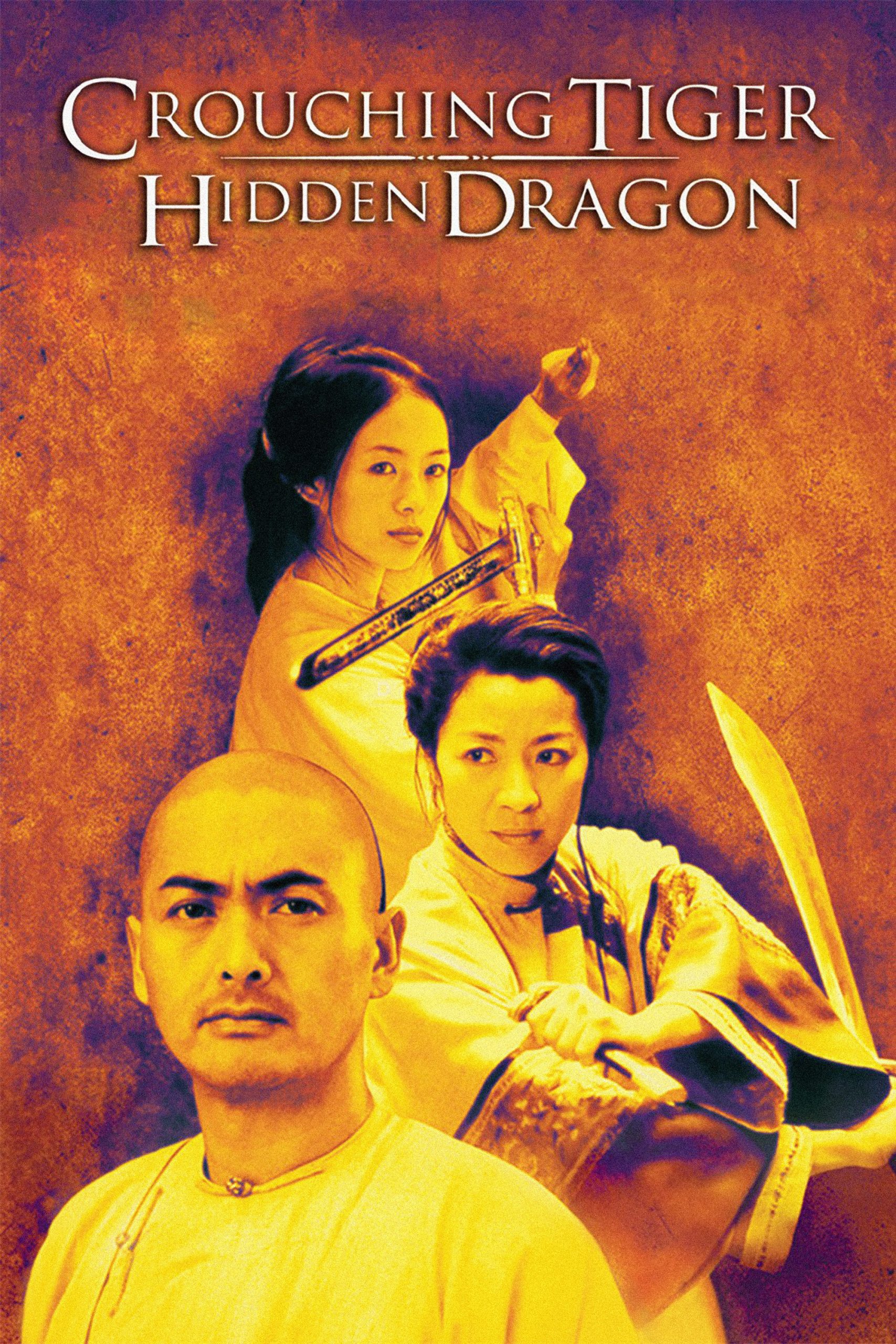
What the Film Is About
Sometimes a film pierces the surface of genre and expectation, pressing its weight into far deeper emotional and intellectual territory. When I watch “Crouching Tiger, Hidden Dragon,” I find not just a tale of swordplay and stolen treasures, but a profound meditation on desire—the kind that ripples just beneath the surface, its power both creative and destructive. The narrative unspools like an elegant tapestry; layers of passion, regret, longing, and restraint bind the characters so tightly, one nearly aches to see them struggle against their own hearts.
At its core, the movie is less a saga of combat and adventure than it is a collision course between personal yearning and social expectation. The tangled lives of master warriors and rebellious youth create an emotional terrain that is both timeless and intensely personal. It is a world where the pursuit of freedom—emotional, romantic, and existential—clashes with the iron weight of tradition. I am always struck by how the film sidesteps easy catharsis; it lands instead in the messy, unsatisfied spaces of the human condition. At the heart of its conflict lies the eternal struggle: the battle not only between rivals, but also within the self.
Core Themes
What fascinates me most about “Crouching Tiger, Hidden Dragon” is the way it balances physical discipline and unrestrained emotion. In nearly every frame, I feel the tension between the worlds of external order and inner chaos. One of the film’s boldest statements comes in its treatment of freedom—both as an aspiration and as a peril. We see characters who yearn to escape their fates, whether that means running from gendered expectations or walking away from love in the service of duty. This isn’t freedom as an empty slogan; it’s freedom as a razor’s edge, with real costs and consequences.
Love operates as both engine and obstacle throughout the film. I see heartbreak not only in the relationships that remain unfulfilled—such as the tragic, unspoken bond between Li Mu Bai and Yu Shu Lien—but also in the fiery, reckless choices of the younger generation embodied by Jen. The film asks, in nearly every scene, what it means to truly love: Is love a binding vow or a force that shatters all barriers? Watching these characters, I’m compelled to reflect on the ways tenderness and violence intermingle—not just in battle, but within the soul.
Identity is another undercurrent I find impossible to ignore. Jen’s journey, for instance, isn’t just about martial prowess; it’s about carving out a self in a world eager to impose limits. The wounded pride of those who train her, the expectations of family, the traditions of the ancient world—they all press in on her, even as she strains for autonomy. Power, too, pulses through the narrative: the Green Destiny sword becomes a symbol of mastery, inheritance, and longing all at once. When the film released in 2000, I remember sensing a cultural hunger for stories that transcended national and gendered boundaries, and “Crouching Tiger, Hidden Dragon” offered precisely that—a challenge to rigid roles, spoken in the language of myth and movement. Today, those questions about who writes the rules and how far one might go to break them feel every bit as urgent.
Symbolism & Motifs
Few films I know employ visual artistry and symbolic language with such sensual precision. The Green Destiny sword is more than an object of desire; I interpret it as the embodiment of ambition, skill, and even temptation. Its theft is an act not merely of rebellion, but of personal declaration—I always see in this weapon a measure of the soul’s unrest.
The motif of flight—those breathtaking scenes where characters skim rooftops and glide through bamboo forests—represents, for me, the ache for transcendence. Far from just dazzling action sequences, these airborne moments speak to forbidden longing and the possibility of fleeting escape. When I watch characters suspended above the world, weightless for a heartbeat, I feel their struggle to rise above the constraints of gravity, gender, history. These flights are wishes, made real only for an instant.
I notice, too, the recurring interplay of water and stillness: a serene lake reflecting hidden turmoil, the hush before violent combat. Water in the film often mirrors internal ambiguity—fluid, unfixed, hard to contain. The lush, natural landscapes do not simply set the stage; they become partners in the drama, communicating moods and secrets that words rarely touch. I’m particularly moved by the way nature seems to enfold or echo the characters’ inner states—bamboo groves trembling with unspoken fear, mountain cliffs embracing or threatening those perched at their edge. Through these motifs, the story unfolds as much in symbols as in speech.
Key Scenes
Key Scene 1
One scene that leaves a lasting impression on me is the spellbinding duel in the bamboo forest. Here, the boundaries between combat and dance, aggression and seduction, blur until they are nearly indistinguishable. The sheer physical poetry of two opponents balancing precariously on bamboo stalks is riveting, but what moves me most is the way this sequence externalizes the characters’ emotions: restraint and uncertainty on one side, wild yearning on the other. The forest becomes a neutral ground where traditions are suspended—at least for a time—and the full spectrum of feeling can be expressed. In this moment, the film reveals the impossibility of complete control, whether over the body, the mind, or the heart.
Key Scene 2
Another pivotal scene, for me, is the confrontation between Jen and her mentor, Yu Shu Lien. This encounter is far more than a simple clash of swords—it is a confrontation between generations, values, and modes of feminine power. As they spar and parry, I see the wounds left by expectation, jealousy, and unspoken longing. Their battle is not only for physical dominance but over the meaning of honor and loyalty, particularly as women within a male-dominated hierarchy. The moment when Shu Lien attempts to rescue Jen from her own self-destruction serves as one of the film’s most forceful statements on compassion and discipline. Here, I see tradition’s promise of order, but also its limitations: no matter how rigid the code, it cannot guarantee happiness or belonging.
Key Scene 3
The final act atop the mountain haunts me long after the credits roll. When Jen stands poised above the void, the film’s lyricism and heartbreak culminate in a gesture that is both sacrifice and liberation. This scene, in my view, is the ultimate distillation of the film’s question: What does it mean to be free? As Jen leaps into the mist, I sense not just death or escape, but the possibility of transcending a life that refuses to make space for longing. That ambiguous leap—both an ending and a new beginning—speaks to desires that are limitless, disruptive, and ultimately unsatisfied. The film closes not with resolution, but with the ache of possibilities, hanging unresolved in the air.
Common Interpretations
I’ve encountered countless interpretations of “Crouching Tiger, Hidden Dragon,” each reflecting a unique mix of cultural background and personal experience. Many critics, I’ve noticed, read the film as a feminist statement: a tale of women who chafe against roles set out for them and claim power in unexpected, sometimes self-destructive ways. This feminist reading analyzes characters like Shu Lien and Jen through the lens of agency, maternal guidance, and generational conflict, focusing on how the narrative both subverts and upholds patriarchal tradition.
Others point to the film’s exploration of Taoist and Confucian philosophies—the balance between surrender and discipline, spontaneity and duty. In my viewing, the film doesn’t champion one path over the other but rather reveals the pain and beauty of wavering between them. Some viewers also see an East-meets-West meditation, given Ang Lee’s directorial background and the film’s international reach. For these audiences, the story is a conversation between historical Chinese values and late-20th-century global anxieties about autonomy, gender, and tradition.
Still, the emotional punch of the film is not confined to a single reading. I think that’s why it resonates across so many contexts: whether interpreted as a love story, a tragedy of lost potential, or a heroic journey, it returns always to the question of what happens when dreams refuse to die quietly inside us.
Films with Similar Themes
- Hero (2002) – When I watched Zhang Yimou’s “Hero,” I noticed the same intricate interplay between individual desire and the greater good, filtered through visually arresting martial arts and myth. Both films elevate personal sacrifice and the conflict between loyalty and self-assertion.
- House of Flying Daggers (2004) – This is another film where love and betrayal, secrecy, and destiny shape every action. Like “Crouching Tiger, Hidden Dragon,” it explores how beauty and violence coexist, how love can be both mask and weapon.
- The Assassin (2015) – Hou Hsiao-hsien’s meditative take on the wuxia form resonates with me for its focus on interiority and restraint, pushing the genre beyond spectacle and turning it into a meditation on choice, isolation, and duty.
- The Grandmaster (2013) – Wong Kar-wai’s chronicle of martial arts legends echoes the emotional complexity and sense of longing that permeate “Crouching Tiger, Hidden Dragon.” Both films explore history through the lens of memory, artifice, and personal destiny.
Returning to my own viewing experience, I’m compelled to say that “Crouching Tiger, Hidden Dragon” speaks to the ways human beings wrestle with the boundaries of their own lives. It expresses, with aching clarity, how power and vulnerability are braided together, and how yearning—be it for love, mastery, or freedom—is both a gift and a curse. In early 2000s cinema, the film’s blend of gender exploration, artistry, and myth felt like a breath of fresh air. Two decades later, its message—that the greatest wounds and triumphs often come from the battles within—is only more urgent in this world of competing loyalties and shifting identities. Every time I revisit the film, I am reminded how rarely stories trust their audience to sit with contradictions, and how precious such trust truly is.
To explore how this film has been judged over time, consider these additional viewpoints.