
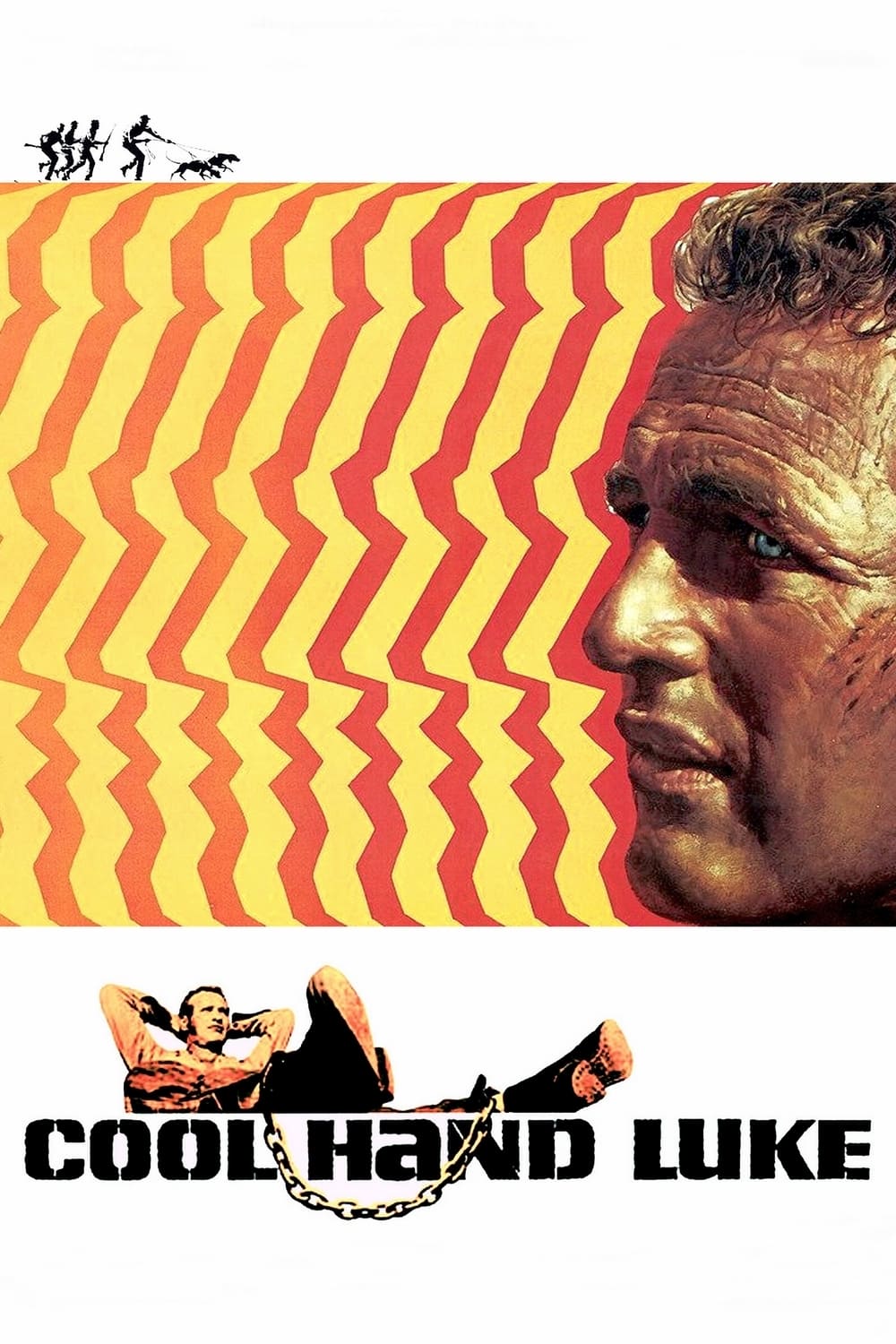
What the Film Is About
Whenever I revisit “Cool Hand Luke,” there’s something simultaneously exhilarating and tragic in watching Paul Newman’s Luke battle invisible, immovable forces. The film doesn’t simply tell the story of a rebellious man locked up in a Southern chain gang; for me, it’s really about the suffocating push and pull between individuality and institutional oppression. I see it as one long, bruising collision between the stubborn urge to assert a private identity and a merciless system determined to crush that spark.
The emotional arc isn’t one of triumph but of resistance—often futile, sometimes quietly heroic. Luke’s journey isn’t about escaping a literal prison, but rather testing how much of oneself remains unbroken when stripped of autonomy and dignity. Watching him, I’m always left with the ache of watching a spirit refuse to die, even when the outcome feels preordained. The conflict here isn’t just man versus jailer; it’s a profound wrestling match between hope and the world’s indifference.
Core Themes
What struck me most powerfully about “Cool Hand Luke” is its exploration of rebellion and the price of dignity under authority. For all the film’s prison-bound setting, I read it as a parable about the cost of existing on your own terms in a world organized by rules meant to homogenize, not inspire. Luke embodies defiance, but not the grandiose kind. His resistance is sometimes petty, often stubborn, and endlessly heartbreaking. Through his battles, I see questions raised about the value of freedom—does it reside in action, in spirit, or perhaps in refusal even when it leads nowhere?
Another theme that resonates with me is the longing for meaning inside systems built on punishment and conformity. The community of inmates, their rituals and hierarchies, feel like a microcosm of any society wrestling with order and justice, power and submission. I feel the film’s moral vision isn’t clearly outlined in black and white; instead, it asks whether goodness is possible, or even desirable, in a place where the only real choice is to bend or break.
When “Cool Hand Luke” debuted in 1967, America was sifting through the aftershocks of rebellion on many fronts—civil rights, Vietnam protests, the counterculture upending trust in authority. It’s not lost on me that Luke’s struggle echoed the real anxiety of a society wondering whether the individual still mattered amid collective, institutional demands. Decades later, I think the film’s central questions—about autonomy, resistance, and the shape of integrity—still matter profoundly wherever people feel their voices are drowned out by impersonal power.
Underneath, there also brews a quieter theme of existential isolation. In the presence of so many, Luke’s true conversations seem mostly with himself—wondering who, if anyone, is really listening. That fundamental loneliness, and the ache for understanding it brings, speaks just as powerfully now as it did on release. As I watch, I keep coming back to how the film asks—not just whether rebellion is righteous, but whether it’s truly seen or merely tolerated.
Symbolism & Motifs
My favorite way to unpack the layers of “Cool Hand Luke” is to look at its symbols, which transform the stark prison backdrop into something mythic. The omnipresent image of shackles and chains—Luke’s ankles and spirit repeatedly bound—reminds me how physical confinement is merely the surface of what restricts us. The institutional architecture, the whitewashed walls and rigid uniforms, feel less like décor and more like the smothering fabric of a world that demands submission.
One motif that I found endlessly fascinating is the use of Christian allegory, particularly the hints that cast Luke as a Christ-like figure. The scenes that frame him in poses of crucifixion, or depict him as a figure of hope among lost souls, are more than visual flourishes. To me, they raise uncomfortable questions: Can martyrdom redeem not just the rebel, but the community? Is suffering a form of grace, or simply wasted pain? I see the film as unwilling to settle comfortably on either side.
Eggs, sparse trees silhouetted against the sky, and the relentless Florida heat function as recurring motifs. The infamous egg-eating challenge, for instance, plays like both a farce and an ordeal—an absurd display of endurance that echoes the broader struggle for self-definition amidst ridicule and disbelief. Nature, occasionally glimpsed through barbed wire, suggests a world just out of reach, a reminder that freedom is tantalizing but not guaranteed.
Most haunting, for me, is the relentless gaze of the Captain and the anonymous, mirrored sunglasses of the “man with no eyes.” They don’t just surveil Luke; they embody the constant, impersonal threat of judgment—a mechanical, unyielding power that never quite understands its prey. That faceless authority feels all too contemporary to me; it’s as though the film predicted the age of impersonal bureaucracy, endlessly monitoring, never merciful.
Key Scenes
Key Scene 1
The sequence where Luke wins the egg-eating contest is, in my view, crucial for understanding his peculiar charisma and the film’s double-edged view of what defiance means. On the surface, it’s a moment of victory—he sets a goal only he believes in and achieves it, becoming a legend among his battered peers. Yet, this triumph is laced with exhaustion and absurdity. When Luke lies sprawled, arms out in a crucifixion pose, I’m left feeling that the contest is as much about self-destruction as about glory. The moment crystallizes how small acts of resistance can become symbolic lifelines for the oppressed, even though they do nothing to change their real situation.
Key Scene 2
Later, I’m always struck by the moment when Luke, broken by a string of escape attempts and brutal punishments, kneels in the dirt, forced to beg for mercy and declare, “I got my mind right, Boss.” The emotional power of this isn’t in what he says, but what he loses. I read this as the film’s most harrowing meditation on the cost of surviving under total authority. Luke’s performance of surrender is heartbreaking because I sense it’s both tactical and a genuine fracture of spirit. At this point, I find myself questioning whether victory is ever really possible inside systems designed to suffocate, or whether the bravest act is to survive at all.
Key Scene 3
The final confrontation, with Luke defying the bosses from the church, feels like the culmination of everything he’s been forced to bear. His mocking communication with the bosses through a prayerful monologue, his plaintive address to “Old Man,” and the sense of both hope and futility, wraps up all the themes in a single, devastating gesture. For me, this is the scene that best articulates the paradox at the heart of the film: Luke is both defeated and indomitable, a man who cannot win because the game is rigged, yet cannot truly be broken in the ways that matter most. That lingering ambiguity—was it worth it? Did anyone really notice?—echoes like a challenge to the viewer’s own sense of agency.
Common Interpretations
Most critics and audiences I talk to or read see “Cool Hand Luke” as a parable about resistance versus authority, a sort of modern myth where everyman battles the faceless machinery of social order. Some people call it anti-establishment, a kind of cinematic hymn to the American rebel. They point to Luke’s refusal to conform, his acts of kindness even amidst cruelty, as statements on the indomitability of the individual spirit. That reading always resonates for me, particularly when looking at the film through the cultural lens of the late sixties.
But I’ve also encountered interpretations that see it less as triumphant and more as fundamentally tragic—a meditation on how even the strongest individuals can be beaten down by systems too powerful to escape. For this school of thought, Luke’s struggle is noble precisely because it’s doomed. His legend is not one of victory, but of refusing to pretend that submission equals survival. Personally, I find this reading the most compelling; the film’s refusal to hand out easy answers or moments of cathartic justice feels more true, more reflective of the anxieties that still haunt modern life.
There’s also a third current, connecting the film’s symbolism to religious imagery and martyrdom. Luke as a Christ figure has become a staple of scholarly analysis—his image on the table after the egg challenge, his final hours in the chapel, his role as a figure who “suffers for others.” While I see the richness in these associations, especially given the 1960s context of searching for meaning beyond institutions, for me, the film is more about spiritual hunger than explicit redemption. I don’t see Luke as saving anyone, but rather making it impossible for the other prisoners—and for us—to ignore their own longing for dignity.
Among general audiences, the film is sometimes remembered as a tale of grit and humor in the face of cruelty. But under the surface charm and memorable dialog, I keep finding deeper questions about what resistance actually costs, and whether it’s truly noticed by the world at large. For me, that persistent ambiguity is what makes the film richer with each viewing, even when the ending leaves me unsettled.
Films with Similar Themes
- One Flew Over the Cuckoo’s Nest – I see a clear thematic kinship with this film’s exploration of the individual versus institutional power. Both Luke and McMurphy test the limits of control, and both pay dearly for pushing back. The focus on group dynamics, ritual, and the mythic stature of the rebel gives both films their enduring impact.
- The Shawshank Redemption – Although more overtly optimistic, “Shawshank” draws from the same well of examining hope and resilience within the prison system. As in “Cool Hand Luke,” small acts of rebellion and friendship serve as lifelines against dehumanization, challenging what real freedom means.
- Paths of Glory – Stanley Kubrick’s film about military injustice tackles the machinery of authority and asks painful questions about sacrifice and systemic cruelty. I think it pairs naturally as another exploration of the cost of moral courage inside deeply flawed organizations.
- Papillon – This classic prison-escape narrative shares with “Cool Hand Luke” a fascination with survival, the limits of human endurance, and the refusal to let the self be erased by circumstance. The two films differ in tone, but their central journeys echo each other in unforgettable ways.
What I carry away from “Cool Hand Luke” is a meditation less on rebellion as triumph, and more on rebellion as necessity. The film doesn’t promise that resistance always changes the world; often, it seems to ask if it even matters. Yet, through Luke’s stubborn, self-wounding stand, I feel a kind of affirmation that holding onto oneself—however battered and alone—can become a spark for meaning that outlasts defeat. In the alienated, conflicted world of the late 1960s, that question cut deep, but as I watch today, I see how the longing for dignity in the face of oppressive systems remains one of our most inescapable human truths.
After learning the historical background, you may also want to explore how this film was received and remembered.