
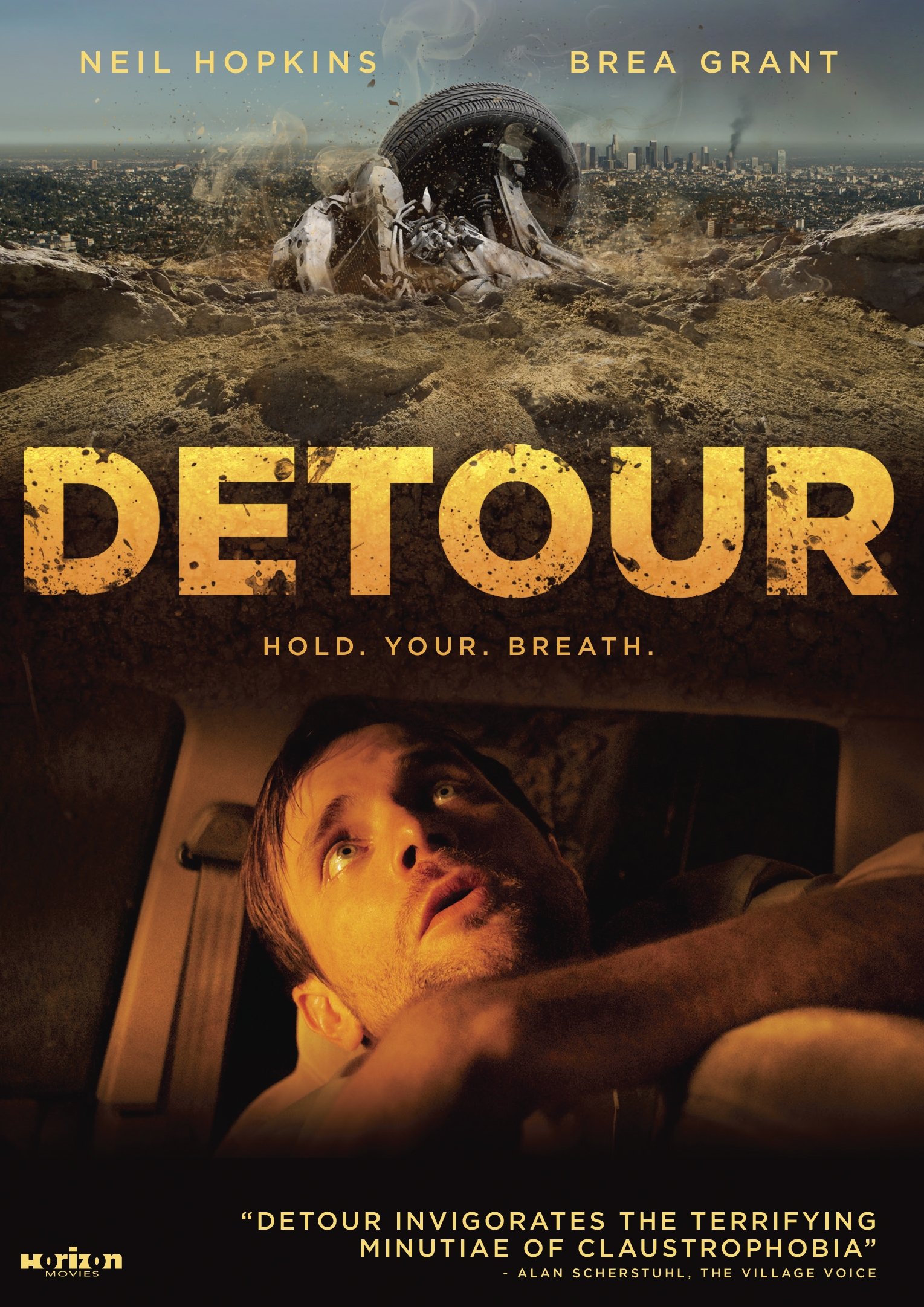
What the Film Is About
Sometimes when I think of classic noir, I find that the most unsettling stories aren’t the ones where evil lurks undisguised—it’s where the world feels indifferent, and fate itself is the villain. “Detour” left me with the distinct sensation of hopelessness, a gnawing anxiety that comes from watching an ordinary person’s life unravel, not because of monstrous ambition or greed, but simply from a chain of random, cruel misfortunes. I see the film as a journey into the psyche of someone battered by bad luck, who keeps waiting for a chance at redemption that never arrives.
What resonates most with me is how the film’s emotional arc is structured around paranoia and powerlessness. The lead character endures a relentless series of reversals, finding himself entangled in situations from which there’s no easy escape. Rather than offer neat solutions or moral victories, “Detour” keeps tightening the noose around its protagonist, reminding me that sometimes life’s outcomes aren’t about what we deserve, but about an unpredictable cosmic draw. In this high-stakes emotional gamble, it’s not just about actions but also about cruel chance and the stories we tell ourselves to survive another day.
Core Themes
Every time I rewatch “Detour,” I’m reminded of how deeply it interrogates the myth of the self-made man. I sense a persistent skepticism about individual agency and the American Dream. Fate looms over the film like a shadow, mocking the notion that people can control their own destinies through gumption or hard work. The story digs into the idea that, sometimes, life simply happens to you—and that the relentless pursuit of meaning or control can itself become a trap.
This theme of fatalism is wrapped around another key preoccupation: guilt. As I see it, the protagonist’s inner torment is as brutal as any external threat. He struggles to distinguish between bad luck and bad choices, between innocence and complicity. “Detour” raises uncomfortable questions about personal responsibility, asking whether some circumstances excuse our worst decisions, or if we’re always responsible, no matter how little power we wield. Watching these themes play out, I find the film a pointed commentary on postwar America’s anxieties—when many were reckoning with disillusionment and the randomness of fate after the trauma of conflict.
What surprises me is how relevant this all remains. The pressure to succeed, the fear of failure due to forces beyond our control, the haunting uncertainty about whether we’re truly in charge of our own narrative—all these concerns still shape our collective psyche. “Detour” taps into an enduring American unease, using a small-scale story to address the universal struggle between hope and despair, choice and fate.
Symbolism & Motifs
One reason I’m drawn to “Detour” is its clever use of recurring symbols that never feel heavy-handed. The road itself—an endlessly stretching, anonymous highway—serves as more than just a backdrop; it’s a metaphor for the protagonist’s journey through a world where direction is an illusion. Every time I see the lonely car headlights slicing through the darkness or the endless lines of asphalt rolling beneath the wheels, I’m reminded of how isolated and rootless the characters truly feel.
Mirrors and reflections also play a subtle but crucial role. Whenever I notice a character glancing at their own image, it seems less about vanity and more about confusion, as if they’re searching for the person they once hoped to be. These moments punctuate the film, reinforcing the idea that it’s easy to lose track of who we are when life spins out of control.
Another motif that sticks with me is the recurring presence of chance meetings—seemingly innocuous encounters that turn out to be catastrophic. Each hitchhiking exchange becomes a weighted moment, teetering between salvation and ruin. This repetition hammers home the randomness of fate: the smallest choice can spiral into disaster. Through these visual and narrative motifs, “Detour” maintains a haunting sense of entrapment—every symbol seems to whisper that escape is an illusion and that the past has a way of catching up, no matter how fast you drive.
Key Scenes
Key Scene 1
The scene that always leaves me chilled is when the protagonist first gets picked up while hitchhiking. There’s something raw and deeply unsettling about the simplicity of this encounter—the initial hopefulness, the fleeting camaraderie, and then the gradual realization that trust comes at a steep price. For me, this moment is the epicenter of the film’s emotional power; it captures how quickly fortune can reverse, how thin the line is between safety and catastrophe. The randomness of the meeting exposes how little separates us from disaster, and it sets the tone for everything that follows: hope is dangerous, and danger hides behind every gesture of kindness.
Key Scene 2
One turning point that sticks out for me is the chilling confrontation in the shabby hotel room, where the protagonist’s desperation comes to a head. Here, the raw ugliness of human vulnerability is laid bare. I see this scene not just as a narrative escalation, but as a painful revelation about guilt and self-loathing. It’s as if every line of dialogue and every anxious glance is another layer of denial, another excuse, another desperate plea to fate for things to turn out differently. The confrontation does more than build suspense—it makes me question whether it’s even possible to admit our own culpability, or whether we’re doomed to invent stories that let us sleep at night. The atmosphere of that room—claustrophobic and charged with dread—forces me to confront how terrifying it can be to face yourself, especially when there’s nowhere left to run.
Key Scene 3
When the film reaches its bleak conclusion, I’m hit with the full weight of its fatalism. The final moments leave no room for heroic escape; there’s no dramatic twist of grace, only a slow, grinding acceptance as the protagonist succumbs to his fate. This scene stands out for me as the film’s quiet, devastating thesis statement: sometimes, there are no second chances, no redemption, just an unmovable wall of consequences. Rather than offering resolution, “Detour” lingers on the ambiguity of justice and the impossibility of escape—emotionally, morally, or physically. This is where the film’s existential anxiety comes to a head; it tells me that in certain worlds, the only real punishment is to live with what you’ve done, and with the knowledge that fate may not care about justice at all.
Common Interpretations
After years of engaging with “Detour,” I’ve seen how critics and fellow cinephiles debate whether the film’s protagonist is truly a victim of fate, or actually the architect of his own ruin. Some interpret the narrative as a cautionary tale about passivity and weakness—a warning against letting life happen to you. They see the main character’s constant self-justification as a form of moral evasiveness, a refusal to face the uncomfortable truth that sometimes, you can’t blame the universe for your mistakes.
Others view “Detour” as a pitch-black parable about cosmic injustice. In this reading, the film is almost nihilistic, suggesting that the universe is indifferent and that bad things can happen to anyone, regardless of intention or morality. These viewers often focus on how the film undercuts typical Hollywood narratives of heroism and redemption—offering, instead, the bitter pill that sometimes good people lose simply because they’re in the wrong place at the wrong time.
What I find most compelling is how both interpretations coexist: the film never fully tilts toward either complete victimhood or total responsibility. Instead, it remains suspended in ambiguity, which is exactly why I think it continues to provoke discussion decades after its release. The blend of guilt, chance, and blurred moral boundaries is endlessly rich ground for personal reflection, especially in times when our own sense of agency feels threatened by the unpredictable currents of history.
Films with Similar Themes
- “Double Indemnity” (1944) – To me, this film shares “Detour’s” fascination with fate and guilt, slowly revealing how ordinary people get swept into schemes that spiral out of control.
- “The Postman Always Rings Twice” (1946) – I see a kindred spirit here in the way it explores doomed desire and the dangerous allure of quick solutions to complex problems.
- “Night and the City” (1950) – For me, this classic noir is another meditation on desperation, chance, and the crushing weight of bad choices playing out in an indifferent world.
- “After Dark, My Sweet” (1990) – Although made decades later, I find this film’s exploration of damaged characters, fate, and bleak moral ambiguity to be a natural descendant of “Detour’s” emotional territory.
When I reflect on “Detour,” what endures is its bleak beauty—a stark, unsparing vision of what it means to be caught between the stories we tell ourselves and the impassive force of fate. The film feels haunted by the anxieties of its era: war-weariness, disillusionment, and the sense that the American promise was always fraught with uncertainty. But beyond its historical context, I always return to “Detour” because it captures something painfully universal—the realization that sometimes, despite our best intentions, we find ourselves lost on a road that can’t be retraced, haunted by the ghosts of choices made in desperation and hope alike.
To explore how this film has been judged over time, consider these additional viewpoints.